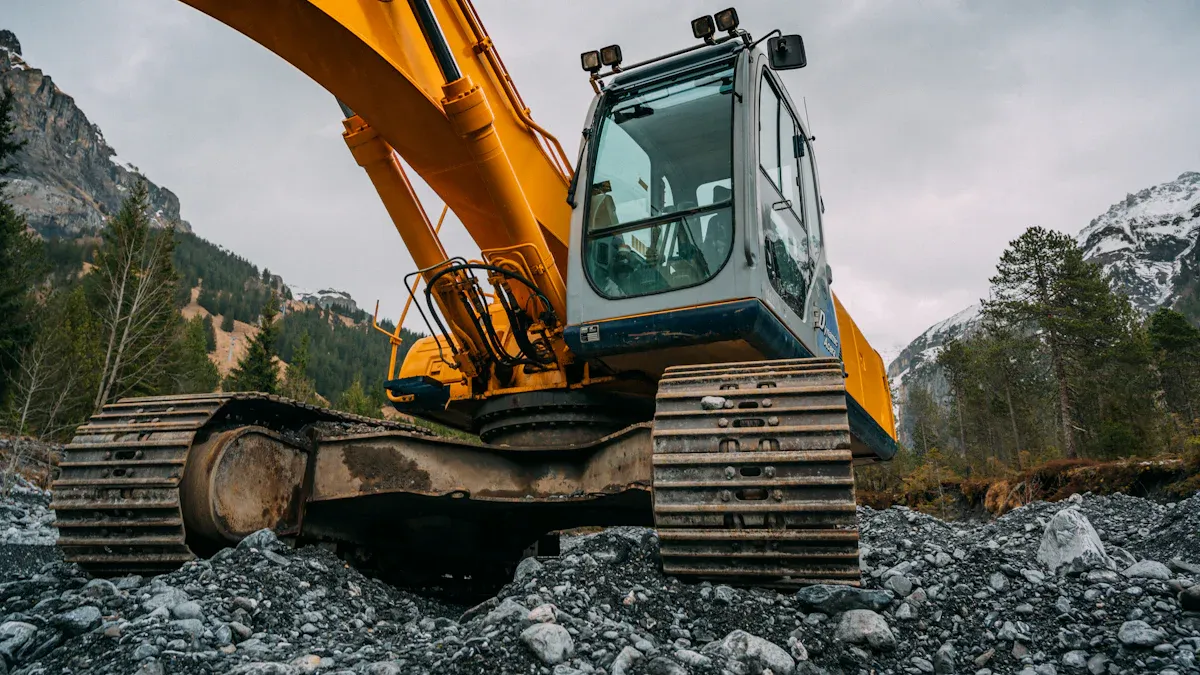
Excavator rubber track pads transform construction site operations. They enhance performance by boosting durability and resisting wear, making them perfect for heavy-duty tasks. These pads, such as the Excavator rubber track pads RP600-171-CL by Gator Track, protect paved surfaces, improve maneuverability on soft terrain, and support eco-friendly practices. Their design redefines efficiency.
Key Takeaways
- Rubber track pads for excavators spread weight to prevent ground harm. They keep paved areas safe and lower repair expenses.
- These pads make machines steadier on rough ground. This boosts safety and helps workers finish tasks quickly and accurately.
- Rubber pads cut noise by 15-20%. This helps meet rules and keeps neighbors happy near construction sites.
Common Challenges on Construction Sites
Construction sites are dynamic environments, but they come with their fair share of challenges. From preserving the ground to ensuring stability, noise control, and operational efficiency, these issues can slow down progress and increase costs. Let’s explore these common hurdles in detail.
Ground Damage and Surface Preservation
Heavy machinery often leaves a trail of destruction on construction sites. Excavators, for instance, can damage paved roads, sidewalks, or delicate surfaces. This damage not only increases repair costs but also disrupts nearby communities. Preserving the ground becomes even more critical in urban areas where construction sites are surrounded by infrastructure that must remain intact.
A study revealed that particulate matter (PM) emissions from construction activities, especially during earthwork, significantly impact air quality. PM2.5 emissions alone contribute to a 0.44% increase in daily respiratory mortality rates. This highlights the importance of minimizing ground disruption to reduce environmental and health risks.
Stability on Uneven or Sensitive Terrain
Operating on uneven or sensitive terrain is a challenge for any construction project. Excavators often struggle to maintain stability, especially when their tracks lack proper traction. Slippage on slopes or soft ground can lead to safety hazards and delays.
Manufacturers now offer customized track pads designed to enhance traction and stability. These innovations allow operators to choose the right pads for specific terrains, reducing the risk of accidents and improving overall performance. Properly maintained tread patterns also play a crucial role in ensuring excavators perform effectively, even in challenging conditions.
Noise Pollution and Regulatory Compliance
Construction sites are notorious for being noisy. The constant hum of heavy machinery and power tools can exceed safe noise levels, affecting workers and nearby residents. Thousands of workers report hearing loss due to prolonged exposure to high-decibel environments.
- Noise levels on construction sites often surpass 85 dBA, with some machinery exceeding 90 dBA.
- Communities frequently complain about early-morning noise and insufficient notifications about construction activities.
- Effective noise control measures are essential to address these concerns and comply with regulations.
One study found that 40% of noise samples exceeded the 85-dBA criterion, emphasizing the need for quieter operations to protect workers and maintain community relations.
Operational Inefficiency and Delays
Delays are a common occurrence on construction sites. Equipment breakdowns, disputes, and unforeseen challenges can disrupt timelines and inflate budgets. For example, there’s an 84% probability that at least one problem will arise during a project. Legal disputes over delayed payments occur in 10% of cases, further complicating matters.
| Evidence Type | Description |
|---|---|
| Dispute Frequency | Design and build methods cause 8% more disputes compared to build methods. |
| Problem Occurrence Probability | 84% probability that at least some problem will occur in a project. |
| Legal Action Probability | 10% probability that issues involving delayed payments will lead to arbitration or legal steps. |
| Cost Considerations | Explicit costs include lawyer’s fees and court fees, while hidden costs include reduced efficiency and damaged reputation. |
Operational inefficiency not only affects productivity but also damages a company’s reputation. Addressing these challenges requires reliable equipment and proactive planning.
How Excavator Rubber Track Pads Address These Challenges
Minimizing Ground Damage with Rubber Track Pads
Heavy machinery can wreak havoc on delicate surfaces, leaving behind costly damage. Excavator rubber track pads offer a practical solution to this issue. Their rubberized design distributes the weight of the excavator more evenly, reducing the pressure exerted on the ground. This prevents cracks, dents, and other surface damage, especially on paved roads or sidewalks.
These track pads are particularly useful in urban areas where preserving infrastructure is critical. By minimizing ground disruption, they also help reduce the release of particulate matter into the air. This contributes to cleaner air quality and a healthier environment for nearby communities. For contractors, this means fewer repair costs and a smoother workflow.
Enhancing Stability Across Various Terrains
Construction sites rarely offer perfect working conditions. Uneven ground, soft soil, or steep slopes can challenge even the most skilled operators. Excavator rubber track pads improve stability by providing superior traction. Their advanced tread designs grip the terrain firmly, reducing the risk of slippage.
This added stability enhances safety for both operators and nearby workers. It also allows excavators to perform efficiently on challenging surfaces, from muddy fields to rocky inclines. With better control, operators can complete tasks faster and with greater precision. This makes rubber track pads an essential tool for projects that demand versatility.
Reducing Noise for Quieter Operations
Noise pollution is a common complaint around construction sites. Excavator rubber pads help tackle this issue by dampening vibrations during operation. They reduce noise levels by 15-20% compared to traditional steel tracks. This makes a noticeable difference, especially in residential or urban areas.
In fact, some countries, like Japan, have strict noise regulations for night-time construction. Rubber track pads enable compliance with these rules by keeping noise levels below 72 dB. Quieter operations not only improve community relations but also create a safer and more comfortable environment for workers.
Tip: Switching to rubber track pads can help contractors meet noise ordinances and avoid fines, while also enhancing their reputation for responsible construction practices.
Improving Efficiency and Reducing Downtime
Time is money on a construction site. Delays caused by equipment breakdowns or maintenance can derail project timelines. Excavator rubber track pads are designed to combat this problem. Many modern pads feature smart technology that monitors wear levels and performance in real time. This data helps operators schedule maintenance proactively, preventing unexpected downtime.
Advancements in material science also play a role. Enhanced rubber compounds and improved tread designs boost durability and traction. This means the pads last longer and perform better, even under heavy loads. Predictive maintenance and superior materials translate to lower operational costs and higher efficiency.
For contractors, these benefits add up. Projects stay on schedule, budgets remain intact, and clients are more likely to be satisfied with the results.
Choosing and Maintaining Excavator Track Pads
Key Factors for Selecting the Right Track Pads
Choosing the right track pads can make a big difference in how well your excavator performs. With so many options available, it’s important to focus on what matters most. Here are some key factors to consider:
| Key Factor | Description |
|---|---|
| Budget Considerations | Evaluate total cost of ownership, considering long-term savings from high-quality tracks. |
| Warranty and Support | Prioritize manufacturers with robust warranties and reliable customer service for peace of mind. |
| Product Quality | Look for durable materials and construction to ensure longevity and performance in various conditions. |
| Market Reputation | Research manufacturers with a proven track record and positive customer feedback. |
| Customer Feedback | Consider reviews that highlight real-world performance and satisfaction with the product. |
When selecting track pads, it’s also helpful to think about your specific needs. For example, rubber compounds affect durability, while tread patterns can improve traction on certain terrains. Consulting guides or expert recommendations can help you make the best choice for your project.
Tip: Always research the manufacturer’s reputation and read customer reviews. This can save you from costly mistakes.
Maintenance Tips for Longevity and Performance
Proper maintenance keeps your excavator rubber track pads in top shape and extends their lifespan. Follow these simple tips to get the most out of your investment:
- Inspect regularly: Check for cracks, wear, or embedded debris after each use. Early detection prevents bigger problems.
- Clean thoroughly: Remove dirt, mud, and stones from the tracks to avoid unnecessary wear.
- Monitor tension: Ensure the track tension is neither too tight nor too loose. Incorrect tension can lead to faster wear.
- Store properly: When not in use, keep the excavator in a dry, shaded area to protect the rubber from UV damage.
- Follow manufacturer guidelines: Use the recommended cleaning products and follow maintenance schedules provided by the manufacturer.
By staying proactive, you can reduce downtime and avoid costly repairs. Well-maintained track pads not only last longer but also ensure smoother operations on-site.
Note: Regular maintenance doesn’t just save money—it also boosts safety and efficiency.
Excavator rubber track pads, like the RP600-171-CL from Gator Track, solve common site challenges. They protect surfaces, improve stability, and reduce noise. Their efficiency boosts project outcomes while saving time and money. For any construction project, these pads are a smart investment. Why not make them part of your next job?
FAQ
What are the main benefits of using rubber track pads for excavators?
Rubber track pads protect surfaces, improve stability, reduce noise, and enhance efficiency. They’re ideal for urban projects and sensitive terrains.
Post time: May-30-2025