Selecting the right equipment often starts with understanding its key features. Dumper tracks, for instance, play a vital role in industries like construction, mining, and agriculture. Their efficiency and safety benefits have fueled market growth, with the global construction dumper market projected to reach $33.5 billion by 2032. As urbanization rises, these tracks continue to prove their value by handling challenging terrains and heavy loads with ease.
Key Takeaways
- Dumper tracks help machines move steadily on rough ground. They are great for construction, farming, and mining jobs.
- Picking the right dumper track, like rubber for bending or steel for toughness, can make work faster and better.
- Using new dumper tracks with smart features can save money, protect nature, and keep workers safer.
Overview of Dumper Tracks
What Are Dumper Tracks
Dumper tracks are specialized components designed to enhance the mobility and functionality of dump trucks. These tracks replace traditional wheels, offering better traction and stability on uneven surfaces. They’re built to handle tough conditions, whether it’s muddy construction sites or rocky terrain. By distributing weight evenly, dumper tracks reduce ground pressure, making them ideal for sensitive environments like farmland or landscaping projects.
Types of Dumper Tracks
Dumper tracks come in various types, each tailored to specific needs. Rubber tracks are popular for their flexibility and durability. They’re lightweight and provide excellent grip, making them perfect for construction and agricultural applications. Steel tracks, on the other hand, are heavier and more robust. These are often used in mining or heavy-duty projects where extreme strength is required. Some manufacturers also offer hybrid tracks that combine the benefits of rubber and steel, ensuring versatility across industries.
Common Applications of Dumper Tracks
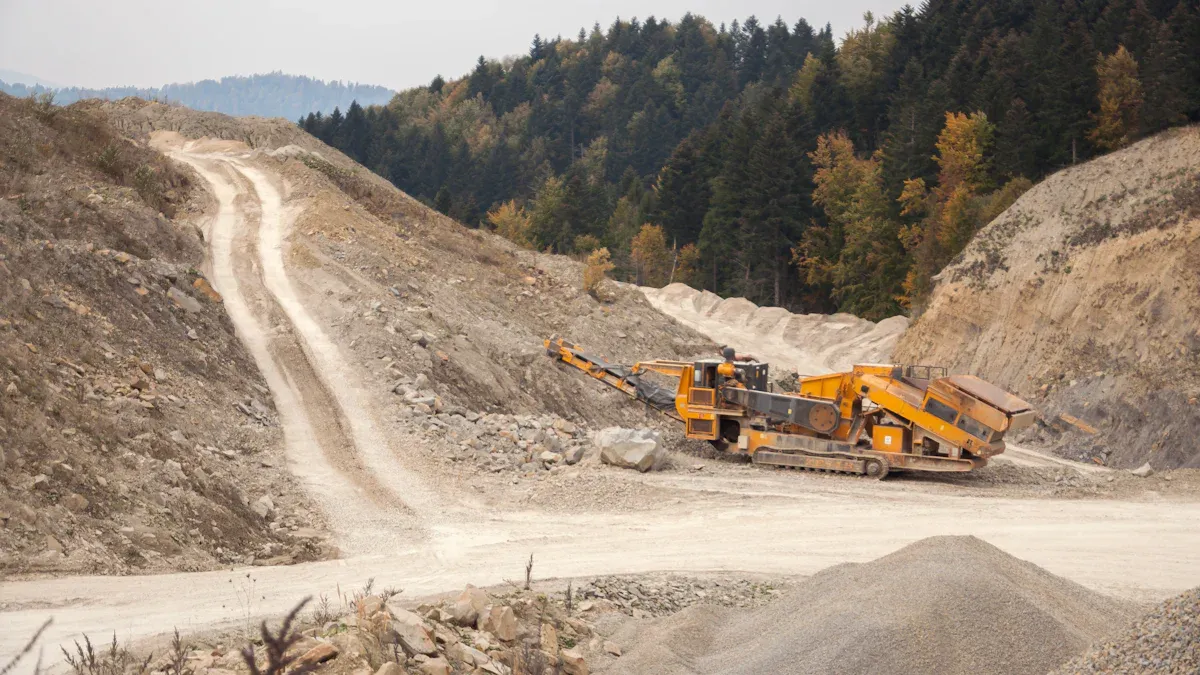
Dumper tracks are used in a wide range of industries. Construction sites rely on them for transporting heavy loads across uneven ground. In agriculture, they’re essential for hauling materials without damaging crops or soil. Landscaping projects benefit from their ability to navigate tight spaces and delicate surfaces. Their versatility extends to mining operations, where they handle heavy payloads and rough terrain with ease.
Market Trends: The demand for dumper tracks continues to grow. According to market data:
| Year | Market Size (Million USD) | CAGR (%) |
|——|————————–|———-|
| 2022 | 3106.80 | N/A |
| 2030 | 5083.30 | 6.35 |
This growth highlights the increasing reliance on dumper tracks for efficiency and performance across industries.
Key Features of Dumper Tracks
Maneuverability and Terrain Adaptability
Dumper tracks excel in navigating challenging terrains. Their tracked design ensures solid traction on unstable surfaces like mud, snow, and sand. This makes them ideal for environments where traditional wheels might struggle. Some models even feature rotating beds, allowing for 360-degree unloading. This enhances maneuverability, especially in tight spaces or confined job sites.
Rubber tracks, in particular, stand out for their adaptability. They distribute weight evenly, reducing ground pressure and preventing damage to delicate surfaces like farmland or landscaped areas. Optional bolt-on teeth can further improve grip, making these tracks versatile for a variety of conditions.
| Feature | Description |
|---|---|
| Tracked Design | Rubber tracks provide solid traction on unstable or uneven terrain. |
| Rotating Beds | Some models allow for 360-degree unloading, enhancing maneuverability in tight spaces. |
| Terrain Adaptability | Rubber tracks enable movement across mud, snow, and sand without damaging the surface. |
| Grip Enhancement | Optional mini bolt-on teeth can be added for improved traction in challenging conditions. |
Payload Capacity and Load Management
Dumper tracks are built to handle heavy loads efficiently. Their payload capacity varies by model, accommodating everything from compact tasks to heavy-duty operations. This flexibility ensures that users can select the right equipment for their specific needs.
Load management is another critical feature. By evenly distributing weight, dumper tracks minimize stress on the ground and the equipment itself. This not only protects the terrain but also extends the lifespan of the machinery. Whether transporting construction materials or agricultural produce, these tracks ensure smooth and stable operation.
Durability and Longevity
Durability is a hallmark of high-quality dumper tracks. They are constructed with advanced materials that resist wear and tear, even in extreme conditions. Enhanced wear resistance reduces surface damage, while improved chemical resistance ensures better performance in harsh environments.
Flexible materials also play a key role. They adapt to uneven terrains without cracking, making dumper tracks reliable for long-term use. For example, our company’s rubber tracks use a unique compound that guarantees exceptional durability. This innovation reduces the need for frequent replacements, saving both time and money.
| Key Innovations | Benefits |
|---|---|
| Enhanced wear resistance | Reduces surface damage |
| Improved chemical resistance | Better performance in extreme environments |
| Flexible materials | Adapts to uneven terrains without cracking |
Operator Comfort and Safety Features
Modern dumper tracks prioritize operator comfort and safety. Features like easy-to-use controls and enclosed cabs create a more comfortable working environment. These additions protect operators from harsh weather and reduce fatigue during long shifts.
Safety is equally important. Dumper tracks often include anti-slip surfaces and stable designs to prevent accidents. Some models even come with advanced braking systems for added control. By combining comfort and safety, these tracks ensure that operators can work efficiently without compromising their well-being.
Tip: Investing in dumper tracks with enhanced safety features not only protects operators but also reduces downtime caused by accidents.
Technological Advancements in Dumper Tracks
Electric and Hybrid Propulsion Systems
Electric and hybrid propulsion systems are transforming the way dumper rubber tracks operate. These systems reduce fuel consumption and carbon emissions, making them a sustainable choice for industries like construction and mining. Hybrid models combine traditional engines with electric motors, offering the best of both worlds—power and efficiency. Electric dumper tracks, on the other hand, rely entirely on battery power, making them ideal for urban areas where noise and pollution are concerns.
The efficiency improvements achieved with these systems are remarkable. For instance, Komatsu’s Elektro Dumper prevents 130 tons of CO2 emissions annually, while Skanska’s electric excavator pilot reduces hourly carbon emissions by 64%. Hybrid models like the Caterpillar D7E dozer move 25% more material per gallon of fuel, showcasing their ability to boost productivity while cutting costs.
| Equipment Type | Efficiency Improvement | Year Introduced |
|---|---|---|
| Hybrid Hydraulic Excavator | 25% reduction in fuel consumption | 2008 |
| Caterpillar D7E Dozer | 25% more material moved per gallon of fuel | 2008 |
| Electric Excavator (Skanska Pilot) | 64% reduction in hourly carbon emissions | 2024 |
| Electric Excavator (Volvo Test) | Similar performance to diesel in urban areas | 2024 |
| Elektro Dumper (Komatsu) | Prevented 130 tons of CO2 discharge annually | 2019 |
| Average 10-tonne Excavator | $6,500/year diesel fuel vs. $3,350/year electric | N/A |
These advancements highlight how electric and hybrid systems are paving the way for a greener and more efficient future in dumper track technology.
Automation and Autonomous Operation
Automation is revolutionizing dumper track operations by enhancing productivity and reducing downtime. Autonomous models use advanced sensors and AI to navigate job sites without human intervention. This technology minimizes errors and ensures consistent performance, even in challenging environments. Operators can focus on higher-level tasks while automated systems handle repetitive ones, streamlining workflows and boosting efficiency.
Innovations in truck design and automation technologies have significantly improved productivity. For example, automated dumper tracks reduce downtime by optimizing fuel efficiency and task execution. These advancements allow industries to complete projects faster while maintaining high standards of safety and precision.
| Evidence Type | Description | Impact on Productivity and Downtime |
|---|---|---|
| Technological Advancements | Innovations in truck design, fuel efficiency, and automation technologies | Improve productivity and reduce downtime |
By adopting automation, industries can achieve higher output levels while reducing operational costs, making it a game-changer for dumper track applications.
IoT Integration for Real-Time Monitoring
IoT integration is taking dumper tracks to the next level by enabling real-time monitoring and data analysis. Sensors installed in dumper tracks collect valuable information, such as load weight, fuel consumption, and terrain conditions. This data is transmitted to cloud-based platforms, where it can be analyzed to optimize performance and predict maintenance needs.
Case studies demonstrate the operational efficiency gains achieved through IoT-enabled monitoring. For instance:
- A Digital Twin framework was used to monitor earthwork operations, showcasing how IoT devices and AI analytics enhance equipment productivity.
- IoT devices installed in dumper trucks allowed for real-time data collection and task assignment through an API.
- Another test scenario analyzed the round trip of a truck, detailing the time spent on loading, hauling, dumping, and returning activities. The algorithm achieved a maximum error of 4.3% in recognizing task durations.
These examples highlight how IoT integration improves decision-making and reduces downtime, ensuring that dumper tracks operate at peak efficiency. With real-time insights, operators can address issues proactively, saving time and resources.
Customization and Versatility
Tailored Designs for Specific Applications
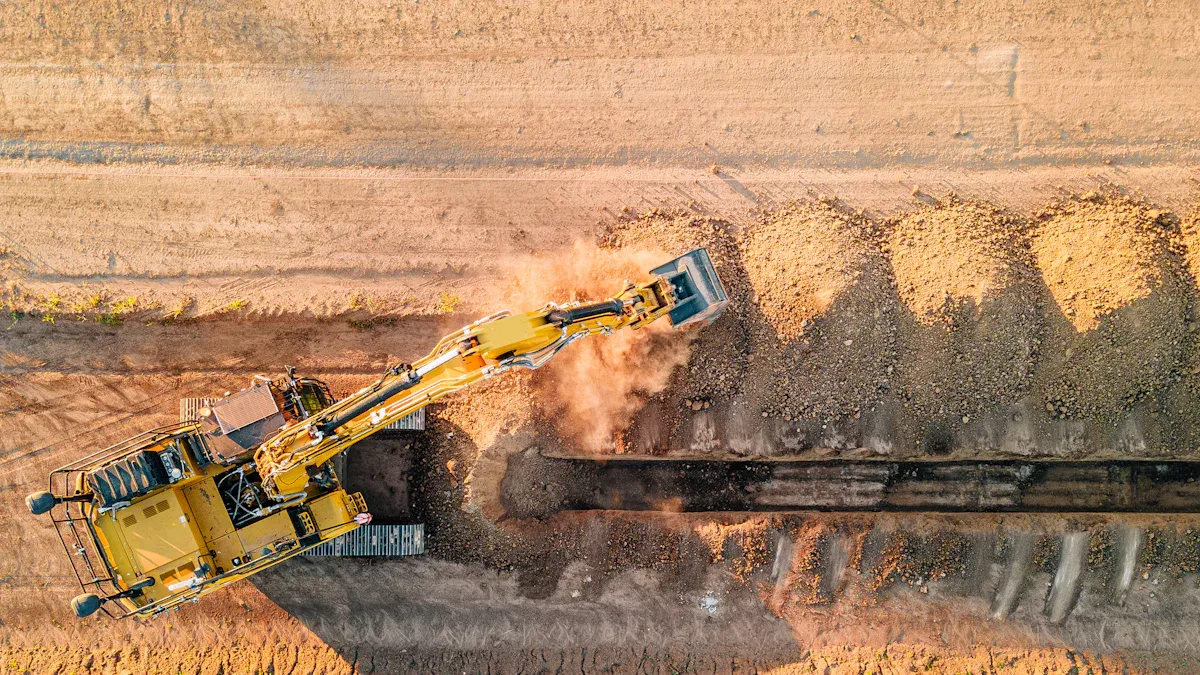
Dumper tracks aren’t one-size-fits-all. Manufacturers design them to meet the unique demands of different industries. For example, construction sites often require tracks that can handle heavy loads and rough terrain. Agricultural applications need tracks that minimize soil disruption while maintaining stability. Landscaping projects benefit from compact designs that navigate tight spaces with ease.
Our company’s dumper rubber track is crafted with these needs in mind. They feature a specialized rubber compound that ensures durability across various environments. Whether it’s muddy farmland or rocky construction sites, these tracks deliver reliable performance. Customers can choose from a range of sizes and configurations to match their specific requirements.
Tip: Selecting tailored tracks for your application boosts efficiency and reduces wear and tear on equipment.
Compatibility with Various Dumper Models
Compatibility is key when choosing dumper tracks. Tracks that fit seamlessly with existing equipment save time and effort during installation. Modern dumper tracks are designed to work with a wide range of dump truck models, ensuring versatility across industries.
Our rubber tracks are highly adaptable. They integrate effortlessly with most dumper models on the market, including popular configurations like 750 mm width, 150 mm pitch, and 66 links. This compatibility guarantees smooth operation and eliminates the hassle of retrofitting.
| Feature | Benefit |
|---|---|
| Universal Compatibility | Fits various dumper models, reducing installation challenges. |
| Popular Size Options | Includes 750 mm width, 150 mm pitch, and 66 links for easy integration. |
Adjustable Features for Enhanced Performance
Adjustable features make dumper tracks even more versatile. Operators can modify track tension, width, or grip to suit specific tasks. These adjustments optimize performance, whether hauling heavy loads or navigating uneven terrain.
Our tracks offer customizable options to meet diverse needs. Bolt-on teeth enhance grip for challenging surfaces, while adjustable tension ensures smooth operation. These features allow users to adapt their equipment to different environments without compromising efficiency.
Note: Investing in adjustable tracks ensures long-term usability and maximizes productivity across projects.
Practical Benefits of Dumper Tracks
Efficiency in Construction and Landscaping
Dumper tracks make construction and landscaping projects faster and easier. Their ability to handle uneven terrain and heavy loads boosts productivity on job sites. For example, construction workers can transport materials across muddy or rocky surfaces without delays. Landscapers benefit from the tracks’ precision when navigating tight spaces or delicate areas.
The growing demand for dumper tracks reflects their efficiency.
- The global track dumper market was valued at approximately USD 545 million in 2022.
- It is projected to reach around USD 901 million by 2030, with a compound annual growth rate (CAGR) of about 6.5%.
- Rising construction activities worldwide drive this demand, as site dumpers improve workflow and save time.
These features make dumper tracks indispensable for industries that prioritize speed and accuracy.
Cost Savings Through Advanced Features
Modern rubber track dumper reduces costs in several ways. Their durable construction minimizes the need for frequent replacements, saving money on maintenance. Tracks that distribute weight evenly also protect the terrain, reducing expenses related to site restoration.
Advanced features like adjustable tension and bolt-on teeth further enhance efficiency. Operators can customize their equipment to match specific tasks, avoiding unnecessary wear and tear. By investing in high-quality dumper tracks, businesses can lower operational costs while maintaining top-notch performance.
Environmental Benefits of Modern Dumper Tracks
Eco-friendly innovations in dumper tracks contribute to a greener future. Manufacturers now use recycled rubber in track production, reducing waste and conserving resources. Some tracks are made with biodegradable compounds, making disposal easier and less harmful to the environment.
Energy-efficient manufacturing processes also play a role. By cutting energy consumption, companies lower their carbon footprint during production. These advancements align with global efforts to promote sustainability, proving that dumper tracks can be both practical and environmentally responsible.
Tip: Choosing eco-friendly dumper tracks supports sustainability goals while maintaining high performance.
Dumper tracks stand out for their adaptability, innovative technology, and practical benefits across industries. Key features include:
- Maneuverability for tight spaces.
- Transmission options for varied terrains.
- Carrying capacity tailored to business needs.
Choosing the right track ensures efficiency and durability.
Post time: Jun-10-2025