

Durable rubber track pads play a vital role in enhancing excavator efficiency. These pads improve traction on various surfaces, allowing excavators to operate smoothly even in challenging conditions. They also extend the lifespan of machinery, reducing the need for frequent replacements. Additionally, the installation process is straightforward, making it easy for operators to equip their excavators with these essential accessories.
Key Takeaways
- Durable rubber track pads enhance excavator efficiency by improving traction on various surfaces, leading to better stability and safety during operation.
- These pads are designed for longevity, reducing maintenance costs and the frequency of replacements, which ultimately saves money for operators.
- Installation and maintenance of rubber track pads are straightforward, allowing operators to easily equip their excavators and ensure optimal performance.
Types of Durable Rubber Track Pads

Excavators utilize various types of durable rubber track pads, each designed for specific applications and conditions. Understanding these types helps operators choose the right pad for their needs.
- Clip-On Track Pads: These pads attach quickly to steel tracks. They are ideal for temporary use and frequent surface changes. Operators can easily switch them out as needed, making them versatile for different job sites.
- Bolt-On Track Pads: These pads secure firmly with bolts, ensuring durability for consistent use. They provide excellent protection for surfaces, making them suitable for long-term projects.
- Chain-On Track Pads: Integrated directly into the track chain, these pads are designed for heavy-duty applications. They offer high stability and are perfect for rugged terrains where maximum grip is essential.
Recent advancements in rubber track pad technology have led to several improvements. For instance, manufacturers now develop specialized rubber compounds that enhance resistance to abrasion, cuts, and punctures. This innovation increases the longevity of the pads. Additionally, quick-attachment systems minimize downtime for operators, allowing for efficient project management.
The demand for durable rubber track pads continues to grow, driven by the trend towards larger excavators and sustainable construction practices. These pads help reduce ground pressure, making them an eco-friendly choice for modern construction projects.
Manufacturing Process of Durable Rubber Track Pads
The manufacturing process of durable rubber track pads involves several key steps. Each step ensures that the final product meets the high standards required for performance and durability. Here is an overview of the main stages involved:
- Material Compounding: Manufacturers begin by combining natural or synthetic rubber with carbon black, sulfur, and anti-aging agents. This mixture occurs in multi-shaft mixers, which ensure a uniform blend. The quality of the materials used directly impacts the performance of the durable rubber track pads.
- Calendering: After compounding, the rubber mixture undergoes calendering. This process involves pressing the compound into sheets of precise thickness using heated rollers. The thickness of these sheets is crucial, as it affects the pad’s overall strength and flexibility.
- Component Assembly: Next, manufacturers wrap the components into cylindrical forms. They apply inner liner rubber and reinforcement layers during this stage. This assembly process enhances the structural integrity of the track pads, making them suitable for various applications.
- Vulcanization: The final step is vulcanization. In this stage, the assembled pads cure in molds. This process cross-links the polymers, creating a cohesive unit that provides the necessary durability and performance. Vulcanization is essential for ensuring that the pads can withstand the rigors of excavation work.
The materials used in manufacturing also play a significant role. Polyurethane is a primary material for durable rubber track pads, known for its strength and resilience. Additionally, reinforced, cut-resistant rubber is often utilized for temporary or short-term use on varied surfaces. This combination of materials contributes to the longevity and effectiveness of the pads.
Overall, the careful attention to detail in each step of the manufacturing process results in high-quality durable rubber track pads. These pads not only enhance the efficiency of excavators but also protect the underlying surfaces from damage.
Benefits of Durable Rubber Track Pads
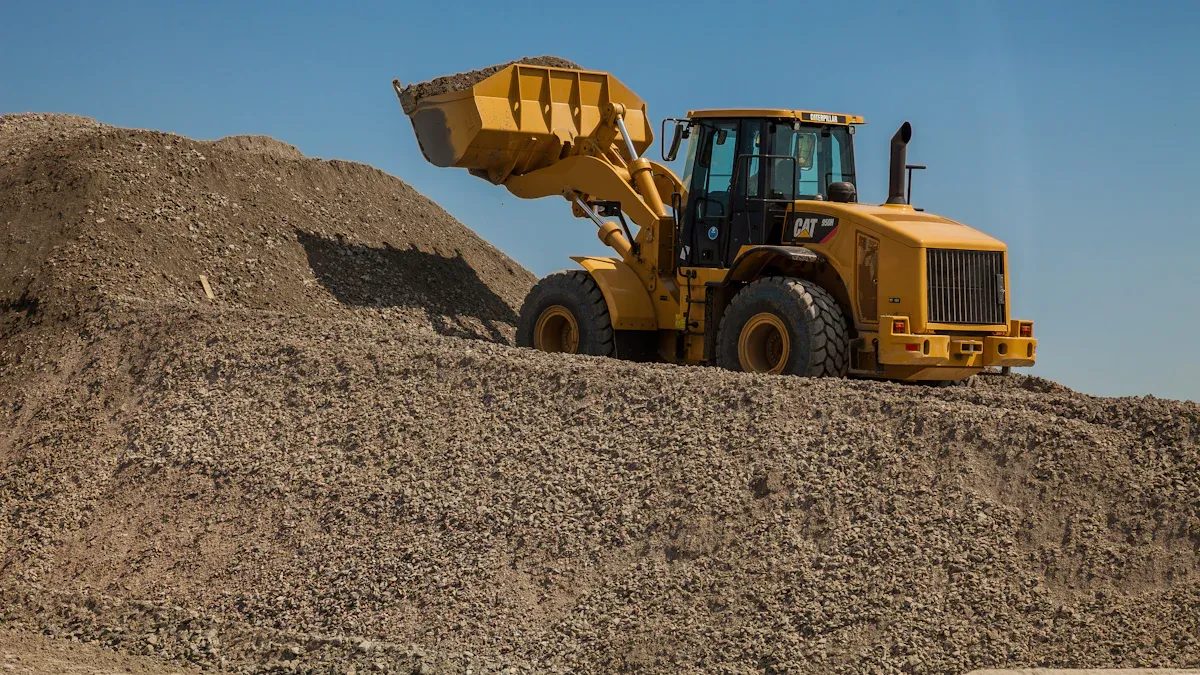
Durable rubber track pads offer several significant benefits that enhance the efficiency of excavators. These advantages include improved traction, increased durability, and reduced noise levels, all of which contribute to better operational performance.
Enhanced Traction
One of the primary benefits of durable rubber track pads is their ability to provide enhanced traction. These pads are engineered to deliver excellent grip on various surfaces, including asphalt and loose gravel. The rubber material offers a better grip compared to traditional steel tracks, minimizing the risk of slipping. This improved traction leads to increased stability and safety during operation, especially in challenging conditions.
- Rubber track pads ensure that heavy machinery remains stable and efficient across different terrains.
- They perform better on softer ground, showcasing their flexibility and adaptability.
- The larger surface area of the pads increases contact with the ground, allowing for better control on slippery or uneven surfaces.
Increased Durability
Durability is another critical advantage of durable rubber track pads. These pads are constructed from high-quality materials designed to withstand the rigors of heavy-duty usage. The vulcanized rubber bonded to a robust internal metal core allows them to endure harsh conditions without significant wear and tear.
| Benefit | Description |
|---|---|
| Extended Equipment Lifespan | By cushioning impacts, they reduce wear and tear, lowering maintenance costs and improving ROI. |
| Abrasion Resistance | Rubber pads are designed to be abrasion-resistant and anti-chunking, ensuring they maintain durability. |
This construction is essential for their longevity, especially when utilized on heavy equipment. Contractors often report significant cost savings due to the reduced frequency of replacements.
Noise Reduction
Noise reduction is a vital benefit of durable rubber track pads. The rubber material’s shock-absorbing properties lead to reduced vibrations in the operator’s cabin, resulting in a smoother ride. This reduction in vibrations decreases operator fatigue, enhancing concentration and productivity.
- Quieter operation facilitates better communication on noisy job sites, contributing to overall worksite safety.
- Operators experience improved comfort due to the quieter and smoother operation, which can lead to better productivity.
Installation and Maintenance of Durable Rubber Track Pads
Installing durable rubber track pads correctly is essential for optimal performance. Operators should follow these steps for proper installation:
- Position the Excavator: Move the excavator to a safe, stable position on a flat surface. Engage the parking brake and turn off the engine.
- Attach the First Track Pad: Align the rubber pad with the excavator rubber track shoes. Secure it using the provided clips or fasteners, and tighten the fasteners to the recommended torque.
- Repeat the Process: Move to the next section of the track and repeat the alignment and fastening process, ensuring consistent spacing and alignment of all pads.
- Final Check: Inspect all pads to ensure they are securely fastened. Test the excavator by moving it slowly to check for proper installation.
Maintaining durable rubber track pads is equally important for maximizing their lifespan. Operators should implement the following maintenance practices:
- Conduct daily visual inspections to identify wear such as cuts, cracks, and debris buildup.
- Clean tracks after each use to prevent mud and dirt accumulation.
- Maintain correct track tension according to manufacturer specifications.
- Avoid sharp turns and heavy loads on abrasive surfaces.
- Store equipment indoors or under shelter to protect from environmental damage.
- Regularly inspect and maintain undercarriage components like sprockets and rollers.
- Replace tracks when significant wear or damage is observed.
Operators may encounter challenges during installation. Common issues include contamination from chemicals and uneven surfaces. To address these, operators should clean the pads with water and ensure the installation area is free of sharp protrusions. By following these guidelines, operators can ensure the durability and efficiency of their rubber track pads.
Real-World Applications of Durable Rubber Track Pads
Durable rubber track pads find applications across various industries, each benefiting from their unique properties. These pads enhance performance, protect surfaces, and reduce noise in multiple settings.
- Construction: In the construction industry, durable rubber track pads are essential for excavators and compactors. They protect sensitive surfaces from damage while improving machinery performance on diverse job sites. Construction companies increasingly adopt these pads to lower operational costs and enhance efficiency.
- Agriculture: Farmers utilize durable rubber track pads to improve equipment mobility. These pads facilitate efficient soil management and crop harvesting. They allow heavy machinery to navigate fields without causing soil compaction, which is crucial for maintaining healthy crops.
- Landscaping: In landscaping, durable rubber track pads provide necessary traction for heavy machinery. They minimize the risk of damaging delicate terrains, making them ideal for sensitive areas. Landscapers appreciate how these pads enhance equipment performance while protecting the environment.
The feedback from construction companies highlights the effectiveness of durable rubber track pads in field applications. Many report improved machinery performance and reduced maintenance costs, showcasing the value these pads bring to various industries.
| Industry | Benefits | Specific Applications |
|---|---|---|
| Construction | Protects surfaces, reduces noise, enhances performance | Used in excavators and compactors |
| Agriculture | Improves mobility, efficient soil management, crop harvesting | Enhances equipment movement |
| Landscaping | Provides traction, reduces risk of damaging delicate terrains | Ideal for heavy machinery in sensitive areas |
Overall, durable rubber track pads serve as a vital component in enhancing operational efficiency across multiple sectors.
Selecting durable rubber track pads is crucial for maximizing excavator efficiency. These pads protect surfaces from damage, making them ideal for urban environments. They also reduce machine noise, which is important in residential areas. Enhanced traction improves control and stability, leading to reduced fuel consumption. Overall, durable rubber track pads significantly lower maintenance needs and replacement costs, ensuring optimal performance.
FAQ
What are durable rubber track pads made of?
Durable rubber track pads consist of high-quality rubber compounds, often reinforced with materials like polyurethane for enhanced strength and longevity.
How do rubber track pads improve excavator performance?
Rubber track pads enhance excavator performance by providing better traction, reducing noise, and protecting surfaces from damage during operation.
Can I install rubber track pads myself?
Yes, operators can install rubber track pads themselves. The process is straightforward and requires basic tools for secure attachment.

Post time: Sep-16-2025