
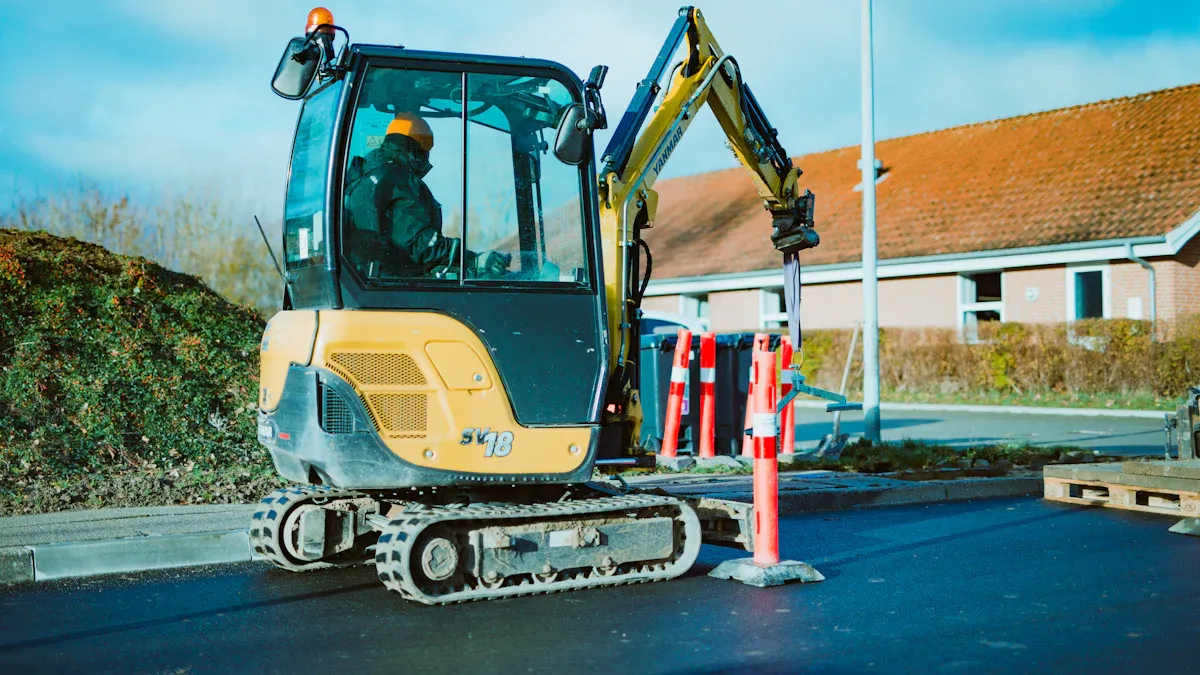
Rubber Tracks for Mini Diggers transform job performance. They boost traction and stability, letting operators move confidently on different terrains. The advanced rubber track system reduces ground damage and noise. Many professionals choose these tracks to save money, work efficiently, and enjoy a smoother ride in every project.
Key Takeaways
- Rubber tracks improve traction and stability, letting mini diggers work safely on soft, wet, or uneven ground while protecting surfaces from damage.
- Using rubber tracks lowers maintenance costs and reduces noise and vibration, making work easier and more comfortable for operators.
- Rubber tracks adapt to many job sites and weather conditions, helping mini diggers work faster and in more places with less downtime.
Key Benefits of Rubber Tracks for Mini Diggers
Enhanced Traction and Stability
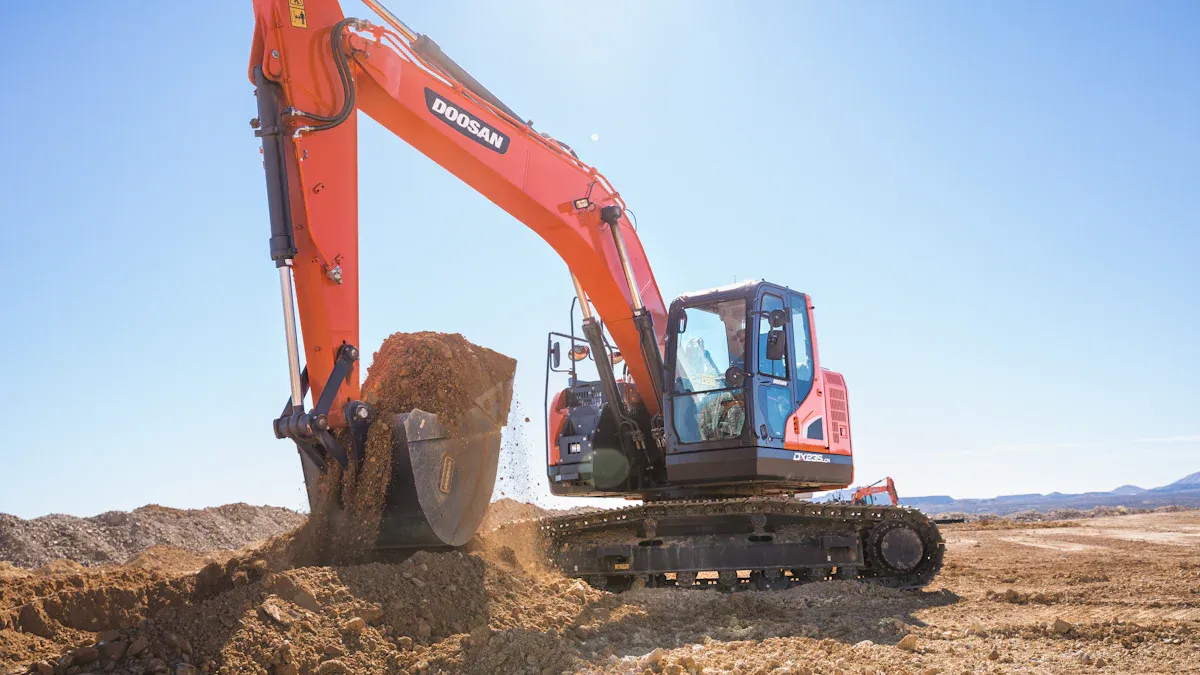
Rubber Tracks for Mini Diggers deliver outstanding traction and stability on many types of terrain. These tracks have a wide footprint that spreads the machine’s weight, helping it stay balanced even on soft, wet, or uneven ground. Operators notice that tracked machines can move where wheeled machines struggle, such as on muddy job sites or steep slopes.
Tip: The large ground contact area of rubber tracks allows mini diggers to push effectively and maintain stability, even on slippery surfaces.
- Rubber tracks provide superior flotation and grip on soft or wet ground.
- Tracked machines have higher tipping capacities than wheeled machines of similar size.
- Features like suspended undercarriages keep more track in contact with the ground, boosting performance on slopes and rough terrain.
Reduced Ground Damage
Rubber Tracks for Mini Excavator protect sensitive surfaces and minimize ground disturbance. These tracks distribute weight evenly, which reduces soil compaction and prevents ruts or scratches that steel tracks often cause.
- Rubber tracks are ideal for manicured lawns, landscaping sites, urban environments, pavements, and other finished or soft grounds.
- They perform well on wet, sandy, or muddy surfaces where both traction and surface protection matter.
- Operators choose rubber tracks for projects where preserving the natural beauty or integrity of the terrain is crucial.
Note: Rubber tracks offer a smooth ride and quieter operation, making them perfect for urban and landscaping projects.
Increased Operator Comfort
Operators experience greater comfort when using mini diggers with rubber tracks. These tracks produce less noise and vibration than steel tracks, which means a quieter and smoother ride.
- Rubber-tracked mini diggers create significantly lower noise and vibration levels.
- The reduced vibration helps protect both the operator and the machine, leading to longer service life.
- Quieter operation makes rubber tracks suitable for residential areas, hospitals, and other noise-sensitive environments.
Callout: Less vibration means less fatigue for the operator during long workdays.
Improved Efficiency and Productivity
Rubber Tracks for Mini Diggers help operators finish jobs faster and with fewer delays. The improved stability, maneuverability, and traction allow machines to work efficiently in more places.
- Rubber tracks minimize downtime and maintenance needs due to their wear resistance and ease of installation.
- They protect sensitive surfaces, reduce noise, and adapt well to urban and soft ground environments.
- Operators spend more time working and less time repairing or moving equipment.
Choosing the right tracks leads to faster project completion and cost savings by reducing downtime and repair frequency.
Cost Savings and Versatility with Rubber Tracks for Mini Diggers
Lower Maintenance and Repair Costs
Rubber tracks help owners save money on routine maintenance. They require only basic cleaning and tension checks, while steel tracks need regular lubrication and rust prevention. Operators can avoid many costly repairs by following simple care steps, such as removing debris and checking for damage. The following table compares the maintenance needs and costs of rubber tracks and steel tracks:
| Aspect | Rubber Tracks | Steel Tracks |
|---|---|---|
| Durability | Wears out faster on abrasive surfaces | Highly durable, better for harsh environments |
| Maintenance Frequency | Minimal (cleaning, avoid harsh chemicals) | Regular lubrication, rust prevention, inspections |
| Replacement Frequency | Higher | Lower |
| Maintenance Costs | Lower routine costs | Higher due to more frequent servicing |
| Initial Cost | Lower | Higher |
| Operational Impact | Less vibration and noise | More vibration and noise |
| Suitability | Urban or landscaped areas | Abrasive or heavy-duty environments |
Operators who choose rubber tracks enjoy lower upfront costs and less time spent on maintenance. They also benefit from quieter operation and reduced wear on machine components.
Rubber tracks do not require complex repairs. When damage occurs, replacement is the safest option. DIY fixes often fail and can cause further problems, such as moisture entering the track and damaging the steel cords. This approach keeps the machine running safely and reduces downtime.
Extended Machine Lifespan
Rubber tracks protect the mini digger’s undercarriage and major components. They absorb vibration and spread the machine’s weight, which reduces stress on parts like the frame, hydraulic system, and drive motors. This protection helps extend the life of the equipment.
- Rubber tracks typically last between 2,500 and 3,000 operating hours with proper care.
- Regular cleaning, tension adjustments, and inspections prevent premature wear.
- Operators who follow maintenance guidelines see fewer breakdowns and less frequent replacement of expensive parts.
Proper care of rubber tracks leads to fewer repairs and longer service life for the entire machine.
Owners should avoid harsh terrain and sharp debris to maximize track life. They should also store machines out of direct sunlight and inspect tracks for cuts or cracks. These simple habits keep the mini digger in top condition and reduce the need for costly repairs.
Adaptability to Different Job Sites and Conditions
Rubber tracks allow mini diggers to work in more places than ever before. Their flexible design and low ground pressure make them ideal for sensitive surfaces, such as lawns, paved areas, and urban job sites. Operators can move confidently across mud, sand, gravel, and even snow.
The following table shows how different tread patterns perform in various conditions:
| Tread Pattern | Ideal Conditions | Performance Characteristics |
|---|---|---|
| TDF Super | Snow, wet surfaces | Reliable traction in snow and wet weather |
| Zig Zag Pattern | Muddy conditions | Extra grip in mud; not for dry, rocky terrain |
| Terrapin Pattern | Rocks, gravel, lawns, mud | Smooth ride, strong traction, versatile |
| C Pattern | General use | Consistent performance in many conditions |
| Block Pattern | General use | Efficient, suitable for various terrains |
Rubber tracks also help mini diggers fit into tight spaces. Retractable designs let machines pass through gates and doorways, making them perfect for confined job sites. The special rubber compounds resist cuts and tears, so the tracks last longer even on rough ground.
Operators who use rubber tracks can take on more projects, work in more locations, and finish jobs faster.
Rubber Tracks for Mini Diggers offer a smart solution for anyone who wants to lower costs, protect their investment, and expand their business opportunities.
Rubber Tracks for Mini Diggers deliver real advantages on every job site. Operators report better traction, less surface damage, and quieter operation.
- These tracks help save money by reducing downtime and maintenance costs.
- Upgrading increases productivity and lets mini diggers tackle more types of projects with ease.
FAQ
How do rubber tracks improve safety on job sites?
Rubber tracks give operators better traction and stability. They reduce slips and accidents. Safer movement means fewer injuries and smoother project completion.
What maintenance do rubber tracks require?
- Operators clean tracks after use.
- They inspect for cuts or cracks.
- Regular tension checks keep tracks working longer.
Can rubber tracks handle different weather conditions?
| Condition | Performance |
|---|---|
| Mud | Excellent grip |
| Snow | Reliable traction |
| Wet surfaces | Smooth movement |
Rubber tracks adapt to many environments. Operators work confidently in rain, snow, or mud.

Post time: Aug-12-2025