
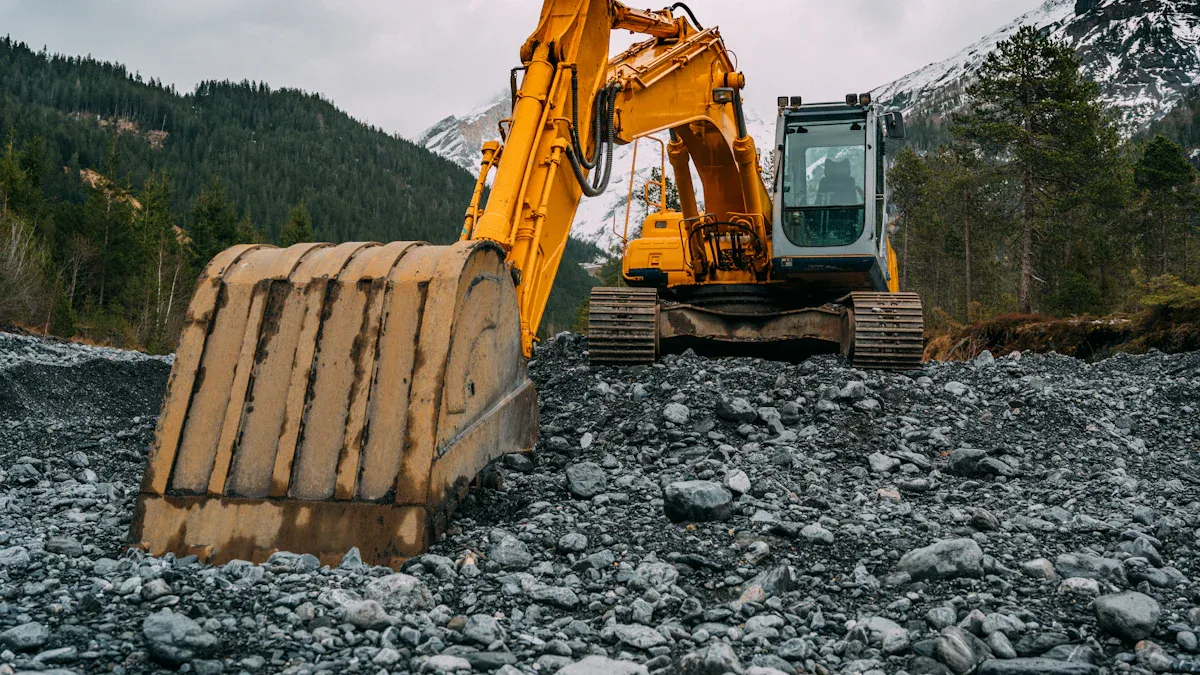
Excavator Rubber Tracks greatly improve operator comfort in excavators. They provide a smooth ride, significantly reduce vibrations, and help minimize fatigue during extended work hours. Unlike steel tracks, which can cause discomfort, Excavator Rubber Tracks glide across soft ground, ensuring a quieter and more pleasant operating experience.
| Benefit | Excavator Rubber Tracks | Steel Tracks |
|---|---|---|
| Performance on Soft Ground | Glide across grass and dirt | Tear up turf and sod |
| Noise Level | Absorb more noise, quieter operation | Louder operation |
| Speed of Movement | Reduced vibration allows faster driving | Slower due to vibrations |
| Operator Comfort | More comfortable, less fatigue | Less comfortable, more fatigue |
Key Takeaways
- Rubber tracks significantly reduce vibrations, leading to a smoother ride and less operator fatigue during long shifts.
- They enhance stability on uneven terrain, allowing operators to navigate challenging landscapes with greater confidence.
- Rubber tracks lower noise levels, improving communication on job sites and creating a healthier work environment.
Reduced Vibration
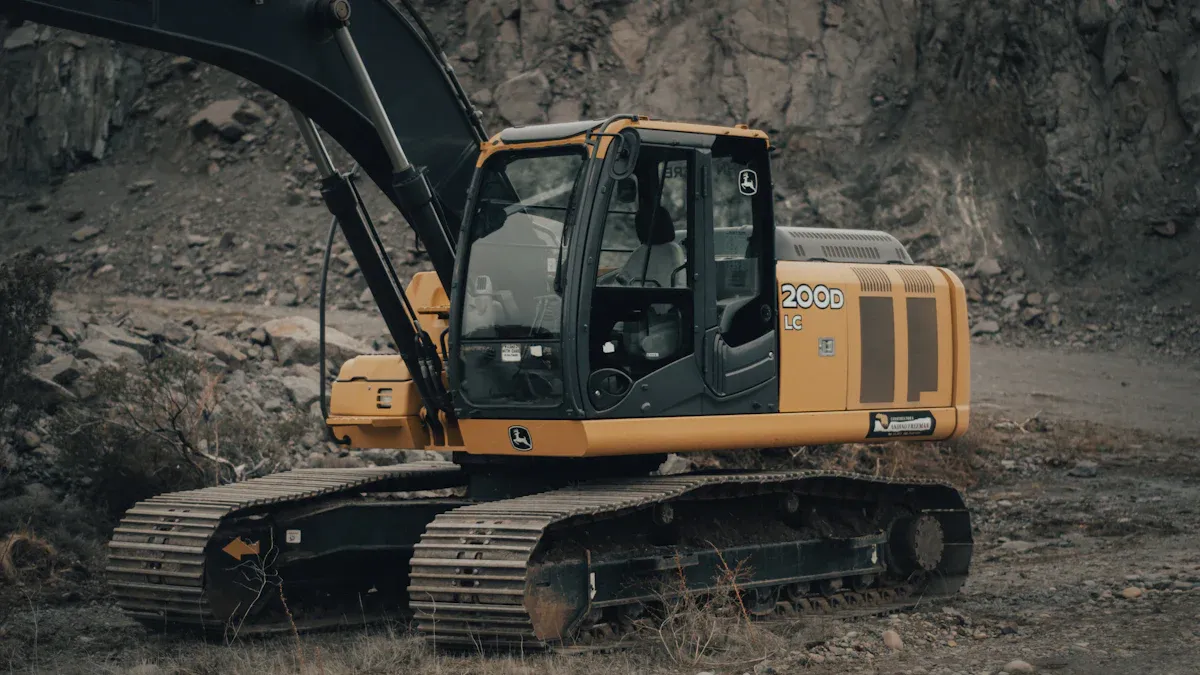
Rubber tracks play a crucial role in minimizing vibrations experienced by excavator operators. Unlike traditional steel tracks, which transmit harsh vibrations, rubber tracks absorb shocks effectively. This absorption leads to a smoother ride, allowing operators to focus on their tasks without the distraction of excessive bouncing or jolting.
Research shows that rubber tracks significantly reduce vibration levels compared to steel tracks. Laboratory tests indicate a reduction in vertical acceleration by over 60%. Operators using rubber tracks report less fatigue and enjoy a more comfortable experience. The unique construction of these tracks, made from a blend of natural and synthetic rubber compounds, enhances flexibility and shock absorption. This design is essential for reducing vibrations, improving operator comfort, and increasing equipment efficiency.
Tip: Operators should be aware that prolonged exposure to vibrations can lead to serious health issues, including musculoskeletal disorders and fatigue. Rubber tracks help mitigate these risks by providing better shock absorption, reducing the transmission of vibrations to the operator.
In addition to comfort, reduced vibrations contribute to a safer working environment. A quieter operation is vital, especially in urban settings where noise regulations are strict. Rubber tracks create a quieter working environment, crucial for construction projects in residential areas. They absorb more noise, making them ideal for sensitive environments.
Furthermore, independent testing has shown that some rubber tracks can reduce vibration experienced by both the machine and the operator by an impressive 38%. This reduction enhances overall productivity and operator satisfaction. With less strain on the operator’s body, they can work longer hours without discomfort.
Improved Stability
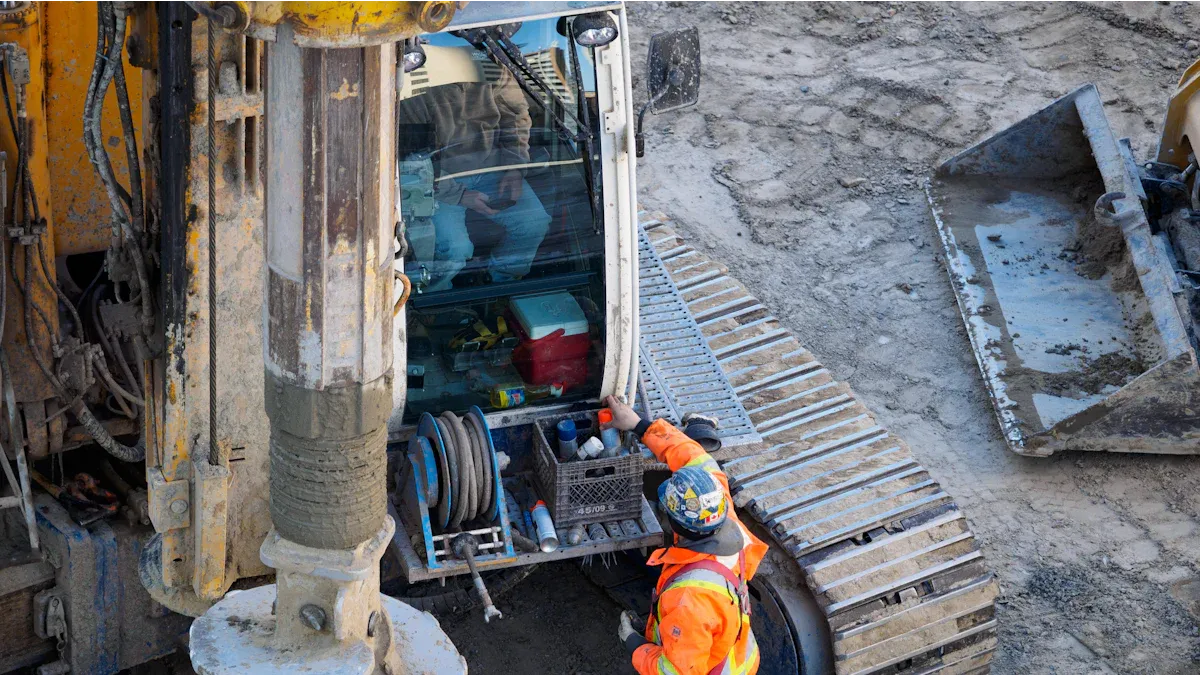
Rubber tracks significantly enhance the stability of excavators, especially when operating on uneven terrain. Unlike steel tracks, which provide a rigid structure, rubber tracks offer flexibility that helps maintain balance. This flexibility lowers the center of gravity, reducing the risk of tipping on slopes. Operators can navigate challenging landscapes with greater confidence.
Key Features Contributing to Stability
- Track Width: Wider tracks distribute weight evenly, preventing balance issues on uneven ground.
- Weight Distribution: Rubber tracks spread the machine’s weight across a larger surface area, enhancing stability.
- Ground Pressure: The design of rubber tracks minimizes ground pressure, which is crucial for safely handling heavy loads.
| Design Element | Explanation |
|---|---|
| Track Width | Wider tracks improve load-bearing capacity by distributing weight evenly. |
| Weight Distribution | Tracks distribute the machine’s weight evenly across a larger surface area. |
| Ground Pressure | The design and width of the tracks contribute significantly to stability. |
While steel tracks excel in stability due to their stiffness and weight, they can be less forgiving on uneven surfaces. Steel tracks provide excellent traction on rocky terrain and steep slopes. However, they may not perform as well in softer conditions. Rubber tracks, on the other hand, offer adequate traction while minimizing slippage, which is essential for maintaining control on uneven surfaces.
Tip: Operators should consider the type of terrain they will encounter. Rubber tracks are ideal for softer ground, while steel tracks may be better suited for rugged environments.
In comparative studies, operators have reported differences in stability between rubber and steel tracks. Steel tracks tend to enhance stability, especially in muddy or uneven terrain. They provide unmatched performance in challenging conditions. However, rubber tracks offer a smoother ride, which can lead to less operator fatigue and improved focus on the task at hand.
The improved stability from rubber tracks contributes to operator safety and comfort. The flexibility of these tracks minimizes vibrations, allowing operators to concentrate better. A quieter operation also prevents irritation for both the operator and co-workers, creating a more pleasant working environment.
Enhanced Traction
Rubber tracks significantly enhance traction for excavators, especially on soft and uneven surfaces. Their flexible design allows operators to navigate challenging terrains with ease. Unlike steel tracks, which excel in rocky conditions, rubber tracks provide superior grip on mud, gravel, and even snow. This capability is crucial for maintaining control and stability during operations.
Key factors that influence traction performance include:
- Track Width and Length: These dimensions directly affect stability and traction. Wider and longer tracks distribute weight evenly, enhancing grip.
- Coefficient of Traction: This metric varies based on surface type and condition. Operators must consider these factors for optimal performance.
- Track Sag: Proper sag ensures better contact with the ground, improving traction.
| Surface Type | Rubber Tracks Performance | Steel Tracks Performance |
|---|---|---|
| Soft Soil | Excellent grip | Moderate grip |
| Mud | High traction | Good traction |
| Gravel | Effective maneuverability | Less effective |
| Snow | Superior grip | Limited effectiveness |
The broader surface area of rubber tracks helps distribute the machine’s weight evenly. This feature enhances stability during operations, allowing for tight turns and smooth navigation. Operators report that this improved traction leads to better control, especially in tricky conditions.
Tip: Regularly monitor the condition of rubber tracks. This practice ensures optimal traction and performance, especially in challenging environments.
In field tests, rubber tracks have shown excellent performance on soft soils and mixed terrains. They provide a smoother ride, which reduces operator fatigue. In contrast, steel tracks perform better on rocky or uneven surfaces due to their aggressive design. However, for most applications, the enhanced traction from rubber tracks makes them a preferred choice for excavator operators.
Noise Reduction
Rubber tracks significantly reduce noise levels during excavator operation, enhancing overall comfort for operators. The main sources of noise in excavator operations include:
- Engine: Produces significant sound due to fuel combustion.
- Hydraulic system: Generates noise from hydraulic fluid flow and the operation of pumps and valves.
- Interaction with the ground: Contact between tracks and the surface contributes to noise.
Rubber tracks help mitigate these noise sources by:
- Providing better traction.
- Absorbing more shock, leading to less noise on hard surfaces.
The quieter operation of rubber tracks allows for better communication on the job site. Operators can easily converse with team members without raising their voices. This improved communication reduces operator stress during long work hours, creating a more efficient working environment.
Occupational health guidelines recommend acceptable noise levels for excavator operators. The following table outlines these standards:
| Duration per day, hours | Sound Level dBA slow response |
|---|---|
| 8 | 90 |
| 6 | 92 |
| 4 | 95 |
| 3 | 97 |
| 2 | 100 |
| 1 1/2 | 102 |
| 1 | 105 |
| 1/2 | 110 |
| 1/4 or less | 115 |
By reducing noise levels, rubber tracks help operators stay within these guidelines, promoting a healthier work environment. Overall, the noise reduction provided by rubber tracks not only enhances comfort but also contributes to better performance and safety on the job site.
Overall Operator Fatigue
Rubber tracks play a vital role in reducing overall operator fatigue during long shifts. Their design minimizes vibrations and ground-borne noise, which significantly enhances comfort. Operators experience less physical strain, allowing them to maintain focus and productivity throughout the day.
- Rubber tracks provide a smoother and quieter ride.
- This reduction in vibrations leads to less fatigue.
- Operators report feeling more alert and engaged during extended hours.
Studies show that operators notice a marked decrease in vibration and noise when using rubber tracks. This improvement allows them to concentrate better on their tasks. As a result, they can work longer without feeling exhausted.
Additionally, various physiological measures assess operator fatigue. These include heart rate variability, electrical brain activity, and eye movements. Research indicates that mental fatigue can impair hazard detection abilities. Operators using rubber tracks report fewer distractions, leading to improved safety on the job site.
Tip: Regular breaks and proper hydration also contribute to reducing fatigue. However, the comfort provided by rubber tracks is a significant factor in enhancing overall operator well-being.
Rubber tracks are essential for enhancing comfort for excavator operators. They lead to improved performance, reduced fatigue, and a safer working environment. Operators experience benefits such as reduced slippage, improved digging stability, and minimized downtime.
| Benefit | Contribution to Safety |
|---|---|
| Improved Traction | Leads to better stability and control, reducing accident risk. |
| Increased Durability | Enhances the longevity of equipment, minimizing breakdowns. |
| Noise Reduction | Reduces operator fatigue and improves communication on site. |
The growing trend towards using Excavator Rubber Tracks reflects their versatility and efficiency across various sectors. Operators should consider these tracks for a more comfortable and productive work experience.
FAQ
What are the main benefits of rubber tracks for excavators?
Rubber tracks provide a smoother ride, reduce vibrations, enhance traction, and minimize noise, leading to improved operator comfort and productivity.
How do rubber tracks affect operator safety?
Rubber tracks improve stability and traction, reducing the risk of accidents and allowing operators to focus better on their tasks.
Can rubber tracks be used on all terrains?
Rubber tracks excel on soft and uneven surfaces but may not perform as well on extremely rugged or rocky terrains. Always assess the job site conditions.

Post time: Sep-23-2025