
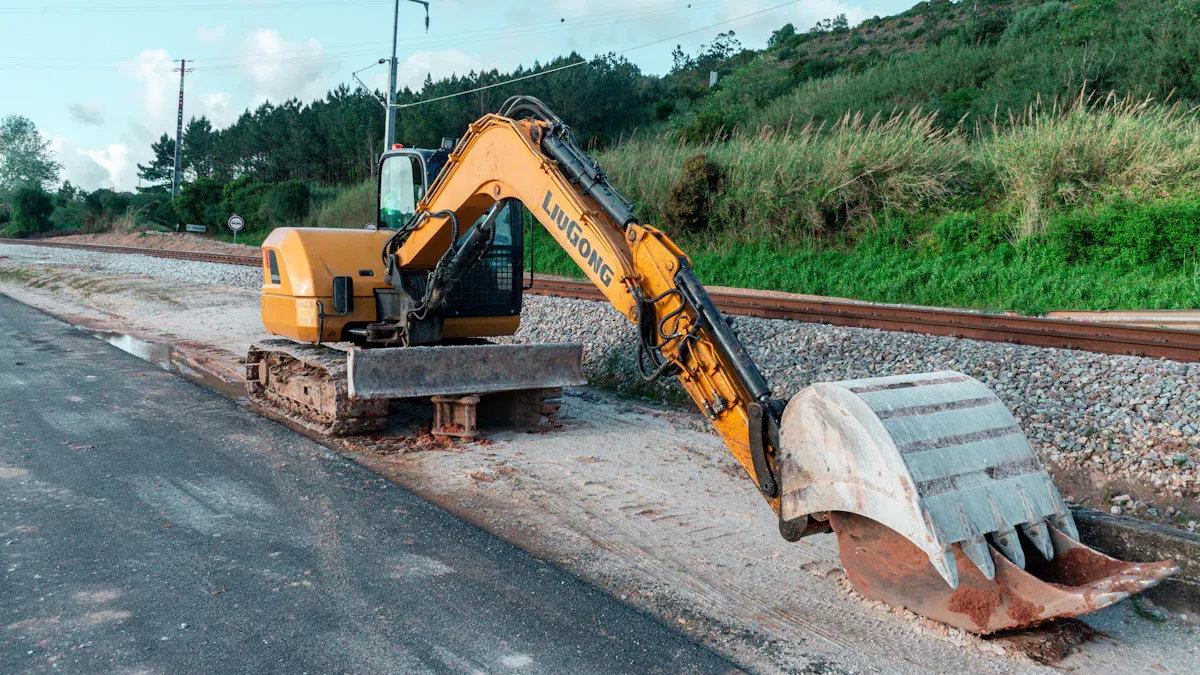
Rubber tracks play a vital role in heavy machinery performance. Choosing the right tracks improves stability, traction, and machine longevity. Industry studies show that high-quality materials and proper track design help prevent early failure. Operators also notice smoother rides and less downtime when using tracks made for their specific working environment.
Key Takeaways
- Choose rubber tracks that match your machine’s make, model, and size to ensure safety, better performance, and longer life.
- Select tread patterns based on your work environment to improve traction, reduce wear, and provide a smoother ride.
- Invest in premium quality tracks and maintain them regularly to extend their lifespan, reduce downtime, and save money over time.
Matching Rubber Tracks to Your Machine and Application
Identify Your Machine’s Make and Model
Every machine has unique requirements for rubber tracks. Manufacturers design original equipment manufacturer (OEM) tracks to fit specific makes and models. For example, users of Kubota and Cat machines often report that OEM tracks, such as Bridgestone, last longer and perform better than many aftermarket options. OEM tracks also come with warranty support and are tailored for the machine’s weight, power, and intended use. Operators should always check the machine’s manual or consult with a dealer to confirm the recommended track type.
Tip: Using OEM rubber tracks can help maximize durability and ensure warranty coverage.
Determine the Correct Rubber Track Size
Selecting the right size is essential for safety and performance. The width of the track affects ground pressure and traction. Wider tracks lower ground pressure, making them ideal for soft surfaces like mud or sand. Narrower tracks increase ground pressure, which improves grip on hard or rocky terrain. The correct size ensures the machine operates efficiently and reduces the risk of premature wear.
How to Measure for Track Size
Accurate measurement is key when replacing rubber tracks. Operators should follow these steps:
- Measure the width of the old track in millimeters using a tape measure or ruler.
- Measure the pitch, which is the distance between the centers of two adjacent drive lugs, also in millimeters.
- Count the total number of drive lugs (links) around the track’s inner circumference.
- Use the formula: Width x Pitch x Links (e.g., 320x86x52).
Note: Always double-check measurements and consult manufacturer guidelines to ensure compatibility.
Choosing the Right Tread Pattern for Your Work Environment
The tread pattern of rubber tracks affects traction, ride comfort, and wear. Different environments require different tread designs. The table below summarizes the best tread patterns for various terrains:
| Terrain Type | Recommended Tread Patterns | Features and Suitability |
|---|---|---|
| Muddy | Straight bar, Zig zag | Aggressive grip, self-cleaning, reduces slippage |
| Rocky/Rough Terrain | Straight bar | Maximum traction, minimizes side slipping, effective on uneven surfaces |
| Paved/Hard Surfaces | Turf tread, C-lug, Multi bar, Staggered block | Smooth ride, minimal ground disturbance, good traction on asphalt and grass |
Tread design also influences how rubber tracks handle water, mud, and debris. Patterns with channels and fine slits help manage water and improve grip on wet surfaces. Larger tread blocks increase contact area and stability, while deeper treads enhance traction but may increase rolling resistance.
Standard vs. Premium Quality Rubber Tracks
Not all rubber tracks are created equal. Premium tracks use advanced blends of natural and synthetic rubbers, such as Styrene-Butadiene Rubber (SBR), for better abrasion resistance and flexibility. They feature continuous steel cords wrapped in vulcanized rubber, which protects against corrosion and breakage. Premium tracks also include UV and ozone stabilizers, making them suitable for a wide range of temperatures and environments.
- Premium tracks typically last 1,000 to 1,500+ hours, while standard tracks last about 500 to 800 hours.
- Premium tracks undergo strict manufacturing processes, ensuring consistent quality and longer service life.
- Investing in premium tracks reduces downtime and replacement frequency, making them more cost-effective over time.
Product Introduction:
Rubber tracks, made from high-quality rubber and reinforced skeleton materials, are widely used in engineering, agriculture, and military equipment. Their advanced construction provides low noise, minimal vibration, and a comfortable ride, making them ideal for machines that require frequent high-speed transfers and all-terrain performance.
Considering Usage Frequency and Machine Lifespan
The intensity and frequency of machine use directly impact the lifespan of rubber tracks. The table below shows average lifespans based on usage and track quality:
| Usage Intensity / Track Type | Average Lifespan (hours) | Notes on Usage and Maintenance |
|---|---|---|
| Standard Rubber Tracks (Construction) | 400-600 | Moderate use; more frequent replacements |
| Standard Rubber Tracks (General) | 400-800 | Varies by conditions and terrain |
| Premium / High-Performance Tracks | 1,000-1,500+ | Reinforced sidewalls; suited for intense use |
| Premium Tracks with Maintenance | 1,200-1,800+ | Daily inspections and cleaning extend lifespan |
| Warranty Coverage | 6-24 months or up to 2,000 hours | Reflects expected service life under typical conditions |
Operators who use their machines daily or in harsh environments should consider premium rubber tracks for better durability and longer service intervals. Regular maintenance, such as cleaning tracks after exposure to chemicals or salt and inspecting for damage, further extends track life.
Buying and Maintaining Rubber Tracks with Confidence
Evaluating Manufacturer Reliability
Choosing a reliable manufacturer helps ensure that rubber tracks perform well and last longer. Buyers should look for several important qualities:
- Product quality, including the use of high-grade natural and synthetic rubber and strong steel cores.
- Testing and quality assurance, such as abrasion resistance and heat tolerance tests, along with certifications like ISO9000 and CE.
- Supplier reputation, which can be checked through customer reviews, industry experience, and case studies.
- Warranty and after-sales support, including clear return policies and technical help.
- Customer service, with knowledgeable and responsive staff.
- Delivery reliability, proven by on-time shipping and tracking options.
- Global and local availability, so buyers can get products quickly.
- Pricing and value, comparing total value rather than just the lowest price.
- Customization capabilities for special track designs.
Essential Maintenance Tips for Rubber Tracks
Proper care extends the life of rubber tracks and keeps machines running smoothly. Operators should follow these steps:
- Inspect rubber tracks daily for cuts, debris, and tension issues.
- Check and adjust track tension every day, and measure it every 50 hours or after tough jobs.
- Clean tracks after each use to remove mud and gravel.
- Inspect undercarriage parts like rollers and sprockets regularly and replace worn parts.
- Store tracks in cool, dry, shaded places to prevent damage from sun and moisture.
- Train operators to avoid sharp turns and rough handling.
- Rotate tracks from left to right to spread out wear.
These habits help prevent early failure and reduce repair costs.
Selecting the right tracks means avoiding common mistakes such as choosing the wrong size, ignoring tread patterns, or overlooking manufacturer reputation. Accurate measurement, regular maintenance, and buying from trusted suppliers help extend track life, reduce downtime, and improve machine performance. For the best results, consult an expert or dealer.

Post time: Aug-04-2025