Introduction
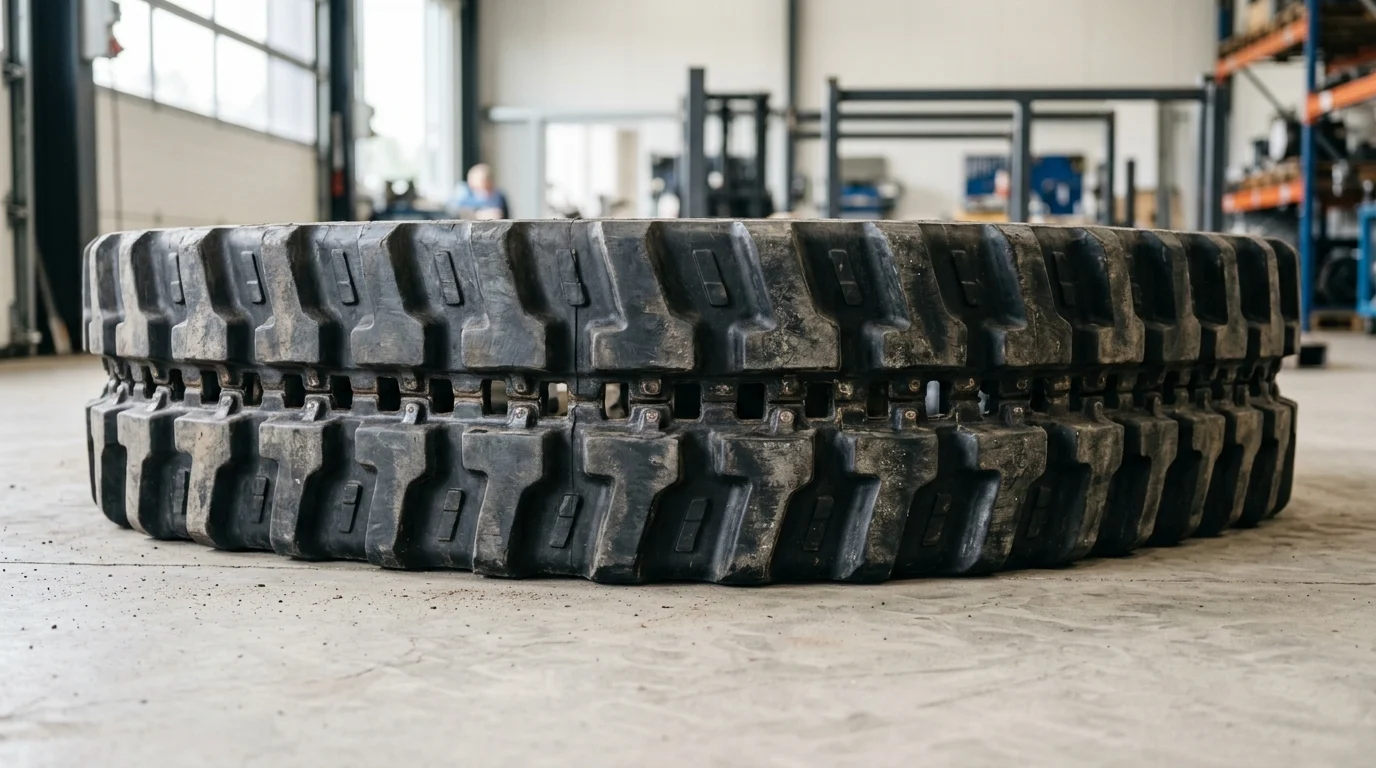
Choosing 700mm rubber tracks affects far more than fitment on a machine. For heavy equipment in the 7-to-15 ton range, track width influences stability, traction, ground pressure, and undercarriage wear, which in turn shapes uptime and operating cost. This article explains how to evaluate 700mm rubber tracks beyond the basic width measurement, including sizing conventions such as width, pitch, and link count, plus the machine and jobsite factors that determine whether a track is truly compatible. With that context, you can compare options more accurately and avoid costly mistakes before purchase.
Why 700mm rubber tracks matter in equipment purchasing
Procuring 700mm rubber tracks represents a critical capital consideration for fleet managers operating heavy equipment, particularly midi-excavators and large compact track loaders in the 7-to-15 metric ton class. The track width directly dictates machine stability, traction, and the allowable payload during demanding operations.
Selecting the optimal track involves more than standard dimensional checks; it requires understanding the structural demands placed on the undercarriage. Because tracks of this size must support significant dynamic loads, purchasing decisions directly impact long-term operational costs, machine availability, and overall site safety.
How to match 700mm rubber tracks to machine requirements
Properly matching 700mm excavator tracks to a specific machine requires precise verification of the undercarriage dimensions. Buyers must adhere to the standard sizing nomenclature, typically formatted as Width x Pitch x Links. For a 700mm track, a common specification might read 700x100x80, indicating a 700mm width, a 100mm pitch (the distance between the centers of each metal link), and 80 total drive links.
Measuring pitch accurately involves checking the distance from the center of one internal iron core to the center of the next. Even a millimeter of variance can cause the track to ride up on the sprocket teeth, leading to severe vibration and eventual derailment. Furthermore, buyers must verify the guide system type, such as conventional or interchangeable configurations, to ensure the track’s internal iron core aligns flawlessly with the equipment’s existing roller setup.
Which operating conditions justify 700mm rubber tracks
The primary operational advantage of upgrading to or maintaining a 700mm track width is the substantial reduction in ground bearing pressure. By distributing a heavy machine’s weight over a wider footprint, these tracks can reduce ground pressure to an optimal 4.5 to 6.0 psi range, depending on the equipment’s exact operating weight and load.
This expansive footprint is indispensable for operations on soft soils, deep mud, and sensitive turf, where narrower tracks would sink or cause severe surface degradation. Additionally, the broader 700mm profile provides enhanced lateral stability on uneven terrain, enabling operators to lift heavier loads at full reach without risking tipping, thereby maximizing the equipment’s engineered lifting capacities.
How to compare 700mm rubber track specifications
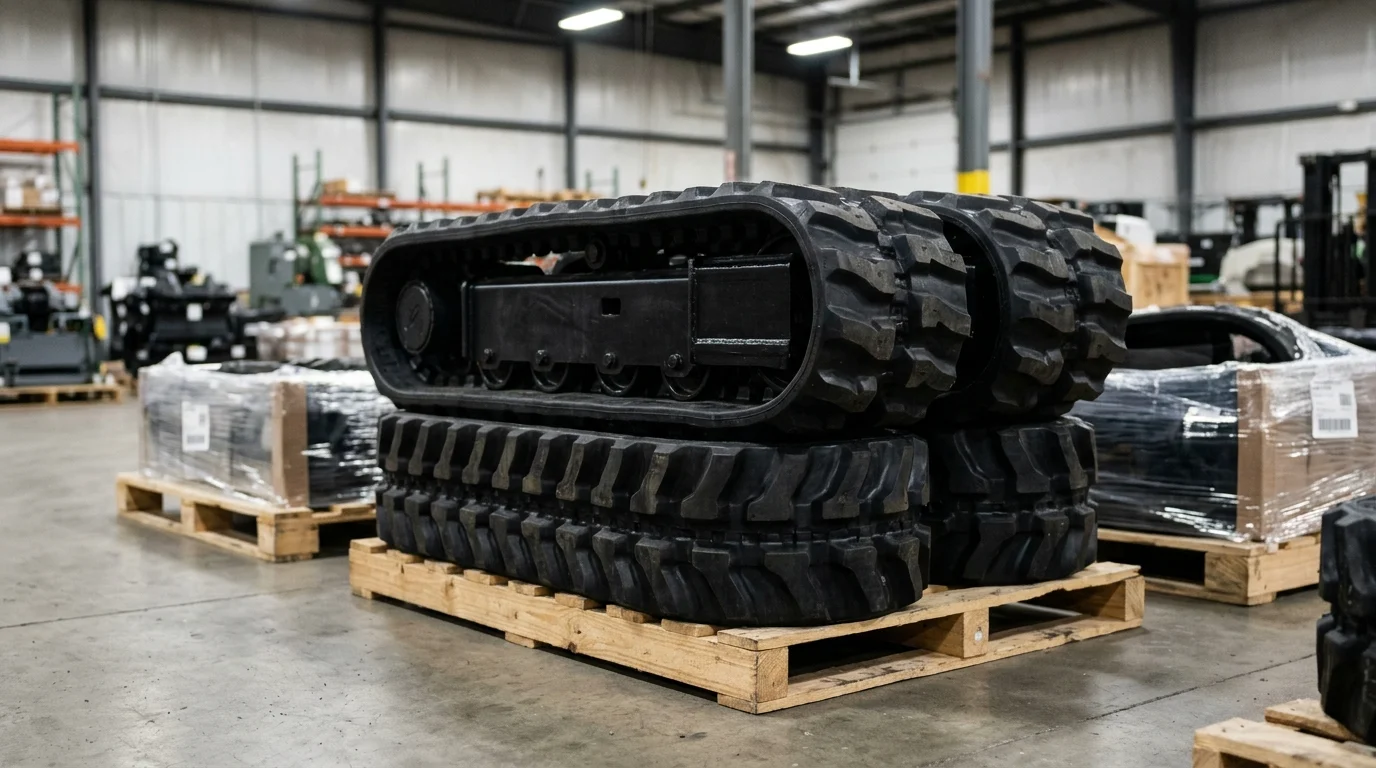
Evaluating 700mm rubber track specifications requires a rigorous analysis of internal architecture and tread design. Since these tracks endure extreme torque and highly abrasive environments, buyers must scrutinize the underlying engineering data rather than relying solely on external visual inspections.
Which technical specifications buyers should verify
Procurement teams should rigorously compare the technical specifications of competing tracks to ensure longevity and structural integrity. Key metrics include tread depth, cord architecture, and the specific weight of the track, which often exceeds 400 kg per unit in the 700mm category.
| Specification | Standard-Duty Tracks | Premium Heavy-Duty Tracks |
|---|---|---|
| Tread Depth | 25mm – 28mm | 32mm – 38mm |
| Steel Cord Architecture | Overlapping Cords | Continuous Spool (Jointless) |
| Rubber Hardness | 60 – 63 Shore A | 65 – 70 Shore A |
| Average Lifespan | 800 – 1,200 Hours | 1,500 – 2,000+ Hours |
The transition from overlapping steel cords to continuous (jointless) steel cord architecture is a critical specification threshold. Jointless designs eliminate the weakest point in the internal structure, reducing the likelihood of snapping under heavy tension by up to 40% compared to traditional overlapping designs.
How materials and construction affect performance
The performance and durability of a 700mm rubber track are heavily dictated by its material composition. High-quality tracks utilize a proprietary blend of natural and synthetic rubber, often engineered with a 60/40 ratio. Natural rubber provides essential tear resistance and flexibility, while synthetic compounds and carbon black additives deliver superior defense against UV degradation and abrasive wear.
Internal construction is equally vital. Premium tracks feature drop-forged metal inserts rather than basic cast iron. Drop-forged iron cores are significantly denser and less prone to fracturing when subjected to the high-impact forces generated by large excavators. Furthermore, the tread pattern must align with the primary working environment. Staggered block patterns offer excellent vibration reduction on hard surfaces, while aggressive C-lug or zig-zag patterns provide superior traction in deep mud and clay. Selecting the correct tread geometry prevents premature wear and reduces operator fatigue.
How to choose the right 700mm rubber track supplier
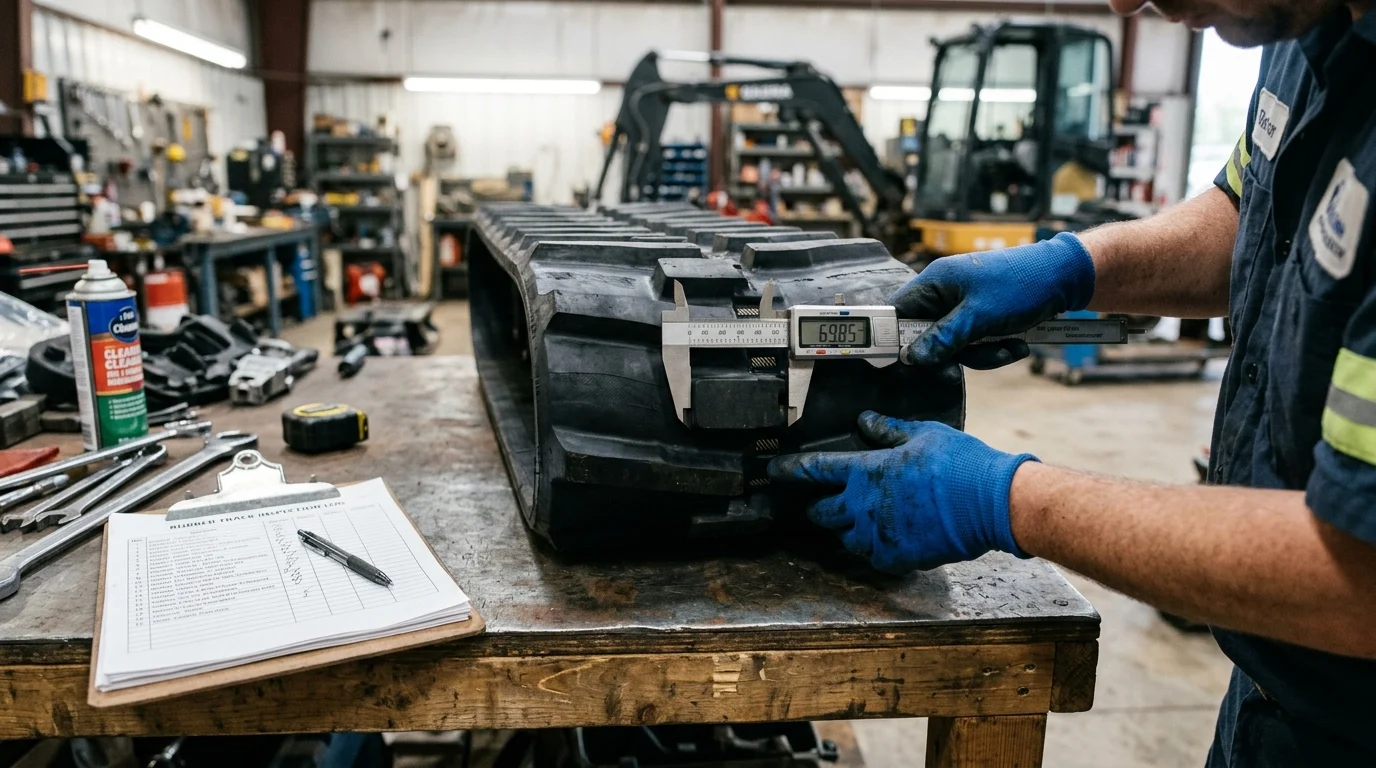
Identifying a reliable supplier for 700mm rubber tracks is as critical as selecting the right technical specifications. Given the logistical complexities and high replacement costs associated with heavy machinery consumables, fleet managers must implement strict vetting protocols to secure stable supply chains.
Which sourcing, compliance, warranty, and logistics checks reduc
e risk
Risk mitigation in track sourcing begins with verifying manufacturer compliance and strict quality control standards. Buyers should mandate ISO 9001 certification and request historical defect rate data; a reliable supplier should demonstrate a defect rate strictly below 1.5%. Warranty terms must also be scrutinized. Industry-standard warranties cover 1,000 hours or 12 months, but premium suppliers often extend this to 1,500 hours with non-prorated replacement terms for early failures.
Logistics play a pivotal role in supplier selection. Because a single 700mm track is exceptionally heavy, shipping costs can severely impact the final procurement budget. Buyers ordering internationally must account for lead times, typically ranging from 30 to 45 days for ocean freight. When importing directly, fleet managers must also consider container utilization. A standard 20-foot shipping container can typically accommodate a limited number of these oversized tracks due to strict weight restrictions rather than volume limits. Careful logistical planning ensures maximum freight efficiency and lowers the landed cost per unit.
How to decide between premium and value-grade options
Deciding between premium and value-grade 700mm rubber tracks requires a strict cost-per-hour analysis rather than a simple upfront price comparison. Premium tracks generally command a 15% to 25% price premium over value-grade alternatives. However, their advanced materials and continuous cord construction frequently yield a 30% to 50% longer operational lifespan, significantly lowering replacement frequency.
For high-utilization fleets,
Key Takeaways
- The most important conclusions and rationale for 700mm rubber tracks
- Specs, compliance, and risk checks worth validating before you commit
- Practical next steps and caveats readers can apply immediately
Frequently Asked Questions
How do I confirm the correct 700mm rubber track size?
Check the full size code: width x pitch x links, such as 700x100x80. Measure pitch center-to-center on the iron cores and confirm link count and guide type before ordering from Gator Track.
When are 700mm rubber tracks the right choice?
They are best for 7–15 ton machines working on soft soil, mud, or sensitive ground. The wider footprint improves flotation, lowers ground pressure, and adds lateral stability.
What specs matter most when comparing 700mm rubber tracks?
Focus on pitch accuracy, link count, tread depth, rubber hardness, and steel cord design. For heavy-duty use, deeper tread and jointless steel cords usually deliver longer service life.
Why does track construction affect heavy-equipment performance?
Better rubber compounds resist cuts, heat, and wear, while stronger internal cords reduce stretching and breakage. This helps the track stay aligned, carry load reliably, and last longer in abrasive jobsites.
Can Gator Track help with 700mm excavator rubber tracks and related undercarriage parts?
Yes. Gator Track supplies rubber tracks for heavy equipment and also offers excavator track pads and other undercarriage solutions, making it easier to source compatible replacement parts in one place.
Post time: Apr-23-2026