
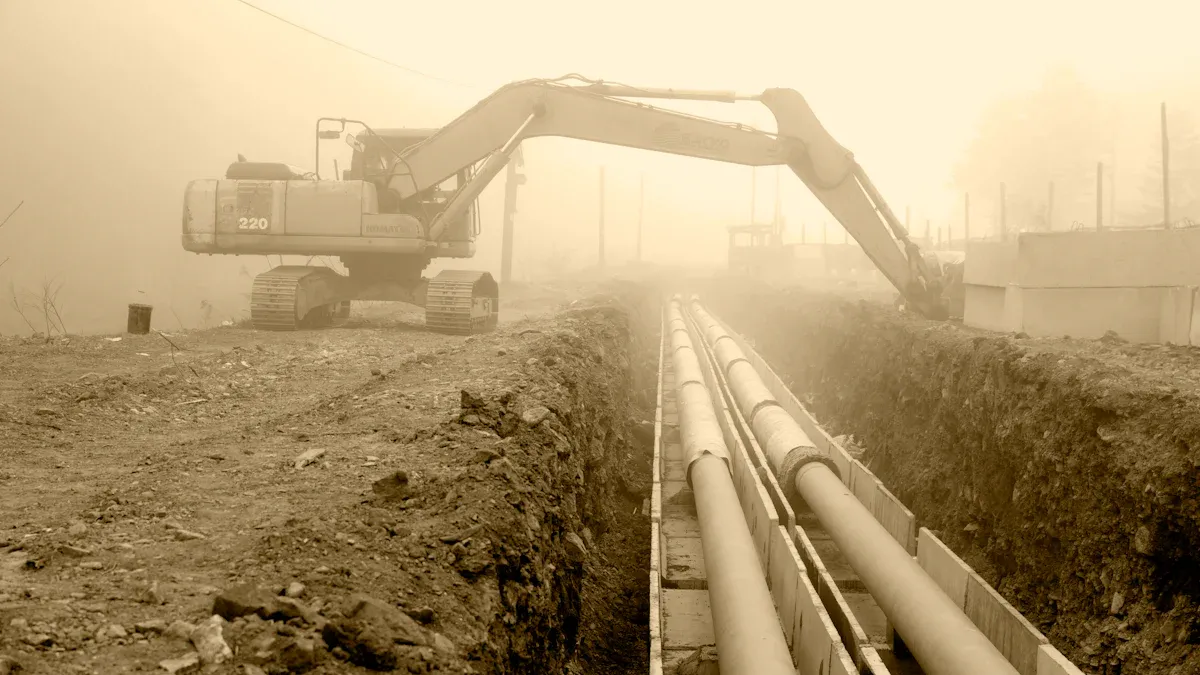
Rubber excavator tracks play a key role in improving stability and traction on tough terrains. Their advanced design ensures better weight distribution and reduces vibrations, leading to smoother operations. By lowering ground pressure, they protect sensitive surfaces and enhance efficiency. With a projected market growth of 5-7% annually, their popularity continues to rise.
Key Takeaways
- Rubber tracks help keep excavators steady by spreading weight evenly. They lower soil damage and work well on soft ground.
- Cleaning and checking track tightness often can make tracks last longer. This can increase their life by 50% and save money.
- Picking strong tracks with special features, like tough edges and smart designs, makes them work better and last longer.
Key Benefits of Rubber Excavator Tracks
Enhanced Weight Distribution for Stability
Rubber excavator tracks are designed to evenly distribute the machine’s weight across a larger surface area. This feature minimizes soil deformation and reduces surface compaction, making them ideal for soft or uneven terrains. By utilizing a long, narrow contact patch, these tracks create better flotation, allowing excavators to operate smoothly without sinking into the ground. This enhanced weight distribution not only improves stability but also ensures safer operations, especially in challenging environments.
Superior Traction on Various Terrains
Whether it’s muddy fields, rocky paths, or sandy surfaces, rubber excavator tracks provide exceptional grip. Their unique tread patterns are engineered to maximize traction, ensuring the excavator maintains control even on slippery or uneven ground. This superior traction reduces the risk of slippage, enhancing both safety and efficiency. Operators can confidently tackle diverse terrains without compromising performance.
Vibration Absorption for Smoother Operations
Rubber excavator tracks come equipped with advanced anti-vibration technology. This feature significantly reduces vibrations during operation, enhancing operator comfort and minimizing machine fatigue. Compared to traditional steel tracks, rubber tracks offer a smoother ride, which can lead to increased productivity and reduced wear on the excavator’s components. A more comfortable operator is a more efficient one, and these tracks make that possible.
Reduced Ground Damage and Increased Durability
Rubber tracks are gentle on the ground, making them perfect for sensitive surfaces like lawns, pavements, or agricultural fields. They reduce soil compaction, which is crucial for preserving crop yields and maintaining the integrity of delicate terrains. Additionally, rubber tracks are built to last. Their durable construction ensures a longer lifespan, lower maintenance costs, and fewer replacements compared to traditional steel tracks.
Did you know? Rubber tracks also enhance fuel efficiency and reduce wear on the undercarriage, making them a cost-effective choice for long-term use.
| Track Type | Average Lifespan (km) | Maintenance Hours Saved | Replacement Time Comparison |
|---|---|---|---|
| Composite Rubber Tracks (CRT) | 5,000 | 415 | Less than half of steel tracks |
By combining durability with reduced ground damage, rubber excavator tracks prove to be a reliable and versatile solution for various applications.
Practical Tips for Maximizing Stability and Traction
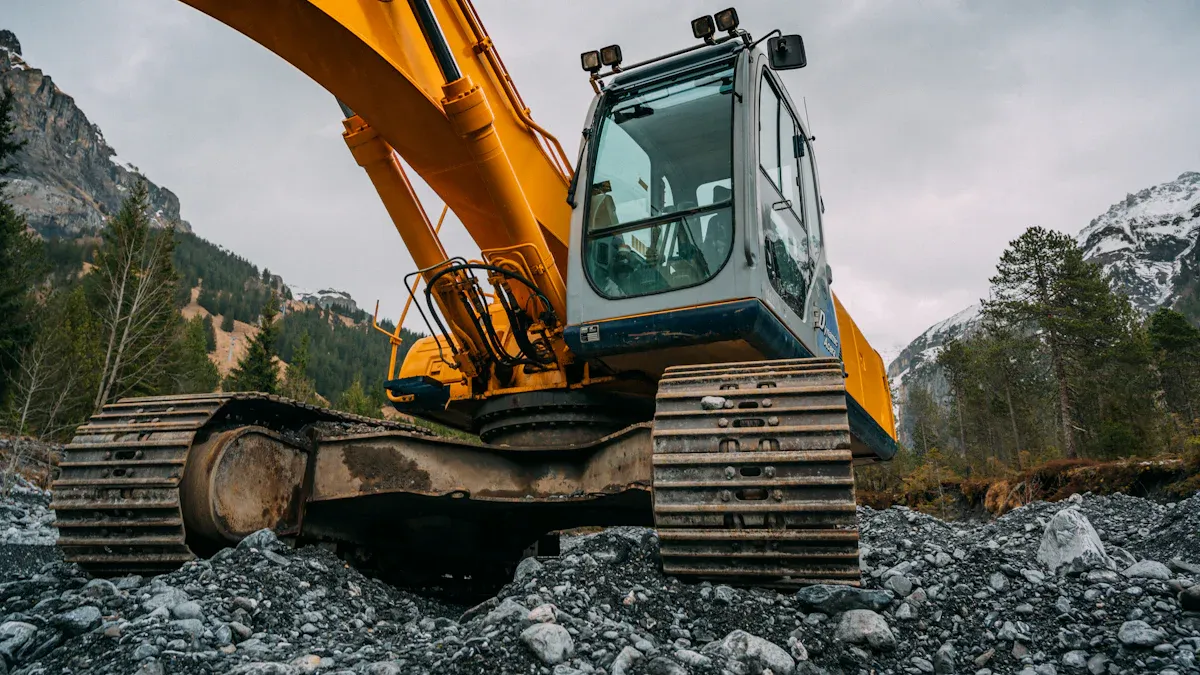
Regular Maintenance to Prevent Wear and Tear
Keeping rubber excavator tracks in top condition starts with regular maintenance. Simple practices like cleaning the tracks daily and inspecting them for damage can go a long way. Dirt, debris, and moisture can cause unnecessary wear, especially in challenging environments. Operators should also check and adjust track tension frequently. Tracks that are too loose or too tight can wear out faster and even lead to costly repairs.
Tip: Before shutting down in cold weather, operate the machine in both forward and reverse to minimize moisture build-up. This small step can prevent freezing and extend the life of your tracks.
Recent research shows that a proactive maintenance program can reduce operating costs by up to 25% and extend equipment life by 30%. Rubber tracks often account for up to 50% of maintenance costs in the first three years, so regular care is a smart investment.
| Maintenance Practice | Impact on Lifespan |
|---|---|
| Proactive care | Extends track life by up to 50% compared to neglect |
| Proper track tension | Improves lifespan by up to 23% while reducing stress-related failures |
Proper Installation for Optimal Performance
Installing rubber excavator tracks correctly is crucial for maximizing their performance. Tracks that are improperly installed can lead to misalignment, excessive wear, and even safety risks. Operators should ensure the tracks are compatible with the machine’s specifications and follow the manufacturer’s guidelines during installation.
Key installation tips include:
- Regular Cleaning and Inspection: Inspect tracks for dirt and damage after each use.
- Proper Tensioning: Tracks should not be too loose or too tight. Correct tensioning prevents unnecessary wear and ensures smooth operation.
- Storage Best Practices: Store tracks in a dry, shaded area to protect them from UV rays. Avoid sharp surfaces to minimize damage.
By following these steps, operators can improve track alignment, reduce noise and vibration, and enhance overall safety.
Safe Operational Practices to Avoid Damage
How you operate your excavator can significantly impact the lifespan of its rubber tracks. Smooth and steady driving is key. Avoid sharp turns, as they can cause wheel detachment and track damage. Similarly, refrain from dry friction, such as rubbing the tracks against steps or edges, which can thin the track block edges over time.
Note: Always drive smoothly and avoid sudden stops or starts. These habits not only protect the tracks but also improve fuel efficiency.
Timely replacement of worn components, like pins and bushings, is also essential. Neglecting these parts can lead to de-tracking and excessive wear, which may compromise the machine’s performance.
Adapting to Terrain-Specific Challenges
Rubber excavator tracks are designed to handle a variety of terrains, but adapting to specific conditions can further enhance their performance. For example, desert-grade tracks can withstand temperatures up to 65°C, while arctic-grade tracks maintain elasticity at -50°C. These specialized tracks ensure optimal performance in extreme environments.
Other terrain-specific adaptations include:
- Optimized chevron tread designs that reduce ground pressure by 12–18%, improving fuel efficiency by up to 9%.
- Reinforced tracks that lower rut depth by up to three times compared to conventional tracks, making them ideal for soft or muddy surfaces.
By choosing the right tracks and adjusting operational practices to suit the terrain, operators can maximize stability, traction, and efficiency.
Choosing High-Quality Rubber Excavator Tracks
Key Features to Consider (Durability, Compatibility, Design)
When selecting rubber excavator tracks, focusing on key features ensures better performance and longevity. Durability is a top priority. Tracks made from high-quality rubber compounds resist wear and tear, even in harsh conditions. Compatibility is equally important. Tracks should match the excavator’s specifications to avoid misalignment or operational issues. Design also plays a crucial role. Advanced tread patterns improve traction, while reinforced edges prevent damage during heavy-duty applications.
Tip: Look for tracks with innovative technologies like Kevlar reinforcement or Pro-Edge™ designs. These features enhance strength and reduce edge-cut damage, ensuring smoother operations.
Evaluating Track Quality for Long-Term Use
Assessing track quality involves more than just a visual inspection. Standardized tests, such as the DIN Abrasion Test and Tear Resistance Test, provide insights into a track’s durability and performance. For example, tensile strength tests measure how well the rubber handles stress, while elongation tests evaluate its flexibility.
| Test Type | Purpose |
|---|---|
| DIN Abrasion Test | Measures material wear under controlled conditions |
| Tensile Strength Test | Assesses the rubber’s ability to handle stress |
| Elongation Test | Evaluates the rubber’s deformation capability |
| Tear Resistance Test | Tests the rubber’s durability against tearing |
Investing in tracks that pass these rigorous evaluations ensures long-term reliability and cost savings.
Importance of Manufacturer Reputation and Support
A manufacturer’s reputation often reflects the quality of their products. Companies with strong after-sales support and warranties build trust and foster customer loyalty. Research shows that brands offering maintenance packages and repair services enhance customer satisfaction. This support ensures operators can rely on their tracks throughout the product lifecycle.
Did you know? The global market for rubber tracks is projected to grow from USD 1.2 billion in 2024 to USD 1.8 billion by 2033, with a CAGR of 5.5%. This growth highlights the increasing demand for high-quality tracks.
Rubber excavator tracks deliver unmatched stability and traction, making them essential for heavy-duty operations. Their advanced tread patterns ensure smoother movement and better grip across diverse terrains. Operators who prioritize maintenance and proper installation can extend track life by up to 50%. High-quality tracks also improve fuel efficiency by 5-10% and reduce noise levels, creating a more productive work environment.
For more information or assistance, contact us:
- Email: sales@gatortrack.com
- WeChat: 15657852500
- LinkedIn: Changzhou Hutai Rubber Track Co., Ltd.
FAQ
What are the signs that rubber tracks need replacement?
Look for cracks, missing chunks, or exposed steel cords. Uneven wear or frequent de-tracking also indicates it’s time for new tracks.
Can rubber tracks handle extreme weather conditions?
Yes! Specialized tracks, like arctic-grade or desert-grade, perform well in extreme cold or heat. Always choose tracks designed for your specific environment.
Tip: Regularly inspect tracks for weather-related damage to maintain performance.
How do I clean rubber excavator tracks?
Use a pressure washer to remove dirt and debris. Avoid harsh chemicals that can degrade the rubber. Clean tracks after every use for longer life.
Note: Cleaning prevents moisture build-up, which can lead to freezing in cold climates.
Post time: May-12-2025