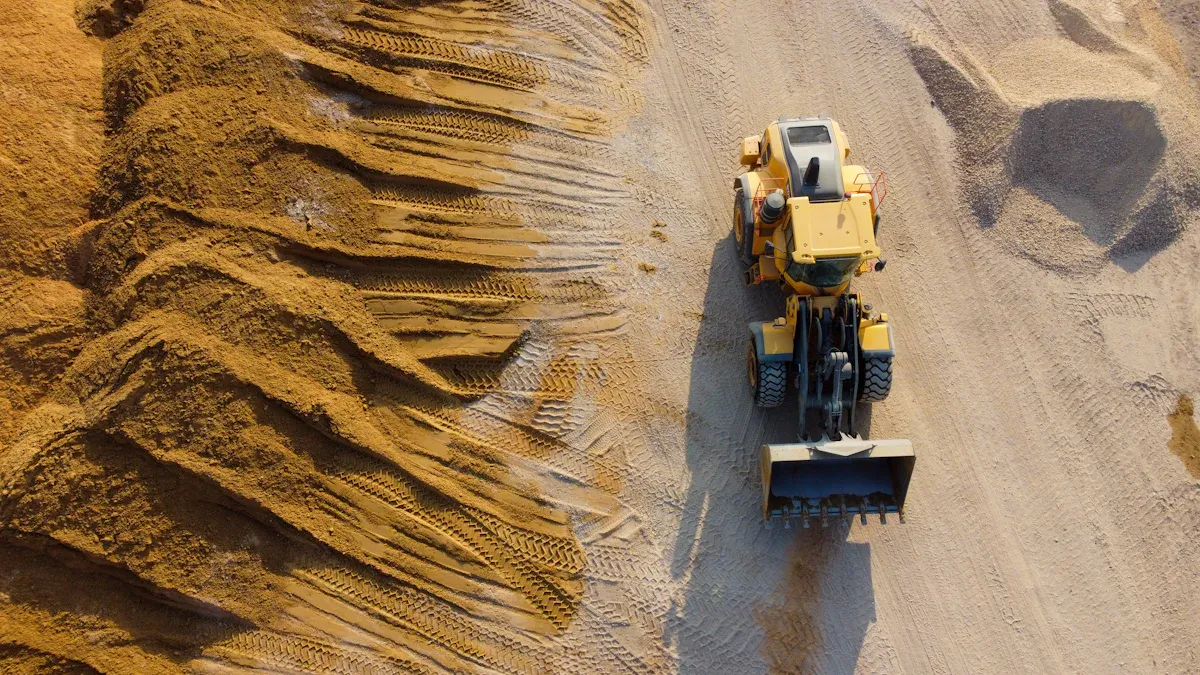
You must match your excavator tracks to the specific terrain. Consider your application and how you use your machine. Prioritize durability, efficiency, and cost-effectiveness in your track selection. For example, an excavator rubber track provides excellent versatility. Understanding these factors ensures you pick the best excavator tracks for your needs.
Key Takeaways
- Match your excavator tracks to the ground you work on. Soft ground needs wide tracks. Rocky ground needs strong tracks.
- Choose between steel, rubber, or polyurethane tracks. Steel tracks are for tough jobs. Rubber tracks protect surfaces. Polyurethane tracks are for special indoor work.
- Think about how often you use your excavator. Consider the cost and how long the tracks will last. Good tracks save money and keep your machine working well.
Key Factors for Choosing Excavator Tracks
Assessing Your Terrain and Ground Conditions
You must first look at your worksite. Is the ground soft mud, loose sand, or hard rock? Soft ground needs wider tracks. They spread the machine’s weight. This prevents your excavator from sinking. Rocky ground requires strong, durable tracks. They resist cuts and wear from sharp objects. Sandy areas need tracks that grip well without digging in too much. You protect your machine and work more efficiently when you match tracks to the specific ground conditions.
Understanding Your Excavator’s Application
Think about what your excavator does most often. Do you dig trenches for utilities? Do you clear land for new construction? Or do you demolish old buildings? Each job has different demands on your tracks. Digging in soft soil might need tracks that float over the surface. Demolition work needs tracks that can withstand sharp debris and heavy impacts. Your specific application directly impacts the best track type for you.
Considering Your Machine’s Size and Usage
Your excavator’s size matters significantly. A larger, heavier machine needs more robust tracks. It carries more weight and exerts greater force. How often do you use your excavator? Daily, continuous use means you need very durable tracks that resist wear. Occasional use might allow for different, less heavy-duty choices. Heavy usage puts more stress on your excavator tracks. Choose excavator tracks that can handle your machine’s weight and demanding work schedule.
Types of Excavator Tracks and Their Uses
You have many choices when you pick excavator tracks. Each type offers different benefits for specific jobs and ground conditions. Understanding these differences helps you make the best decision for your equipment.
Steel Excavator Tracks for Durability
Steel tracks are the workhorses of the industry. You choose them for their incredible strength and durability. They handle the toughest jobs and harshest environments.
- Best for:
- Rocky terrain
- Demolition sites
- Forestry work
- Heavy-duty digging
- Benefits:
- They offer superior traction on uneven or slippery surfaces.
- You get maximum resistance to punctures and cuts.
- They provide excellent stability for heavy lifting.
- Considerations:
- Steel tracks can damage paved surfaces.
- They create more noise and vibration for the operator.
- You will find them heavier, which can impact fuel efficiency.
Tip: Always use steel tracks when your job involves sharp debris or extreme wear. They protect your machine and ensure long-term performance.
Rubber Excavator Tracks for Versatility
Rubber tracks give you a versatile option. You use them for jobs requiring less ground disturbance. They are a popular choice for many contractors.
- Best for:
- Landscaping projects
- Residential construction
- Working on finished surfaces (asphalt, concrete)
- Sensitive ground conditions (lawns, golf courses)
- Benefits:
- They cause minimal damage to surfaces.
- You experience a smoother, quieter ride.
- They are lighter, which can improve fuel economy.
- You can travel faster on paved roads.
- Considerations:
- Rubber tracks are more susceptible to cuts and tears from sharp objects.
- They offer less traction than steel on very muddy or rocky ground.
- You might need to replace them more often in abrasive conditions.
Polyurethane Excavator Tracks for Specialized Needs
Polyurethane tracks represent a specialized solution. You choose them for unique applications where other tracks fall short. They combine some benefits of both steel and rubber.
- Best for:
- Indoor demolition
- Cleanroom environments
- Sensitive flooring protection
- Specific industrial applications
- Benefits:
- They are non-marking, leaving no scuffs or damage.
- You get excellent vibration dampening.
- They resist certain chemicals and oils.
- Considerations:
- Polyurethane tracks are generally more expensive.
- They offer less traction than steel in rough outdoor conditions.
- You might find their durability lower than steel for heavy-duty outdoor use.
You select the right type of excavator tracks based on your specific job requirements. Each material offers distinct advantages and disadvantages.
Matching Excavator Tracks to Specific Terrains
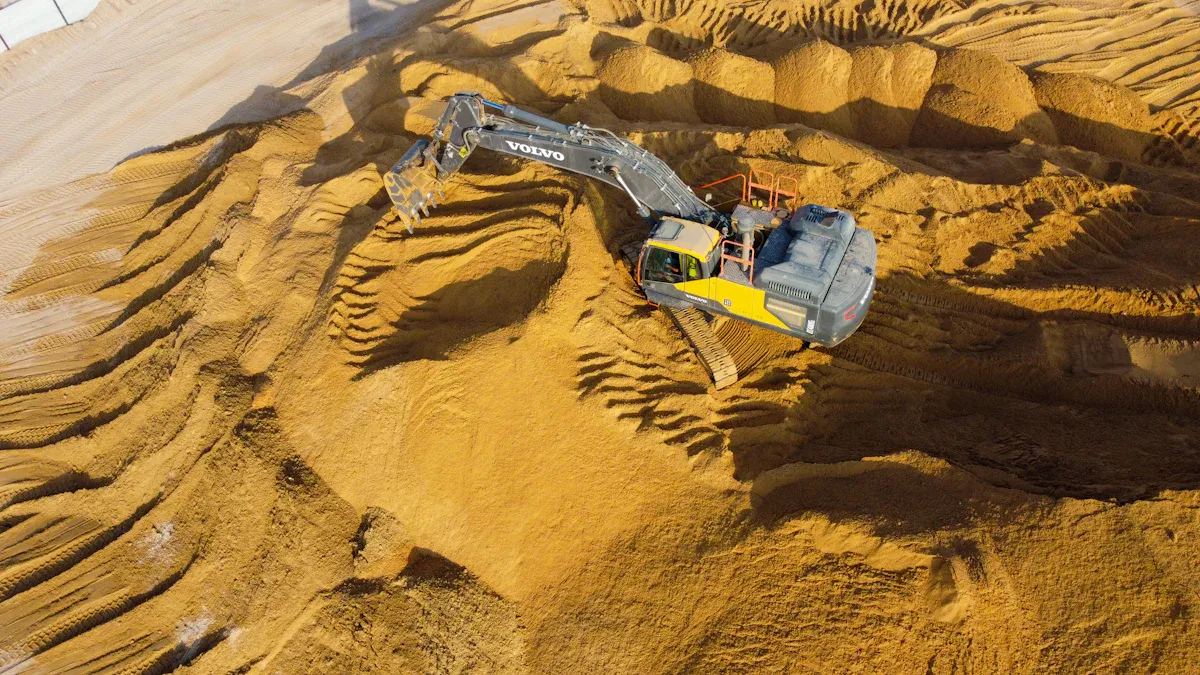
You must choose the right excavator tracks for your specific job site. This decision directly impacts your machine’s performance, efficiency, and lifespan. Different terrains demand different track characteristics.
Excavator Tracks for Soft and Sensitive Surfaces
When you work on soft ground, like lawns, golf courses, or muddy areas, you need tracks that spread your machine’s weight. This prevents sinking and minimizes damage to the surface.
- Best Choice: Rubber tracks or wide steel tracks with flat shoes.
- Why:
- Rubber tracks cause less disturbance. They protect delicate landscapes.
- Wider tracks distribute weight over a larger area. You reduce ground pressure.
- You avoid deep ruts and costly repairs to the ground.
- Considerations:
- Ensure the track width matches your machine’s weight.
- You might need specialized low-ground-pressure tracks for very soft conditions.
Tip: Always prioritize surface protection on sensitive sites. Rubber tracks are your best friend here.
Excavator Tracks for Rocky and Abrasive Ground
Rocky terrain, demolition sites, and areas with sharp debris demand extreme durability. You need tracks that resist cuts, punctures, and heavy wear.
- Best Choice: Steel tracks with robust grousers.
- Why:
- Steel offers superior resistance to sharp rocks and abrasive materials.
- You get excellent traction on uneven, hard surfaces.
- They withstand impacts from falling debris.
- Considerations:
- Choose tracks with reinforced links and heavy-duty shoes.
- You might consider tracks with a higher manganese content for extra hardness.
- Regular inspection for damage is crucial in these harsh environments.
Excavator Tracks for Mixed and Varied Conditions
Many job sites present a mix of conditions. You might encounter asphalt, then dirt, then gravel, all in one day. You need a versatile solution.
- Best Choice: Rubber pads on steel tracks, or multi-bar rubber tracks.
- Why:
- Rubber pads bolt onto steel tracks. You get the durability of steel and the surface protection of rubber.
- Multi-bar rubber tracks offer a good balance of traction and reduced ground disturbance.
- You can transition between different surfaces without changing tracks.
- Considerations:
- Rubber pads can wear out faster than solid rubber tracks on abrasive surfaces.
- You must check the bolts on rubber pads regularly. They can loosen.
Excavator Tracks for Demolition and Heavy-Duty Work
Demolition work involves extreme forces and hazardous materials. You need tracks that can endure severe impacts and sharp debris.
- Best Choice: Heavy-duty steel tracks, often with triple grousers.
- Why:
- These tracks are built for maximum strength and impact resistance.
- You get superior grip and stability for handling heavy loads.
- They withstand the harsh environment of a demolition site.
- Considerations:
- You might need specialized track guards to protect against debris.
- These tracks are heavier. They can affect fuel consumption.
- Always choose tracks designed for the specific weight and power of your machine.
Excavator Tracks for Frequent Travel and Road Use
If your excavator frequently moves between job sites or travels on paved roads, you need tracks that minimize damage and offer a smoother ride.
- Best Choice: Rubber tracks or polyurethane tracks.
- Why:
- Rubber tracks prevent damage to asphalt and concrete surfaces.
- You experience less vibration and noise during travel.
- Polyurethane tracks are non-marking. They are ideal for very sensitive indoor surfaces.
- You can often travel at higher speeds on roads with rubber tracks.
- Considerations:
- Rubber tracks wear faster on very abrasive roads.
- You must avoid sharp turns on paved surfaces with rubber tracks. This prevents premature wear.
Selecting the Right Tread Pattern for Excavator Tracks

You must choose the correct tread pattern for your machine. This choice impacts how your excavator performs. It also affects how well you protect the ground. Different patterns suit different jobs.
Aggressive Tread Patterns for Traction
You need maximum grip in tough conditions. Aggressive tread patterns give you this. They feature deep, widely spaced lugs, also called grousers.
- Best for:
- Muddy ground
- Loose soil
- Steep slopes
- Rocky terrain
- Benefits:
- You get superior traction.
- They prevent your machine from slipping.
- They dig into soft surfaces for better hold.
- Considerations:
- These patterns can damage paved surfaces.
- They create a rougher ride for you.
Smooth Tread Patterns for Surface Protection
You want to protect delicate surfaces. Smooth tread patterns are your best option. They have a flat, shallow design. Often, you find them on solid rubber tracks.
Best for:
-
- Paved roads
- Finished landscapes
- Indoor work
- Sensitive ground like lawns
- Benefits:
- You cause minimal damage to surfaces.
- They provide a smoother, quieter ride.
- They prevent scuff marks.
- Considerations:
- They offer poor traction in mud or loose dirt.
- You might slip on wet, uneven ground.
Multi-Bar Tread Patterns for Balanced Performance
Many jobs have mixed conditions. Multi-bar tread patterns offer a good compromise. They feature several smaller bars or blocks.
- Best for:
- General construction sites
- Areas with varied ground (dirt, gravel, some pavement)
- Jobs needing both traction and surface care
- Benefits:
- You get decent traction in most conditions.
- They offer reasonable surface protection.
- They provide a balanced performance.
- Considerations:
- They are not ideal for extreme mud.
- They do not offer the same surface protection as smooth tracks.
Essential Considerations for Excavator Tracks
Durability and Lifespan of Excavator Tracks
You want your tracks to last a long time. The material and how they are built determine their lifespan. Tough jobs demand strong tracks. High-quality tracks resist wear and tear. They save you money over time. You avoid frequent replacements.
Cost-Effectiveness and Budget for Excavator Tracks
Consider the total cost, not just the initial price. Cheaper tracks might wear out quickly. This means you buy new ones sooner. Investing in better tracks reduces downtime. You save money on repairs and lost work. Think about value over time.
Maintenance Requirements for Excavator Rubber Tracks
You must maintain your tracks. Check them often for damage. Keep them clean. Adjust track tension correctly. Proper care extends the life of your excavator tracks. You prevent costly breakdowns.
Operator Comfort and Vibration with Different Excavator Tracks
Your comfort matters. Different tracks offer different rides. Rubber tracks provide a smoother experience. They reduce vibration. Steel tracks can be rougher. A comfortable operator works better. You increase productivity.
Ensuring the Correct Fit for Your Excavator Tracks
You must get the right fit for your excavator tracks. A correct fit ensures safety and top performance. It also extends the life of your tracks and machine.
Measuring Track Width, Pitch, and Links
You need accurate measurements for new tracks.
- Track Width: Measure the width of your track shoe. This is the part that touches the ground.
- Pitch: Measure the distance between the centers of two consecutive track pins. You can measure three pins and divide by two for accuracy.
- Links: Count the number of links on one side of your track. This tells you the track’s length.
These numbers help you find the perfect replacement.
Identifying Your Excavator Model for Track Compatibility
You must know your excavator’s exact model. Manufacturers design tracks for specific machines.
- Find your machine’s make and model number.
- Look for the serial number too.
- This information ensures you get compatible tracks.
- You avoid costly mistakes with the right details.
Specific Recommendations for Heavy-Duty XL Excavator Tracks
Heavy-duty XL excavators need special attention. You operate larger machines. They put more stress on tracks.
- Always choose tracks designed for XL models.
- You might need reinforced components.
- Consider tracks with extra-strong grousers.
- These tracks handle the increased weight and power.
- They provide the durability your large machine demands.
You must match your excavator tracks to your specific job needs. This ensures optimal performance and safety. Always balance durability, efficiency, and cost for the best results. Make informed decisions. You will maximize your excavator’s efficiency and extend its longevity.
FAQ
How often should you check your excavator track tension?
You should check track tension daily. Proper tension prevents wear. It also ensures safe operation.
Can you use rubber tracks on rocky ground?
You can use rubber tracks on rocky ground. However, sharp rocks can damage them. Steel tracks offer better durability for such conditions.
What is the main benefit of polyurethane tracks?
Polyurethane tracks are non-marking. They protect sensitive surfaces. You use them for indoor work.

Post time: Nov-17-2025