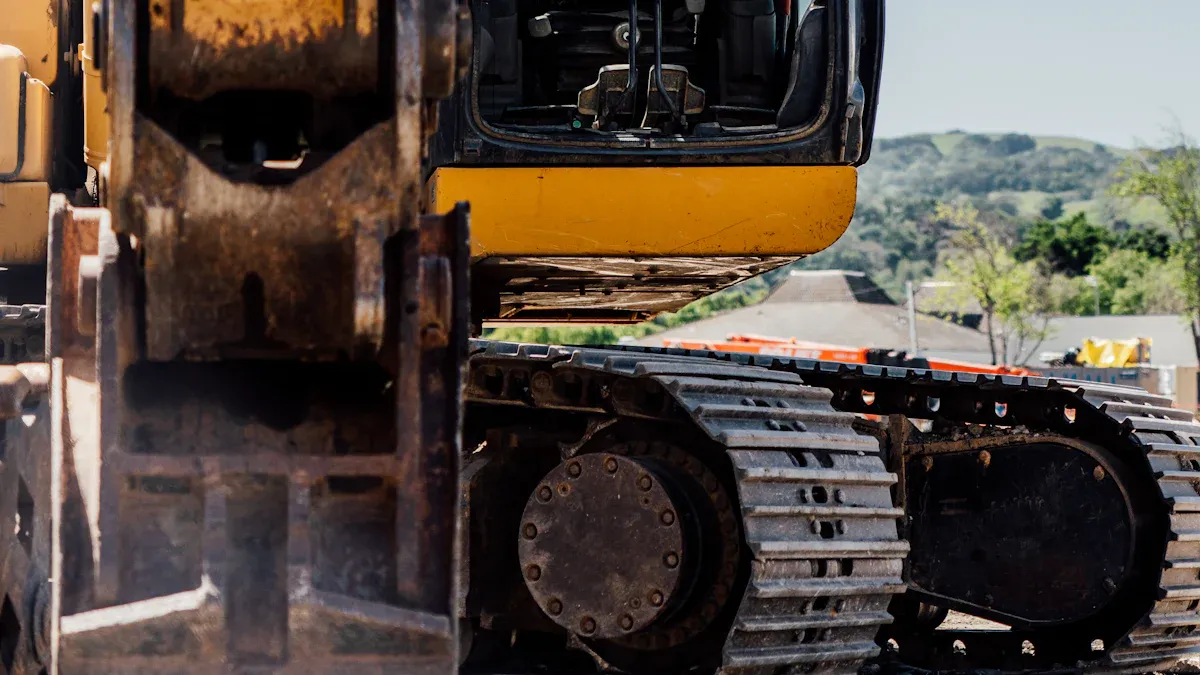
I know that the quality of excavator rubber tracks truly depends on their material composition and manufacturing precision. For agricultural machinery, I find choosing high-quality excavator tracks is crucial. This investment significantly improves operational efficiency, reduces costly downtime, and enhances equipment longevity in farming.
Key Takeaways
- Choose excavator rubber tracks made from virgin rubber. This material offers better wear resistance and lasts longer than recycled rubber.
- Look for tracks with continuous steel cords. These cords make the track strong and prevent it from stretching, which helps it last longer.
- Select tracks with tread patterns and depths that match your farm’s ground. This helps your machine get good grip and stay stable.
The Foundation of Quality: Materials and Manufacturing for Excavator Rubber Tracks
Virgin Rubber Versus Recycled Materials
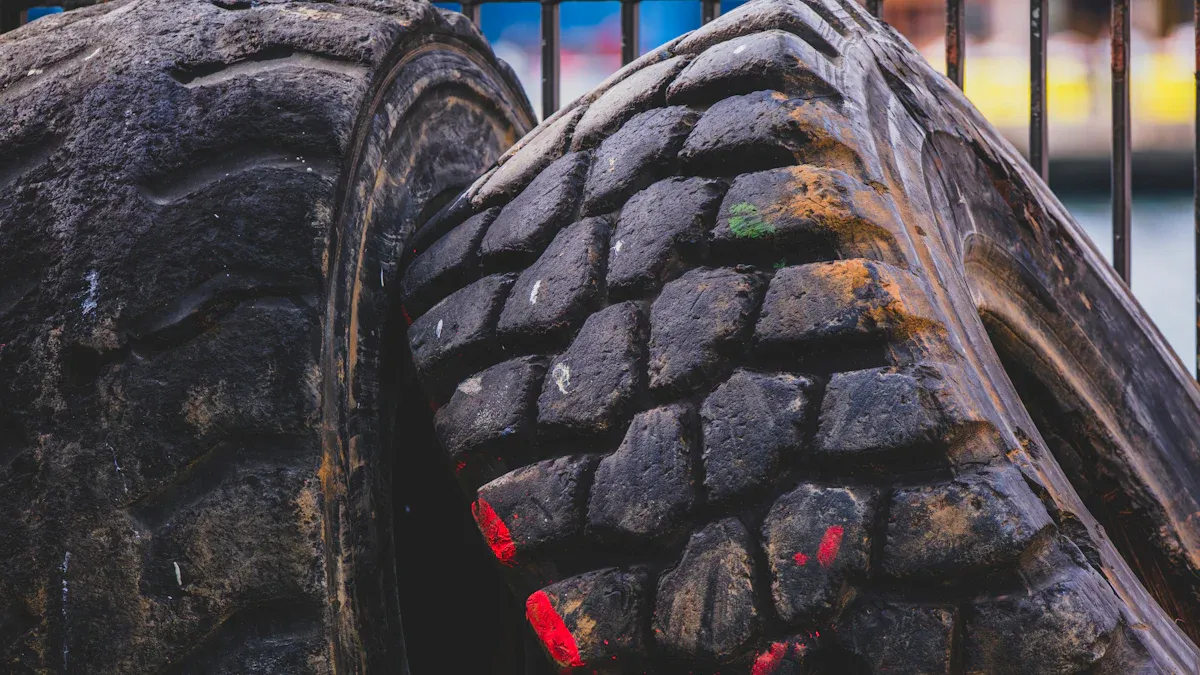
I know the base material makes a huge difference. For premium excavator rubber tracks, I always prioritize virgin rubber. It uses a superior, non-vulcanized compound. Recycled rubber, often from used tires, cannot match its chemical properties. Virgin rubber offers greater wear resistance, elasticity, and overall durability. While recycled options might reduce costs, I find they lead to inferior operational durability. For professional farming, virgin rubber is the investment that truly reduces downtime.
Continuous Steel Cords and Configuration
I also pay close attention to the internal structure. Continuous steel cords are essential for strength. They provide tensile strength, preventing the track from stretching. This design ensures the track’s strength comes from the steel cables’ durability. Advanced continuous wound systems, like SpoolRite belting, further enhance durability. They maintain consistent wire straightness and equal spacing. This precision ensures even tension distribution, leading to improved longevity and a perfect fit.
Specialized Rubber Compounds for Agriculture
For farming, I look for specialized rubber compounds. These compounds are engineered to withstand the unique challenges of agricultural environments. They resist abrasion from soil, chemicals from fertilizers, and extreme temperatures. This specialization ensures optimal track performance in diverse field conditions.
Advanced Manufacturing Techniques
I believe advanced manufacturing techniques are non-negotiable for quality. Manufacturers use premium raw materials, including natural and synthetic rubber polymers and various additives. I also see companies using in-house hydraulic press machines. This gives them comprehensive knowledge in production. Producing molds in-house with CNC machinery allows for quicker improvements in track design. ISO certification ensures consistency and quality assurance.
Rigorous Quality Control Testing
I expect rigorous quality control testing. This includes tests for tensile strength, abrasion resistance, and fatigue. Manufacturers put tracks through extreme conditions. This ensures every track meets high performance and durability standards before it reaches my machinery.
Reputable Manufacturers and Standards
Finally, I always choose reputable manufacturers. I know companies like Gator Track Co., Ltd. specialize in agricultural tracks. They have experience and focus on quality. Adhering to industry standards and certifications gives me confidence in their products.
Optimizing Performance and Compatibility of Excavator Rubber Tracks
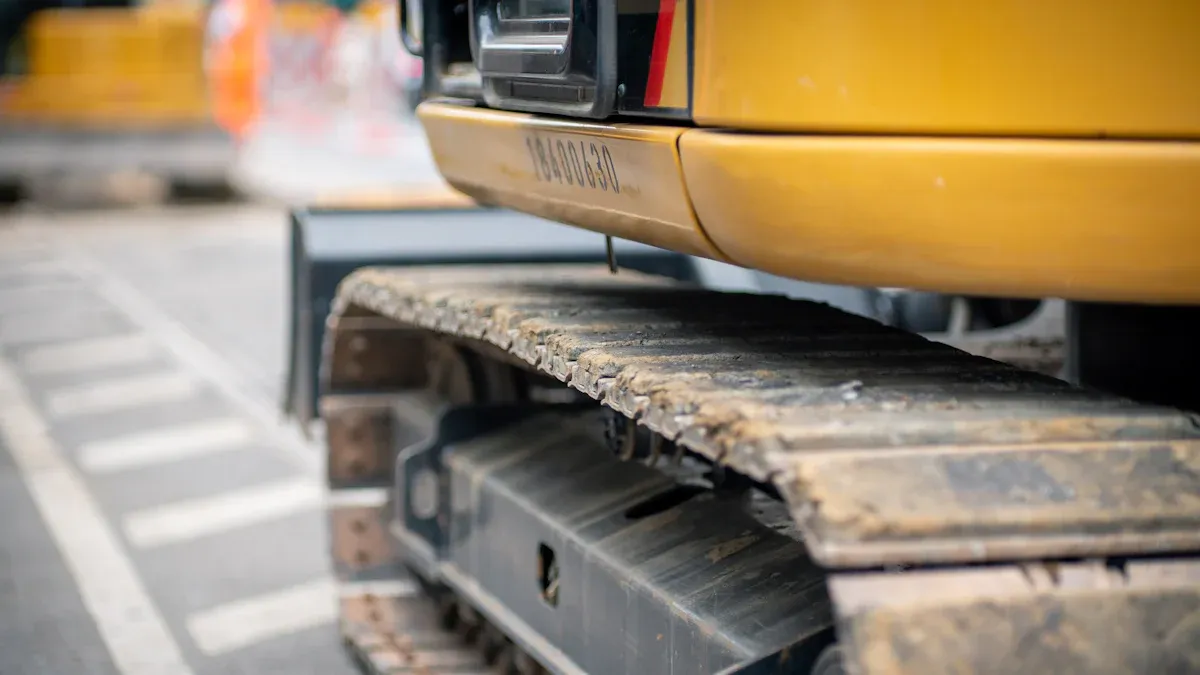
I always focus on how well my excavator rubber tracks perform and fit my machinery. This directly impacts my farming efficiency.
Tread Patterns for Various Farming Terrains
I carefully select tread patterns based on my field conditions. For muddy agricultural fields, I find specific patterns work best.
- V Tread Pattern: This pattern suits mild agriculture tasks. It provides good traction without disturbing the ground too much. I install these directionally, with the ‘V’ pointing forward to paddle through mud.
- Block Tread Pattern: I use this for general mud work. Its lugs grip muddy ground well. It also offers moderate self-cleaning.
- C Tread Pattern: This is a versatile choice for mud, clay, or even snow. It gives more sidewall grip and traction on soft ground.
- Zig zag Tread Pattern: I choose this for very muddy or snowy conditions. It offers excellent traction on slippery ground. Its lug angles and grooves divert mud and water effectively, providing high self-cleaning. For hard-packed soil or rocky terrain, I prefer block tread for greater stability. Multi-bar tracks also perform well on hard, rocky ground.
Tread Depth and Lug Design for Traction
I know increased tread depth significantly improves traction. Deep-lug rubber excavator tracks have taller, more widely spaced lugs. This design provides an aggressive bite, especially in soft or slippery soils. It is perfect for agricultural work. These tracks offer superior self-cleaning and excellent grip in muddy and loose terrain. Deeper lugs, over 50mm, enhance traction. They also distribute the machine’s weight evenly, reducing ground pressure and preventing sinking.
Self-Cleaning Properties for Muddy Conditions
For muddy conditions, I prioritize self-cleaning properties. Wide, deep lugs maximize grip and shed mud effectively. Specialized tread patterns prevent mud accumulation. Aggressive, self-cleaning treads actively reduce slippage and mud buildup.
Matching Track Width and Length
I understand the importance of matching track width and length precisely. Using tracks with the wrong width, pitch, or link count leads to improper sprocket engagement. This causes increased wear on undercarriage parts, poor traction, and premature failure. Incorrect sizing creates undue stress on sprockets, rollers, and idlers.
Impact of Proper Fit on Machine Stability
A proper fit is crucial for machine stability. Incorrect track width affects ground pressure and stability. Narrower tracks can increase soil compaction and reduce flotation on soft terrain. This hinders stability and efficiency. An incorrect number of links can cause improper tension and alignment, leading to track failure.
Measuring and Consulting OEM Specifications
I always measure carefully and consult OEM specifications. For example, I might see specifications like 300×52.5Nx80 for a V1 tread pattern. These details include width, pitch, and number of links. OEM specifications also detail steel cables, which are high-tensile and resistant to stretching. They often feature unique steel core designs for better rubber bonding and special coatings for corrosion resistance. Some even include an exclusive External 3S Iron Core to reduce vibration and de-tracking risk, and Curbsheild for edge cutting protection.
Protecting Your Investment: Warranty and Support for Excavator Rubber Tracks
Understanding Warranty Terms and Coverage
I always scrutinize warranty terms for my excavator rubber tracks. A good warranty protects my investment. I look for coverage against premature wear, joint failure, and steel cord failure. For example, some companies offer an 18-month limited warranty for tracks 450 mm and smaller. This covers issues from the invoice date, assuming proper tensioning and normal use. However, I know warranties often have exclusions. They typically do not cover damage from improper installation, worn undercarriage, or operator error. I also see exclusions for abuse, misuse, accidents, or chemical corrosion. Normal wear and tear, labor costs, or loss of machine operation are usually not covered either.
Technical Support and Spare Parts Availability
Reliable technical support is essential for me. I need quick answers if I encounter an issue. A supplier with readily available spare parts minimizes my downtime. This ensures I can get my machinery back to work quickly. I value a supplier who offers comprehensive service and global shipping.
Evaluating Supplier Reputation
I carefully evaluate a supplier’s reputation before making a purchase. I look for specific indicators of quality. The rubber compound quality is crucial for resistance to wear and cracking. I also check for reinforced steel cords, which prevent stretching and enhance strength. Compatibility is key; tracks must precisely match my machine specifications. A strong warranty and good support demonstrate a manufacturer’s confidence in their product. Reputable suppliers, like JOC Machinery, produce their excavator tracks in ISO-certified facilities. This indicates adherence to international quality standards. Their global export capabilities also show widespread trust and reliability.
I believe selecting premium excavator rubber tracks is a strategic investment for my agricultural machinery. This directly impacts my operational efficiency and profitability. I have seen how premium tracks reduce fuel consumption and lower maintenance costs, leading to significant long-term savings. A holistic approach considering material, design, fit, manufacturing, and support leads to the best choice for farming in 2026.
FAQ
How often should I inspect my excavator rubber tracks?
I perform daily visual inspections. I check for cuts, cracks, and proper tension. This proactive approach prevents major issues and extends track life.
Can I repair a damaged digger track, or should I replace it?
I generally advise replacement for significant damage. Small cuts might be repairable. I prioritize safety and performance. Consult a professional for severe issues.
What are the signs of a worn-out rubber track?
I look for deep cracks, exposed steel cords, or excessive lug wear. Uneven tension or frequent de-tracking also indicates replacement time.
Post time: Jan-09-2026