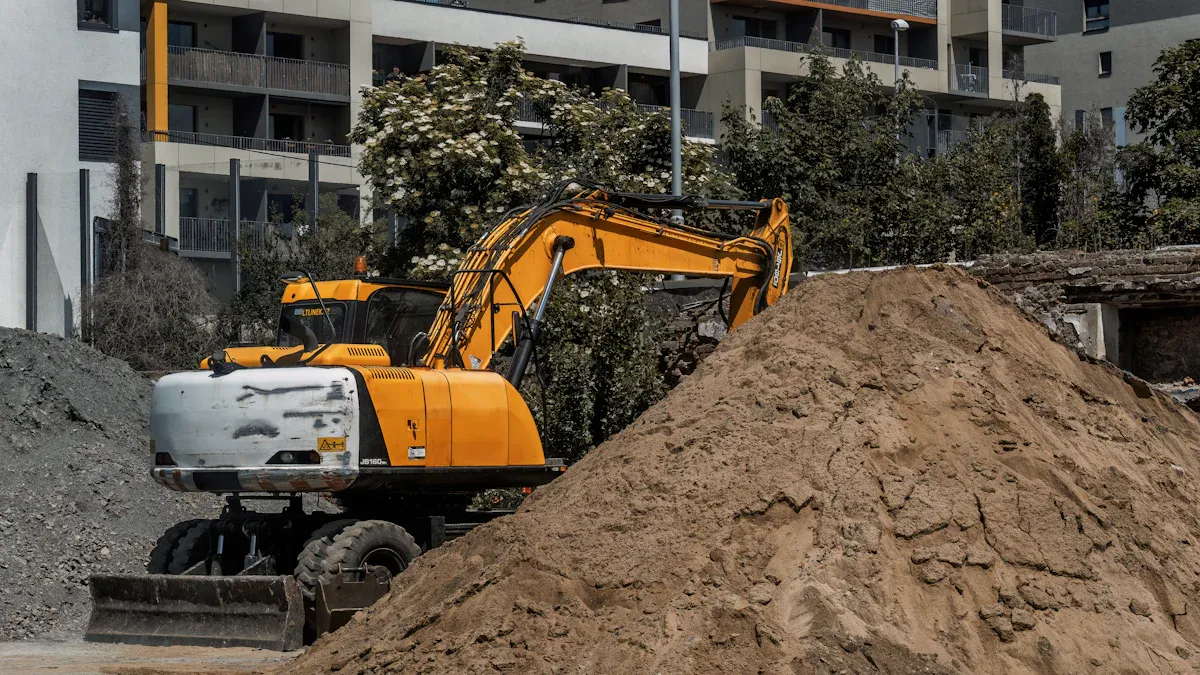
Selecting the right Chain-On Rubber Track Pads is crucial for maximizing excavator performance. I have learned that several key factors influence this decision. These include compatibility with the machine, material quality, and environmental conditions. Making informed choices in these areas can significantly enhance operational efficiency and longevity when using Chain On Rubber Track Pads.
Key Takeaways
- Ensure compatibility of track pads with your excavator model to avoid installation issues and enhance performance.
- Evaluate material quality carefully; higher tensile strength and reinforced materials lead to better durability and efficiency.
- Regularly inspect and maintain track pads to extend their lifespan and prevent costly repairs.
Understanding Compatibility
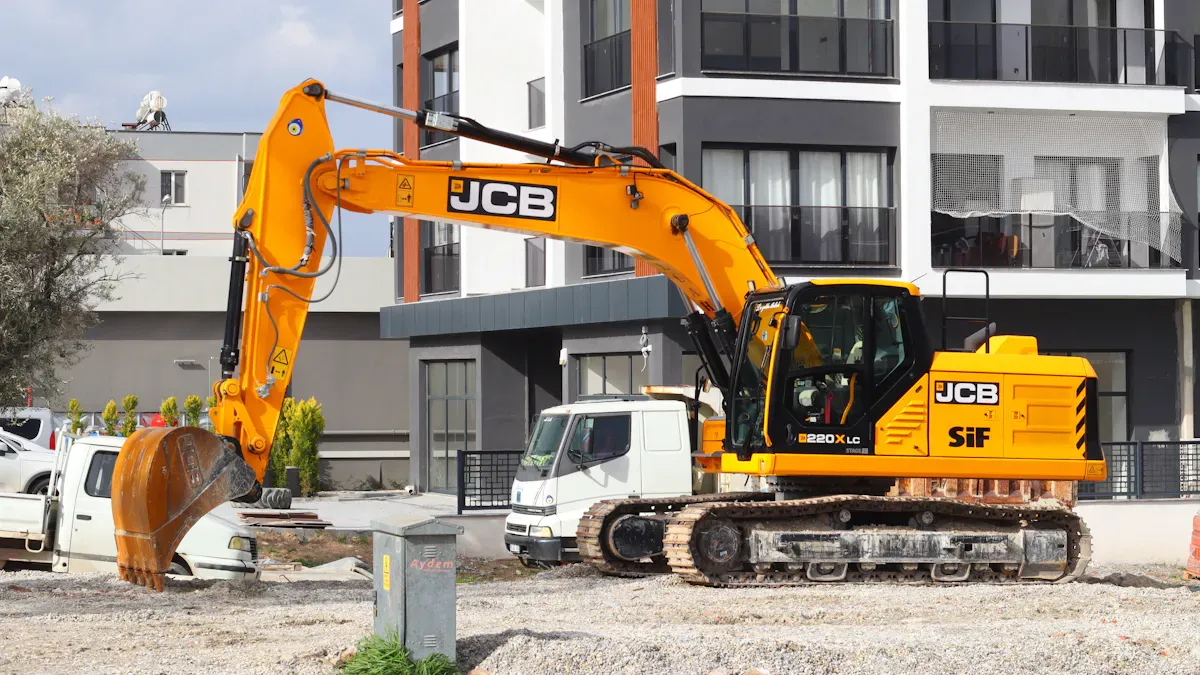
When selecting Chain-On Rubber Track Pads, compatibility with your excavator model is paramount. I have found that ensuring a proper fit can prevent installation issues and guarantee optimal performance. Here are some key compatibility requirements to consider:
- Track pads should fit seamlessly onto your excavator without requiring extensive modifications.
- Compatibility with various excavator models allows for the use of the same track pads across different machines.
- Always check the manufacturer’s specifications to ensure that the pads match your excavator’s undercarriage system.
To further clarify the compatibility factors, I have compiled a table that outlines the essential aspects to consider:
| Factor | Description |
|---|---|
| Size | Dimensions must match the excavator model to prevent misalignment and excessive wear. |
| Material Composition | Different materials affect durability and surface protection, influencing the choice based on job site conditions. |
| Tread Pattern | The design impacts traction and self-cleaning ability, which is crucial for performance in various terrains. |
| Installation | Ease of installation and maintenance are critical for operational efficiency and longevity of the pads. |
Using rubber track pads for excavators that are not compatible with your excavator can lead to significant risks. I have seen firsthand how incompatible pads can cause instability, damage to the undercarriage, and unsafe operating conditions. Issues like premature wear and track slippage can ultimately result in severe operational failures. Therefore, I always emphasize the importance of compatibility when selecting Chain-On Rubber Track Pads.
Evaluating Material Quality
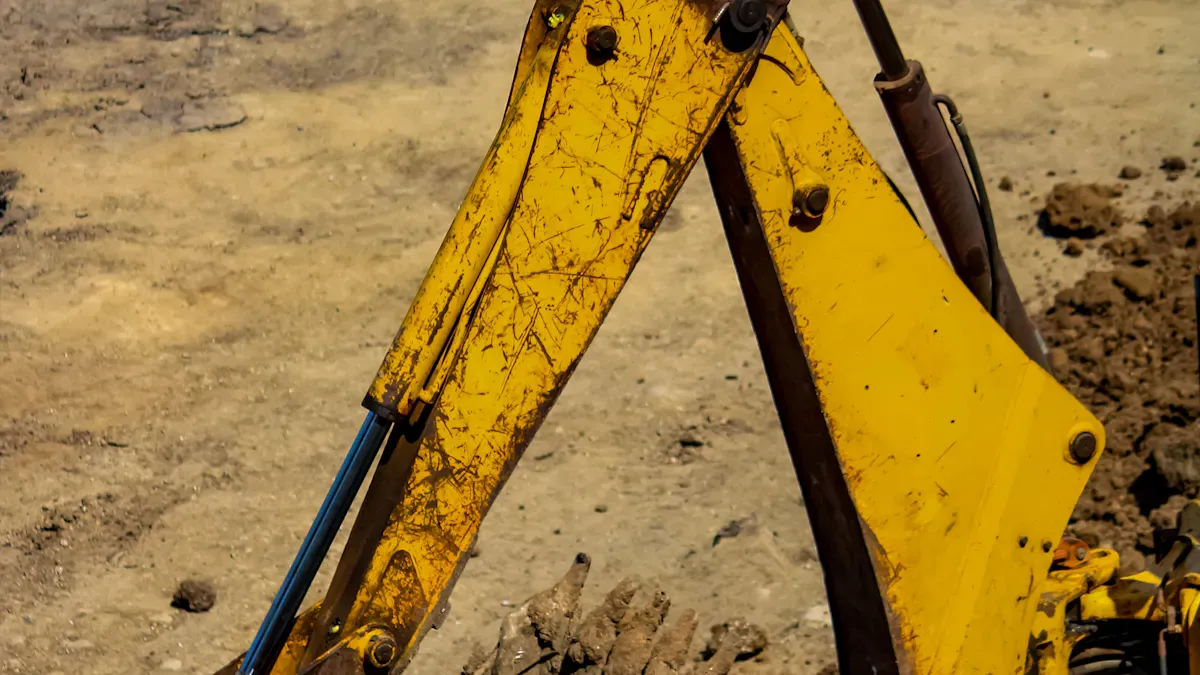
When I evaluate the material quality of Chain-On Rubber Track Pads, I focus on several key factors. The materials used directly impact the performance, durability, and overall effectiveness of the pads. Here are the most common materials I consider:
| Material Type | Properties |
|---|---|
| Natural Rubber | Excellent elasticity, resilience, and resistance to tearing; ideal for constant flexing. |
| Synthetic Rubber (SBR, EPDM) | Enhanced resistance to UV, ozone, oil, and extreme temperatures; suitable for harsh conditions. |
| Steel Reinforcement | Provides strength, prevents elongation, and maintains dimensional stability under load. |
| Thermoplastic Elastomer (TPE) | Superior elasticity and processability; recyclable and withstands repeated flexing. |
| Cord and Fabric Layers | High-strength materials like nylon and Kevlar enhance durability and tear resistance. |
I have learned that the tensile strength of different rubber compounds significantly affects the durability of Chain-On Rubber Track Pads. Here are some insights based on my experience:
- Higher tensile strength in rubber compounds leads to improved resistance against wear, cracking, and deformation under load.
- The use of materials like steel reinforcement and high-strength fabrics enhances the durability and performance of track pads.
- Thermoplastic Elastomers (TPE) provide superior abrasion resistance and can withstand repeated flexing without cracking, making them ideal for continuous-duty cycles.
- Composite structures with layers of nylon, polyester, and Kevlar resist tearing and impact damage, which is crucial for durability in harsh environments.
By carefully evaluating the material quality, I ensure that I select Chain-On Rubber Track Pads that meet the demands of my specific projects. Choosing the right materials not only enhances performance but also extends the lifespan of the pads, ultimately leading to cost savings and increased efficiency.
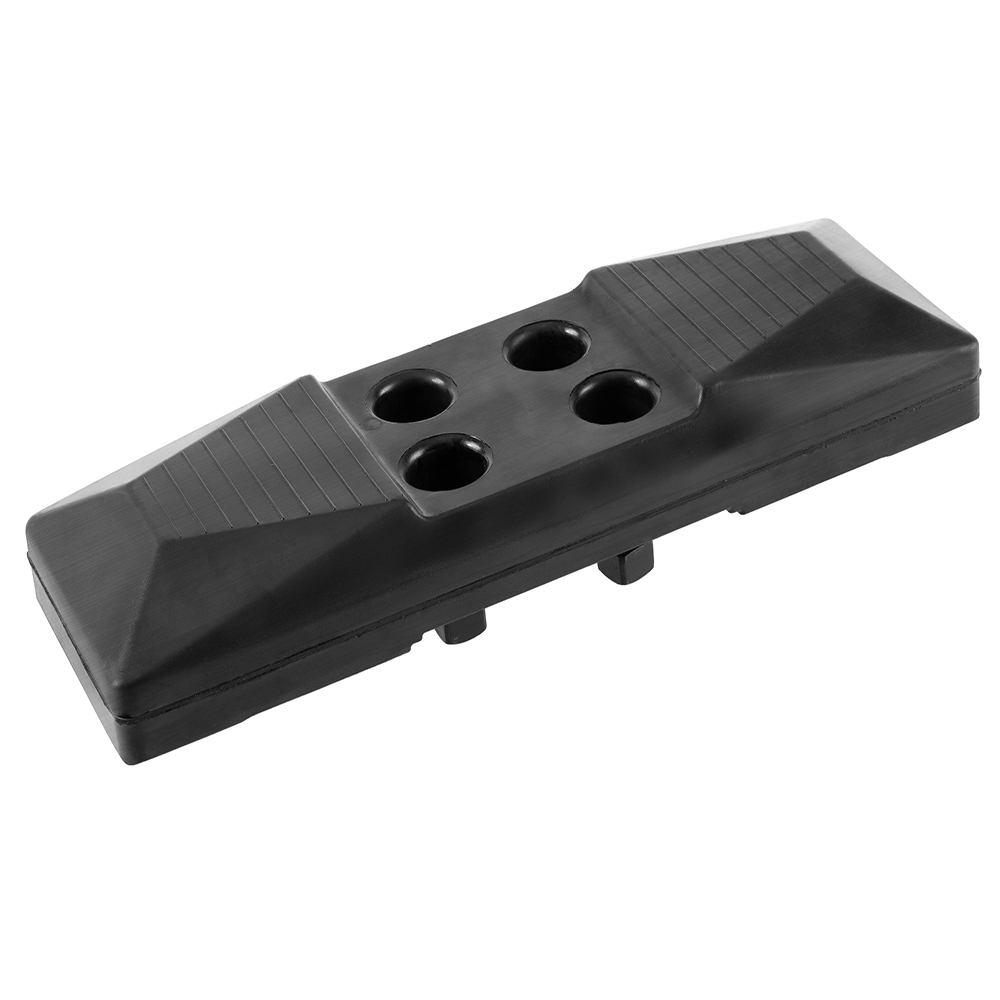
Assessing Track Pad Types
When I assess the types of excavator chain on rubber pads, I focus on their specific features and applications. Understanding these differences helps me choose the right pads for my excavator’s needs. Here are the main types I consider:
| Track Pad Type | Features |
|---|---|
| RP500-175-R1 | Designed for extreme conditions, made from high-grade rubber, and reinforced with steel cords. |
| RP400-135-R3 | Offers excellent traction on various surfaces, with tread patterns that prevent slippage. |
| RP450-154-R3 | Built for heavy-duty operations, providing exceptional performance and reduced ground damage. |
| RP500-171-R2 | Tailored design based on operational challenges, ensuring optimal performance in diverse conditions. |
In my experience, the performance characteristics of different track pad types vary significantly. For instance, I often compare bolt-on, clip-on, and chain-on rubber track pads. Here’s a quick overview of their differences:
| Track Pad Type | Durability | Installation | Flexibility | Application Suitability |
|---|---|---|---|---|
| Bolt-on | High | Secure | Low | Stable surfaces |
| Chain-on | Moderate | Moderate | High | Rough terrains |
| Clip-on | Moderate | Easy | Moderate | Frequent surface changes |
I find that chain-on rubber track pads offer a balance between flexibility and durability, making them suitable for rough terrains. They provide better mobility over obstacles compared to other types. However, they may wear out faster in harsh conditions.
By carefully assessing these track pad types, I ensure that I select the most appropriate option for my excavator, enhancing both performance and efficiency on the job site.
Considering Environmental Conditions
When I consider environmental conditions, I recognize their significant impact on the performance of Chain-On Rubber Track Pads. Extreme temperatures can affect how well these pads function. For instance, I have noticed that high-quality rubber track pads maintain their traction and flexibility in both cold and hot climates. Unlike steel pads, which may become brittle in freezing temperatures, rubber compounds resist cracking and provide enhanced grip on slippery surfaces. This feature significantly improves overall performance in various weather conditions.
Additionally, exposure to chemicals and oils can alter the mechanical properties of rubber pads. Research shows that prolonged contact with hydrocarbons can increase flexibility while reducing stiffness. This change can compromise the performance and longevity of the pads. After extended exposure, I have seen pads lose their ability to deform under load, leading to a more rigid behavior that negatively affects functionality.
Several environmental factors can lead to premature wear of Chain-On Rubber Track Pads. Here are some common issues I have encountered:
- High-speed operations generate excessive friction and heat, accelerating track degradation.
- Frequent reversing creates uneven wear patterns, especially on the edges.
- Operating on abrasive soil conditions, like rocky or sandy terrains, erodes the rubber faster.
- Overloading the machine beyond its capacity places undue stress on the tracks.
- Compact surfaces increase pressure on the tracks, reducing their lifespan.
By understanding these environmental influences, I can make informed decisions when selecting the right track pads for my excavator.
Installation and Maintenance Tips
Proper installation and maintenance of Chain-On Excavator Track Pads are essential for maximizing their lifespan and performance. I have learned that following a structured approach can prevent costly repairs and ensure smooth operations. Here are some key tips I recommend:
- Inspect Regularly: Daily inspections are crucial for identifying cuts, tears, and uneven wear patterns. I always check the pads before each shift to catch small problems early. Weekly and monthly inspections help maintain a comprehensive assessment of the pads’ condition.
- Clean Thoroughly: I find that using a pressure washer to remove foreign materials significantly reduces wear. Keeping the pads clean prevents debris from causing damage over time.
- Maintain Track Tension: Proper track tension is vital. I ensure that the tension is neither too loose nor too tight, as this can lead to premature wear and affect performance.
- Operate Smoothly: I practice smooth and controlled operation techniques. This approach not only enhances performance but also extends the lifespan of the tracks.
- Store Properly: When not in use, I store machinery indoors to protect the rubber tracks from UV rays. This simple step prevents accelerated wear and keeps the pads in optimal condition.
By being proactive with these maintenance routines, I can prevent severe damage and ensure peak performance of my Chain-On Rubber Track Pads.
Selecting the right Chain-On Rubber Track Pads involves several critical factors. I emphasize understanding compatibility, evaluating material quality, and assessing environmental conditions. Additionally, I recommend considering track size, load capacity, and durability. By making informed decisions based on these factors, you can enhance performance and ensure longevity.
Remember, investing in high-quality pads can lead to long-term savings and improved efficiency on the job site.
FAQ
What are the benefits of using Chain-On Rubber Track Pads?
Using Chain-On Rubber Track Pads improves traction, reduces ground damage, and enhances machine stability on uneven surfaces.
How often should I inspect my track pads?
I recommend inspecting track pads daily to catch any wear or damage early and maintain optimal performance.
Can I use different track pad types on the same excavator?
I advise against mixing track pad types, as it can lead to uneven wear and affect overall machine performance.
Post time: Mar-10-2026