
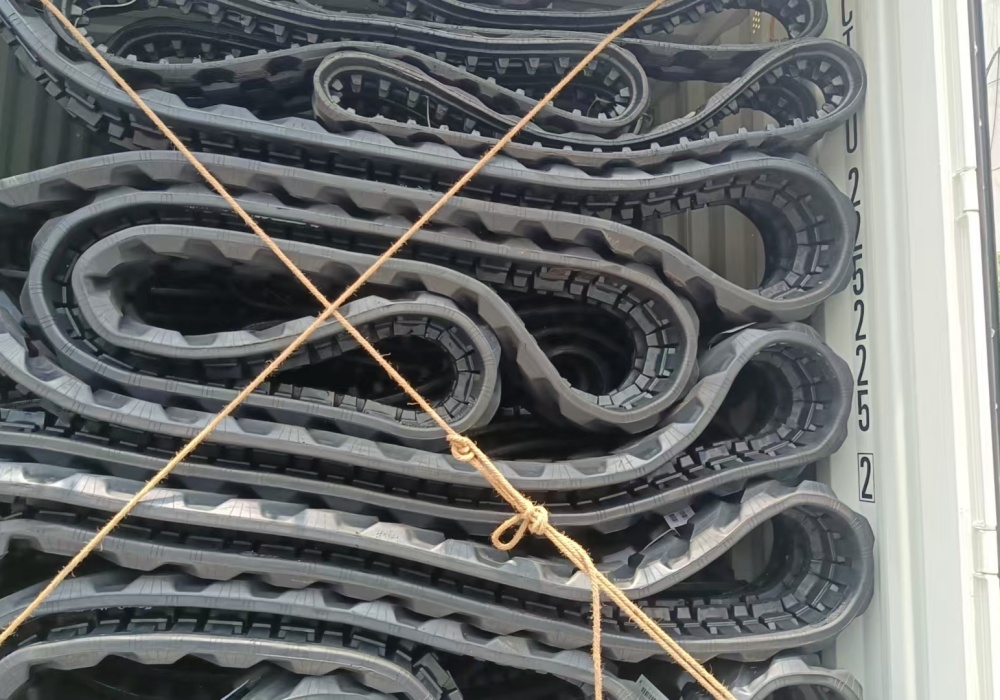
Why Excavator Rubber Tracks Matter for Wholesale Growth
As procurement professionals in the heavy machinery sector, we recognize that aftermarket undercarriage parts represent a highly lucrative, recurring revenue stream. Specifically, the global transition toward compact and mini excavators in urban construction has driven unprecedented demand for high-durability replacement parts. Securing a reliable, cost-effective source for these consumable components is paramount for sustaining wholesale growth and outmaneuvering regional competitors.
The heavy equipment aftermarket is unforgiving regarding quality, meaning sourcing strategies must be rooted in deep product knowledge and strict commercial metrics. By mastering the fundamentals of this product category, we can elevate our distribution business from a mere transactional operation to an indispensable supply partner for local fleets.
Commercial definition of excavator rubber tracks
To build a competitive catalog, we must look past consumer-level definitions. In the B2B landscape, commercial-grade excavator rubber tracks are highly engineered composite structures. They combine a vulcanized rubber matrix with embedded forged steel links and high-tensile steel cords. Unlike legacy overlapping cord designs, modern continuous steel cord technology is the baseline standard required to prevent premature track breakage under heavy torque.
Understanding this structural anatomy allows for better negotiations with overseas manufacturers. Instead of arguing over finished-goods pricing, we can discuss raw material inputs—such as the exact grade of synthetic rubber or the carbon content in the steel links—ensuring we pay for genuine structural integrity.
Buyer-side metrics for wholesale performance
When evaluating wholesale performance, strict buyer-side metrics are essential to gauge profitability. Gross margins for aftermarket tracks should consistently land between 25% and 40%, heavily dependent on regional distribution dominance and the ability to maximize container-load freight efficiencies.
Furthermore, we must monitor the inventory turnover ratio closely, aiming for at least three to four turns annually to prevent capital tie-up in slow-moving SKUs. Finally, enforcing a stringent defect rate threshold is critical; any supplier whose products exceed a 1.5% warranty claim rate within the first 1,000 hours of operation poses a severe risk to a distributor’s B2B reputation and must be audited or replaced.
How to Evaluate Specifications and Suppliers
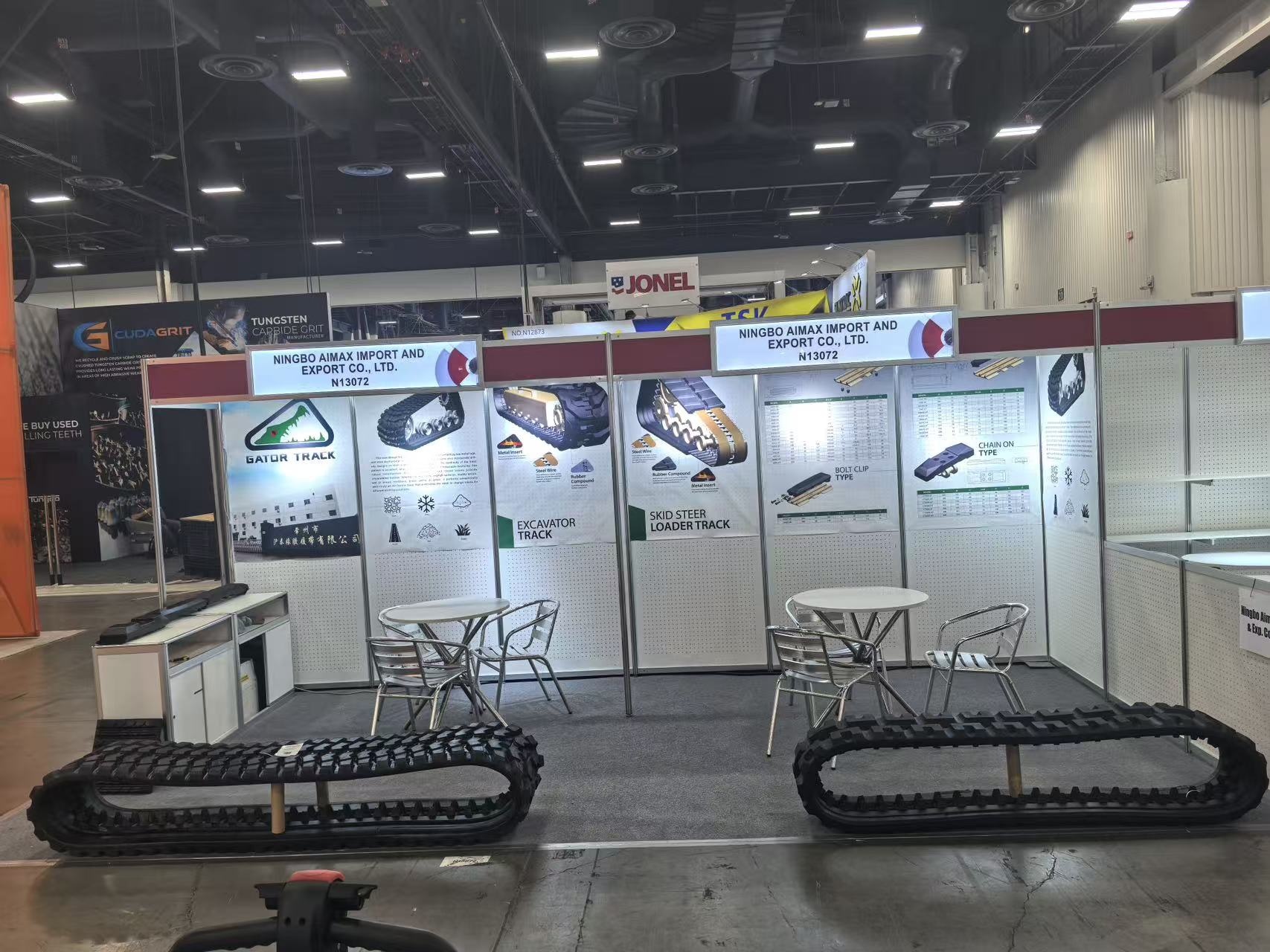
Sourcing aftermarket undercarriage components requires rigorous technical vetting. We cannot afford to evaluate manufacturers based solely on unit cost; the operational risks of catastrophic track failure in the field are simply too high for contractor clients. Therefore, the procurement strategy must balance strict specification tolerances with comprehensive, data-driven supplier auditing.
Key specifications to verify first
Before placing a pilot order, always demand detailed technical data sheets to verify key specifications: width, pitch, and link count. The rubber compound blend is equally critical; a premium track typically utilizes a balanced ratio of natural to synthetic rubber—often a 50/50 or 60/40 split—to ensure both tear resistance against sharp debris and flexibility in cold weather.
Below is a reference table to standardize baseline expectations for different equipment classes during the supplier vetting process:
| Specification Category | Mini Excavators (1-3 Ton) | Mid-Size Excavators (4-8 Ton) | Critical Tolerance Limits |
|---|---|---|---|
| Standard Width (mm) | 180 – 230 | 300 – 450 | ± 2.0 mm |
| Standard Pitch (mm) | 72 | 109 | ± 1.0 mm |
| Steel Cord Architecture | Continuous Cord | Continuous Cord | Zero overlap permitted |
| Minimum Warranty | 1,000 hours / 12 months | 1,500 hours / 18 months | N/A |
How to compare wholesale suppliers
Comparing wholesale suppliers goes far beyond the initial price quote. Prioritize manufacturers who offer scalable Minimum Order Quantities (MOQs), ideally allowing buyers to mix multiple SKUs within a single 1x20ft Full Container Load (FCL) to test local market demand without over-committing capital.
Lead times are another critical differentiator; a top-tier factory should consistently deliver within a 25- to 35-day production window. Evaluate financial flexibility by seeking partners amenable to standard B2B payment terms, such as a 30% TT deposit with the 70% balance paid against the Bill of Lading. Additionally, strictly filter for suppliers holding active ISO 9001 certifications and those who can provide independent batch-testing reports for rubber abrasion resistance.
How to Build a Profitable Procurement and Distribution Plan
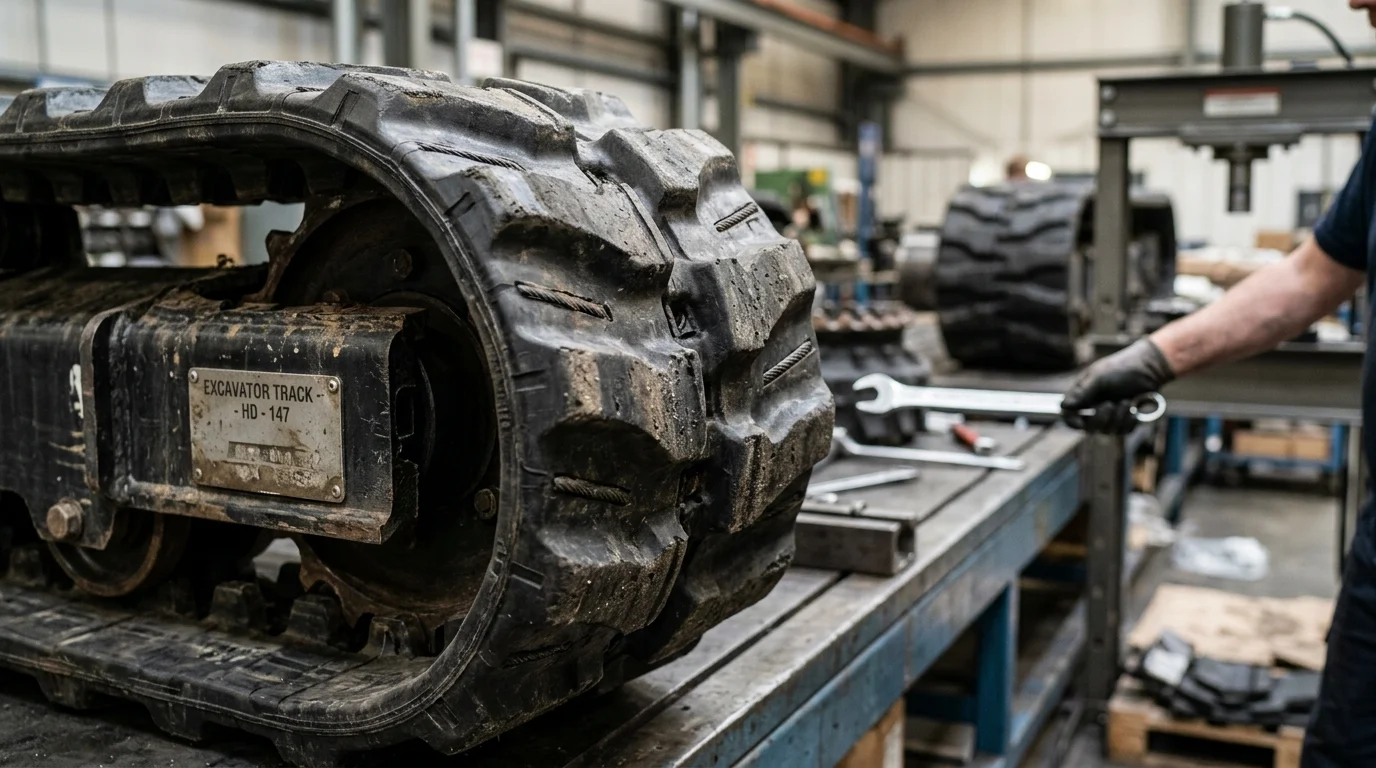
Successfully importing heavy replacement parts is only half the battle; the ultimate goal is rapid, profitable distribution. Developing a comprehensive procurement plan ensures that landed costs remain competitive, while a data-driven inventory strategy guarantees the right parts are available exactly when end-users need them.
What to include in your import plan
An import plan must account for the unique logistical challenges of heavy rubber goods. A standard 20-foot container can typically hold between 200 and 250 tracks, depending on the dimensional mix, usually hitting maximum weight limits before cubing out. Always factor in the specific Harmonized System (HS) codes—such as 4016.99 for vulcanized rubber products—to accurately calculate landed costs, including ocean freight, marine insurance, and import duties.
Furthermore, the warehousing footprint requires specialized infrastructure. Individual tracks weigh anywhere from 50 kg for micro-diggers to well over 150 kg for mid-size units. This necessitates heavy-duty cantilever racking and forklifts equipped with specialized boom attachments to ensure safe, efficient handling and order fulfillment.
How to choose the right product mix
Choosing the right product mix requires an analytical approach to regional fleet data. Apply the Pareto principle to forecasting: roughly 80% of sales volume will inevitably come from 20% of the available SKUs. High-velocity sizes, such as the ubiquitous 230x96x33 or 300×52.5×84 configurations, must form the core of standing inventory to service the most common equipment models.
Procurement cycles should also be mapped to seasonal construction peaks, ensuring the highest stock levels coincide with the spring mobilization period.
Key Takeaways
- Wholesale sourcing and supply-chain implications for excavator rubber tracks
- Specifications, compliance, and commercial terms buyers should validate
- Actionable recommendations for distributors and procurement teams
Frequently Asked Questions
What specifications should I confirm before buying excavator rubber tracks wholesale?
Verify width, pitch, and link count first. Also confirm continuous steel cord construction, rubber compound ratio, and tolerance limits. Request a technical data sheet before any pilot order.
How can I tell if a supplier’s excavator rubber tracks are reliable?
Check ISO 9001 status, batch-testing reports, warranty terms, and actual defect rates. A practical benchmark is keeping warranty claims under 1.5% within the first 1,000 operating hours.
What MOQ and container strategy works best for wholesale growth?
Choose suppliers that let you mix multiple SKUs in one 20ft container. This lowers inventory risk, helps test local demand, and improves freight efficiency without overloading capital.
What lead time and payment terms are typical when sourcing excavator tracks?
A strong factory usually offers 25 to 35 days production time. Common terms are 30% TT deposit and 70% balance against the Bill of Lading.
What margin and inventory targets should wholesalers aim for?
Target gross margins around 25% to 40% and inventory turns of 3 to 4 times per year. These benchmarks help protect cash flow while keeping your track catalog profitable.
Post time: Apr-17-2026