Introduction
Modern job sites rarely stay on one surface. An excavator may dig through compacted soil in the morning, cross gravel at midday, and move over finished asphalt before the shift ends. That change in terrain makes digger tracks and track pads more than a wear part—they directly affect traction, pavement protection, transport efficiency, and operating costs. This article explains how versatile excavator track pads help machines transition between dirt and paved surfaces without sacrificing productivity, and what buyers should consider when comparing materials, pad designs, durability, and return on investment before choosing a setup for mixed-surface work.
Why Digger Tracks and Excavator Track Pads Matter
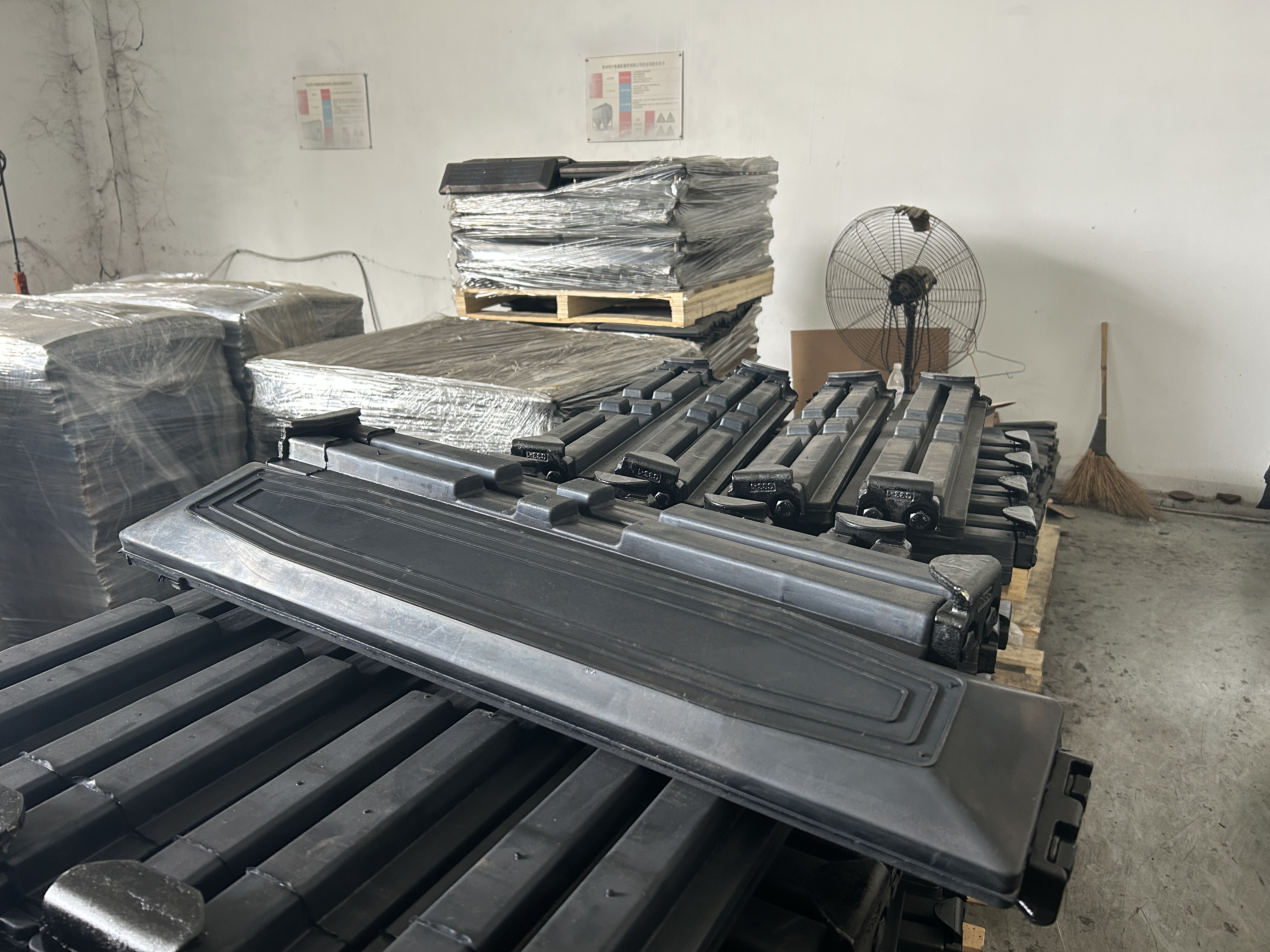
The operational environment for heavy earthmoving equipment is increasingly varied, often requiring machines to navigate raw soil, abrasive gravel, and sensitive paved surfaces within a single shift. Bare steel digger tracks excel in aggressive dirt and demolition applications but inflict severe damage on asphalt and concrete. Excavator track pads serve as the critical interface that bridges this gap, providing the traction required for excavation while mitigating surface destruction during transit.
The commercial case for versatile track solutions
Urban contractors face strict regulatory and financial pressures regarding infrastructure preservation. Municipalities routinely levy surface repair penalties that can exceed $5,000 per incident for pavement scarring caused by heavy machinery. Deploying versatile track pads transforms a single-purpose dirt excavator into a multi-surface tool, allowing operators to bid on urban utility and roadwork contracts without factoring in the cost of dedicated transport vehicles or sub-contracted surface repair.
The commercial justification for these pads is rooted in asset utilization. Upgrading standard steel digger tracks with high-quality rubber or polyurethane pads typically yields a return on investment within 3 to 6 months, simply by eliminating the logistics of transporting machines via lowboy trailers for short-distance site relocations.
Operating demands, customer expectations, and lifecycle costs
Fleet managers must balance machine availability against the lifecycle costs of undercarriage components. Swapping a machine between dedicated continuous rubber tracks and full steel tracks requires specialized equipment and 4 to 8 hours of costly downtime. In contrast, modern track pads allow operators to adapt to changing surface demands efficiently, with rapid clip-on systems reducing transition times to under 90 minutes.
Beyond surface protection, track pads absorb high-frequency vibrations that would otherwise transfer through the undercarriage into the final drives and operator cabin. This dampening effect reduces metal fatigue on the rollers, idlers, and sprockets. By shielding the steel grousers from direct abrasive contact with paved surfaces, operators can extend the baseline lifespan of the steel track group by up to 30%, significantly deferring major undercarriage overhauls.
What Defines High-Performance Tracks and Pads
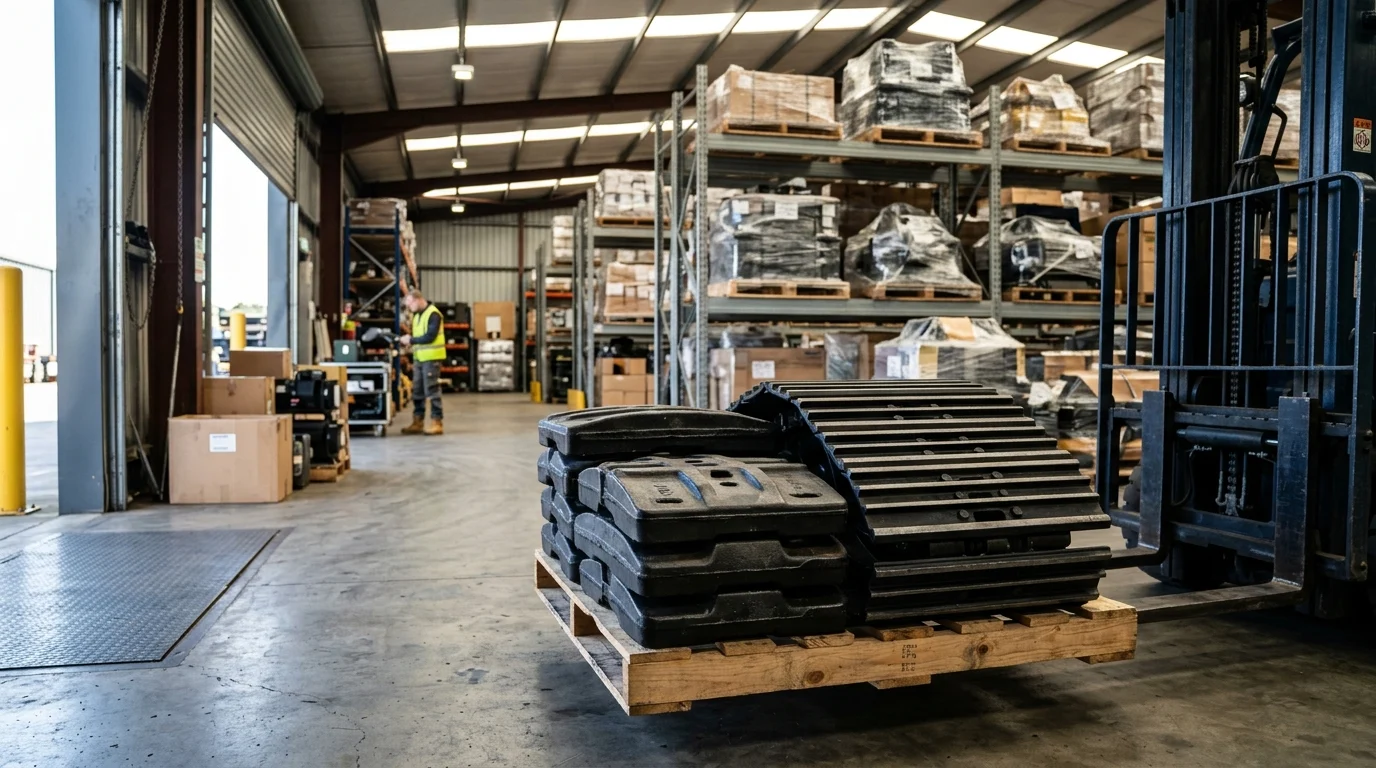
High-performance digger tracks and their associated pads rely on advanced metallurgy and engineered polymers. The primary engineering challenge is balancing structural rigidity for load distribution with sufficient elasticity to resist tearing under high-torque maneuvers.
Key design variables for asphalt and dirt applications
Track pad performance is heavily dictated by the durometer rating of the elastomeric compound. A Shore A hardness of 70 to 80 is typically optimal, providing enough flexibility to grip asphalt without succumbing to chunking when the excavator pivots. High-performance rubber pads feature embedded steel plates that prevent the rubber from shearing off the mounting hardware under lateral stress.
Engineers must also account for the added mass. Installing a full set of heavy-duty pads can increase the overall track weight by 15% to 25%. This added rotational mass requires operators to maintain strict track tensioning protocols to prevent premature wear on the recoil springs and front idlers. Furthermore, chamfered edge designs are increasingly utilized to reduce the ground contact area during tight rotations, minimizing the friction that leads to edge tearing.
A practical comparison of track and pad options
Selecting the optimal interface depends on the frequency of surface transitions and the specific operational environment. Bolt-on pads offer maximum security, while clip-on variants prioritize rapid installation.
The following table outlines the operational parameters for common track and pad configurations:
| Track/Pad Type | Installation Time | Shore A Hardness | Expected Lifespan (Hours) | Primary Application |
|---|---|---|---|---|
| Bolt-on Rubber Pads | 2-4 hours | 75-80 | 1,500 – 2,000 | Mixed dirt and sensitive asphalt |
| Clip-on Rubber Pads | 1-2 hours | 70-75 | 1,000 – 1,500 | Temporary urban transitions |
| Roadliner (Polyurethane) | 3-5 hours | 85-90 | 2,500 – 3,000 | High-frequency roading |
| Continuous Rubber Tracks | N/A (Dedicated) | 65-70 | 2,000 – 2,500 | Soft terrain, strict turf protection |
How to Evaluate and Specify the Right Solution
Specifying the correct digger tracks and pad configurations requires a rigorous evaluation of the machine’s weight class, the primary operating environment, and the fleet’s maintenance capabilities. Precise specification prevents premature undercarriage wear and costly mid-project failures.
Selection steps, fitment checks, and maintenance basics
The specification process begins with precise measurements of the steel track group. Procurement specialists must verify the grouser pitch and shoe width, as track pads typically range from 300mm for compact equipment up to 600mm for mid-sized excavators. Fitment checks must ensure the pad’s mounting bracket clears the track rollers and chain links during articulation.
Once installed, maintenance dictates longevity. Proper torque specification is critical; bolt-on pads generally require 120 to 150 Nm of torque to prevent loosening under high shear forces. Fleet technicians should conduct daily visual inspections to identify pad chunking or steel core delamination. Replacing a single compromised pad immediately prevents uneven load distribution, which can rapidly degrade adjacent pads and accelerate wear on the track chain.
Decision guidance based on total cost of ownership
Total Cost of Ownership (TCO) models must factor in initial procurement, replacement frequency, and the labor associated with changeovers. While standard rubber pads present a lower barrier to entry, heavy-duty polyurethane alternatives offer superior economics for high-roading applications.
Premium polyurethane pads may command a 40% higher upfront premium compared to standard rubber variants. However, their extended wear life—frequently exceeding 3,000 operating hours—and near-zero chunking rate dramatically alter the lifecycle cost. For a standard 15-ton excavator, upgrading to premium roadliner pads can reduce the per-hour undercarriage operating cost by $1.50 to $2.00. Ultimately, procurement decisions must weigh these long-term operational savings against the immediate capital expenditure, prioritizing solutions that align with the fleet’s specific utilization profile.
Key Takeaways
- The most important conclusions and rationale for digger tracks
- Specs, compliance, and risk checks worth validating before you commit
- Practical next steps and caveats readers can apply immediately
Frequently Asked Questions
Which excavator track pad type is best for frequent asphalt-to-dirt transitions?
Bolt-on pads are usually best for mixed daily use because they balance secure fit, traction, and pavement protection. For faster temporary changeovers, Gator Track also offers clip-on options.
How do rubber excavator track pads help protect asphalt?
They create a cushioned contact surface between steel tracks and pavement, reducing scarring, chipping, and repair risk. They also improve grip during short road moves and urban utility work.
What should I check before ordering replacement digger track pads from Gator Track?
Confirm your excavator model, pad style, chain type, bolt pattern, and operating surface. If available, share track dimensions or existing pad codes to match the correct fitment.
Are bolt-on, clip-on, and chain-on excavator pads available for different machines?
Yes. Gator Track offers bolt-on, clip-on, and chain-on rubber pad options across many fitment sizes and model codes for excavators and related undercarriage applications.
Do excavator track pads reduce undercarriage wear?
Yes. Pads help limit direct steel-to-pavement contact, reduce vibration, and protect grousers from abrasive road surfaces, which can lower wear on rollers, idlers, and related undercarriage parts.
Post time: Jun-10-2026