
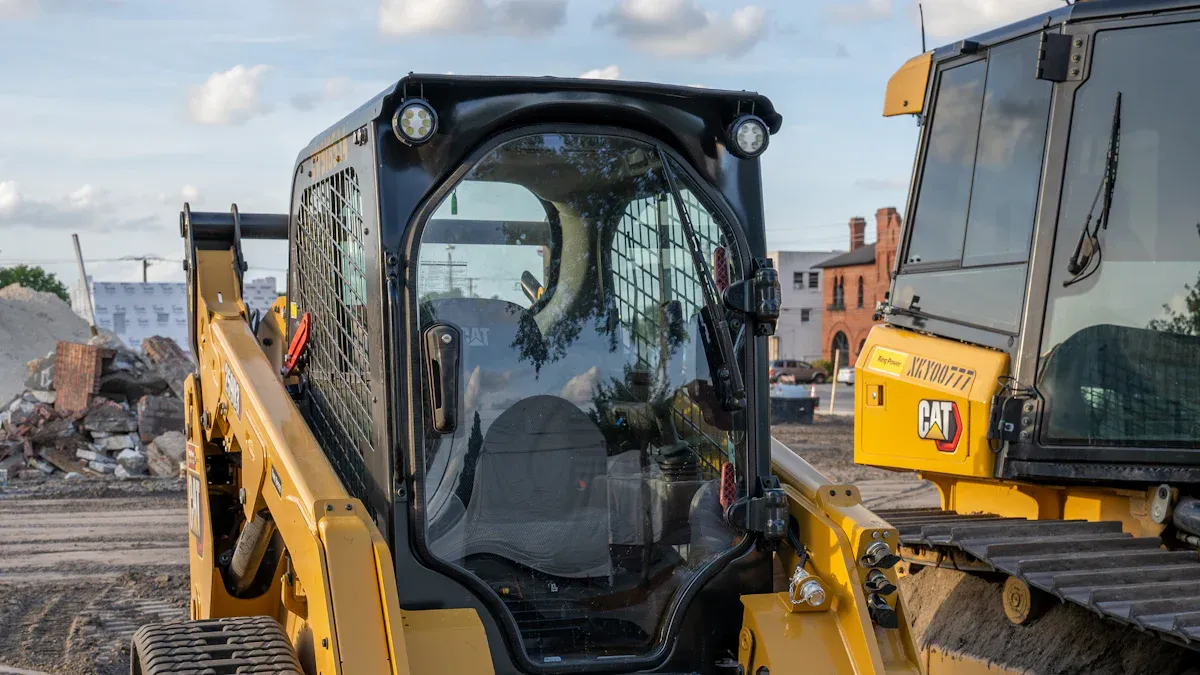
Consistent maintenance is vital for your equipment’s longevity. You prevent costly downtime and unexpected repairs with proactive care of your ASV tracks. Proper ASV track maintenance directly impacts your operational efficiency. It also significantly boosts your profitability.
Key Takeaways
- Clean your ASV tracks every day. This removes dirt and stops wear.
- Check your ASV tracks often for damage. Look for cuts or loose parts.
- Keep your ASV tracks at the right tension. This helps them last longer.
Daily Maintenance Practices for ASV Tracks
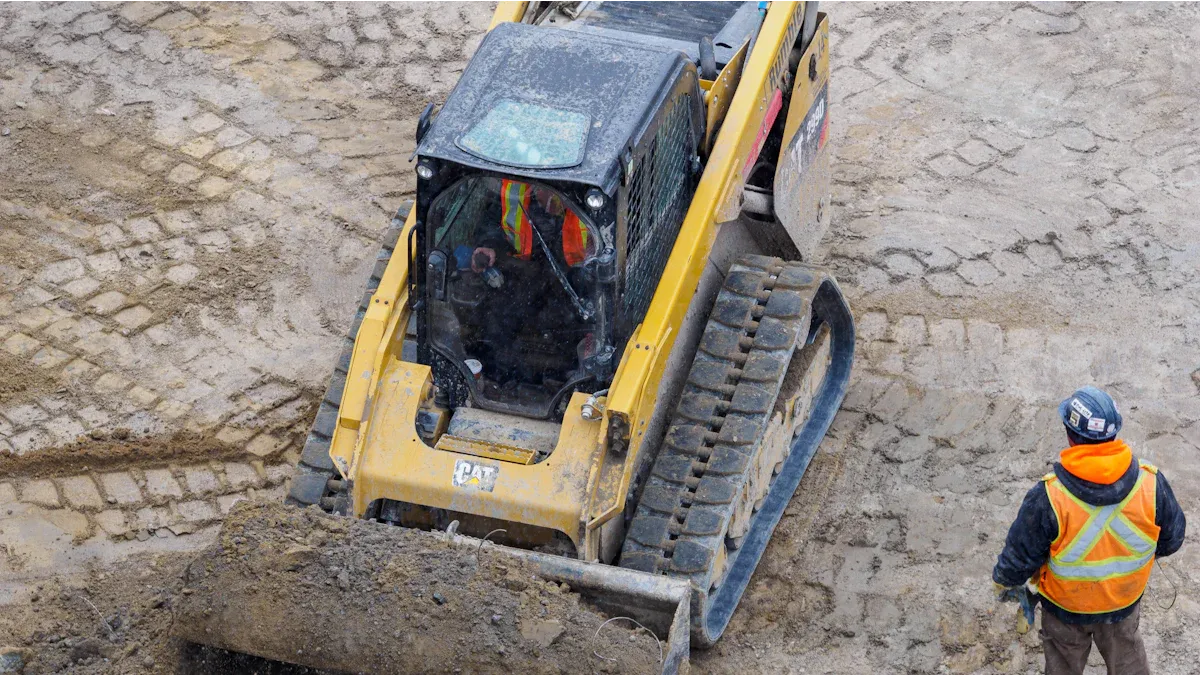
You must perform daily maintenance to keep your equipment running smoothly. These simple steps prevent major problems later. They also extend the life of your ASV tracks.
Routine Cleaning of ASV Tracks
Clean your ASV tracks every day. Mud, dirt, and debris build up quickly. This buildup causes extra wear on components. Use a pressure washer to remove stubborn grime. A scraper also helps dislodge caked-on material. Clean tracks operate more efficiently. They also allow for better inspection.
Visual Inspections of ASV Tracks
Conduct a thorough visual inspection daily. Look for any signs of damage. Check for cuts, cracks, or tears in the rubber. Inspect the drive lugs and guide blocks for wear. Ensure all bolts and fasteners are tight. Loose components can lead to serious issues. Pay attention to any unusual wear patterns. Early detection saves you money.
Debris Removal from ASV Tracks
Remove all debris from your undercarriage. Rocks, sticks, and mud pack into the track system. This material creates friction and abrasion. It can also stretch the tracks. Use a pry bar or shovel to clear out packed debris. Do this immediately after operating in dirty conditions. Keeping the undercarriage clear prevents premature wear. It also maintains proper track tension.
Key Maintenance Hacks for Extended ASV Tracks Life
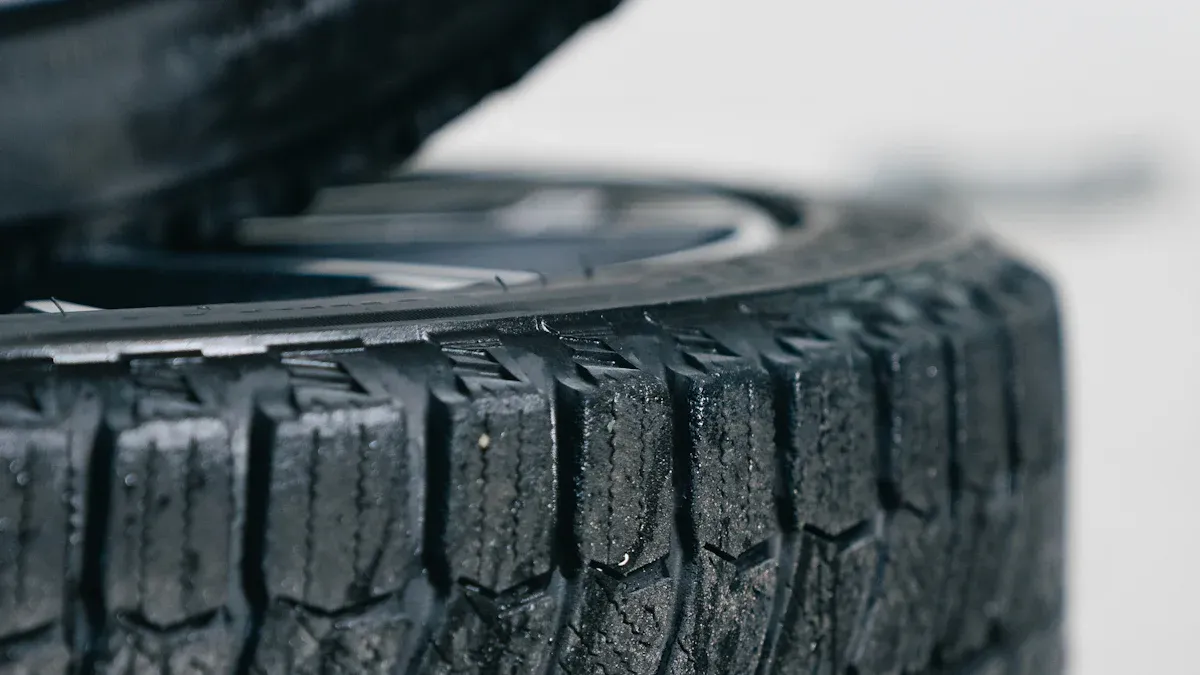
You can significantly extend the life of your ASV tracks. Implement these key maintenance hacks. They go beyond daily checks. These practices ensure your equipment performs reliably.
Proper ASV Tracks Tensioning
Maintaining correct track tension is crucial. Proper tension prevents your ASV Rubber tracks from coming off. It also reduces wear on all undercarriage components.
Tip: Always consult your ASV owner’s manual for specific tensioning guidelines. Each model has unique requirements.
You usually check tension by measuring the sag. This sag occurs between the rollers. If the track is too loose, it can de-track easily. This causes damage and downtime. If the track is too tight, it puts excessive strain on the undercarriage. This leads to premature wear on bearings and sprockets. Adjust tension using a grease gun on the tensioner. Release pressure if the track is too tight. Correct tension ensures smooth operation and longer track life.
Lubrication for ASV Tracks Components
Lubrication is vital for moving parts. It reduces friction and prevents corrosion. Focus on key undercarriage components:
- Idler Wheels: These guide the track.
- Rollers: They support the weight of the machine.
- Drive Sprockets: These engage the track lugs.
- Pivot Points: Any areas with rotational movement.
Refer to your ASV manual for specific lubrication points and schedules. Use the recommended type of grease or oil. Regular lubrication extends the life of these critical parts. You will notice smoother operation and less wear.
Undercarriage Component Checks for ASV Tracks
Regularly inspect your undercarriage components. This helps you catch problems early. Look for signs of wear or damage on:
- Idler Wheels: Check for flat spots, cracks, or excessive play.
- Rollers: Ensure they spin freely. Look for wear on the treads.
- Drive Sprockets: Inspect the teeth for wear, chipping, or bending.
- Frame and Mounts: Check for cracks, bends, or loose bolts.
- Seals: Look for any oil or grease leaks. Leaks indicate a failing seal.
Early detection of issues saves you money. You can replace a worn part before it causes damage to other components. Regular checks keep your ASV running efficiently and safely.
Operational Strategies to Minimize ASV Tracks Wear
You can greatly extend the life of your equipment. Use smart operational strategies. These methods reduce wear on your tracks. They also keep your machine running efficiently.
Avoiding Harsh Maneuvers with ASV Rubber Tracks
Harsh maneuvers put extreme stress on your tracks. You should avoid sharp, sudden turns. Do not make quick stops or starts. Rapid pivots also cause damage. These actions increase friction. They stress the track components. They can also cause your track to de-track. Instead, make gradual turns. Accelerate and decelerate smoothly. Plan your movements ahead of time. Smooth operation extends track life. It also keeps your machine stable.
Managing Load Distribution for ASV Tracks
How you load your machine affects track wear. Uneven or excessive loads cause problems. They put more pressure on one side of the undercarriage. This leads to faster wear on those components. It also stresses the entire undercarriage system. Always center your load. Distribute weight evenly across the machine. Do not overload your ASV. Overloading causes premature wear. It also reduces machine stability. Proper loading ensures even wear. It helps your ASV tracks last longer.
Operating on Varied Terrains with ASV Tracks
Different terrains require different driving styles. Adapting your operation minimizes wear.
- Rocky Terrain: Drive slowly. Avoid spinning your tracks. Rocks can cut and abrade the rubber.
- Muddy Terrain: Clear mud from your undercarriage often. Packed mud increases friction. It can also stretch your tracks.
- Sandy Terrain: Avoid fast turns. Do not spin your tracks. Sand acts like sandpaper. It causes abrasive wear.
- Sloped Terrain: Use caution on inclines and declines. Avoid sudden changes in direction. This prevents excessive stress on one side of the track.
Adapt your driving to the conditions. This minimizes wear. It also keeps your machine safe.
Advanced Tips for Proactive ASV Tracks Care
You can take your maintenance efforts further. These advanced tips help you proactively care for your equipment. They ensure your ASV tracks last even longer.
Adhering to Manufacturer Guidelines for ASV Tracks
Always follow your manufacturer’s guidelines. These instructions provide specific details for your machine. They cover maintenance schedules. They also list recommended parts and fluids. You find proper torque settings for bolts. You learn about specific inspection points. Ignoring these guidelines can void your warranty. It also leads to premature wear. Your manual is your best resource. Use it often.
Operator Training for ASV Tracks Longevity
Proper operator training is essential. Well-trained operators reduce wear on your equipment. They understand how to operate the machine smoothly. They avoid harsh maneuvers. They know how to manage loads correctly. They also recognize early signs of problems. Invest in training for your team. Skilled operators extend the life of your ASV tracks. They also improve safety on the job site.
Leveraging Technology for ASV Tracks Predictive Maintenance
Modern technology offers great benefits. You can use telematics systems. These systems monitor machine performance. They track hours of operation. They also record fault codes. Some systems predict potential failures. You receive alerts for upcoming maintenance needs. This allows you to schedule repairs before breakdowns occur. Predictive maintenance saves you time and money. It keeps your ASV running efficiently.
Recognizing When to Seek Professional ASV Tracks Assistance
You perform regular maintenance. Still, some issues require expert help. Knowing when to call professionals saves you time and money. They prevent further damage to your ASV.
Identifying Signs of Severe ASV Tracks Wear
You should look for specific signs of severe wear. These indicate a need for professional attention.
- Deep Cuts or Tears: You see cuts that expose the internal cords. These cuts weaken the track structure.
- Missing Lugs or Guide Blocks: Your track has several missing drive lugs or guide blocks. This affects traction and steering.
- Excessive Cracking: You notice widespread, deep cracks across the track surface. This shows material fatigue.
- Track Delamination: The rubber layers begin to separate. This is a serious structural failure.
- Unusual Noises or Vibrations: Your machine makes new, loud noises or vibrates excessively. This often points to major undercarriage problems.
Benefits of Expert ASV Tracks Inspections
Professional inspections offer many advantages. Experts have specialized tools and knowledge. They can spot problems you might miss.
Tip: A professional inspection provides a detailed assessment. They give you an accurate diagnosis of track health.
They identify underlying issues. They recommend the best repair solutions. This prevents small problems from becoming costly breakdowns. Expert advice ensures your ASV operates safely and efficiently.
Sourcing Quality ASV Tracks Replacement Parts
You need quality parts for replacements. Always choose parts from reputable suppliers. Original Equipment Manufacturer (OEM) parts guarantee fit and performance. Aftermarket parts can also be good. Ensure they meet high-quality standards. Poor quality parts wear out quickly. They can also damage other components. Ask for warranties on replacement parts. This protects your investment.
Consistent ASV track maintenance offers significant long-term benefits. You will achieve substantial savings and improved operational performance. Prioritize these maintenance strategies. Implement them for your ASV tracks.
Tip: Proactive care keeps your ASV running strong and profitable.
FAQ
How often should you clean your ASV tracks?
You should clean your ASV tracks daily. Remove mud, dirt, and debris after each use. This prevents buildup and reduces wear.
What happens if your ASV tracks are too tight?
Tight tracks put excessive strain on undercarriage components. This leads to premature wear on bearings and sprockets. It also reduces efficiency.
How can you extend the life of your ASV tracks?
Maintain proper tension, lubricate components regularly, and avoid harsh maneuvers. Always follow manufacturer guidelines.

Post time: Dec-11-2025