
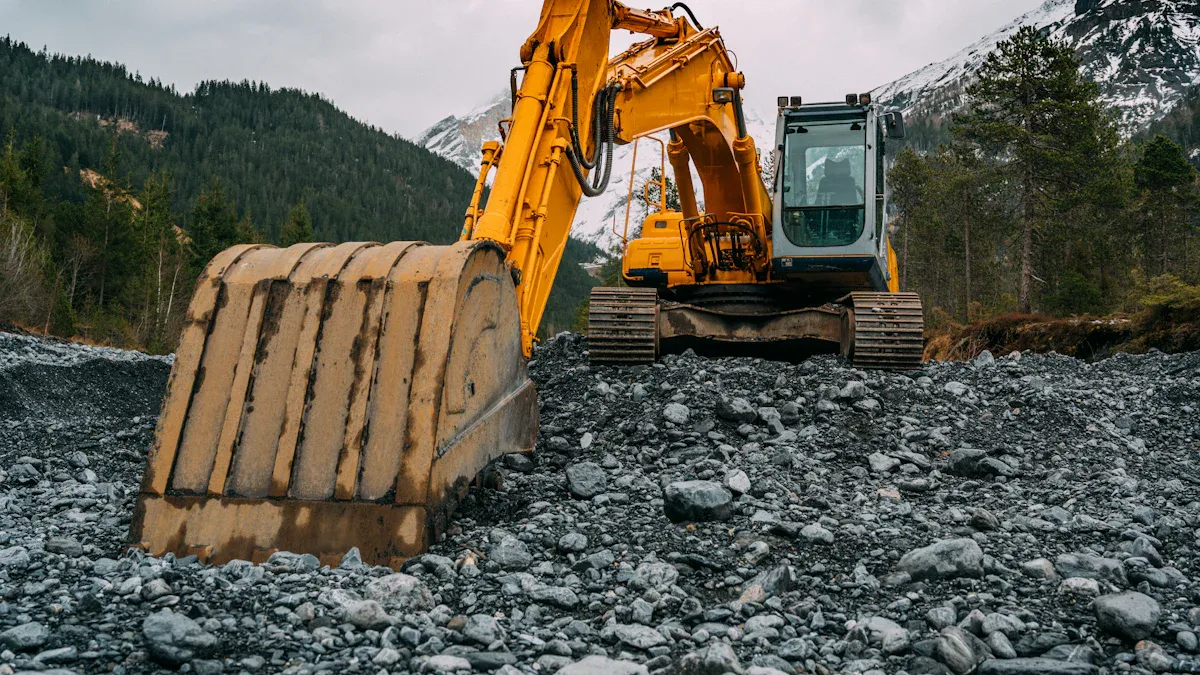
Rubber Excavator Tracks face a tough life! One day, they’re rolling over smooth ground; the next, they’re dodging sharp rocks and sneaky steel debris. He knows that ignoring track tension, skipping cleaning, or overloading can spell disaster. Every operator wants tracks that outlast the hazards and keep the machine moving.
Key Takeaways
- Choose high-quality rubber excavator tracks with strong steel reinforcement and special rubber compounds to ensure long-lasting durability and better performance on tough terrains.
- Always select tracks that fit your machine’s size and type perfectly to improve traction, reduce wear, and save fuel, while matching the tread pattern to your working environment for optimal grip and safety.
- Maintain your tracks regularly by checking tension, cleaning off mud and debris, and avoiding sharp turns or overloading to extend their lifespan and prevent costly repairs.
Why Durability Matters for Rubber Excavator Tracks
Performance and Efficiency
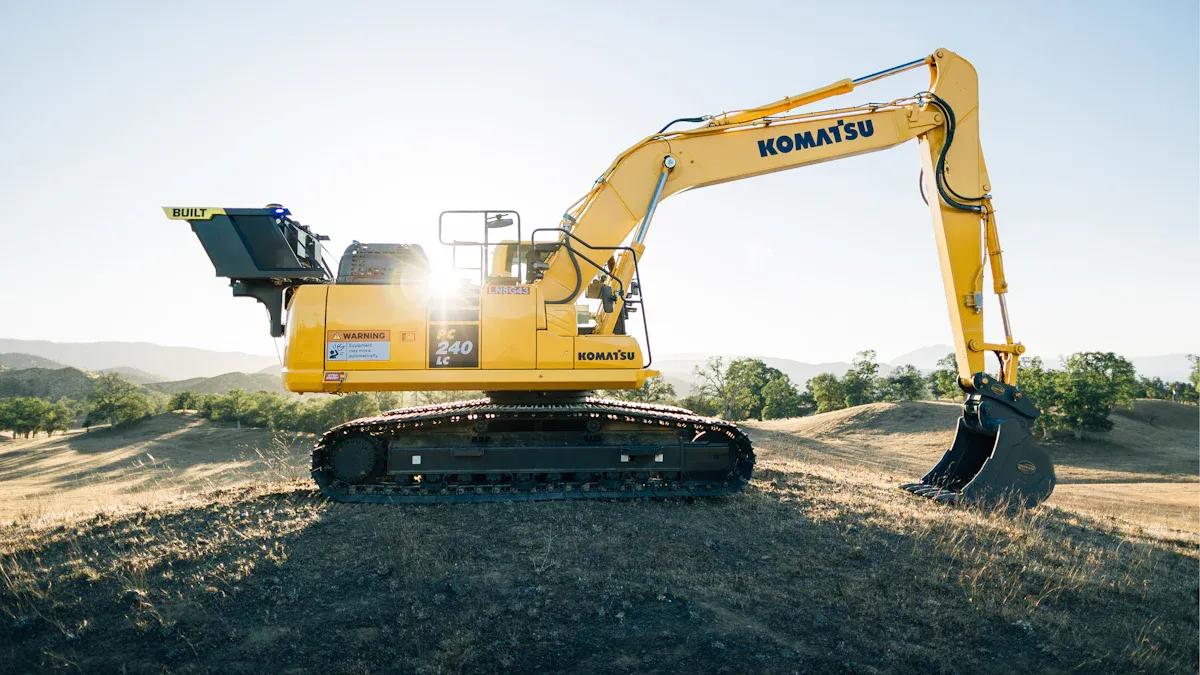
Durable Rubber Excavator Tracks turn a tough job into a smooth ride. These tracks resist punctures, scrapes, and even wild weather. Machines with strong tracks keep working longer, even when the ground gets muddy or rocky. Operators notice better traction and less bouncing around. The tracks spread the machine’s weight, so it glides over soft dirt instead of sinking. On steep slopes or uneven ground, the excavator stays steady and keeps digging.
Tip: Tracked machines can work in wet or soft areas where wheels would get stuck. That means more workdays and less waiting for dry weather!
Cost Savings and Longevity
Nobody likes surprise repair bills. High-quality tracks save money by lasting longer and needing fewer fixes. They use tough rubber and steel cords to fight off cracks and wear. Take a look at the numbers:
| Track Quality / Maintenance Level | Average Lifespan (hours) | Notes |
|---|---|---|
| High-quality tracks with expert maintenance | Up to 2,000+ hours | Built to resist damage and last longer |
| Typical rubber tracks (average quality) | 1,000 – 2,000 hours | Depends on care and job site |
| Low-quality or poorly maintained tracks | 800 – 1,000 hours | Wears out fast, needs more replacements |
Good tracks mean less downtime and more digging. Regular cleaning and the right fit stretch those hours even further.
Safety on the Job Site
Safety always comes first. Durable tracks grip the ground, so the excavator doesn’t slip or tip. They cut down on vibration, which keeps both the operator and the machine happy. Less bouncing means fewer mistakes and less damage to the ground. When tracks stay strong, everyone on the site can focus on the job, not on dodging breakdowns or accidents.
Essential Factors for Choosing Rubber Excavator Tracks
Material Quality and Construction
A tough job needs tough tracks. When it comes to Rubber Excavator Tracks, the secret sauce lies in their construction. Manufacturers pack these tracks with steel cables or belts inside the rubber. This steel reinforcement helps the tracks fight off punctures, tears, and nasty surprises on the job site. The outside layer uses hard, durable rubber to handle rocks and rough ground. The inside stays softer and flexible, which keeps the ride smooth and reduces stress on the machine.
Tip: Tracks with special rubber compounds last longer because they resist cracks and punctures. The flexible rubber also absorbs shocks, so the excavator doesn’t shake like a washing machine on spin cycle.
Here’s what makes a track truly durable:
- Steel reinforcement for strength and puncture resistance
- Hard outer rubber for wear and tear
- Softer inner rubber for flexibility
- Special rubber formulas to fight cracks and splits
- Designs like continuous belts or hybrid steel-rubber combos for extra toughness
Tread Pattern Selection for Different Terrains
Not all tracks are created equal. The tread pattern can make or break your day, especially when the ground gets tricky. Some patterns love mud, others grip rocks, and a few glide over city streets like a skateboard at the park.
| Tread Pattern | Recommended Environment | Key Features and Benefits |
|---|---|---|
| Straight Bar | Muddy, loose soil | Aggressive traction, deep lugs keep you moving in mud |
| Staggered | Rocky, gravelly terrain | Durable, heat-resistant, grips abrasive surfaces |
| C-LUG / C-Pattern | Urban, highway, landscaping | Smooth ride, protects turf, boosts traction |
| Multi-Bar | Mixed conditions | Smooth ride, works on hard and loose ground |
| Zig-Zag/Block | Muddy, loose soil | Extra grip, cleans out mud easily |
| H-Pattern | Rock, mud, concrete, slopes | Reduces vibration, handles many surfaces |
| Hex Pattern | Turf, landscaping | Gentle on grass, smooth ride |
Note: Deep grooves and channels help tracks shed water and mud, so you don’t get stuck. Big tread blocks grip dry ground, while special patterns handle snow, ice, or city streets.
Machine Compatibility and Sizing
Size matters! Picking the right size for Rubber Excavator Tracks keeps the machine happy and the operator out of trouble. Tracks that are too wide or too narrow mess with traction, stability, and fuel use. Wide tracks float better on soft ground but can wear out faster if they don’t match the job. Narrow tracks grip harder but might make the machine wobble.
If the tracks don’t fit the excavator’s make, model, or weight, things go downhill fast. Wrong-sized tracks can cause:
- Poor traction and control
- Extra wear on undercarriage parts
- More fuel burned
- Higher risk of derailing or damage
Common mistakes include picking tracks that are too big or too small, skipping the size check stamped on the old tracks, or not confirming with the manufacturer.
Tip: Always double-check the size and make sure the tracks match the machine’s specs. The right fit means longer life and smoother digging.
Working Environment Considerations
Mother Nature can be tough on tracks. Sun, rain, mud, and chemicals all take their toll. Hot weather softens rubber, making it wear out faster. Freezing cold turns rubber brittle, so it cracks more easily. Sunlight can make tracks dry and crumbly.
Moisture sneaks inside and rusts the steel parts. Chemicals like oil, salt, or fertilizer eat away at rubber and steel, causing cracks and corrosion. Tracks with heat-resistant or UV-resistant coatings last longer in harsh weather.
Tip: Choose tracks designed for your usual weather. If the job site is hot, cold, wet, or chemical-heavy, pick tracks built to handle those conditions.
Maintenance and Service Needs
Even the best tracks need a little TLC. Daily inspections catch problems early. Operators should look for cracks, missing lugs, or exposed steel. Cleaning off mud, rocks, and chemicals after every use keeps tracks in top shape.
- Check and adjust track tension every month or after 50 hours of work. Too tight? The tracks wear out fast. Too loose? They might fall off.
- Store tracks in a cool, dry place out of the sun. Wash and dry them before storage, especially after working in salty or chemical-filled areas.
- Replace tracks when they show deep cracks, missing chunks, or exposed steel cords.
Pro Tip: Training operators to avoid sharp turns, rough surfaces, and aggressive driving helps tracks last longer. A clean worksite with fewer sharp objects means fewer surprises for your tracks.
How to Assess the Durability of Rubber Excavator Tracks
Key Construction Features to Look For
A smart buyer checks under the hood—or in this case, under the track! The best Rubber Excavator Tracks pack a punch with these features:
- Embedded steel links and continuously wrapped steel cables boost strength and keep the track from stretching or snapping.
- Multi-layer rubber construction stands up to sharp rocks and heavy loads, while special coatings fight off rust and corrosion.
- Track width, pitch, and the number of steel links all play a role in fit and performance.
- High-quality rubber pads, especially bolt-on types, keep the ride safe and smooth.
- Regular inspections catch cracks, missing lugs, or exposed cords before they turn into big problems.
Pro tip: Two layers of steel cables and helical multi-strand structures help tracks bend and flex without falling apart.
Evaluating Manufacturer Reputation and Support
Not all brands are created equal. A top-notch manufacturer stands out by:
- Using reinforced rubber or hybrid compounds that resist wear and cracking.
- Making sure their tracks fit your machine perfectly, no extra tools needed.
- Offering fair prices for high quality—sometimes paying a bit more saves money in the long run.
- Earning glowing reviews from real users who praise reliability and performance.
- Providing strong customer support and advice for every terrain.
Great after-sales service and quick help can save the day when things go sideways.
Understanding Warranty Terms
Warranties tell a story about track durability. Here’s what to look for:
| Aspect | Details |
|---|---|
| Warranty Period | 12-24 months is common for premium tracks |
| Coverage | Defects in materials and workmanship |
| Exclusions | Normal wear, improper use, or installation mistakes |
| Claim Procedure | Contact support with photos and proof of purchase |
| Remedy | Repair or replacement, usually at the manufacturer’s discretion |
Longer warranties often mean the manufacturer trusts their tracks to last. Premium tracks with longer coverage usually deliver more hours on the job.
Practical Tips for Maximizing the Lifespan of Rubber Excavator Tracks
Proper Installation and Fit
A good start makes all the difference. When installing Rubber Excavator Tracks, operators should avoid common mistakes that can cut track life short.
- Track tension must match the equipment manual. Too loose, and the tracks might jump off. Too tight, and the machine works harder, wearing out parts faster.
- Damaged treads or missing chunks spell trouble.
- Worn drive lugs can cause skipping and extra wear.
- Sprocket rollers and drive wheels need regular checks for wear.
- Bent or misaligned frames lead to derailment.
Proper fit means the tracks hug the undercarriage just right. Operators should check track sag, aiming for about one inch on smaller machines. They should also make sure the front idler and track frame line up. This keeps everything running smooth and steady.
Routine Inspection and Cleaning
Dirt loves to hide in every nook and cranny. Operators should clean the tracks every week. They can use water, a pressure washer, or even a brush. In cold weather, debris packs in tight, so cleaning becomes even more important.
A clean undercarriage means less wear and fewer surprises. Operators should park on level ground, lower the bucket, and blast away mud and stones. Regular cleaning stops rust and keeps the tracks rolling longer.
Best Operating Practices
Smart habits keep tracks in top shape.
- Inspect rollers, idlers, and sprockets often.
- Keep track tension just right.
- Avoid sharp turns and rocky ground.
- Store machines in dry places.
- Watch out for curbs and big objects.
- Change direction on slopes to balance wear.
- Plan jobs to reduce unnecessary travel.
Operators who follow these tips get more hours from their tracks and fewer headaches on the job.
Product Introduction and Usage Precautions for Rubber Excavator Tracks
Benefits of Rubber Excavator Tracks
Rubber Digger Tracks bring a whole toolbox of advantages to the job site. They glide over grass and dirt like a gentle giant, leaving the ground almost untouched. Steel tracks, on the other hand, act like a herd of stampeding elephants, tearing up everything in their path. Rubber tracks also keep things quiet. They soak up noise, so workers can hear each other talk, and neighbors don’t complain about the racket.
Here are some top benefits:
- Protect soft surfaces such as grass, sod, and dirt from damage.
- Reduce noise levels, making them perfect for city jobs or early morning starts.
- Offer a smoother ride, which keeps both the operator and the machine happy.
- Make installation and removal a breeze, saving time on the clock.
- Block track segments help protect the ground and extend the life of metal parts.
Operators who choose Rubber Excavator Tracks enjoy a quieter, cleaner, and more efficient workday.
Precautions for Use and Common Pitfalls
Even the toughest tracks need a little TLC. Operators sometimes make mistakes that send tracks to an early grave.
Watch out for these common pitfalls:
- Incorrect track tension—too tight or too loose—can cause snapping, de-tracking, or power loss.
- Skipping regular cleaning lets mud and debris build up, which wears out the tracks fast.
- Running the machine in dirty or contaminated areas without cleaning exposes tracks to harmful substances.
- Overloading the excavator puts extra stress on the tracks and shortens their lifespan.
- Ignoring worn sprockets or drive lugs leads to tearing and cable exposure.
- Parking in direct sunlight causes UV damage, cracks, and dry rot.
- Scraping against walls or driving over curbs damages the track exterior and can make tracks jump off.
Tip: Operators should check track tension, clean tracks after every job, and avoid sharp turns or rough surfaces. These habits keep Rubber Excavator Tracks rolling strong.
Choosing the right Rubber Excavator Tracks turns a tough job into a breeze. Smart operators check quality, fit, and care routines. They dodge costly mistakes and keep machines rolling. Remember these key points:
- Quality tracks last longer.
- Perfect fit means smooth digging.
- Regular care saves money.
FAQ
How often should operators check rubber excavator tracks?
Operators should check tracks before every shift. A quick look can spot cracks, missing lugs, or loose tension. Early fixes save big headaches!
Tip: A flashlight helps find hidden damage.
Can rubber tracks handle rocky construction sites?
Rubber tracks love smooth ground. On rocky sites, they still work, but sharp rocks can bite. Operators should drive carefully and avoid spinning in place.
What is the best way to clean digger tracks?
A pressure washer blasts away mud and stones. Operators should park on flat ground, lower the bucket, and spray every nook and cranny. Clean tracks last longer!

Post time: Jul-24-2025