Introduction
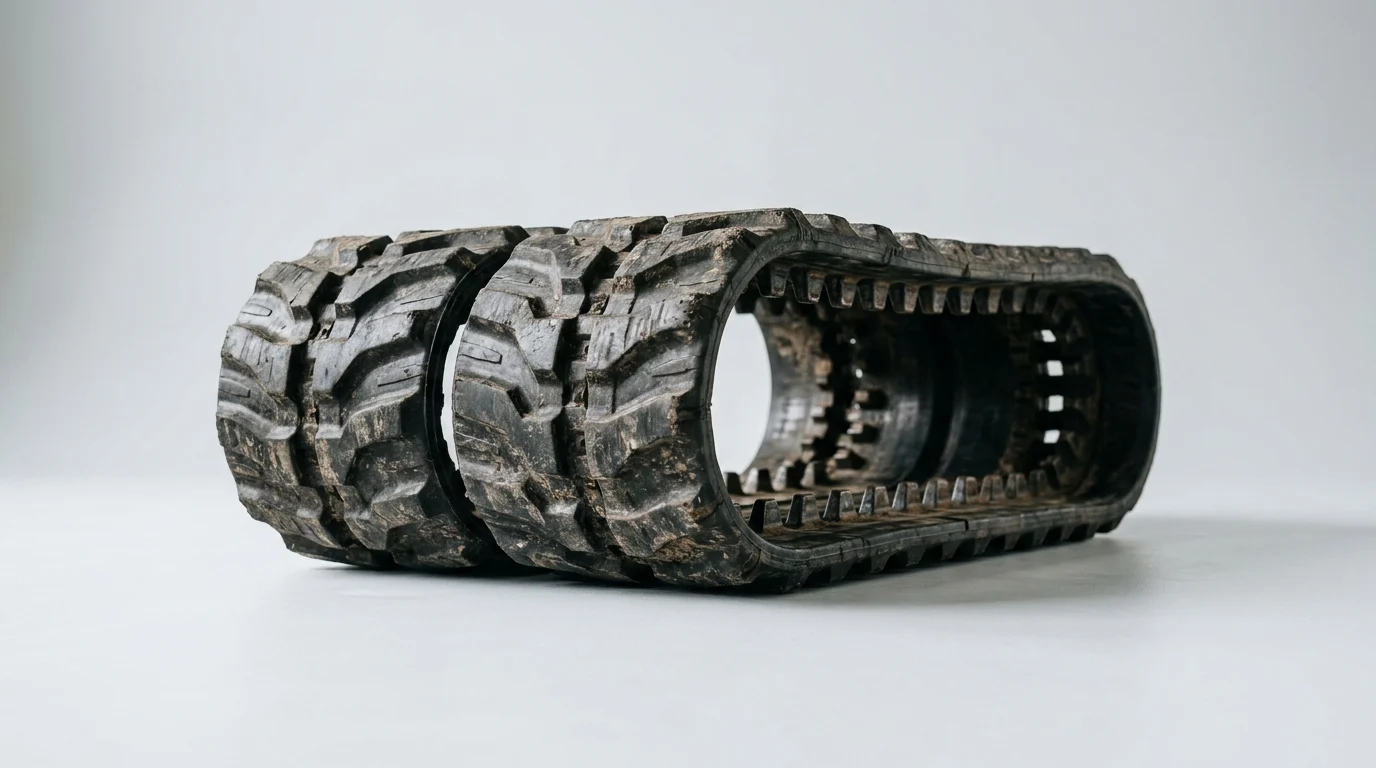
Infrastructure growth is putting heavier workloads on dumpers, from urban construction corridors in Asia-Pacific to mining and energy projects in remote terrain. As machines carry larger payloads over abrasive, wet, or unstable ground, the dumper rubber track has become a critical factor in uptime, traction, soil protection, and operating cost control. This article explains why demand for heavy-duty dumper tracks is rising, how project requirements are changing replacement cycles, and which market forces are shaping procurement decisions. It also sets up the key technical terms buyers need to understand before evaluating track durability, load distribution, and long-term value.
How Infrastructure Growth Drives Dumper Rubber Track Demand
As global infrastructure projects scale to unprecedented levels, there is a profound shift in the demands placed on heavy-duty construction equipment. The success of these earthmoving operations depends on the durability and traction provided by a high-quality dumper rubber track. Driven by macro factors like APAC urbanization, mining sector resurgences, and stricter low-ground-pressure regulations, modern tracks must distribute massive machine weights while minimizing environmental disturbance. Investing in premium undercarriage components is no longer optional; it is a fundamental requirement for maintaining project profitability and adhering to strict construction schedules.
Why Heavy-Duty Dumper Track Demand Is Rising
Over the last decade, the escalating requirements of regional infrastructure growth and mining expansions have reshaped equipment needs. The demand for heavy-duty tracks is rising primarily because contractors are operating in increasingly challenging environments with tighter deadlines. Industry trends indicate that global infrastructure spending is pushing equipment utilization rates significantly higher year-over-year. Consequently, the replacement cycle for undercarriage components has accelerated. Dumpers carrying payloads exceeding 10,000 kilograms require robust track systems that can withstand continuous operation across abrasive terrains without catastrophic failure, driving a surge in global procurement.
Key Market Terms and Definitions
To navigate this expanding market effectively, procurement teams must familiarize themselves with essential undercarriage terminology. For example, ‘pitch’ refers to the exact distance between the center of one internal metal core to the center of the next—a critical measurement for ensuring seamless sprocket compatibility and avoiding premature wear. ‘Continuous steel cord’ technology describes a modern manufacturing process where the internal steel cables form a single, unbroken loop, eliminating the weak points historically found in older overlapping designs. Understanding these specific terms ensures buyers can accurately match the track’s structural capabilities to the high-torque, high-load demands of heavy-duty dumper operations.
Dumper Rubber Track Specifications That Affect Performance
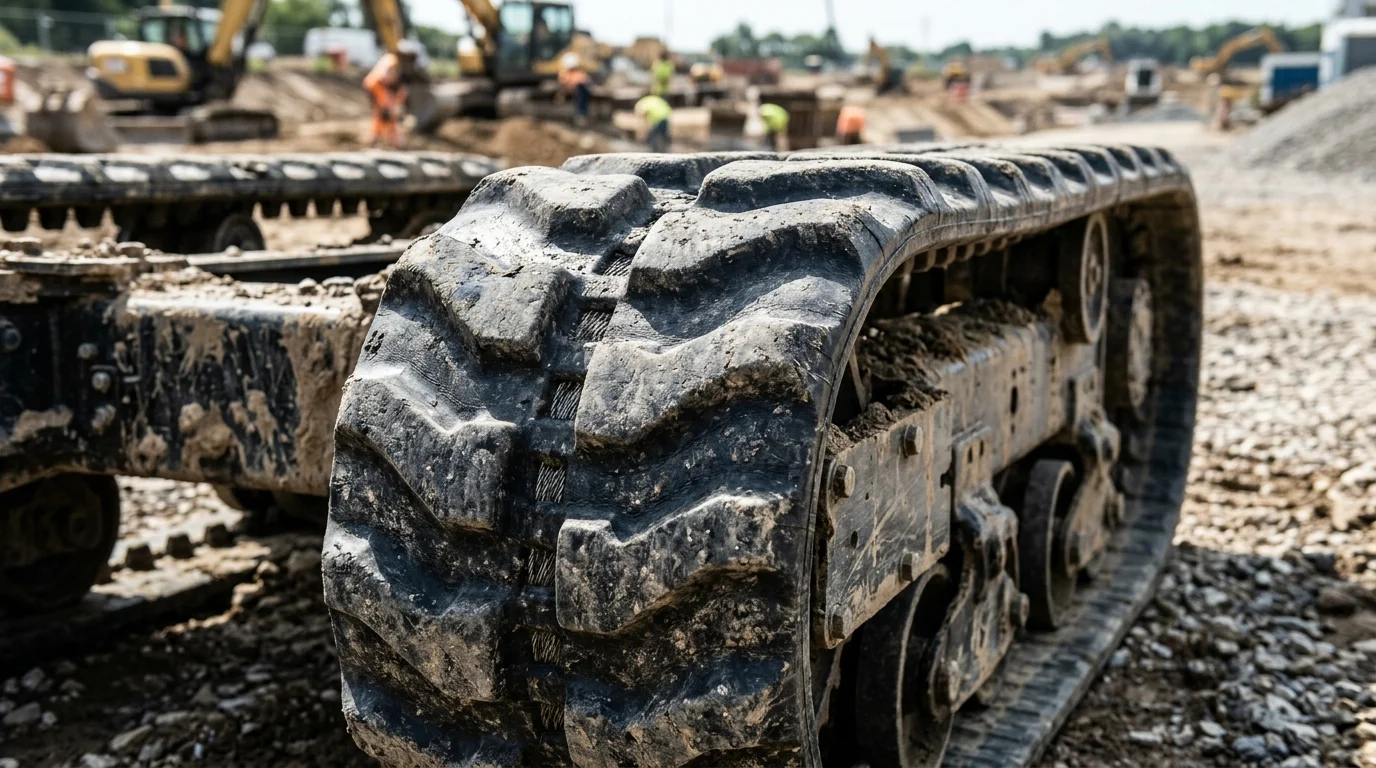
Evaluating undercarriage components for fleet integration requires prioritizing technical specifications over brand recognition, as these metrics directly dictate field performance and operational longevity. Selecting the optimal track involves carefully balancing material composition with structural design to handle specific environmental stressors without compromising machine efficiency. Calculating the true total cost of ownership (TCO) requires looking beyond the initial unit price to factor in expected lifespan, compatibility risks, and maintenance requirements.
Construction, Tread, and Material Factors
The core construction of a track dictates its resilience against tearing, puncturing, and chunking. High-quality rubber tracks are manufactured with an optimized ratio of natural to synthetic rubber, providing the necessary flexibility to prevent surface cracking during extreme temperature fluctuations. Furthermore, utilizing the continuous steel cord architecture mentioned earlier is non-negotiable for heavy-duty applications. This structural enhancement demonstrates substantial tensile strength increases compared to traditional spliced cords, which is vital when operating 15-ton dumpers, as it drastically reduces the risk of sudden track snapping under high-torque maneuvers. Conversely, low-grade aftermarket alternatives often suffer from rapid delamination and core failures under similar stress. Procurement choices alone do not guarantee longevity; operational best practices—such as maintaining proper track tension, routine undercarriage cleaning, and comprehensive operator training—are equally crucial for maximizing field performance.
Specification Comparison Checklist
To streamline the evaluation process, procurement managers rely on specification checklists that compare tread patterns, ground pressure, and expected lifespans. The tread pattern must align with the primary operating environment to maximize traction and minimize whole-body vibration for the operator. It is important to note that the figures below are general industry benchmarks; actual ground pressure and lifespan will vary significantly based on machine weight, operator behavior, and routine maintenance practices.
| Tread Pattern | Best Application | Ground Pressure (psi) | Expected Lifespan (hrs) |
|---|---|---|---|
| Staggered Block | Mud & Soft Soil | 3.5 – 4.5 | 1,500 – 2,000 |
| C-Lug | Gravel & Mixed Terrain | 4.0 – 5.5 | 1,800 – 2,200 |
| Straight Bar | Snow & Ice | 3.0 – 4.0 | 1,200 – 1,600 |
Using this matrix helps forecast maintenance intervals. For instance, deploying a C-Lug pattern on abrasive gravel maintains a manageable ground pressure while extending the operational lifespan, thereby optimizing the total return on investment.
How to Source Dumper Rubber Tracks Effectively
Identifying the right specifications is only half the battle; executing a strategic sourcing plan is equally critical for long-term operational success. Building resilient supply chains for undercarriage parts prevents costly project delays, mitigates the impact of raw material shortages, and ensures consistent equipment availability across multiple job sites. Buyers must navigate the trade-offs between premium OEM components and cost-effective aftermarket alternatives, keeping in mind that global commodity price volatility directly impacts rubber and steel costs.
Supplier Qualification Steps
The first step in qualifying a new supplier is conducting a rigorous audit of their manufacturing and quality control processes. Potential partners should hold active ISO 9001 certifications and provide transparent testing data on rubber compounding and steel cord tension. Furthermore, establishing strict warranty expectations before entering any purchasing agreements is essential. A reputable manufacturer should confidently offer standard industry warranties, typically around 12 months or 1,000 operating hours. Reviewing historical performance is also critical; vendors must consistently demonstrate low defect rates. These thresholds act as a reliable filter against substandard aftermarket producers.
Final Selection Criteria
The final selection criteria revolve around logistics, comprehensive TCO analysis, and inventory flexibility. When negotiating supply contracts, procurement teams must closely analyze Minimum Order Quantities (MOQs) and production lead times. While standard replacement sizes can often be secured in small batches, custom track dimensions may require larger volume commitments depending on the manufacturer. Because global maritime shipping from major manufacturing hubs can add several weeks to the delivery schedule, prioritizing suppliers who maintain regional distribution centers is highly recommended. This logistical advantage significantly reduces transit times and allows fleet operations to maintain leaner inventories without risking costly equipment downtime.
Key Takeaways
- The most important conclusions and rationale for dumper rubber track
- Specs, compliance, and risk checks worth validating before you commit
- Practical next steps and caveats readers can apply immediately
Frequently Asked Questions
Why is global demand for dumper tracks increasing?
Infrastructure growth, APAC urbanization, mining activity, and tighter low-ground-pressure requirements are pushing contractors to use durable tracks that handle heavy payloads and difficult terrain.
What specifications matter most when choosing dumper rubber tracks?
Check track size, pitch, tread pattern, ground pressure, steel cord construction, rubber compound, machine compatibility, and expected service life for your operating terrain.
Which tread pattern is best for soft or muddy job sites?
A staggered block tread is typically best for mud and soft soil because it improves traction, flotation, and stability while keeping ground pressure relatively low.
How can operators extend dumper rubber track life?
Maintain correct track tension, clean the undercarriage daily, avoid sharp debris when possible, reduce high-speed turns, and train operators on smooth loading and maneuvering.
Why is continuous steel cord important in heavy-duty tracks?
Continuous steel cord forms an unbroken internal loop, improving tensile strength and reducing weak points that can cause snapping under heavy loads or high-torque turns.
References
- Construction Dumper Market Research Report, Industry, Market …
- Dumper Market Size, Share, Growth, Trends & Analysis, 2033
- Construction Dumper Market – Share, Size and Industry Analysis
- United States Track Dumper Market Analysis Report – LinkedIn
- Track Dumper Market Size, Industry Share, Forecast to 2034
- Forecast sees global demand for heavy equipment growing
- Dump Trucks Market Size to Hit USD 144.89 Billion By 2035
- Heavy Construction Equipment Market worth $226.91 billion by 2033
- Dump Truck Market Size, Share, Trends, Forecast 2026 – 2035
Post time: Jun-17-2026