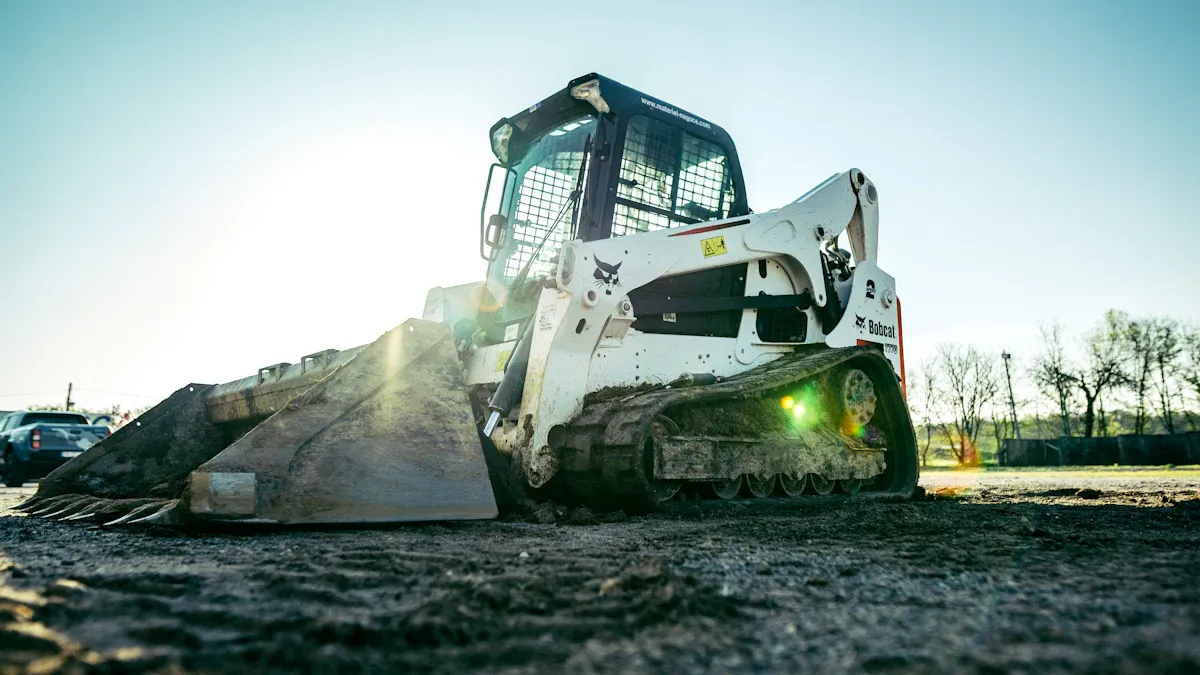
Mini Skid Steer Tracks use advanced rubber compounds and reinforced steel parts. These tracks provide strong traction and stability on soft or uneven ground. Operators trust their durability and performance. Many choose tracks made with special rubber and steel chain links for reliable use in tough conditions.
Key Takeaways
- Mini skid steer tracks use strong rubber and steel materials that last longer and resist damage, helping operators work reliably in tough conditions.
- Special tread patterns and steel inserts improve traction and protect the ground, making these tracks versatile for many surfaces like mud, snow, and turf.
- Proper maintenance and quality design reduce downtime and costs, allowing operators to save money and keep machines running smoothly for longer.
Key Features of Mini Skid Steer Tracks
Advanced Rubber Compounds for Durability
Mini Skid Steer Tracks use advanced rubber compounds to improve durability and performance. Manufacturers add enhanced carbon black and reinforced steel cords to the rubber. These materials help the tracks resist wear, cutting, and tearing. A study by Shmulevich & Osetinsky showed that rubber tracks with these compounds provide strong traction and resist slipping, even in tough agricultural soils. This means the tracks last longer and need fewer replacements. Our tracks use specially formulated rubber that stands up to harsh conditions, making them a smart choice for operators who want reliable equipment.
Reinforced Steel Cables and Chain Links
Reinforced steel cables and chain links give Mini Skid Steer Tracks their strength and long life. Steel cables inside the rubber add tensile strength and prevent the tracks from stretching too much. If these cables get cut or damaged, the track can become weak and wear out faster. The steel cables are made from high-tensile alloys and often have coatings to stop rust. Steel inserts, also called chain links, help the track fit the machine perfectly and spread the weight evenly. Our skid steer rubber tracks use all-steel chain links, drop-forged and bonded with a special adhesive. This process creates a strong bond and keeps the track working smoothly.
- Steel cables increase tensile strength and keep the track flexible.
- Multi-strand, high-tensile steel with special alloys adds strength without extra weight.
- Coatings like zinc or copper protect against rust.
- Steel inserts engage sprocket teeth and spread weight evenly.
- Heat treatment and drop forging make the inserts stronger and more durable.
- Together, these features help the track keep its shape and last longer, even in tough jobs.
Optimized Tread Patterns for Versatility
Tread patterns on Mini Skid Steer Tracks play a big role in how well the machine moves on different surfaces. Designers create tread patterns to match specific terrains, such as mud, snow, turf, or mixed ground. The table below shows how different tread patterns perform:
| Tread Pattern Type | Terrain Focus | Performance Highlights | Quantitative Metrics / Findings |
|---|---|---|---|
| Directional | Mud, Snow, Loose Soil | Excels in forward traction by channeling material away; reduced lateral stability during turns | Up to 25% better forward traction in deep mud; 30-40% lower lateral stability compared to lateral treads |
| Lateral | Hard Surfaces, Turf, Mud | Superior lateral stability and maneuverability; self-cleaning action in mud; even pressure distribution | Up to 60% increased resistance to sideways slippage on slopes; turf damage reduced by up to 40% vs aggressive lugs |
| Block | Mixed Surfaces | Balanced forward traction and lateral grip; versatile but less specialized | Performs better than lateral in transitions between surfaces; less maneuverable than lateral treads |
| Hybrid | Variable Environments | Combines lateral stability and directional forward traction; compromises specialized performance | Adaptable to mixed terrain; does not outperform specialized patterns in specific conditions |
Specialized tread designs help operators work faster and protect the ground. For example, lateral treads reduce turf damage and improve grip on slopes. Directional treads work best in mud and snow. Hybrid patterns offer flexibility for changing conditions. These options let operators choose the best track for their needs.
Embedded Steel Inserts for Strength
Embedded steel inserts make Skid Loader Tracks stronger and more reliable. These inserts are drop-forged and bonded with a unique adhesive, which helps the track resist cuts and tears. The steel parts handle heavy loads and keep the track together during tough jobs. This design leads to longer service life and less maintenance. Operators notice fewer breakdowns and lower replacement costs. Our tracks use this advanced bonding method, which creates a stronger connection inside the steel inserts compared to traditional methods. This makes the track more robust and dependable in demanding environments.
Note: Tracks with embedded steel inserts and special adhesives offer better durability and performance, especially on rough terrain.
Real-World Benefits of Mini Skid Steer Tracks
Superior Traction and Stability on Soft or Uneven Ground
Mini skid steer tracks deliver excellent traction and stability when working on soft or uneven ground. Field tests show that high-performance rubber tracks with special tread patterns grip surfaces like mud, gravel, and snow. These tracks reduce slippage and help the machine use engine power more efficiently. The advanced rubber compounds keep the tracks flexible in hot or cold weather, so traction stays strong all year. Vibration reduction features also make the ride smoother for the operator, which helps with control and safety.
| Feature | Benefit | Impact |
|---|---|---|
| Even Weight Distribution | Prevents sinking into soft ground | Improved operator confidence |
| Enhanced Flotation | Smooth movement on tough terrain | Reduced downtime |
| Balanced Operation | Safer handling of heavy loads | Increased productivity |
Operators report that wider tracks spread the machine’s weight, which prevents sinking and keeps the loader stable. Aggressive tread patterns improve grip on muddy or rough terrain, while smoother patterns work well on hard surfaces. These design choices help mini skid steer tracks perform well in many different environments.
Reduced Ground Disturbance and Surface Protection
Mini skid steer tracks protect the ground better than traditional tires. The tracks lower ground pressure by up to 75%, which means less soil compaction and less damage to turf or landscaping. This feature is important for jobs on golf courses, parks, or residential lawns. Operators notice that the tracks leave fewer ruts and marks, even after heavy use.
Mini skid steer tracks help preserve the natural look of the work area. Landscapers and construction crews can finish projects without worrying about costly repairs to grass or soil.
The smaller size and reduced ground pressure also make these machines ideal for tight spaces where surface protection matters most.
Versatility Across Multiple Terrains
Mini skid steer rubber tracks work well on many types of terrain. Their rubber tracks and low ground pressure allow them to move smoothly over mud, rocks, sand, and delicate turf. Operators find these machines easy to maneuver in tight urban spaces or on uneven ground. The tracks also support a wide range of attachments, so one machine can handle digging, grading, lifting, and more.
WesTrac USA notes that models like the LTS 1000 combine compact size with strong performance. These machines excel in landscaping, construction, and farming. Different tread patterns, such as straight bar, multi-bar, zig-zag, and C-lug, let operators choose the best track for each job. This flexibility means fewer equipment changes and more efficient work.
Lower Maintenance and Extended Lifespan
Mini skid steer tracks offer long service life and require less maintenance when cared for properly. Case studies show that construction firms have doubled track lifespan and cut replacement costs by 30%. Landscapers who perform daily inspections and use tensioning gauges have extended track life from 800 to over 1,800 hours, with no mid-job failures.
| Case Study / Maintenance Aspect | Evidence Summary |
|---|---|
| Construction Firm | Track life increased from 400-600 hours to over 1,200 hours; replacement frequency dropped from 2-3 times per year to once annually; emergency repairs decreased by 85%; total track expenses fell by 32%. |
| Landscaper | Daily inspections, tensioning, cleaning, and UV protection extended track life from 800 to over 1,800 hours with zero mid-job failures. |
| Warranty Coverage | Premium tracks offer warranties of 6-18 months or more, highlighting the importance of proper maintenance. |
| Cost-Benefit Analysis | Premium tracks last longer (1,000-1,500+ hours), need fewer replacements, and reduce downtime, leading to better ROI. |
Operators can follow simple steps to keep tracks in top shape:
- Maintain proper track tension.
- Clean tracks regularly to remove dirt and chemicals.
- Use UV protectants to prevent rubber damage.
- Store tracks in dry, ventilated areas.
- Inspect tracks daily and use tensioning gauges.
These practices help reduce downtime and keep machines running longer. Some premium tracks even include warranties and new technology like embedded sensors for predictive maintenance.
Many operators report that Tracks for Skid Steer help them work longer, save money, and avoid unexpected breakdowns.
Mini Skid Steer Tracks vs. Tires and Other Track Types
Performance in Mud, Snow, and Rough Terrain
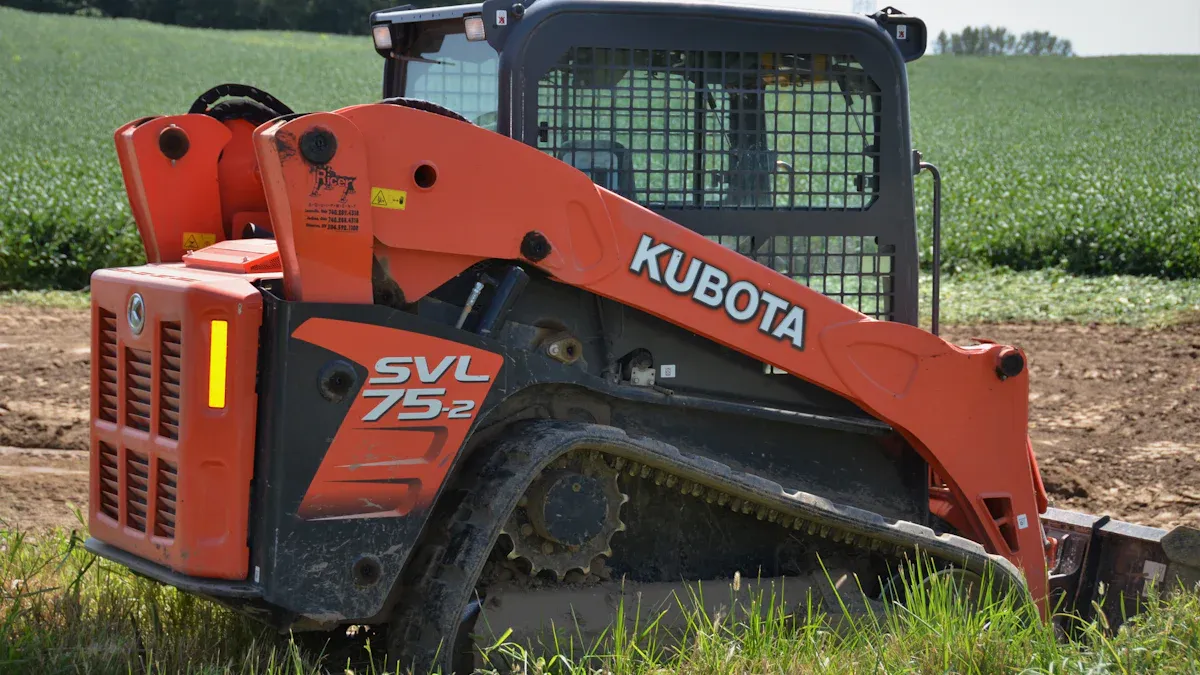
Mini skid steer tracks show clear advantages over tires when working in mud, snow, or rough terrain. Flexible rubber tracks provide higher tractive efficiency and better traction on soft soils. For example, tracked vehicles like Caterpillar’s agricultural tractors reach tractive efficiency above 80% on tilled soil, while similar wheeled tractors only reach about 70%. Tracked systems also improve steering and pushing power in soft or uneven ground. These benefits help operators move confidently through challenging environments where tires might slip or get stuck.
Durability and Cost Efficiency Over Time
Mini skid steer tracks last longer and cost less to maintain than standard tires or lower-grade tracks. The table below highlights key improvements:
| Performance Aspect | Value / Improvement | Benefit |
|---|---|---|
| Track lifespan | 1,000–1,500 hours | Fewer replacements needed |
| Emergency repairs reduction | Up to 85% fewer | Less downtime |
| Replacement costs | Up to 30% lower | Saves money over time |
| Ground pressure reduction | Up to 75% less | Protects soil and surfaces |
| Tractive effort increase | +13.5% | Better pushing power |
| Bucket breakout force | +13% | Stronger digging and handling |
Premium rubber tracks use advanced materials and special adhesives. These features make them more robust and reliable for long-term use. Operators also see less undercarriage wear, which lowers repair costs.
Operator Experiences and Practical Examples
Operators report that mini skid steer tracks help them handle tough jobs with less effort. Studies show that experienced operators using manual controls achieve the best results, even on obstacle courses that mimic real-world terrain. Digital twin simulations measure both the quality of movement and the mental effort needed. Operators find that mini skid steer tracks allow for smooth traversal and manageable workloads. New control systems now balance performance and reduce mental strain, making daily tasks easier and more efficient.
Mini Skid Steer Tracks stand out for their strong materials, long lifespan, and reliable performance. The table below shows how advanced rubber, steel core technology, and special tread designs help operators work better and save money.
| Performance Aspect | Key Advantages |
|---|---|
| Durability | Lasts over 1,000 hours, resists tears and abrasion |
| Weather Resistance | Handles sun, rain, and cold without cracking |
| Steel Core Technology | Stays strong and flexible, keeps track in place |
| Cost-Benefit Analysis | Lowers replacement costs and downtime |
FAQ
How often should operators inspect skid loader tracks?
Operators should inspect tracks daily. They need to check for cuts, tears, and proper tension. Regular checks help prevent unexpected breakdowns and extend track life.
What surfaces work best for tracked skid steers?
Tracked skid steers perform well on mud, sand, gravel, and turf. Tracks spread weight evenly. This helps prevent sinking and protects delicate surfaces.
Can operators replace tracks themselves?
Operators can replace tracks with basic tools. They should follow the manufacturer’s instructions. Proper installation ensures safe operation and longer track life.

Post time: Jul-07-2025