
Selecting the right rubber excavator tracks can make or break your equipment’s performance. In 2025, advancements in materials and smart features are driving cost-efficiency. For example, modern elastomers improve durability, while sensors reduce downtime. With the market expected to grow at 6.5% annually, investing in high-quality tracks is more crucial than ever.
Key Takeaways
- Rubber tracks cause less ground damage and noise. They are great for cities and delicate areas.
- Picking the right tread design helps grip the ground better. This improves safety and work quality.
- Cleaning and checking tracks often makes them last longer. It also saves money over time.
Why Rubber Excavator Tracks Matter
Advantages Over Steel Tracks
Rubber excavator tracks offer several advantages over traditional steel tracks. One of the most significant benefits is their ability to reduce ground damage. The flexibility of rubber allows for even weight distribution, making them ideal for sensitive environments like landscaped areas or urban construction sites. Additionally, they operate much more quietly than steel tracks, which is a huge plus for projects in residential or noise-restricted zones.
Another key advantage is the enhanced comfort they provide. Rubber tracks absorb vibrations, which reduces operator fatigue and increases productivity. They also offer better traction on various terrains, ensuring safety and efficiency during operations. Compared to steel tracks, rubber tracks are lightweight, which contributes to fuel efficiency and lowers overall operating costs.
| Performance Metric | Rubber Tracks Advantages |
|---|---|
| Reduced Ground Damage | Flexibility allows for even weight distribution, protecting sensitive environments. |
| Lower Noise Levels | Operate quietly, ideal for urban or residential areas. |
| Increased Comfort and Reduced Vibration | Absorb vibrations, enhancing operator comfort and productivity. |
| Enhanced Traction | Superior traction on various surfaces, ensuring safety. |
| Better Maneuverability | Allows for efficient operation in tight spaces. |
| Environmental Benefits | Lower ground pressure and reduced noise pollution. |
Benefits for Equipment Longevity
Rubber excavator tracks not only improve performance but also extend the lifespan of your equipment. Their elasticity and wear resistance reduce the friction between the tracks and the road surface. This minimizes wear on metal components, ensuring they last longer. The E22 rubber compound, specifically designed for excavators, enhances durability by resisting cuts and tears, even on rugged terrains.
Smooth operation is another factor that contributes to equipment longevity. Rubber tracks allow excavators to move seamlessly over rough surfaces, reducing the strain on the machine. By preventing excessive wear and tear, they help lower maintenance costs and downtime. For businesses, this means fewer repairs and more time spent on productive tasks.
Tip: Regular maintenance, such as cleaning and inspecting rubber tracks, can further extend their lifespan and keep your equipment running smoothly.
Types of Rubber Excavator Tracks
Staggered Block Tread
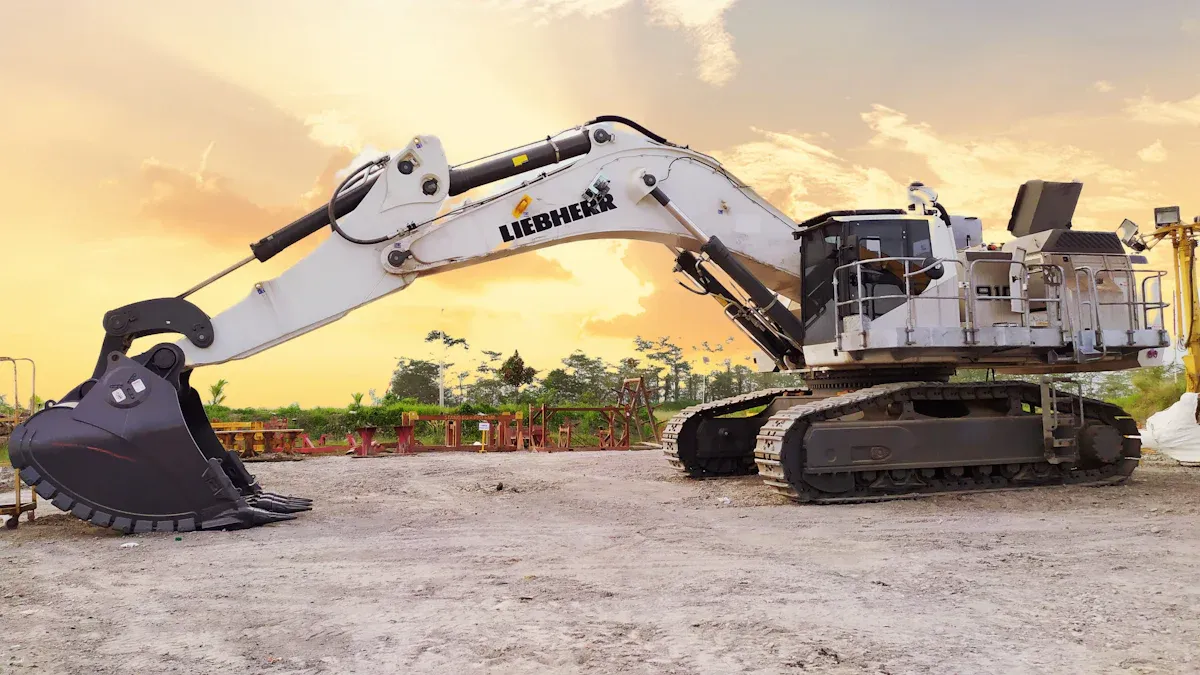
Staggered block tread patterns are designed for durability and stability. They excel on hard and rocky surfaces, where traction and resistance to punctures are critical. The staggered design enhances grip, making it ideal for excavation projects in rugged terrains. This tread type also minimizes vibrations, ensuring smoother operation and less wear on the machine.
Operators often choose staggered block treads for their ability to handle abrasive conditions while maintaining stability. These tracks distribute weight evenly, reducing ground pressure and protecting sensitive surfaces. For construction sites with uneven ground, this tread pattern offers a reliable solution that balances performance and longevity.
C-Lug Tread
C-Lug tread patterns are versatile and well-suited for general construction tasks. Their unique design provides excellent traction on flat or moderately uneven surfaces, making them a popular choice for everyday use. The curved lugs enhance maneuverability, allowing excavators to navigate tight spaces with ease.
This tread type is particularly effective in urban environments, where smooth operation and minimal ground damage are essential. C-Lug tracks also contribute to fuel efficiency by reducing rolling resistance, which helps lower operating costs over time.
Standard Bar Tread
Standard bar tread patterns are known for their versatility across various terrain conditions. They perform well on flat surfaces and moderately uneven ground, making them a reliable choice for general construction projects. The straight bar design ensures consistent traction, which is crucial for maintaining stability during operations.
| Terrain Condition | Tread Pattern Type | Effectiveness Description |
|---|---|---|
| General Construction | Standard Rubber Tracks | Versatile, good for flat or moderately uneven surfaces, reliable for everyday use. |
| Soft and Muddy Terrain | Multi-bar Tread | Excellent grip, prevents slippage, designed to distribute weight and reduce ground pressure. |
| Hard and Rocky Surfaces | Block Tread | Durable, provides excellent traction, enhances stability, resists punctures and abrasions. |
Standard bar treads are a dependable option for operators who need consistent performance without compromising durability.
Multi-Bar Tread
Multi-bar tread patterns are engineered for soft and muddy terrains. Their design prevents slippage by providing superior grip and distributing weight evenly. This reduces ground pressure, which helps protect delicate surfaces during excavation.
Multi-bar tracks are ideal for grading and excavation tasks on uneven or soft ground. Their ability to maintain traction in challenging conditions makes them a favorite among operators working in wet or muddy environments. With advancements in manufacturing techniques, these tracks now offer improved durability, ensuring they can withstand demanding applications.
Note: Choosing the right tread pattern depends on the terrain and application. Matching the tread type to your project’s needs ensures optimal performance and extends the lifespan of your Rubber Excavator Tracks.
Key Factors to Consider When Buying Rubber Excavator Tracks
Choosing the right rubber excavator tracks can feel overwhelming, but focusing on a few key factors can simplify the process. From ensuring compatibility to evaluating terrain needs, each decision plays a role in maximizing performance and longevity.
Size and Compatibility
Getting the size right is the first step in selecting rubber excavator tracks. Tracks that don’t fit properly can lead to poor performance or even damage to your equipment. To ensure compatibility, consider these critical measurements:
- Pitch: The distance between two adjacent track lugs. This must match your machine’s specifications.
- Number of Links: The total number of metal lugs in the track. A mismatch here can cause improper tensioning.
- Track Gauge: The distance between the centers of the tracks. This affects stability and must align with OEM standards.
- Ground Clearance: Verify the standard clearance for your excavator model, typically around 440mm.
Matching these measurements to your machine ensures a snug fit and optimal performance. Always consult your equipment manual or supplier for precise specifications.
Tip: If you notice unusual vibrations or frequent derailments, it might indicate improper pitch or sprocket misalignment.
Terrain and Application
The terrain where your excavator operates significantly impacts the type of tracks you need. Rubber excavator tracks excel in providing traction and stability across various surfaces. Here’s how they perform in different sectors:
| Sector | Benefits | Terrain Suitability |
|---|---|---|
| Construction | Superior traction, reduced ground disturbance | Urban construction sites |
| Agriculture | Reduced soil compaction, improved traction | Various soil types |
| Mining | Superior grip and durability | Harsh and uneven terrains |
| Landscaping | Protects delicate surfaces | Soft or muddy terrains |
For example, multi-bar treads work best in muddy conditions, while staggered block treads handle rocky surfaces with ease. Matching the tread pattern to your project’s terrain ensures safety, efficiency, and reduced wear.
Brand and Reputation
Not all excavator rubber tracks are created equal. The brand you choose can influence the quality, durability, and overall performance of your tracks. Reputable brands often invest in advanced materials and manufacturing techniques, ensuring their products last longer and perform better.
Customers frequently highlight the importance of durability and material quality in reviews. Brands with a strong reputation tend to offer a variety of track types, catering to both general-duty and heavy-duty applications. Choosing a trusted supplier not only guarantees high-quality products but also provides peace of mind through reliable customer support and warranties.
Note: A well-known brand may cost more upfront, but the long-term savings in maintenance and downtime make it a worthwhile investment.
Price and Budget
Price is always a factor when purchasing rubber excavator tracks. While these tracks may have a higher initial cost compared to other options, they often lead to long-term savings. Their durability reduces the need for frequent replacements, and their ability to minimize wear on your equipment lowers maintenance costs.
For instance, studies show that the annual maintenance cost for rubber tracks is significantly lower than that of conventional tires. This makes them a cost-effective choice for businesses looking to maximize their return on investment. However, it’s essential to balance affordability with quality. Opting for cheaper, low-quality tracks might save money initially but could result in higher costs due to frequent repairs or replacements.
Pro Tip: Evaluate the total cost of ownership, not just the purchase price, to make an informed decision.
Maintenance Tips for Rubber Excavator Tracks
Proper maintenance of rubber excavator tracks is essential for ensuring their longevity and optimal performance. By following a few simple practices, operators can reduce wear and tear, minimize downtime, and save on replacement costs. Let’s explore some key maintenance tips.
Regular Cleaning and Inspection
Keeping rubber excavator tracks clean and well-inspected is one of the most effective ways to extend their lifespan. Dirt, mud, and debris can accumulate on the tracks, leading to premature wear and damage. Regular cleaning prevents these issues and ensures smooth operation.
- Clean the tracks after every use to remove mud, clay, or sand. Use a pressure washer or hose with mild detergent for best results.
- Inspect the tracks before and after operation. Look for cuts, tears, or signs of excessive wear.
- Check the tension of the tracks. Proper tension, as per the manufacturer’s guidelines, prevents unnecessary strain and uneven wear.
- Align the tracks regularly to avoid misalignment, which can cause damage over time.
- Lubricate undercarriage components to reduce friction and improve performance.
Tip: In challenging environments like clay soil or rocky terrain, daily cleaning and inspection are crucial. Packed clay or trapped rocks can cause significant damage if left unchecked.
Proper Storage Practices
Storing rubber excavator tracks correctly can prevent unnecessary degradation and extend their usability. Exposure to harsh conditions, such as extreme temperatures or direct sunlight, can weaken the rubber over time.
- Always store tracks in a dry, shaded area to protect them from UV rays and heat.
- If indoor storage isn’t available, use a protective cover to shield the tracks from the elements.
- Park the excavator on a flat, clean surface to avoid uneven pressure on the tracks.
- For mixed terrain usage, clean the tracks thoroughly before storage to remove debris that could harden or cause damage.
Note: Proper storage not only preserves the quality of the tracks but also ensures they’re ready for use when needed.
Avoiding Overloading and Misuse
Overloading rubber digger tracks can lead to significant damage and safety risks. Exceeding the weight capacity of the tracks puts excessive pressure on them, causing premature wear and reducing their lifespan.
- Always operate within the excavator’s specified load capacity. Overloading can compromise stability and increase the risk of accidents.
- Avoid sharp turns or sudden stops, as these actions can strain the tracks and lead to misalignment.
- Slow down when transitioning between terrains to minimize stress on the tracks.
- Refrain from operating on sharp or abrasive surfaces, which can cause cuts and punctures.
Reminder: Proper usage not only protects the tracks but also enhances the overall safety and efficiency of your operations.
By incorporating these maintenance practices into daily routines, operators can maximize the performance and durability of their rubber excavator tracks. A little effort goes a long way in keeping equipment running smoothly and reducing long-term costs.
Signs It’s Time to Replace Rubber Excavator Tracks
Visible Damage or Cracks
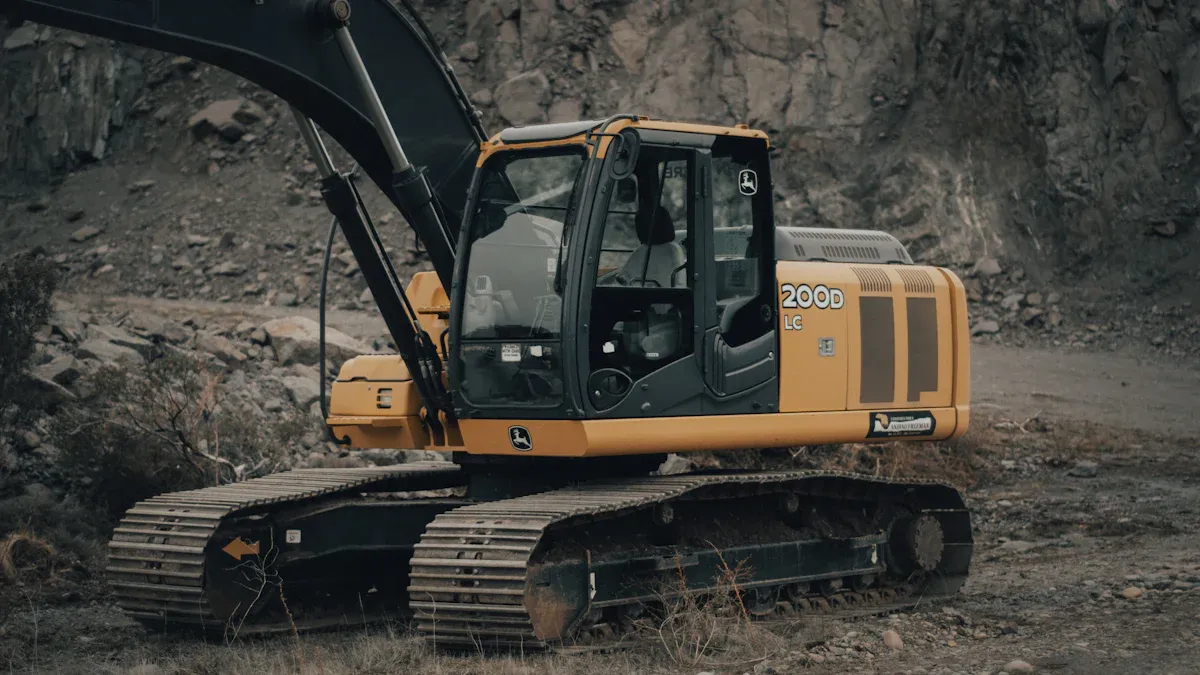
Rubber excavator tracks endure tough conditions daily, so visible damage is often the first sign they need replacing. Cracks, cuts, or missing chunks in the rubber can compromise their performance. Pay close attention to the edges of the tracks. Cracks running perpendicular to the track direction or dry rot on the rubber components are clear indicators of wear.
Regular inspections can help identify these issues early. Look for exposed steel cords or damage to the carcass of the track. These signs suggest the tracks have reached the end of their lifespan. Additionally, small nicks or chips may seem minor but can worsen over time, especially in demanding environments.
Tip: Conduct visual inspections after every operation to catch damage before it leads to costly downtime.
Reduced Traction or Performance
When digger tracks lose traction, it’s a red flag. Operators may notice slippage during operation or difficulty maintaining stability on slopes. These issues can reduce productivity and even pose safety risks. A loss of power or traction can also increase fuel consumption, as the engine works harder to compensate.
Declining performance often stems from excessive wear or internal damage. If the tracks struggle to grip the ground or cause unusual vibrations, it’s time to consider a replacement. Tracks in poor condition can lead to up to 15% horsepower loss, affecting overall efficiency.
Excessive Wear on Tread Patterns
The tread pattern on rubber excavator tracks plays a vital role in maintaining traction and stability. Over time, these patterns wear down, reducing their effectiveness. A lug height reduction of more than 50% from the original height is a clear sign of excessive wear. Uneven wear patterns may also indicate improper alignment or overuse.
Inspect the tread regularly to ensure it’s in good condition. Tracks with worn-out treads can struggle to perform on challenging terrains, leading to slippage and reduced safety. If the wear exposes steel cords or causes the machine to vibrate excessively, it’s time for a replacement.
Reminder: Replacing worn tracks promptly prevents further damage to your equipment and ensures smooth operation.
Importance of Trusted Suppliers for Rubber Excavator Tracks
Benefits of High-Quality Products
Choosing a trusted supplier for rubber excavator tracks ensures you get products that deliver on performance and durability. Reputable manufacturers often have years of experience, which means they understand how to create tracks that meet industry standards. Their expertise allows them to use advanced materials and production techniques, resulting in tracks that last longer and perform better in tough conditions.
High-quality products also come with strict quality control measures. These measures ensure that every track undergoes rigorous testing before it reaches the customer. For example, suppliers often provide certifications or test reports that confirm their tracks meet durability and safety requirements. This level of assurance gives buyers confidence that the tracks will perform well, whether on construction sites or agricultural fields.
Customer reviews further highlight the benefits of choosing reliable suppliers. Positive feedback often mentions the durability and performance of the tracks, especially in demanding applications. By selecting a trusted supplier, buyers can avoid the frustration of frequent replacements and costly downtime.
Risks of Low-Quality Aftermarket Options
Low-quality aftermarket tracks may seem like a bargain at first, but they often come with hidden costs. These tracks are usually made with inferior materials, which makes them prone to wear and tear. Over time, this can lead to frequent breakdowns, reducing the efficiency of your equipment and increasing maintenance expenses.
Another risk is the lack of quality assurance. Unlike reputable suppliers, low-quality manufacturers may not follow strict testing protocols. Without certifications or test reports, buyers have no guarantee that the tracks will perform as expected. Negative customer reviews often highlight issues like poor durability, misalignment, or even product defects. These problems can disrupt operations and lead to costly repairs.
By avoiding low-quality options, buyers can protect their equipment and ensure smooth operations. Investing in high-quality tracks from trusted suppliers is a smart choice that pays off in the long run.
Rubber Excavator Tracks offer unmatched benefits for excavators in 2025. They improve performance, reduce maintenance costs, and adapt to various terrains. Operators enjoy better comfort and safety, while businesses save money in the long run. Their environmental advantages also support sustainable practices.
| Benefit/Cost Saving | Description |
|---|---|
| Enhanced Performance and Efficiency | Rubber tracks provide superior traction and stability, leading to increased productivity. |
| Reduced Maintenance Costs | Longer lifespan and resistance to wear result in lower maintenance expenses. |
| Versatility and Adaptability | Effective on various terrains, enhancing operational flexibility. |
| Operator Comfort and Safety | Reduced vibrations improve comfort and safety for operators. |
| Environmental Benefits | Minimized ground damage and soil compaction support sustainable practices. |
Choosing the right tracks ensures your excavator performs at its best. Make informed decisions by considering compatibility, terrain, and trusted suppliers. For expert advice, reach out to the team at Gator Track.
Author Information:
Email: sales@gatortrack.com
Wechat: 15657852500
LinkedIn: Changzhou Hutai Rubber Track Co., Ltd.
FAQ
What are the main benefits of rubber excavator tracks over steel tracks?
Rubber tracks reduce ground damage, operate quietly, and improve fuel efficiency. They also enhance traction and comfort, making them ideal for sensitive or urban environments.
How do I know when to replace my rubber digger tracks?
Look for visible cracks, reduced traction, or excessive tread wear. Regular inspections help identify these signs early, preventing costly downtime.
Tip: Replace tracks promptly to avoid damaging your equipment or compromising safety.
Can rubber tracks handle rough terrains like rocky or muddy surfaces?
Yes! Rubber tracks with specific tread patterns, like staggered block or multi-bar, excel on rocky or muddy terrains. Choose the right tread for your project.
Reminder: Matching the tread type to the terrain ensures better performance and durability.
Post time: May-12-2025