
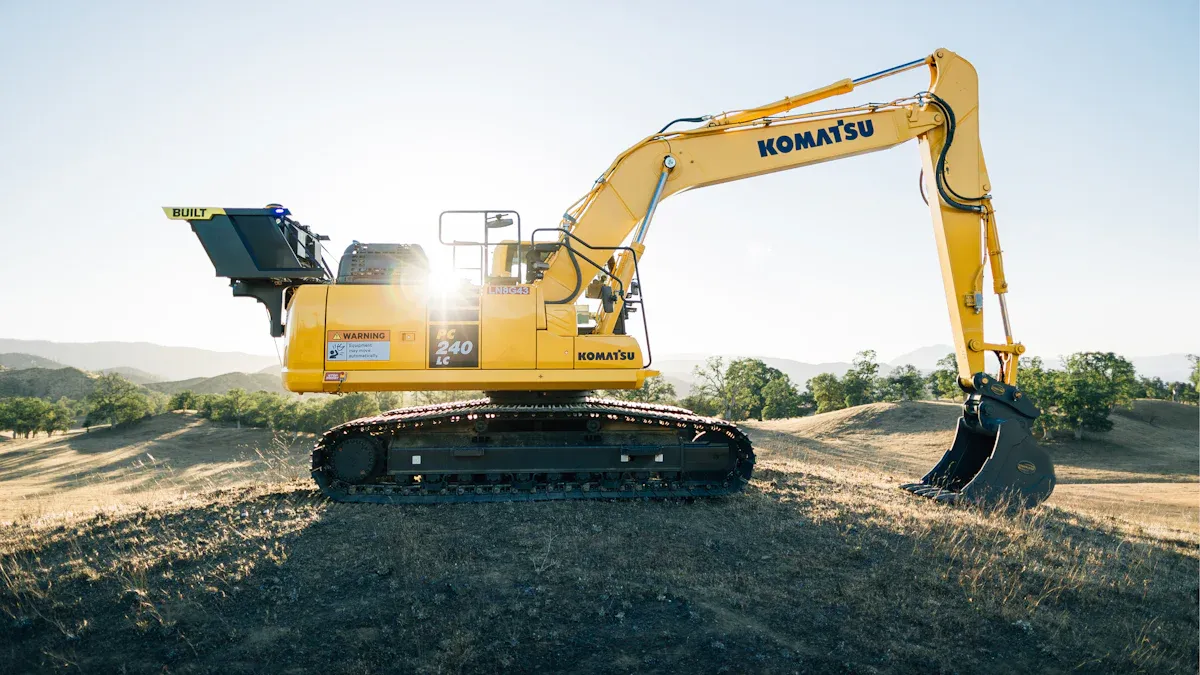
Rubber Tracks For Mini Diggers deliver proven performance in tough environments. Operators report impressive results:
| Operator Type | Environment | Track Life (hours) | Key Insight |
|---|---|---|---|
| Arizona Contractor | Rocky desert | ~2,200 | Tracks outlast OEM, saving money. |
| Florida Landscaper | High-moisture, wet | ~2,500 | Careful maintenance boosts track life in wet conditions. |
Proper tensioning and cleaning maximize lifespan, making these tracks a smart investment.
Key Takeaways
- Rubber tracks improve traction, reduce noise, and protect surfaces, making mini diggers more efficient and comfortable to operate.
- Regular cleaning and proper tensioning extend rubber track life, saving money and preventing costly repairs.
- Choosing the right track type and maintaining it well leads to long-term savings and better performance on various terrains.
Rubber Tracks For Mini Diggers: Real-World Performance and Value
What Are Rubber Tracks For Mini Diggers
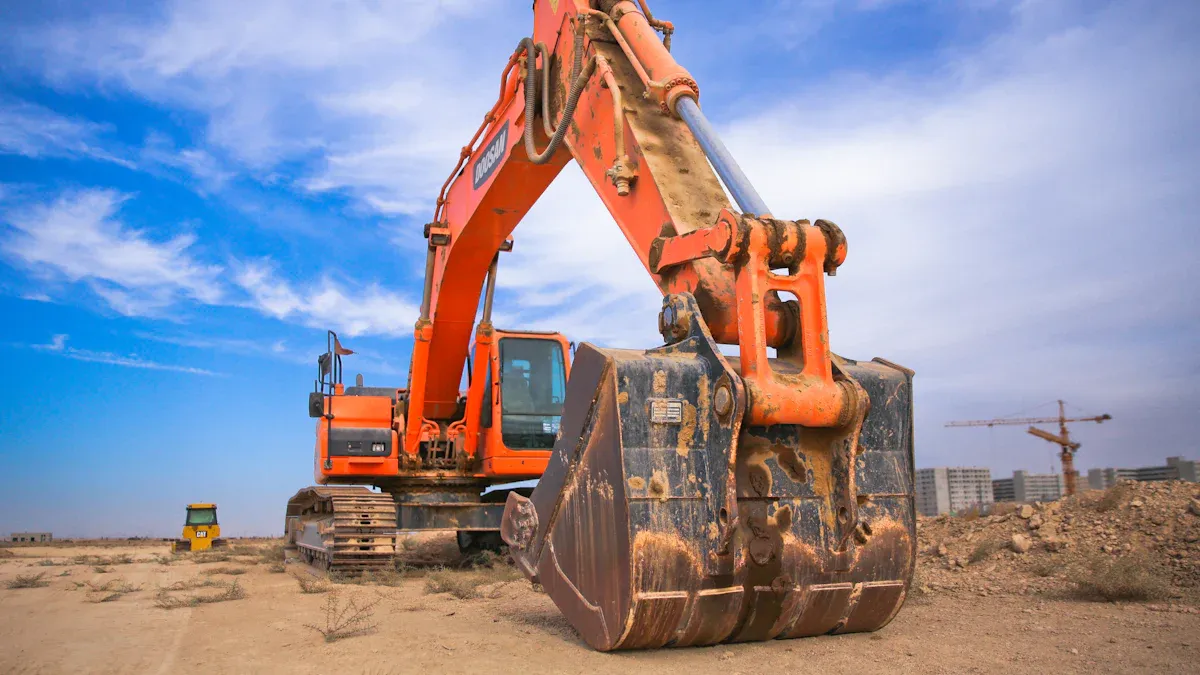
Rubber Tracks For Mini Diggers are continuous bands made from high-quality rubber compounds and reinforced with steel cords or cables. Manufacturers design these tracks to replace traditional steel tracks on mini excavators. The construction process starts with market research and user feedback, leading to CAD-based design and rigorous testing. These tracks balance durability, flexibility, and grip, making them ideal for a wide range of job sites. Different types exist, such as general-purpose, heavy-duty, and anti-vibration tracks, each tailored for specific terrains. Selecting the right size and material ensures long-lasting performance and minimal ground disturbance. Regular inspection and cleaning help extend track life, making them a smart investment for mini digger owners.
Traction, Stability, and Versatility
Mini Digger Tracks deliver impressive traction and stability across many surfaces. The tracks use advanced tread patterns, including block and zig-zag designs, to optimize grip on mud, snow, sand, and hillsides. Directional tread patterns improve control and reduce slippage, while self-cleaning features prevent mud and debris buildup. Experts highlight that track width also matters—narrower tracks offer more grip, while wider tracks provide better flotation on soft ground. The embedded steel cords increase strength and help maintain reliable traction over time. These tracks outperform tires on soft or wet surfaces, offering superior stability and maneuverability. Operators can work confidently on lawns, sports fields, and urban sites without worrying about surface damage.
Tip: Matching track size to OEM specifications prevents rubbing, de-tracking, and reduced traction.
Operator Comfort and Noise Reduction
Operators notice a big difference in comfort when using rubber tracks. The flexible rubber absorbs vibrations, resulting in a smoother ride and less fatigue during long shifts. Lower vibration levels protect both the operator and the machine, reducing the risk of health issues and equipment wear. Rubber tracks also operate much more quietly than steel tracks. This quieter performance is essential in urban or residential areas, where noise can be a concern. The elastic properties of rubber tracks help reduce noise pollution, making them the preferred choice for jobs that require a peaceful environment.
- Rubber tracks lower vibration and noise.
- Operators experience less fatigue and more comfort.
- Machines last longer due to reduced wear.
Durability, Wear Resistance, and Maintenance
High-quality rubber tracks stand up to tough job site conditions. Manufacturers use advanced rubber compounds and steel reinforcement to boost durability and wear resistance. Proper maintenance is key to maximizing track life. Operators should clean tracks at the start and end of every shift, especially after working in mud or gravel. Using pressure washers and safe detergents helps remove debris without harming the rubber. Regularly checking and adjusting track tension prevents problems caused by tracks being too tight or too loose. Inspecting undercarriage parts like rollers and sprockets ensures even wear. Storing equipment indoors or under cover protects tracks from UV rays and weather damage. Following these best practices keeps tracks in top shape and reduces unexpected repair costs.
| Maintenance Task | Benefit |
|---|---|
| Daily cleaning | Prevents debris buildup |
| Track tension checks | Avoids premature wear |
| Undercarriage inspection | Ensures even wear |
| Proper storage | Extends track lifespan |
Cost-Effectiveness and Long-Term Savings
Rubber tracks offer excellent value over time. They cost less to replace than steel or hybrid tracks and cause less surface damage, reducing the need for site repairs. Contractors who switch to high-quality rubber tracks report fewer breakdowns and lower maintenance costs. Improved grip and efficiency help projects finish on time, saving money. Proper care, such as daily inspections and correct tension, extends track life and reduces the frequency of replacements. High-quality tracks with expert maintenance can last over 2,000 hours, while poorly maintained tracks wear out much faster. Investing in the right rubber tracks pays off with reliable performance and long-term savings.
Note: Rubber tracks are the top choice for mini digger owners who want to balance performance, comfort, and cost.
Rubber Tracks For Mini Diggers vs. Alternatives
Comparison to Steel Tracks
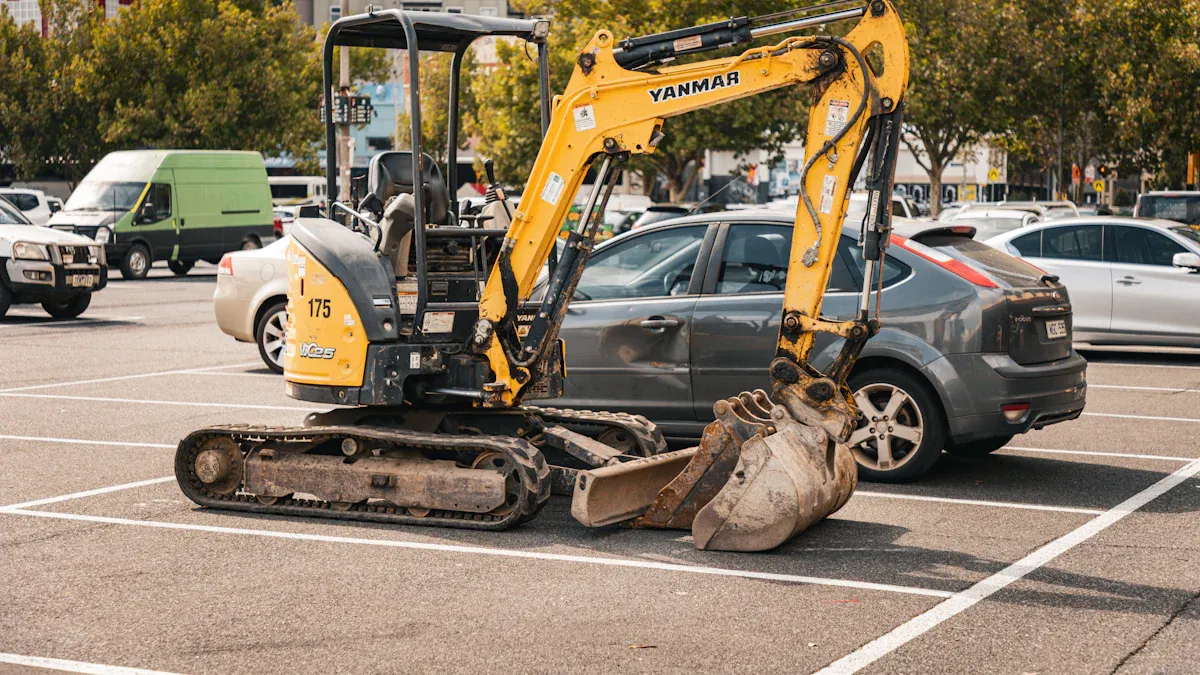
Choosing the right track system can make a big difference in performance and cost. Many operators compare rubber tracks and steel tracks before making a decision. The table below highlights the main differences:
| Performance Aspect | Rubber Tracks | Steel Tracks |
|---|---|---|
| Durability | Wears faster on harsh surfaces | Lasts longer in rough conditions |
| Traction & Stability | Better on soft or urban surfaces | Superior on rocky or steep terrain |
| Surface Impact | Minimal damage to paved or landscaped areas | Can damage sensitive surfaces |
| Noise & Vibration | Quieter, less vibration | Noisier, more vibration |
| Maintenance | Easier to clean and store | Needs regular rust prevention |
| Cost-Effectiveness | Lower initial cost, more frequent replacement | Higher upfront cost, longer lifespan |
Steel tracks work best for demolition, snow, and rocky ground. Rubber tracks reduce noise and protect finished surfaces, making them ideal for urban and landscaping jobs.
Suitability for Different Terrains and Environments
Rubber Digger Tracks perform well on many types of terrain. Operators use them on dirt, grass, mud, snow, and even wet ground. These tracks cause less damage to turf and paved areas, which is important for landscaping and city projects. Specialized tread patterns, such as straight bar or C-lug, help machines grip in mud, snow, or gravel. In forestry or heavy construction, thicker tracks handle stress better. For extreme environments, hybrid tracks combine steel durability with rubber protection. Proper maintenance, like cleaning and tension checks, keeps tracks working longer, even in tough weather.
Tip: Always match the tread pattern and track thickness to the job site for the best results.
Key Features to Look For When Choosing Rubber Tracks
Buyers should focus on several key features to get the most from their investment:
- Choose the right tread pattern for the terrain—hex for turf, TDF for snow.
- Select the correct track width for stability and weight distribution.
- Look for premium materials, such as helical steel cords, for longer life.
- Pick tracks that match OEM specifications for fit and performance.
- Replace tracks in pairs to keep wear even and maintain safety.
- Maintain proper tension and keep tracks clean to extend lifespan.
Premium rubber tracks can last over 1,000 hours with the right care. They improve traction, reduce maintenance costs, and keep machines running smoothly. Many top brands offer tracks with advanced compounds and reinforced steel for extra durability.
Rubber Tracks For Mini Diggers stand out as a smart investment. Market growth and new materials prove their durability and value. Operators see better traction, less downtime, and lower costs. These tracks help mini diggers work faster and protect surfaces. Choosing the right tracks leads to long-term savings.
FAQ
How long do rubber tracks for mini diggers usually last?
Most high-quality rubber tracks last between 1,200 and 2,500 hours. Proper cleaning and tensioning help extend their lifespan. Operators see real savings with regular maintenance.
Can rubber tracks handle different weather conditions?
Rubber tracks work well from -25°C to +55°C. They perform in rain, snow, and heat. Operators trust them for all-season reliability.
What makes these rubber tracks a smart investment?
Rubber tracks reduce noise, protect surfaces, and lower repair costs. They help mini diggers work faster and safer. Many operators choose them for long-term value.

Post time: Jul-28-2025