
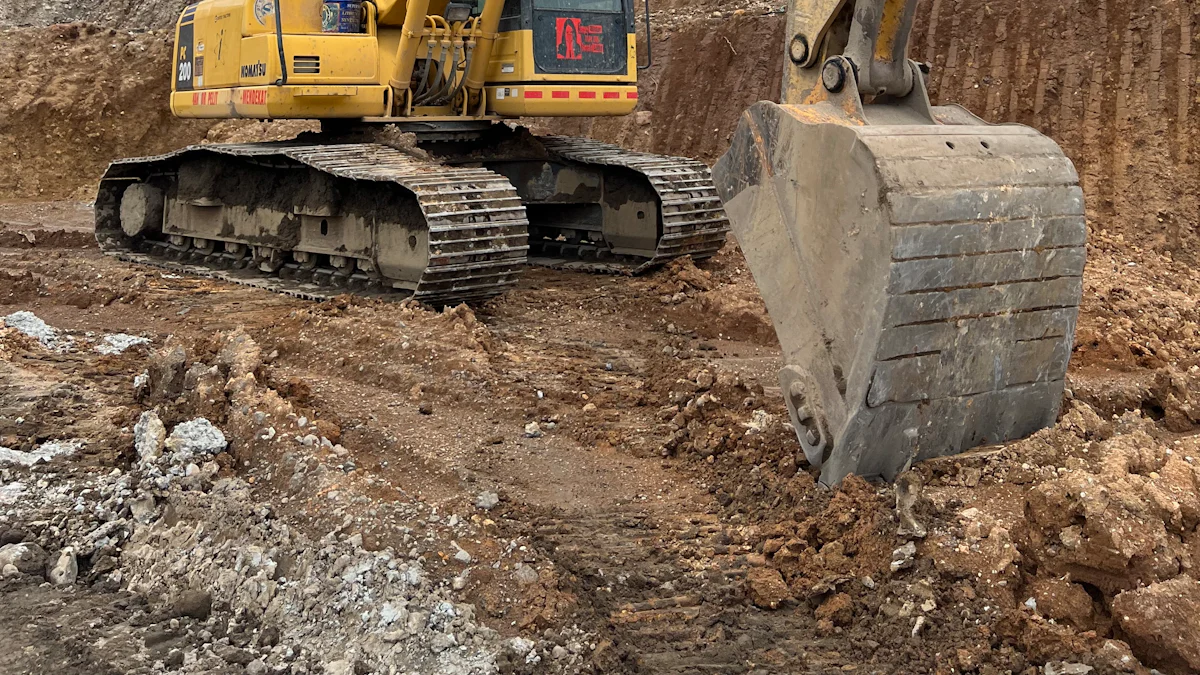
Rubber tracks play a vital role in industries like construction, agriculture, and robotics. They provide stability and traction, especially on uneven surfaces, making them indispensable for heavy equipment. The global rubber track industry was valued at 1.9billionin2022andisexpectedtogrowto3.2 billion by 2031. This growth reflects the rising demand for advanced equipment in these sectors. By 2025, manufacturers will adopt new elastomers and polymers to create lighter, stronger tracks. Investments in infrastructure and technology will further drive production, shaping the future of rubber tracks manufacturers 2025.
Key Takeaways
- The rubber tracks market may reach $2.34 billion by 2025. This growth is due to higher demand in building, farming, and mining.
- Companies are using better materials and technology, like synthetic rubber and Smart Track Technology, to make tracks last longer and work better.
- Many businesses focus on being eco-friendly by using materials like bio-based rubber to help the environment.
- New markets in South America and Africa offer big chances to grow because of more spending on roads and farming.
- Research and development are important for companies to stay ahead and meet changing market needs.
Market Overview
Growth Prospects in 2025
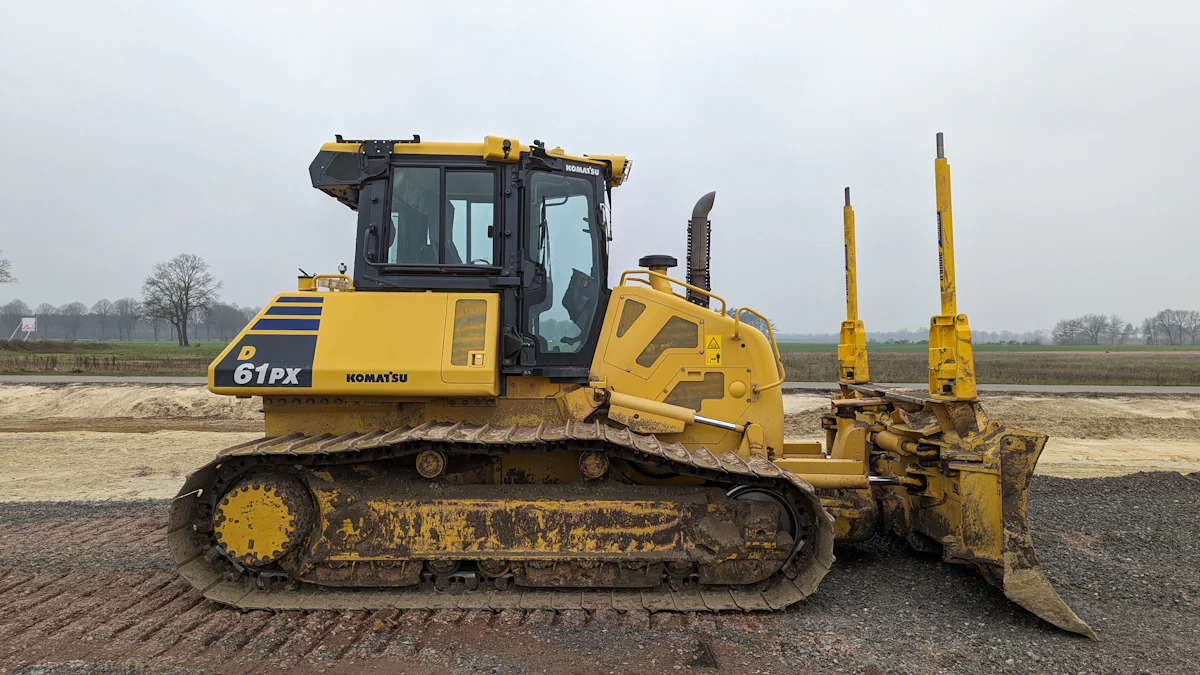
The rubber tracks market is set to experience significant growth in 2025. I see this growth driven by the increasing demand for construction, agriculture, and mining equipment. Governments worldwide are prioritizing infrastructure projects, which require heavy machinery equipped with durable rubber tracks. Urbanization and population growth are also fueling the expansion of agriculture and mining industries. These sectors rely on equipment that performs well in challenging terrains, further boosting the demand for rubber tracks.
Market Size and Valuation
The market size for rubber tracks in 2025 is projected to reach USD 2,344.5 million. This represents a steady growth rate, with a compound annual growth rate (CAGR) of 6.1%. Below is a table summarizing the market’s valuation and growth rate:
| Year | Market Size (USD) | Growth Rate (CAGR) |
|---|---|---|
| 2025 | 2,344.5 Million | 6.1% |
This growth highlights the increasing importance of rubber track manufacturers 2025 in meeting global demands.
Key Trends in Rubber Tracks Manufacturing
Adoption of advanced materials and technologies
Manufacturers are adopting innovative materials like advanced synthetic rubber compounds and reinforced steel cords. These materials enhance the durability and performance of rubber tracks. Smart Track Technology is also emerging, allowing real-time monitoring of wear and performance through integrated sensors. This technology helps improve efficiency and reduces downtime.
Increasing demand in emerging markets
Emerging markets in regions like South America and Africa are becoming key growth areas. These regions are investing heavily in infrastructure and agriculture, creating a surge in demand for rubber tracks. Manufacturers are expanding their presence in these markets to capitalize on the growing opportunities.
Focus on sustainability and eco-friendly production
Sustainability is shaping the future of rubber tracks manufacturing. Many manufacturers are now using eco-friendly materials, such as bio-based rubber and recycled components. This shift not only reduces environmental impact but also aligns with global efforts to promote green manufacturing practices.
Market Dynamics
Key Drivers of Growth
Rising demand for construction and agricultural equipment
I see the demand for construction and agricultural equipment as a major growth driver in the rubber tracks industry. Governments worldwide are investing heavily in infrastructure development and urbanization. These projects require machinery equipped with durable rubber tracks to operate efficiently on various terrains. Additionally, compact construction equipment is gaining popularity due to its ability to enhance operational efficiency. Increased investment in defense and security also contributes to this growth, as military advancements often rely on tracked vehicles.
- Increased investment in defense and security
- Infrastructure development and urbanization
- Rising demand for compact construction equipment
Technological advancements in manufacturing
Technological advancements are transforming the rubber tracks market. Innovations in rubber compounds and production methods have led to more durable and long-lasting tracks. For example, multi-ply technology and synthetic rubber enhance track performance, making them suitable for challenging applications in construction and agriculture. These advancements not only improve product quality but also expand the range of industries that can benefit from rubber tracks.
Challenges in the Industry
Supply chain disruptions and raw material costs
Supply chain disruptions and fluctuating raw material prices pose significant challenges for the rubber tracks industry. The COVID-19 pandemic intensified these issues, affecting demand and pricing strategies. Reduced construction and agricultural activities during the pandemic further impacted the market. Manufacturers must navigate these challenges to maintain production efficiency and meet customer needs.
- Fluctuating raw material prices
- Supply chain disruptions caused by the pandemic
- Decline in demand for rubber tracks during reduced activity periods
Competition from alternative track materials
Alternative track materials, such as steel tracks, present another challenge. These materials often compete with rubber tracks in terms of durability and cost. Manufacturers must focus on innovation and quality to differentiate their products and maintain a competitive edge.
Opportunities for Manufacturers
Expansion into robotics and autonomous vehicles
The rise of robotics and autonomous vehicles offers exciting opportunities for manufacturers. Companies like Waymo and Wayve are leading advancements in self-driving technology, creating potential partnerships for rubber tracks manufacturers. Ride-hailing companies, including Lyft and Uber, are also exploring collaborations with robotaxi developers. By aligning with these trends, manufacturers can tap into new markets and expand their reach.
- Partnering with self-driving stack developers
- Collaborating with OEMs investing in autonomous driving units
- Exploring partnerships with ride-hailing and robotaxi companies
Growth in snowmobile and niche track markets
Niche markets, such as snowmobiles and specialized robotic tracks, are growing rapidly. As a manufacturer, I’ve seen firsthand how these markets demand innovative designs and high-quality products. Emerging markets in Asia-Pacific, particularly in countries like China and India, also present significant opportunities. Rapid industrialization and infrastructure development in these regions drive the need for equipment that operates efficiently on diverse terrains.
Market Segmentation
By Track Type
Excavator tracks
Excavator tracks are among the most widely used in the industry. These tracks provide exceptional traction and stability, making them ideal for heavy-duty construction and mining applications. I’ve seen how their durability allows excavators to operate efficiently on rocky and uneven terrains. Manufacturers often use advanced tread patterns like straight bar or zig-zag to enhance performance in mixed and loose soil conditions.
Skid Loader tracks
Loader tracks are essential for compact construction equipment. They offer superior grip and reduced ground pressure, which is critical for tasks like material handling and landscaping. Multi-bar tread patterns are popular for loaders due to their versatility across various terrains. These tracks ensure smooth operation, even in challenging environments.
Dumper rubber tracks
Dumper tracks are designed to handle heavy loads while maintaining stability. They are commonly used in mining and construction sites where equipment must navigate steep slopes and rough surfaces. I’ve noticed that manufacturers focus on reinforced materials to improve load-bearing capacity and extend the lifespan of these tracks.
Snowmobile and robot tracks
Snowmobile and robot tracks represent a growing niche. Snowmobile tracks are engineered for optimal performance in icy and snowy conditions, while robot tracks cater to industries like robotics and automation. As a manufacturer, I’ve invested in new production lines to meet the rising demand for these specialized tracks. Their unique designs ensure precision and adaptability in diverse applications.
By Equipment Type
Construction equipment
Rubber tracks are indispensable for construction equipment like excavators, skid steer loaders, and bulldozers. They provide the traction and stability needed to operate on uneven and muddy terrains. The surge in global infrastructure projects has significantly increased the demand for these tracks.
Agricultural machinery
Agricultural machinery, such as tractors and harvesters, relies heavily on rubber tracks. These tracks reduce soil compaction and improve traction, which is vital for farming operations. I’ve observed that C-pattern treads are particularly effective in minimizing ground disturbance, making them a preferred choice for agricultural applications.
Specialized vehicles
Specialized vehicles, including defense and off-road vehicles, also benefit from rubber tracks. These tracks enhance mobility in extreme conditions, such as deserts or snow-covered landscapes. The growing interest in autonomous vehicles has further expanded the market for tracks tailored to specialized needs.
By End-Use Industry
Construction
The construction industry remains the largest consumer of rubber tracks. Heavy machinery equipped with these tracks plays a crucial role in infrastructure development, urbanization, and mining. Their ability to navigate challenging terrains makes them indispensable for construction projects worldwide.
Agriculture
In agriculture, rubber tracks improve the efficiency of farming equipment. They reduce ground pressure, which helps protect soil health and ensures better crop yields. I’ve seen how the adoption of rubber tracks in tractors and harvesters has transformed farming practices, especially in regions with diverse terrains.
Robotics and automation
Robotics and automation represent an exciting frontier for rubber tracks. Tracks designed for robots offer precision and adaptability, enabling them to perform tasks in industries like manufacturing, logistics, and defense. As a manufacturer, I’ve prioritized innovation in this segment to meet the growing demand for high-performance robotic tracks.
By Region
North America
North America leads the global rubber tracks market. I’ve observed that advanced construction practices and a high number of infrastructure projects drive this demand. Government initiatives, such as investments in public infrastructure, further boost the market. The region benefits from technological advancements, which enhance the durability and efficiency of rubber tracks. In my experience, customers in North America prioritize quality and innovation, making it a key market for premium products.
Europe
Europe holds the second-largest market share for rubber tracks. The region’s focus on sustainability and eco-friendly practices has shaped its demand. I’ve noticed that European customers often seek products made from recycled or bio-based materials. Countries like Germany, France, and Italy lead in adopting advanced agricultural machinery, which relies heavily on rubber tracks. Urbanization and industrialization also contribute to the steady growth of this market.
Asia-Pacific
Asia-Pacific is experiencing rapid growth in the rubber tracks industry. Extensive construction projects in countries like China and India drive this expansion. I’ve seen how government investments in infrastructure and agriculture fuel the demand for durable and cost-effective tracks. Domestic demand plays a significant role in this region’s growth. Manufacturers like me are focusing on meeting the unique needs of these markets, such as affordability and performance in diverse terrains.
Emerging Markets in South America and Africa
Emerging markets in South America and Africa present exciting opportunities. These regions are investing heavily in infrastructure and agricultural development. I’ve noticed that customers here value products that offer durability and adaptability to challenging environments. Brazil, for example, has become a key market due to its growing agricultural sector. Similarly, African nations are adopting modern machinery, creating a surge in demand for rubber tracks.
Competitive Analysis
Leading Rubber Tracks Manufacturers 2025
Overview of top global players
The rubber tracks industry in 2025 features several prominent manufacturers. These companies have established themselves as leaders through innovation and quality.
- HXRT Australia stands out for its durable products and ISO-certified quality.
- McLaren Industries impresses with a diverse product portfolio and global reach.
- Camso by Michelin integrates sustainability with advanced technology.
- Grizzly Rubber Tracks focuses on robust construction and anti-vibration features.
- National Tracks balances affordability with high performance.
Other notable players include Bridgestone Corporation, Continental AG, and DIGBITS Ltd. Their contributions ensure the industry remains competitive and innovative.
Focus on innovation and quality control
I’ve observed that top manufacturers prioritize innovation and quality control. Many implement strict ISO9000 systems to maintain consistent product standards. This approach ensures that every track meets or exceeds customer expectations. Companies also invest in advanced materials and production techniques to enhance durability and performance.
Innovations and Strategies in the Industry
Use of ISO9000 quality systems
ISO9000 quality systems play a crucial role in the rubber tracks industry. I’ve seen firsthand how these systems streamline production and improve product reliability. By adhering to these standards, manufacturers can build trust with customers and maintain a competitive edge.
Development of new production lines for niche markets
Manufacturers are expanding into niche markets like snowmobile and robotic tracks. I recently added a production line for these specialized tracks, which cater to growing demand in industries like automation and recreation. This strategy allows companies to diversify their offerings and tap into emerging opportunities.
Regional Market Leaders
Key players in North America, Europe, and Asia-Pacific
North America leads the rubber tracks market, holding over 25% of the global share. Advanced industrial practices and significant construction activities drive this dominance. Europe follows closely, with a strong focus on sustainability and eco-friendly practices. Asia-Pacific, particularly China and India, is experiencing rapid growth due to government investments in infrastructure and agriculture.
Partnerships and collaborations driving growth
Partnerships and collaborations are fueling innovation in the industry. I’ve noticed that mergers and acquisitions often lead to the development of advanced rubber compounds with improved durability and flexibility. These alliances enable manufacturers to meet rising demand and stay ahead in the competitive landscape.
Future Predictions and Insights
Industry Outlook for 2025 and Beyond
Continued growth in demand for rubber tracks
The rubber tracks market is on a steady growth trajectory. By 2031, it is expected to reach $3.2 billion, growing at a CAGR of 6.2% from 2023. This growth stems from rising demand in construction, agriculture, and mining. Heavy equipment in these sectors relies on durable tracks to perform efficiently. Rapid urbanization and infrastructure development in Asia-Pacific further fuel this demand. Countries like China and India are investing heavily in industrial projects, creating opportunities for manufacturers to expand their reach.
Increased focus on sustainability and efficiency
Sustainability is becoming a priority for manufacturers. Many are developing biodegradable rubber compounds and bio-based alternatives to reduce environmental impact. These innovations align with global efforts to promote eco-friendly practices. Efficiency is also improving through advancements in rubber compounds and production methods. For example, integrating sensors into tracks allows real-time monitoring, reducing downtime and enhancing performance. I see these trends shaping the future of rubber tracks manufacturers 2025.
Actionable Insights for Stakeholders
Importance of investing in R&D
Investing in research and development is crucial for staying competitive. Manufacturers can focus on creating durable and sustainable rubber compounds. Biodegradable materials attract environmentally conscious consumers and investors. Partnerships and acquisitions also enhance technological capabilities, enabling companies to meet high-quality demands.
Strategies for navigating supply chain challenges
Supply chain disruptions and raw material costs remain significant challenges. Strategic partnerships can help manufacturers secure reliable supply chains. Diversifying suppliers and exploring local sourcing options can mitigate risks. Additionally, adopting advanced production techniques reduces waste and optimizes resource use, improving cost efficiency.
Opportunities in emerging markets and niche applications
Emerging markets in South America and Africa offer immense growth potential. Infrastructure expansion and agricultural mechanization in these regions drive demand for rubber tracks. Niche applications, such as snowmobile and robotic tracks, also present opportunities. Manufacturers can develop innovative designs tailored to these markets. By focusing on product differentiation and cost-effectiveness, companies can cater to specific industry needs and expand their market share.
The rubber tracks industry in 2025 presents a dynamic landscape shaped by innovation, sustainability, and growing global demand. Manufacturers are adopting eco-friendly materials like bio-based rubber and recycled components, which enhance durability while reducing environmental impact. This shift aligns with the anticipated annual growth rate of 8-10%, driven by technological advancements and sustainable practices.
To thrive, manufacturers must focus on product differentiation and cost-effectiveness. Emerging markets in South America and Africa offer immense potential, while niche applications like snowmobile and robotic tracks continue to grow. By investing in innovation and forming strategic partnerships, stakeholders can navigate challenges and seize opportunities. The future of rubber tracks manufacturers 2025 looks promising, with a projected market value of $3.2 billion by 2031.
FAQ
What are the main benefits of using rubber tracks over steel tracks?
Rubber tracks provide better traction and reduce ground damage. They also offer a smoother ride and lower noise levels. I’ve seen how they improve fuel efficiency and reduce wear on machinery, making them ideal for construction, agriculture, and robotics.
How do manufacturers ensure the quality of rubber tracks?
I follow strict ISO9000 quality control systems during production. Every step, from raw material procurement to vulcanization, undergoes rigorous checks. This guarantees that each track meets or exceeds client standards for durability and performance.
What industries benefit the most from rubber tracks?
Construction and agriculture rely heavily on rubber tracks. Robotics and automation also benefit from their precision and adaptability. I’ve noticed growing demand in niche markets like snowmobiles and autonomous vehicles as well.
Are rubber tracks environmentally friendly?
Yes, many manufacturers, including myself, use eco-friendly materials like bio-based rubber and recycled components. This reduces environmental impact and aligns with global sustainability goals.
What regions are driving the growth of the rubber tracks market?
Asia-Pacific leads with rapid industrialization and infrastructure projects. North America and Europe follow, focusing on advanced technology and sustainability. I’ve also seen emerging markets in South America and Africa contributing significantly to growth.
Post time: Jan-09-2025