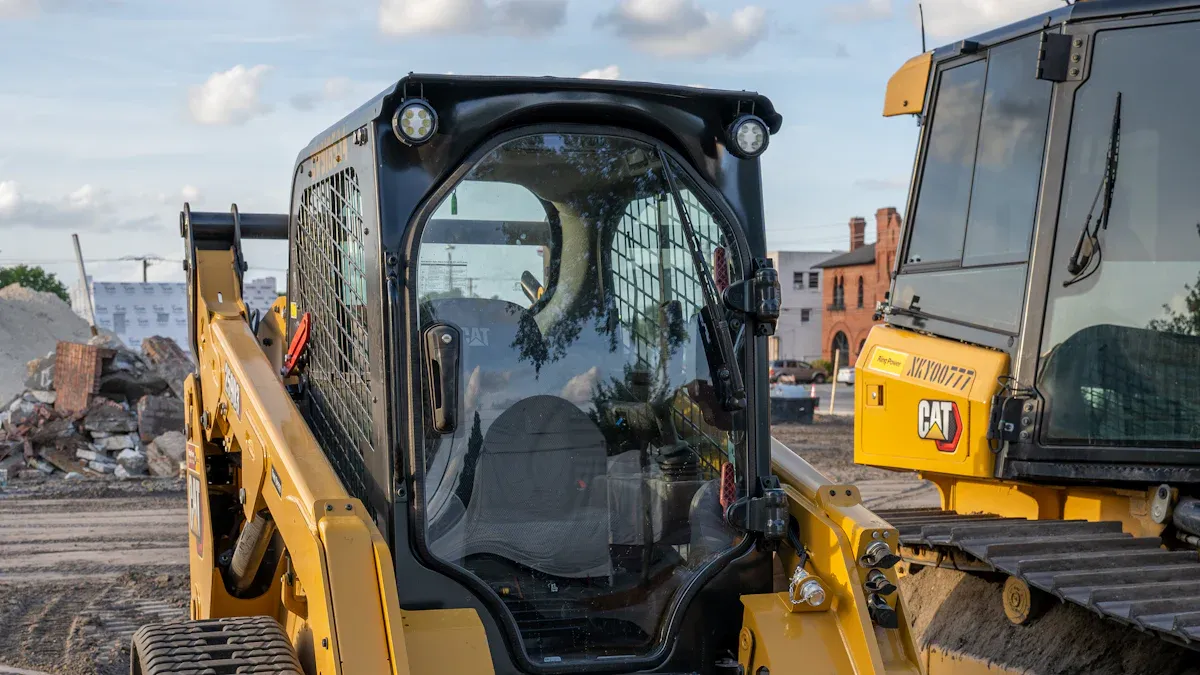
Skid loader tracks are essential for machines that operate in challenging environments. They provide better traction, stability, and durability compared to traditional wheels. High-quality tracks can transform performance. For instance:
- Rubber tracks reduce downtime in bad weather, increasing productivity.
- Steel-reinforced tracks handle rough terrains, minimizing wear.
- Proper maintenance extends track life, saving costs long-term.
Choosing the right tracks matters. Tracks designed for specific tasks, like construction or wet conditions, enhance efficiency and protect surfaces. With the skid loader market projected to grow significantly, selecting appropriate tracks ensures businesses stay competitive.
Key Takeaways
- Pick the right skid loader track for your work. Rubber tracks work well on soft ground, while steel tracks handle tough jobs best.
- Clean and check track tension often to make them last longer and keep the machine working better.
- Buying good tracks, like ones from Changzhou Hutai Rubber Track Co., Ltd., can save money over time by cutting down on repairs and replacements.
Types of Skid Loader Tracks
Skid loader tracks come in different types, each designed to meet specific needs. Choosing the right type can make a big difference in performance, durability, and cost-effectiveness. Let’s explore the three main types: rubber tracks, steel tracks, and hybrid tracks.
Rubber Tracks
Rubber tracks are popular for their versatility and ability to handle various terrains. They perform exceptionally well on soft surfaces like mud, snow, and uneven ground. Their flexibility reduces slippage and enhances stability, making them ideal for landscaping, agriculture, and environmentally sensitive tasks.
Tip: Rubber tracks cause less damage to ground surfaces compared to steel tracks, which is why they’re often preferred for jobs requiring minimal environmental impact.
Rubber tracks also offer a smoother ride, which reduces operator fatigue during long hours of work. They’re lightweight and easy to install, making them a cost-effective choice for many applications. However, their lifespan typically ranges between 500 and 800 hours, depending on usage and maintenance. High-performance rubber tracks, like those offered by Changzhou Hutai Rubber Track Co., Ltd., can last up to 1,500 hours, providing better value over time.
Steel Tracks
Steel tracks are the go-to option for heavy-duty operations. They excel in extreme conditions like rocky terrains, steep slopes, and icy surfaces. Their durability is unmatched, as they resist wear and damage even on abrasive surfaces. Steel tracks also enhance stability by lowering the machine’s center of gravity, which is crucial for carrying heavy loads.
Note: A track loader equipped with steel tracks can carry 300 to 500 more pounds per horsepower compared to a skid steer, making it a powerhouse for demanding tasks.
Steel tracks distribute weight evenly, reducing point loading and improving traction. They typically last longer than rubber tracks, which means fewer replacements and lower maintenance costs. For industries like construction and mining, steel tracks are a reliable choice that ensures consistent performance.
Hybrid Tracks
Hybrid tracks combine the best features of rubber and steel tracks. They offer the flexibility and ground protection of rubber tracks while incorporating steel components for added durability. This makes them suitable for applications that require both versatility and strength.
Hybrid tracks are often used in situations where machines need to transition between soft and hard surfaces. They provide excellent traction and stability, ensuring smooth operation across different terrains. While their upfront cost may be higher, their extended lifespan and adaptability make them a smart investment for businesses looking to maximize efficiency.
Pro Tip: Investing in hybrid tracks can reduce downtime and emergency repairs, saving money in the long run.
Whether you choose rubber, steel, or hybrid tracks, selecting high-quality skid loader tracks tailored to your needs is essential. Tracks from Changzhou Hutai Rubber Track Co., Ltd. are made with specially formulated rubber compounds and steel chain links, ensuring durability and smooth operation.
Applications of Skid Loader Tracks
Tracks for Construction Sites
Skid loader tracks are a game-changer for construction projects. They improve flotation and reduce ground bearing pressure, with some tracks achieving as low as 3.1 psi. This means machines can work efficiently on soft or uneven surfaces without sinking. Tracks also provide better traction and stability on slopes, making them ideal for hilly construction sites.
Tip: Tracks deliver a smoother finish when working in dirt, which is perfect for grading tasks.
Industry reports highlight how high-quality skid loader tracks boost productivity. Advanced features like telematics and hybrid designs enhance operational efficiency, ensuring construction tasks are completed faster and with fewer interruptions. Tracks also minimize turf damage, allowing machines to navigate delicate areas without leaving a mess.
Tracks for Landscaping and Agriculture
Landscaping and farming demand equipment that can handle wet and uneven terrain. Specialized skid loader tracks excel in these conditions. They offer better flotation, allowing machines to operate in muddy soil where wheeled loaders struggle. Tracks also minimize ground disturbance, preventing ruts and preserving the integrity of the land.
Pro Tip: Tracks reduce cleanup time, speeding up project completion.
In agriculture, tracks are increasingly used for tasks like plowing, harvesting, and soil preparation. Their ability to access areas that wheeled machines can’t reach makes them essential for modern farming practices. With the agriculture segment growing rapidly, investing in high-quality tracks ensures long-term efficiency.
Tracks for Snow and Wet Conditions
Snow and wet environments pose unique challenges, but skid lsteer rubber tracks handle them with ease. Rubber tracks, with ground pressure as low as 4 psi, provide excellent flotation on slippery surfaces. Steel-embedded rubber tracks offer higher durability but slightly less control in snow.
| Track Type | Ground Pressure (psi) | Performance in Snow/Wet Conditions |
|---|---|---|
| All-Rubber Track | ~4 | Lower risk of turf damage, better flotation on slippery ground |
| Steel-Embedded Rubber Track | ~5.5 | Higher ground pressure, less control in snow and mud |
Tracks with TDF tread designs grip snowy and icy surfaces effectively, preventing slipping and enhancing control during snow removal tasks. Their superior traction makes them indispensable for operations in challenging winter conditions.
Key Factors to Consider When Choosing Skid Loader Tracks
Choosing the right skid loader tracks can make or break your machine’s performance. From tread patterns to material quality, every factor plays a role in ensuring efficiency and durability. Let’s dive into the key considerations.
Tread Patterns and Their Impact
Tread patterns determine how well tracks grip the ground. They influence traction, stability, and even the amount of ground damage caused during operation.
- C-Lug Tracks: These offer balanced traction and flotation, making them ideal for mixed terrains. They’re perfect for jobs where minimizing ground damage is a priority.
- Multi-bar Tracks: Known for their excellent grip on loose surfaces, these tracks shine in sandy or gravelly conditions. However, they tend to retain mud, which can make them less effective in wet environments.
Tip: For snowy or icy conditions, opt for tracks with aggressive tread designs. They provide better control and reduce the risk of slipping.
Selecting the right tread pattern ensures your skid loader performs optimally, whether you’re working on slopes, soft soil, or rugged terrain.
Material Quality and Durability
The material quality of skid loader tracks directly impacts their longevity and performance under heavy use. High-grade materials resist wear and tear, making them essential for demanding tasks.
- Rubber Compounds: Tracks made from specially formulated rubber compounds, like those from Changzhou Hutai Rubber Track Co., Ltd., resist cutting and tearing. They’re perfect for soft terrains and environmentally sensitive areas.
- Hardened Steel Components: Steel chain links and inserts enhance durability. Hardened steel lowers the risk of failure when handling heavy loads or abrasive surfaces.
- Wear-resistant Coatings: Advancements in material science, such as wear-resistant coatings, allow tracks to withstand harsher conditions and longer operational hours.
Note: Investing in tracks with high-quality materials reduces downtime and replacement costs, ensuring your machine stays productive.
Track Sizing and Compatibility
Proper sizing and compatibility are crucial for smooth operation. Tracks that don’t fit correctly can cause inefficiencies and even damage the machine.
- Width: Most skid loader tracks range from 9 to 18 inches. Measure the width from one edge to the other to ensure a proper fit.
- Pitch: This is the distance between the centers of two consecutive drive links. It must match the machine’s drive sprocket configuration.
- Number of Links: Count the total number of drive links around the track. This determines the overall length and must align with the machine’s undercarriage dimensions.
Tracks designed for mixed conditions combine durability, traction, and flexibility. They enhance stability on slopes and rugged terrain, making them ideal for diverse job sites.
Pro Tip: Always consult your machine’s manual or an expert to confirm track compatibility before purchasing.
Cost vs. Performance
Balancing cost and performance is key when choosing rubber tracks for skid loader. While cheaper options may seem appealing, they often lack the durability and efficiency needed for long-term use.
- Rubber Tracks: These are cost-effective and suitable for light to medium-duty tasks. They’re ideal for landscaping and agriculture but may require more frequent replacements.
- Steel Tracks: Though pricier upfront, steel tracks last longer and perform better in extreme conditions. They’re a smart investment for heavy-duty operations.
- Hybrid Tracks: These offer the best of both worlds. Their higher initial cost is offset by their versatility and extended lifespan.
Tip: Consider the total cost of ownership, including maintenance and replacement expenses, when evaluating track options. High-quality tracks often save money in the long run by reducing downtime and repair costs.
Maintenance Tips for Skid Loader Tracks
Regular Cleaning and Inspection
Keeping skid loader tracks clean and well-inspected ensures they perform at their best. Dirt, mud, and debris can build up quickly, causing unnecessary wear and reducing efficiency. Regular cleaning prevents these issues and keeps the machine running smoothly.
- Always check the tracks before starting work. Look for signs of uneven wear or damage.
- Inspect the tension regularly. Loose tracks can slip, while overly tight ones may strain the undercarriage.
- Clean the undercarriage daily to remove contaminants. A clean machine uses less fuel, improving efficiency by up to 10%.
Frequent inspections also help catch problems early. Issues like hydraulic failures or track slipping can lead to costly repairs if ignored. By dedicating a few minutes each day to maintenance, operators can increase uptime by up to 25%.
Proper Storage Practices
How tracks for skid loader are stored plays a big role in their lifespan. Poor storage conditions can lead to cracking, warping, or other damage. Following best practices ensures tracks stay in top shape when not in use.
- Store equipment indoors or use covers to block UV rays. Sunlight can weaken rubber over time.
- Keep machines in temperature-controlled areas to avoid damage from extreme heat or cold.
- Clean tracks thoroughly before storage to remove mud, oil, or chemicals.
- Reduce tension slightly to relieve stress on rubber components.
Tracks should rest on dry surfaces with good ventilation. Using rubber protectants designed for track care adds an extra layer of protection. Avoid storing near ozone-generating equipment, as ozone can degrade rubber quickly.
Monitoring Track Tension
Track tension directly affects performance and durability. Improper tension can lead to operational issues, including slipping or excessive wear. Monitoring and adjusting tension regularly keeps the machine running efficiently.
Operators should check tension before each use. Tracks that sag or appear overly tight need adjustment. Follow the manufacturer’s guidelines for proper tension settings.
Tip: Use a tension gauge for precise measurements. This tool ensures the tracks are neither too loose nor too tight, reducing the risk of damage.
Maintaining correct tension also improves traction and stability, especially on uneven terrain. It’s a simple step that prevents bigger problems down the road.
Replacing Worn-Out Tracks
Even the best-maintained tracks wear out eventually. Knowing when to replace them is crucial for safety and performance. Signs of wear include cracks, missing tread, or reduced traction.
Operators should replace tracks when they show significant damage or fail to grip surfaces effectively. Ignoring worn-out tracks can lead to accidents or machine breakdowns.
Pro Tip: Invest in high-quality replacement tracks, like those from Changzhou Hutai Rubber Track Co., Ltd. Their specially formulated rubber compounds and steel chain links ensure durability and smooth operation.
Replacing tracks promptly keeps the machine safe and efficient, avoiding costly downtime. Regular maintenance and timely replacements go hand in hand to maximize productivity.
Choosing the right skid loader tracks ensures machines perform efficiently across different terrains. Proper maintenance, like cleaning and tension checks, extends track life and boosts productivity. For personalized advice, consult experts who understand your needs.
Need help? Contact us today!
- Email: sales@gatortrack.com
- WeChat: 15657852500
- LinkedIn: Changzhou Hutai Rubber Track Co., Ltd.
FAQ
What are the benefits of using rubber tracks over steel tracks?
Rubber tracks offer better ground protection, smoother rides, and reduced noise. They’re ideal for soft terrains like mud or snow and environmentally sensitive areas.
How often should skid loader tracks be replaced?
Replace tracks when you notice cracks, missing tread, or reduced traction. Regular inspections help identify wear early, ensuring safety and performance.
Can I use the same tracks for all terrains?
No, tracks should match the terrain. Rubber tracks suit soft surfaces, while steel tracks handle rocky or steep conditions. Hybrid tracks work well for mixed terrains.
Post time: Jun-06-2025