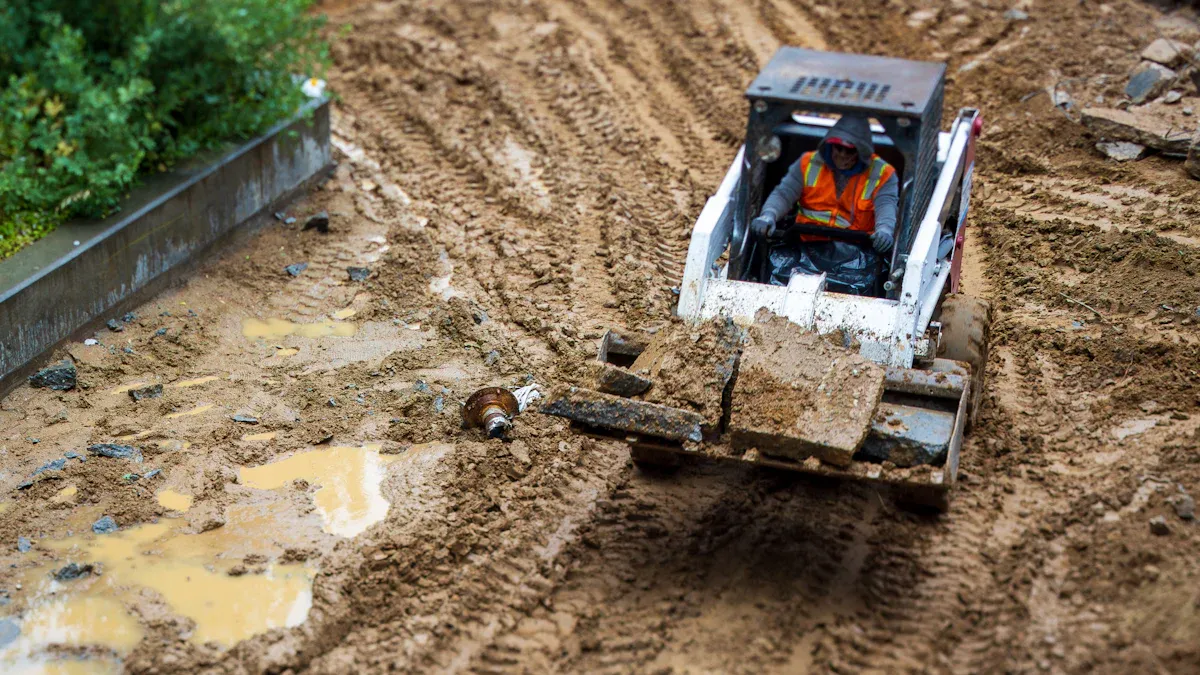
I understand selecting the correct Skid Steer Loader Tracks is crucial for peak performance and safety. The terrain—whether mud, snow, or gravel—dictates the best track type. I find that choosing terrain-appropriate tracks significantly boosts productivity, sometimes by up to 30% in muddy conditions. This guide will help you identify the ideal Skid Steer Loader Tracks for your specific application.
Key Takeaways
- Choose the right track type for your terrain. This improves performance and safety.
- Rubber tracks offer good durability and flexibility. They also reduce ground damage.
- Regular cleaning and proper tensioning extend track life. Avoid sharp turns on rough ground.
Understanding Skid Steer Loader Tracks: Why Terrain Matters
The Fundamental Role of Track Design in Traction and Flotation
I understand track design plays a fundamental role in a skid steer loader’s performance. It directly influences both traction and flotation. Engineers meticulously design tracks to enhance grip and prevent sinking on soft ground. I see how aggressive tread patterns increase friction through mechanical interference with the ground. This design distributes vehicle weight across multiple contact points. Precisely engineered link geometries optimize contact pressure and maintain flexibility. This converts rotational wheel energy into forward motion. It increases the effective contact patch area and provides multiple independent grip points. Modern systems use precisely manufactured, interconnected modular track segments. This forms continuous traction surfaces. This design offers superior ground contact and more effective load distribution. Modular segments provide larger contact patches. This improves flotation on soft surfaces and grip on hard materials. It also enhances ride comfort and reduces noise.
Key Characteristics of Rubber Tracks: Durability, Flexibility, and Ground Pressure
I find rubber tracks offer distinct advantages. They provide excellent durability, flexibility, and manage ground pressure effectively. Rubber track skid-steer loaders typically have a low ground pressure, ranging from 4 to 5 psi. This low pressure minimizes ground disturbance. It benefits tasks like irrigation installation or hardscaping upgrades. I also observe significant benefits over steel tracks. Rubber tracks distribute the machine’s weight more evenly. This reduces ground damage, protecting sensitive environments like lawns or wetlands. Their flexibility allows for even weight distribution. They also operate quietly. This makes them ideal for urban or residential areas where noise is a concern. I appreciate the increased comfort and reduced vibration. The tracks absorb vibrations, enhancing operator comfort. This potentially boosts productivity during long operating hours. Fewer vibrations also lead to improved durability and a longer machine life.
Skid Steer Rubber Tracks for Navigating Mud: Maximum Grip and Flotation
I know navigating muddy conditions with a skid steer loader presents unique challenges. I find that selecting the right Skid Steer Loader Tracks is essential for maximum grip and flotation.
Ideal Track Patterns for Mud: Aggressive, Open-Lug Designs
For mud, I always recommend aggressive, open-lug designs. I have seen these patterns excel. Multi-bar lug patterns are ideal for loose soil and mud. I also find that an aggressive tread pattern with an open auto-cleaning design renews grip capacity with every rotation. Deep treads with larger voids are desirable for maximizing grip. Zigzag (chevron or Z-pattern) tracks, with their distinctive tread and self-cleaning design, are very effective in wet, soupy mud. These designs often feature large, open tread blocks and aggressive shoulder designs. They aid in mud and debris evacuation.
Materials and Construction for Mud Resistance and Self-Cleaning
I focus on materials and construction that promote mud resistance and self-cleaning. Mud-resistant Skid Steer Loader Tracks commonly utilize deep, aggressive tread designs. These designs are specifically engineered to shed mud and debris. This prevents accumulation and maintains traction. For example, zigzag patterns offer excellent self-cleaning, which is essential for mud. Straight bar patterns also provide good self-cleaning due to fewer edges.
Performance Benefits: Preventing Sinking and Maintaining Traction
The performance benefits are clear. These specialized tracks prevent sinking and maintain traction. Good mud terrain tracks have deep, widely spaced lugs. These lugs provide excellent traction on loose surfaces. The tread design is created to self-clean. This means it ejects mud and debris between the lugs as the track rotates. This self-cleaning feature maintains traction and prevents clogging. I find that highly angled center tread blocks enhance traction and lateral stability. Self-cleaning shoulder blocks clear the tread of debris. This ensures enhanced dirt, gravel, and mud traction.
Skid Steer Loader Tracks for Conquering Snow and Ice: Cold Weather Performance
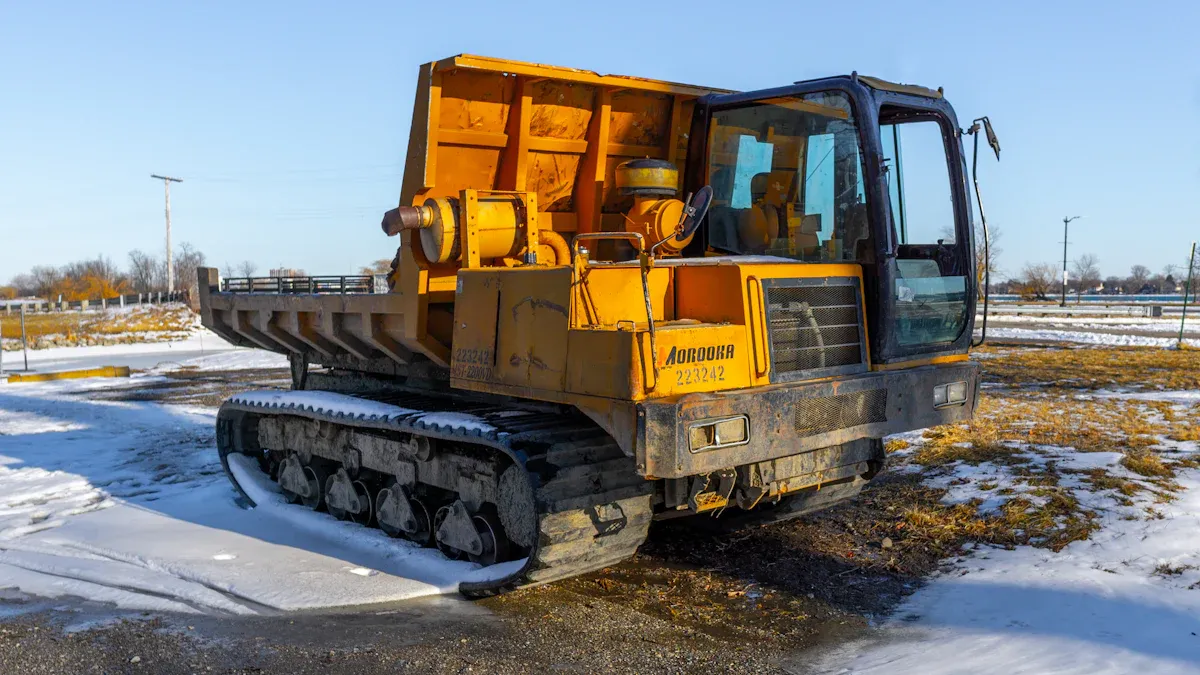
I know operating a skid steer loader in snow and ice demands specialized tracks. I find the right tracks significantly improve safety and efficiency in cold weather.
Recommended Skid Steer Tracks for Snow: Wider, Less Aggressive Treads with Siping
For snow and ice, I recommend specific track patterns. Bar-style treads often provide the best results in snow. Zig-zag patterns offer enhanced lateral stability on ice. I also consider studded rubber tracks, which feature metal studs embedded within the tread for extra grip, ideal for icy conditions. Block-tread rubber tracks have blocks or ‘lugs’ for a larger surface area to grip snowy surfaces without excessive compaction. The Z-Pattern Tread, a bar pattern with additional biting edges, provides superior grip compared to original equipment track tread designs. It works effectively in both ice and snow. Sipes, the small slits in the tread, are crucial for improving grip on ice. They create increased biting edges that dig into the snow and ice, significantly boosting traction. Lateral sipes improve traction during acceleration and deceleration, while longitudinal sipes enhance stability and handling on snow-covered roads.
Materials Optimized for Cold Temperatures and Ice Grip
I focus on materials optimized for cold temperatures and ice grip. All-weather tires utilize special compounds that retain pliability across a broad temperature spectrum. This characteristic ensures the track stays soft and grippy even when temperatures drop below freezing. Winter tires incorporate specialized rubber compounds with high silica content and other polymers. These compounds remain flexible even at temperatures as low as -40°F. The silica enhances traction on slick surfaces. This composition ensures the track maintains its shape and contact with the ground for consistent grip and control.
Performance Benefits: Enhanced Stability and Reduced Slippage
These specialized tracks offer clear performance benefits. They provide enhanced stability and reduced slippage. The flexible compounds and biting edges of sipes allow the tracks to conform to the icy surface. This maximizes contact and minimizes the risk of sliding. I see operators gain better control and confidence, even in challenging winter conditions.
Skid Steer Loader Tracks for Tackling Gravel and Rocky Terrain: Durability and Puncture Resistance
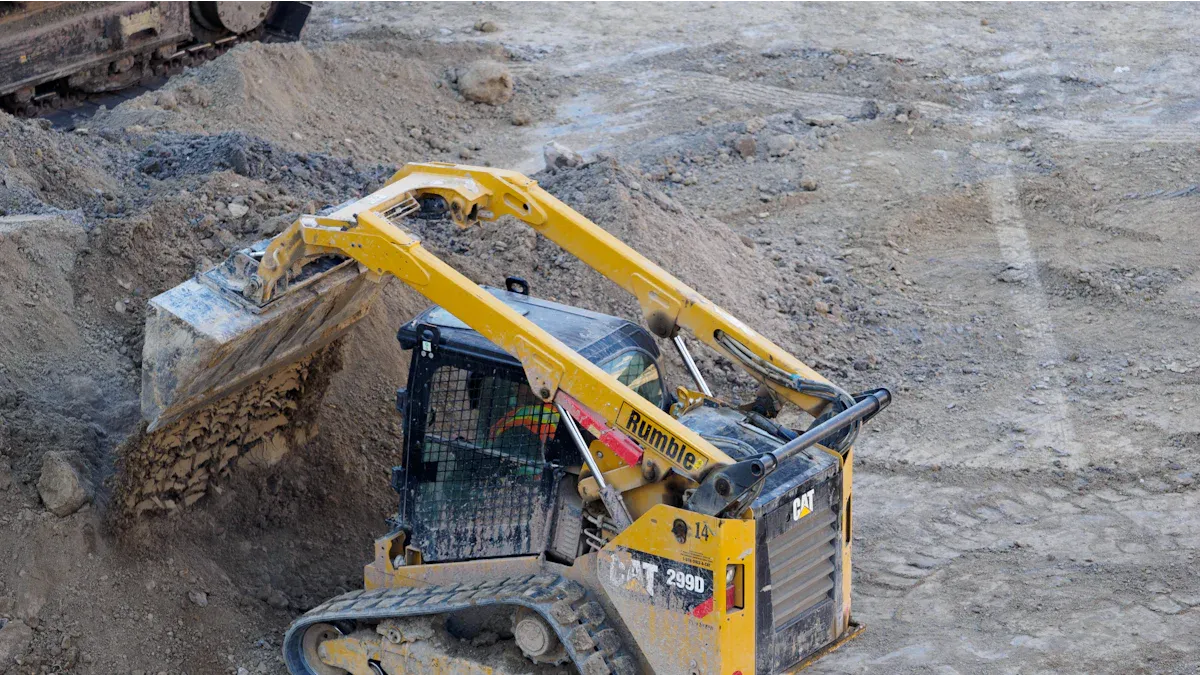
I know gravel and rocky terrain demand tracks built for extreme durability and puncture resistance. I find that choosing the right tracks for these conditions protects your investment and keeps your operations running smoothly.
Preferred Skid Steer Tracks for Gravel: Robust, Closed-Block or Multi-Bar Designs
For gravel and rocky surfaces, I prefer robust track patterns. The ‘Multi-bar’ tread pattern offers a strong design with bars across the width. This enhances traction and stability on challenging terrains. Its durable construction ensures longevity. I also consider the ‘Block’ (Heavy Duty) pattern. It features thick lugs built for abrasive sites and demolition. This pattern provides robust lugs and tough wear for durability, especially strong on rock and quarry work. These designs offer superior durability on gravel. They provide excellent traction on loose surfaces. Abrasion resistance is crucial for tracks on gravel. It ensures longevity and performance.
Reinforced Construction and Compounds for Abrasion and Puncture Resistance
I look for specific reinforcement materials and compounds to enhance abrasion and puncture resistance. Manufacturers use high-quality rubber compounds. They formulate these for exceptional abrasion resistance against gravel, asphalt, and rocky surfaces. These compounds also offer high tear and cut resistance against sharp debris. Steel cord reinforcement prevents stretching. It maintains dimensional stability and enhances load-bearing capacity. Fabric or aramid layers are embedded for added flexibility and puncture resistance. Steel core bars or cables are integrated to maintain shape under tension. They prevent slippage on drive sprockets. Reinforced sidewalls protect against punctures. They also enhance grip over jagged terrain.
Performance Benefits: Extended Track Life and Reduced Downtime
The performance benefits of these specialized tracks are significant. They provide extended track life and reduced downtime. I see these tracks withstand the harsh conditions of gravel and rocky terrain. This means fewer track replacements and less time spent on repairs. Operators experience consistent performance. This translates into higher productivity and lower operating costs.
Beyond Terrain: Other Factors in Skid Steer Loader Track Selection
Machine Weight and Horsepower Considerations
I always consider the machine’s weight and horsepower when selecting tracks. A heavier skid steer loader needs tracks that can handle the increased load. This prevents premature wear. Higher horsepower machines often operate more aggressively. They require tracks built for greater stress. I find matching the track’s load capacity to the machine’s weight is crucial. This ensures optimal performance and safety. It also prevents track failure under heavy use.
Operating Hours and Expected Lifespan
Operating hours directly impact track lifespan. I know tracks used for many hours daily will wear out faster. The operating environment also plays a big role. Higher temperatures accelerate track material degradation. Chemical exposure, like oils or solvents, can also break down the rubber faster. Conversely, colder environments slow down these processes. Light exposure, especially UV radiation, speeds up photo-oxidative degradation. High humidity promotes hydrolytic and biological degradation. I always factor these environmental elements into my track selection. This helps me choose tracks that will last.
Budget Versus Long-Term Value
I understand budget is always a consideration. However, I always advise looking at long-term value over initial cost. Cheaper tracks might save money upfront. They often wear out faster. This leads to more frequent replacements and increased downtime. Investing in higher-quality tracks, even if they cost more initially, usually pays off. They offer better durability and performance. This reduces overall operating costs and boosts productivity. I prioritize tracks that offer the best long-term value for my operations.
Maintenance Tips for Extending Skid Steer Loader Track Life
Regular Cleaning and Inspection
I find regular cleaning and inspection are crucial for extending track life. I clean my tracks daily, especially after intensive operations. This prevents debris buildup. I use a high-pressure water jet to dislodge stubborn dirt and mud. A track cleaning tool or scraper helps remove compacted debris. I also thoroughly inspect the tracks for foreign objects like stones or metal. I check for cuts, cracks, misalignment, and issues with mounting lugs, belt edges, contact zones, rollers, sprockets, and idlers. I perform a general inspection daily and a more detailed one weekly. For instance, I check track tension monthly, aiming for 0.5–1 inch deflection. Neglecting this leads to costly unplanned downtime, which can be $448-760 per day.
Proper Tensioning
Proper track tensioning is vital. If the tension is too tight, I notice increased fuel consumption and faster machine wear. The hydraulic drive motor needs more torque. This also accelerates track wear. If the tension is too loose, the track easily derails. Guides on the rubber track can bend or get damaged. This causes rollers to roll incorrectly. The track might even come off. This leads to increased downtime and negative business impacts. I always follow manufacturer specifications for tension.
Avoiding Sharp Turns on Abrasive Surfaces
I always avoid sharp turns on abrasive surfaces. Sharp turns place additional stress on track links and sprockets. This leads to much faster wear. I make wide, gentle turns whenever possible. I also minimize unnecessary travel and avoid excessive time on slopes. When turning on hard surfaces, I make small-curve turns. This prevents scarring and extends the undercarriage’s life. Driving slowly during turns also helps minimize wear. I know that neglecting these practices results in expensive emergency repairs, often three to four times higher than planned maintenance.
I find selecting the correct rubber track for skid steer is paramount. This choice depends on the specific terrain: mud, snow, or gravel. It ensures efficiency, safety, and track longevity. I believe matching track design to your operating environment guarantees optimal performance. This also protects your investment.

FAQ
How do I choose the best track type for general-purpose use?
I recommend a multi-bar or block pattern for general-purpose use. These patterns offer a good balance of traction and durability across various terrains.
How often should I check my track tension?
I check my track tension monthly. Proper tension prevents premature wear and costly repairs. It ensures optimal performance.
Can I use rubber tracks on all surfaces?
I find rubber tracks perform well on most surfaces. However, I avoid sharp turns on abrasive surfaces like jagged rocks. This extends track life.
Post time: Nov-27-2025