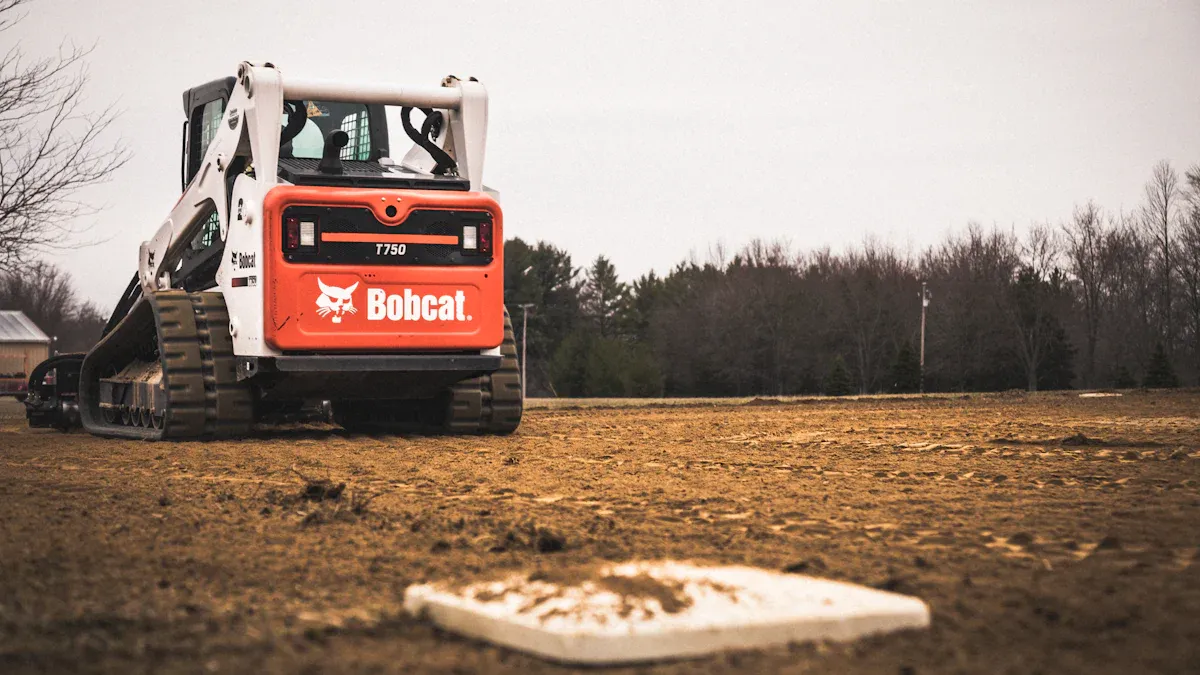
I will guide you through the top Skid Steer Rubber Tracks for construction and landscaping in North America for 2025. Discover how to choose optimal Skid Steer Loader Tracks offering superior durability, traction, ride comfort, and cost-effectiveness. This guide helps you maximize your machine’s performance and longevity by selecting the right skid steer tracks.
Key Takeaways
- Choosing the right skid steer tracks helps your machine work better and last longer. Good tracks give better grip, which means faster work and less slipping.
- Picking tracks means looking at the track pattern, the rubber quality, and how they are built. Different jobs need different tracks, like tough tracks for rocks or gentle tracks for grass.
- Taking care of your tracks makes them last longer. Clean them often, keep the tension right, and drive carefully. This saves money and keeps your machine working.
Why the Right Skid Steer Rubber Tracks Matter
Impact on Performance and Productivity
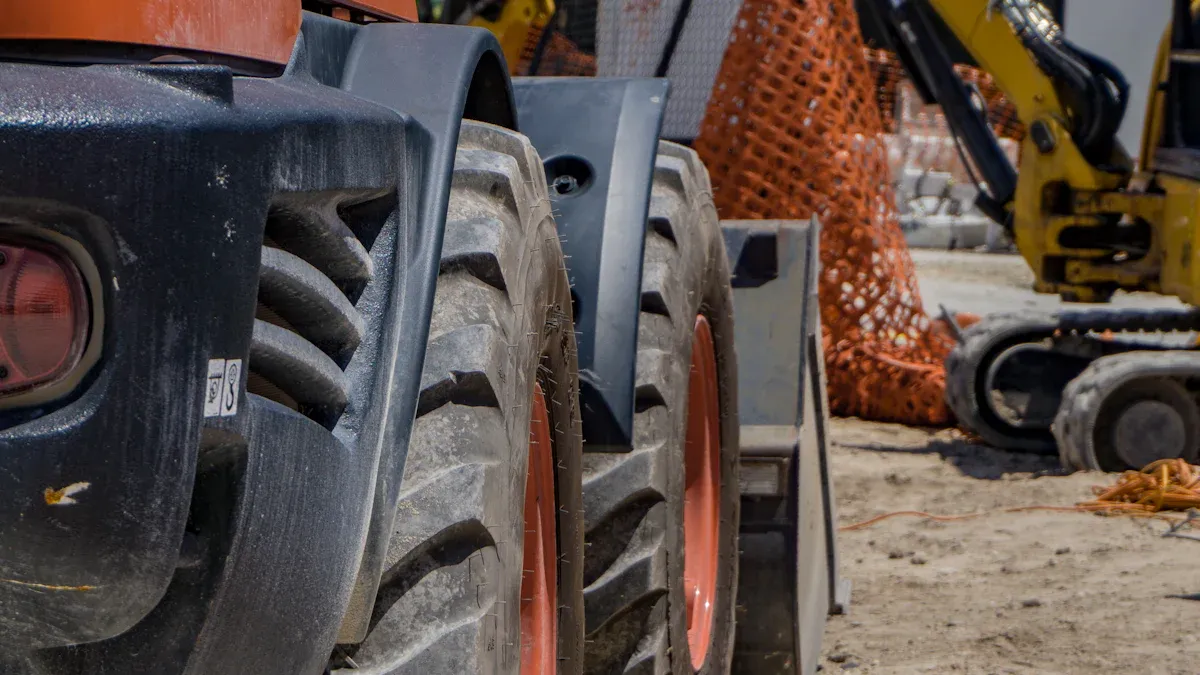
I know choosing the correct tracks directly influences your machine’s performance. The right tracks provide superior grip. This means your skid steer moves efficiently across various terrains. It also allows for faster cycle times and better material handling. Poor tracks lead to slippage and reduced power transfer. This slows down your work and decreases overall productivity. I always see a noticeable difference in job completion rates when using high-quality tracks.
Durability and Lifespan Expectations
I understand that durability is key for any heavy equipment component. High-quality Skid Steer Rubber Tracks resist wear and tear much better. They withstand harsh conditions, like abrasive surfaces or extreme temperatures. This extended lifespan means fewer replacements. It also reduces downtime for maintenance. I always look for tracks built to last, ensuring my machines stay operational longer.
Cost-Effectiveness and Return on Investment
I believe investing in premium tracks offers significant long-term savings. While the initial cost might be higher, the benefits outweigh it. You experience less frequent track changes. This saves money on parts and labor. Reduced downtime also means your machine earns more. I find that reliable tracks contribute directly to a better return on investment for my equipment. They keep projects on schedule and within budget.
Key Factors for Selecting Skid Steer Rubber Tracks
I know that choosing the right Skid Steer Rubber Tracks involves careful consideration of several critical factors. These elements directly influence your machine’s performance, durability, and overall cost-effectiveness. I always evaluate these points to ensure I make the best decision for my operations.
Track Pattern and Tread Design
I find that the track pattern and tread design are paramount for optimal traction and performance across different terrains. Each design offers unique advantages.
| Track Pattern | Key Characteristics & Traction Impact |
|---|---|
| Staggered Block | This pattern is highly versatile. It offers a good balance of traction and minimizes vibration. It also increases flotation by spreading the weight load. I find it suitable for asphalt, dirt, grass, and gravel. |
| C-Pad (C-Lug, C-Pattern, C-Block) | I see this pattern provides a more aggressive bite than Staggered Block. It offers optimal flotation and traction for hills and slopes. It works effectively on asphalt, dirt, grass, and gravel. |
| Straight-Bar | This is the most aggressive option. It gives great results in mud and snow where traction is the priority. Operator comfort is secondary with this design. I use it for dirt, gravel, mud, and snow. |
| Zig Zag | I appreciate the extreme versatility of the Zig Zag pattern. It provides a smooth ride and optimal wear on multiple surfaces. It is effective in snow and mud. I find it suitable for dirt, gravel, mud, and snow. |
| Multi-Bar | This pattern is aggressive yet offers a smoother ride than Straight-Bar. It provides great flotation and traction. I use it for dirt, grass, and snow. |
| Turf | I choose this turf-friendly design to protect delicate surfaces. It provides maximum ground contact. It also offers a smooth ride for operator comfort. I find it suitable for asphalt and grass. |
For challenging conditions like loose dirt, sand, and mud, I know skid steers benefit from soft-surface tires with deep, aggressive lugs. These lugs dig into soft soils and mud. The tread patterns are also engineered for self-cleaning to maintain traction. For example, the Galaxy Muddy Buddy features 55% more tread depth than standard R-4 skid steer tires, enhancing performance in mud and manure. In off-road applications, especially muddy conditions, traction is paramount. This requires an aggressive tread pattern with an open, auto-cleaning design. This self-cleaning capability is crucial for continuously renewing grip with each tire rotation. Additionally, deep treads with larger voids are highly desirable for optimal performance in such challenging environments.
Rubber Compound and Quality
I understand that the quality of the rubber compound directly impacts the track’s durability and performance. Manufacturers often use a blend of natural and synthetic rubber.
| Feature | Natural Rubber | Synthetic Rubber |
|---|---|---|
| Key Properties | Tensile strength, elasticity | Enhanced resistance to tear, abrasion, heat, chemicals, and weather conditions |
Skid steer tracks often utilize a blend of natural and synthetic rubber compounds. This combination is crucial for achieving both flexibility and strength. It enables the tracks to perform effectively in challenging environments while providing a smooth ride. I always look for tracks with a high-quality blend. This ensures they withstand harsh conditions and offer a longer lifespan.
Track Construction and Core Type
I know the internal construction of a track is just as important as its exterior. This includes the core type and reinforcement. For durability and strength, especially in construction, excavation, grading, and demolition, track reinforcement is vital. This includes:
- Steel Cords: Manufacturers embed these for structural integrity and stretch-resistance. They enhance tensile strength.
- Reinforced Sidewalls: Additional layers of rubber or synthetic materials protect against cuts, punctures, and abrasions from sharp objects and rough terrain.
- Kevlar Reinforcement: This incorporates high-strength synthetic fiber for extra resistance to cuts and punctures. It boosts durability.
I always prioritize tracks with robust construction. This ensures they can handle the demands of heavy-duty work.
Machine Compatibility and Fit
I cannot stress enough the importance of proper machine compatibility and fit. Incorrect sizing leads to improper engagement, excessive wear, and potential safety hazards. I always verify these critical dimensions:
- Track width (in inches or millimeters)
- Pitch (center-to-center distance between two drive links)
- Total number of drive links
- Variations in wing guide height and width (for compatibility)
The critical dimensions for ensuring proper fit of rubber tracks on different skid steer models are track width, pitch, and the number of links. Accurate measurements of these three primary factors are essential for the tracks’ function and the machine’s performance. Track width, typically measured in millimeters, determines the machine’s overall footprint. Pitch, the distance between the centers of two consecutive drive links, affects track flexibility, ride smoothness, and proper engagement with sprockets and rollers. The total number of drive links determines the track’s overall length. It is crucial for correct tension and performance around the undercarriage.
Operating Environment and Application
I always consider the specific operating environment and application when selecting tracks. Different jobs require different track characteristics.
For abrasive environments like demolition sites, I look for specific features:
- Abrasion Resistance: This is essential for longevity on pavement, gravel, or uneven, rocky ground. It helps tracks maintain integrity.
- Heat Resistance: High-quality rubber must withstand friction and sunlight to prevent degradation. This is crucial for prolonged use on hot surfaces.
- Block Treads: These are highly durable and heavy-duty due to thick, chunky rubber. I find them excellent for demolition and forestry, despite being the roughest riding option.
When I work in soft ground or muddy conditions, I recommend specific track designs:
- Multi-bar tracks are effective in soft mud. Their horizontal bar pattern provides reliable traction on loose surfaces.
- Zig Zag tracks, also known as chevron or Z-pattern, are recommended for wet, soupy mud. They offer exceptional traction and a self-cleaning design.
I always match the track to the job. This maximizes efficiency and extends track life.
Top Skid Steer Loader Track Brands for 2025 in North America
I always look for the best brands when it comes to Skid Steer Rubber Tracks. Here are some top contenders for 2025 in North America.
McLaren Skid Steer Rubber Tracks (NextGen, Maximizer Series)
I find McLaren tracks consistently deliver on durability and comfort. Their NextGen series, for example, uses SpoolRite Belting Technology. This technology features continuous bands of high-quality steel, which prevents track breaks and ensures structural integrity. McLaren also uses advanced rubber compounds like HRAT for flexibility and resistance to tears, and 5-RT for UV protection. These compounds enhance toughness. For ride comfort, I appreciate their individual optimal footprint designs. These designs minimize vibration, which improves load stability and reduces wear on the undercarriage. The NextGen TDF series also features a double offset tread pattern for reduced vibration.
Camso Skid Steer Rubber Tracks (CTL Series)
Camso’s CTL series offers excellent performance. I consider their CTL HXD series the ultimate track for durability and performance, suitable for most applications. It features single-cure technology with a next-generation rubber compound. This ensures even tread wear and predictable tread life. The optimized H pattern tread profile provides excellent durability in heavy-duty applications. Forged metal cores with Trackguard technology improve rolling path life, reducing failures. Enhanced endless high-tensile steel cables also eliminate unexpected downtime.
Summit Supply Premium Skid Steer Rubber Tracks
Summit Supply Premium tracks are a strong choice for heavy-duty applications. I have seen them provide enhanced traction and a smoother ride. This contributes to operator comfort and reduces machine stress. Their improved durability comes from Continuous Steel Cording (CSC). They precision-manufacture these tracks from a blend of high-quality synthetic and virgin natural rubber. This offers superior flexibility and resistance to abrasion and tears. I also note they contain up to 30% more rubber than other tracks in the same class.
DRB Heavy Duty Skid Steer Rubber Tracks
DRB offers robust heavy-duty Skid Steer Rubber Tracks. I find their focus on strength and resilience makes them a reliable option for demanding jobs.
Prowler Rubber Tracks for skid steer (Predator, Fusion Series)
Prowler’s Predator and Fusion series tracks are known for their aggressive designs and durability. I often recommend them for specific applications requiring superior grip.
Other Notable Brands (e.g., Bobcat/Bridgestone, Global Track Warehouse, Grizzly, TNT)
Other reputable brands include Bobcat/Bridgestone, Global Track Warehouse, Grizzly, and TNT. Each offers quality options, and I always consider them based on specific machine needs and budget.
Best Skid Steer Rubber Tracks for Specific Applications
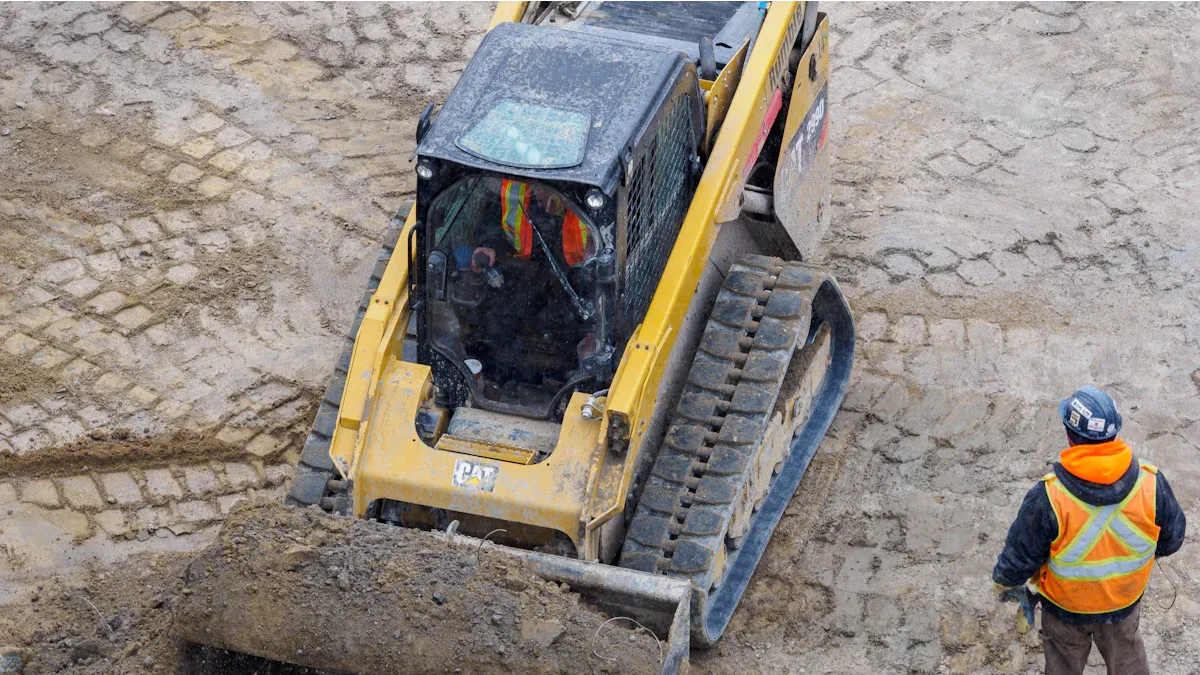
I know that choosing the right track for a specific job makes a huge difference. Different applications demand different track characteristics. I always match the track to the task for optimal performance and longevity.
General Construction and Versatility
For general construction, I look for tracks that offer a good balance of durability, traction, and ride comfort. These tracks need to perform well on various surfaces. They handle everything from asphalt to dirt and gravel. I often recommend a staggered block or C-pad pattern for this versatility. These patterns provide reliable grip without being overly aggressive. They also minimize vibration, which improves operator comfort during long shifts. A high-quality rubber compound with good abrasion resistance is also essential. This ensures the tracks withstand the daily wear and tear of a construction site.
Landscaping and Turf Protection
When I work on landscaping projects, protecting delicate surfaces is a top priority. I need tracks that offer excellent traction without causing damage. Multi-Bar Lug patterns are ideal for this. They provide superior traction while maintaining low ground pressure. This makes them perfect for landscaping. I have seen a Bobcat T650 with Multi-Bar Lug pattern tracks operate efficiently on soft terrain. It minimized ground disturbance due to its lower ground pressure and turf-friendly design. McLaren Industries’ Terrapin series also offers a versatile tread pattern. It balances comfort, performance, and longevity. It provides excellent traction and remains turf-friendly for environments like golf courses or backyards. The NextGen Turf™ pattern CTL rubber skid steer tracks are specifically designed for landscaping. They feature a smoother tread and lower ground pressure. This protects grass in sensitive environments better than other industry options.
Demolition and Rocky Terrain
Demolition and rocky terrain demand the toughest tracks available. I need tracks that resist cuts, punctures, and extreme abrasion. Block treads are my go-to choice here. They are highly durable and heavy-duty. Their thick, chunky rubber withstands harsh impacts. I find them excellent for demolition and forestry. They are the roughest riding option, but their resilience is unmatched. Reinforced sidewalls and steel-cord construction are also critical. These features protect against sharp debris and prevent track failure.
Mud and Soft Ground Traction
Working in mud and soft ground requires tracks designed for maximum grip and flotation. I always choose wider tracks with deep treads for these conditions. They prevent the machine from sinking and ensure stability. The Multi-bar lug pattern is ideal for loose soil and mud. It provides excellent traction. The Block Pattern track is specifically designed for soft terrains. This includes thick mud, fresh snow, or shifting sand. Its expansive surface area significantly reduces the chance of the vehicle getting stuck or sinking. It distributes the skid steer’s weight over a broader area. This ensures reliable and consistent traction even on demanding terrains. I find it adaptable for tasks such as beach cleanup, snow removal, or navigating waterlogged fields. The Multi-Bar Pattern is also ideal for agricultural and soft ground conditions. It combines the benefits of both bar and block patterns. It features strategically placed bars that provide enhanced grip. This is especially true when navigating farmlands with organic residue or terrains with debris. In challenging soft soil conditions, including mud or wet soil mixed with rocks and branches, the bars dig deep into the earth. The block patterns offer support and balance. This maximizes performance and safety.
Best Value and Budget-Friendly Options
I understand that budget is always a consideration. Finding the best value means balancing cost with performance and durability. I look for aftermarket suppliers who offer quality Skid Steer Rubber Tracks at competitive prices. These tracks might not carry a premium brand name. However, many provide excellent performance for their cost. I always check for a good warranty and positive customer reviews. This ensures I am getting a reliable product. Sometimes, a slightly higher initial investment in a durable track saves money in the long run. It reduces replacement frequency and downtime.
Extending the Life of Your Skid Steer Rubber Tracks
I know that proper maintenance significantly extends the lifespan of your skid steer rubber tracks. This saves you money and reduces downtime. I always follow these best practices to maximize my investment.
Regular Cleaning and Inspection
I make sure to clean my tracks regularly. For typical operating conditions, I find daily cleaning of skid steer rubber tracks generally sufficient. However, if I use the machine in environments with cohesive and abrasive materials like mud, clay, or gravel, I clean them more frequently. This might mean several times a day. This prevents wear and material buildup. In dusty, sandy, or muddy environments, I always clean the tracks at the end of a shift. This prevents issues like abrasion from sand and pebbles. It also stops mud or snow from hardening, which can lead to track derailment.
Proper Track Tensioning
I understand proper track tensioning is crucial. Improper tensioning causes many problems.
- Signs of improper track tension during operation:
- Reduced Traction: My machine may slip, struggling to grip. This decreases productivity.
- Excessive Vibrations: I feel these throughout the cabin. They cause discomfort and indicate potential undercarriage damage.
- Uneven Track Wear: I observe this during inspections. It shows a need for adjustment.
- Consequences of ‘Too Tight’ (Over-Tensioning):
- Power Loss and Fuel Waste: The engine works harder. This leads to higher fuel consumption.
- Accelerated Component Wear: Increased contact pressure causes rapid wear on track bushings and sprockets.
- Consequences of ‘Too Loose’ (Under-Tensioning):
- De-tracking: A slack track can slip off the front idler. This causes immediate downtime.
- Sprocket and Bushing Wear: Improper engagement leads to chipping and abnormal wear patterns.
I always check for abnormal track sagging or excessive track noise. These indicate improper tension.
Operating Practices to Minimize Wear
I always emphasize smart operating practices. Aggressive turning on hard surfaces significantly increases track wear. This happens because sharp turns cause the rubber to ‘skin’ on the ground. It is similar to how car tires screech. To minimize wear, I drive slowly. I avoid aggressive cornering when it is not necessary. Operators should turn in a controlled manner. They should also avoid aggressive braking or excessive speed.
Storage Recommendations
I store my tracks carefully to prevent degradation. I protect tracks from sunlight during long-term storage. This prevents UV light and ozone degradation. I drive the machine every one or two weeks for 5-10 minutes. This maintains track flexibility. If outdoor storage is necessary, I cover the entire unit or park it in the shade. I also individually cover tracks with tarps or cloths. If I remove tracks, I store them in a cool, dry environment. I lay them evenly on their sides to avoid crimps and folds.
Where to Purchase Skid Steer Rubber Tracks in North America
Finding the right place to buy skid steer rubber tracks is as important as choosing the tracks themselves. I always consider several reliable sources to ensure I get quality products and good service.
Authorized Dealers and OEM Suppliers
I often start my search with authorized dealers and Original Equipment Manufacturer (OEM) suppliers. These sources provide tracks specifically designed for your machine’s make and model. You get guaranteed compatibility and often a manufacturer’s warranty. I find their expertise invaluable for specific machine requirements. They also offer genuine parts, which ensures optimal performance and longevity.
Online Retailers and Marketplaces
Online retailers offer a convenient and often competitive option. I have found that some online suppliers are quite comprehensive. For example, one of the largest online suppliers of rubber tracks and tires in North America serves all 48 contiguous states, Alaska, and Hawaii. They offer free shipping to the USA and provide same-day pick-up in 47 major cities. I appreciate their next-day delivery options and a 2-year warranty on products. They also guarantee the lowest price and stock tracks for a wide range of major brands like ASV, Bobcat, Case, and John Deere.
Aftermarket Suppliers and Specialists
Aftermarket suppliers present a cost-effective alternative. I know aftermarket rubber tracks are typically chosen for their lower cost compared to OEM tracks. While OEM tracks offer high-quality performance, they are more expensive. Individuals and companies often purchase aftermarket parts primarily to save money. For those unable to invest in premium tracks, quality economy-level aftermarket tracks are available at a more accessible price point. These can be advantageous if you use the machine infrequently or plan to sell it soon. I always recommend purchasing from a reputable and established aftermarket supplier. This mitigates financial risks and helps avoid hidden costs associated with poor quality tracks.
I believe selecting the ideal skid steer rubber tracks for 2025 is crucial for operational success. I always prioritize track design, material quality, and application suitability. This ensures enhanced performance. I make informed decisions. This boosts productivity and extends equipment lifespan in construction and landscaping.
FAQ
How often should I inspect my skid steer tracks?
I recommend daily inspections. This helps me catch wear and tear early. It prevents major issues and extends track life.
Can I use the same tracks for all operating terrains?
No, I match tracks to the terrain. Different patterns excel in specific conditions. This maximizes performance and durability for me.
What is the main benefit of investing in premium tracks?
I find premium tracks offer superior durability and performance. They reduce downtime and lower long-term operating costs for my business.

Post time: Nov-26-2025