

Replacing your own excavator tracks is a smart way to save money and gain valuable experience. This DIY task is achievable with the right approach and proper planning. You will need specific, essential tools for the job. Always prioritize your safety during the entire process. Follow proper procedures to keep yourself safe.
Key Takeaways
- Prepare well before you start. Gather all tools and set up a safe, clear workspace.
- Always put safety first. Wear protective gear and use proper lifting methods for the heavy machine.
- Follow each step carefully. Pay close attention to track tension when installing new tracks.
Preparing for Excavator Tracks Replacement
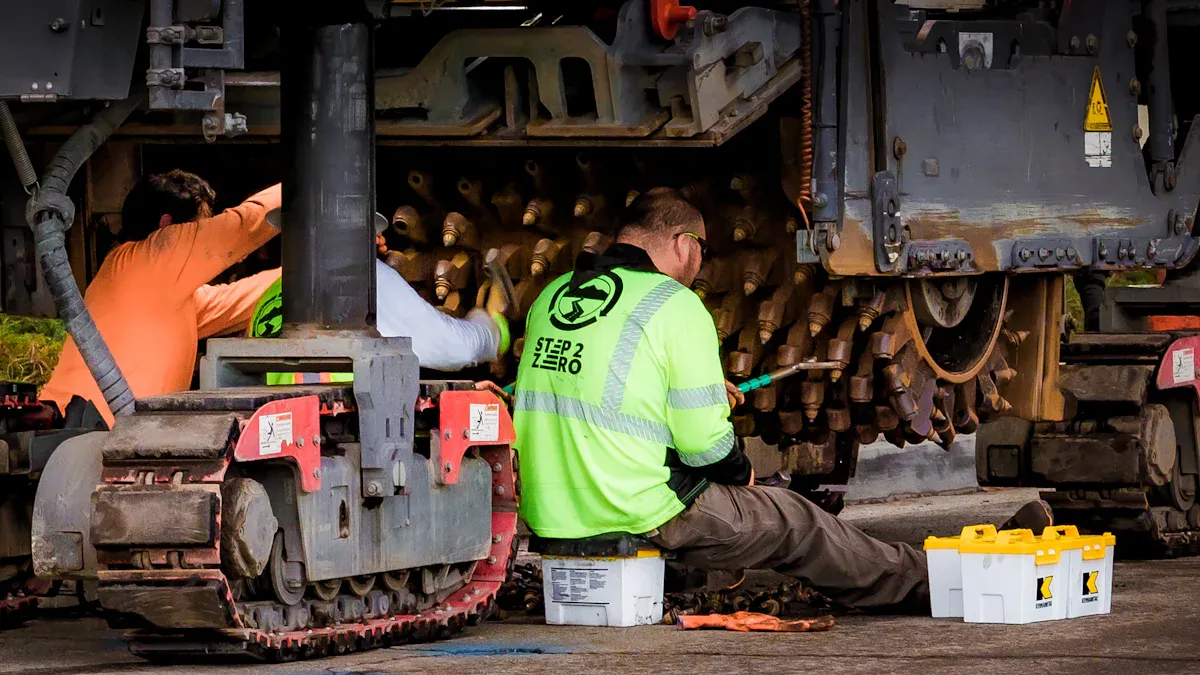
Before you begin replacing your excavator tracks, proper preparation is key. This step ensures a smooth and safe process. You will gather your tools, plan for safety, and set up your work area.
Gathering Essential Tools and Materials for Excavator Tracks
You need specific tools for this job. Make sure you have everything ready before you start.
- A heavy-duty jack or lifting equipment
- Jack stands for support
- A large breaker bar and socket set
- A grease gun
- A pry bar
- New excavator tracks
- Safety glasses and heavy-duty gloves
Having these items on hand saves you time and effort.
Prioritizing Safety Measures for Excavator Tracks Work
Safety must always come first. Working with heavy machinery carries risks.
Always wear appropriate personal protective equipment (PPE). This includes safety glasses, gloves, and steel-toed boots. Ensure no one stands under the excavator while you lift it. Double-check all lifting points and supports. Never rush the process. Take your time with each step.
Setting Up Your Workspace for Excavator Tracks
Prepare your work area carefully. Choose a flat, stable, and clear surface. This prevents the excavator from shifting unexpectedly. Ensure you have plenty of space to move around the machine. Remove any obstacles or debris. Good lighting is also important. A well-organized workspace makes the job easier and safer.
Step-by-Step Excavator Tracks Removal and Installation
You are now ready to remove and install your excavator tracks. This process requires careful attention to detail. Follow each step to ensure a successful replacement.
Safely Lifting the Excavator
First, you must lift your excavator safely. Position your heavy-duty jack under a strong point on the excavator’s frame. Lift one side of the machine until the track is completely off the ground. Place sturdy jack stands securely under the frame. These stands provide stable support. Never work under an excavator supported only by a jack. Repeat this process for the other side if you are replacing both tracks.
Releasing Excavator Tracks Tension
Next, you will release the tension in the old excavator tracks. Locate the grease fitting on the track tensioning cylinder. This fitting is usually near the front idler. Use a grease gun to pump grease into the fitting. This action pushes the idler forward, tightening the track. To release tension, you must open the relief valve. This valve allows grease to escape. The idler will move backward, loosening the track. Be careful; grease can come out under high pressure.
Removing the Old Excavator Tracks
Now, you can remove the old tracks. Once the tension is fully released, the track will be loose. You might need a pry bar to help separate the track from the idler and sprocket. Work the track off the rollers and sprockets. This can be a heavy task. You may need assistance or a small machine to help pull the track away from the undercarriage.
Inspecting Undercarriage Components
With the old tracks off, inspect your undercarriage components. Look closely at the idlers, rollers, and sprockets. Check for excessive wear, cracks, or damage.
- Idlers: Ensure they spin freely and have no deep grooves.
- Rollers: Check for flat spots or seized bearings.
- Sprockets: Look for sharp, pointed teeth, which indicate wear.
Replace any worn or damaged parts now. This prevents future problems and extends the life of your new tracks.
Installing the New Excavator Rubber Tracks
You are ready to install the new excavator tracks. Start by draping the new track over the sprocket at the rear. Guide the track around the top rollers and then around the front idler. This often requires two people. One person guides the track, and the other uses a pry bar to help it seat correctly. Ensure the track links align properly with the sprocket teeth and roller flanges.
Adjusting and Verifying Excavator Tracks Tension
Finally, adjust the tension of your new tracks. Use your grease gun to pump grease into the tensioning cylinder. Watch the track as it tightens. You want the correct amount of sag. Consult your excavator’s manual for the specific tension specifications. Typically, you measure the sag between the top roller and the track. A common guideline is about 1 to 1.5 inches of sag. Too much tension can damage components. Too little tension can cause the track to de-track. Verify the tension by running the excavator forward and backward a short distance. Recheck the tension after this movement.
Maintaining Your Excavator Tracks for Longevity
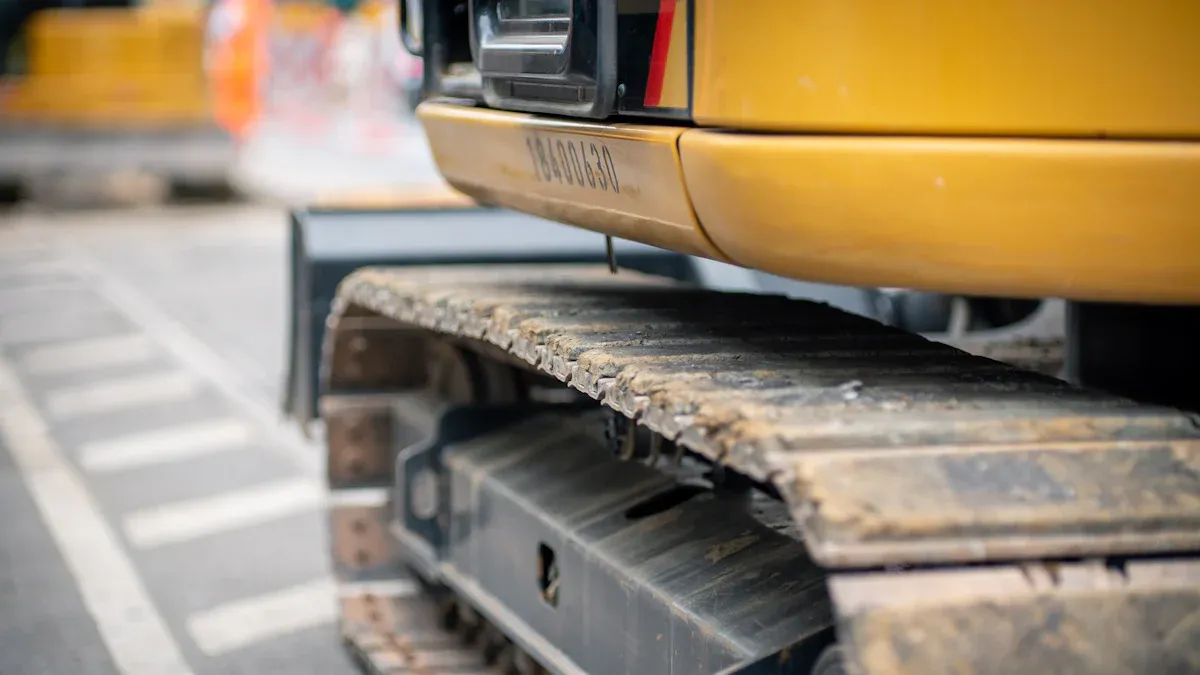
Proper maintenance significantly extends the life of your excavator tracks. You can save money and avoid downtime with regular care. Understanding how to maintain them is crucial.
Recognizing Signs of Wear on Excavator Tracks
You need to know what to look for. Regularly inspect your tracks for signs of wear. Look for cracks in the rubber or steel pads. Check for missing or damaged track shoes. Uneven wear patterns on the grousers indicate problems. Also, watch for stretched links or pins. These signs tell you it is time for attention or replacement.
Understanding Excavator Tracks Lifespan Factors
Several factors affect how long your tracks last. The type of terrain you work on plays a big role. Rocky or abrasive ground wears tracks faster. Your operating habits also matter. High speeds and sharp turns increase wear. Regular maintenance, or lack thereof, directly impacts lifespan. Quality of the track material is another key factor.
Tips for Extending Rubber Excavator Tracks Life
You can take steps to make your tracks last longer. Keep your undercarriage clean. Mud and debris cause extra friction and wear. Always maintain correct track tension. Too tight or too loose tension damages components. Avoid spinning your tracks unnecessarily. Make wider turns instead of sharp pivots. Perform daily visual inspections. Address small issues before they become big problems. This proactive approach keeps your excavator running smoothly.
You mastered excavator track replacement! Remember these key takeaways: thorough preparation, strict safety, and precise tensioning.

Post time: Oct-30-2025