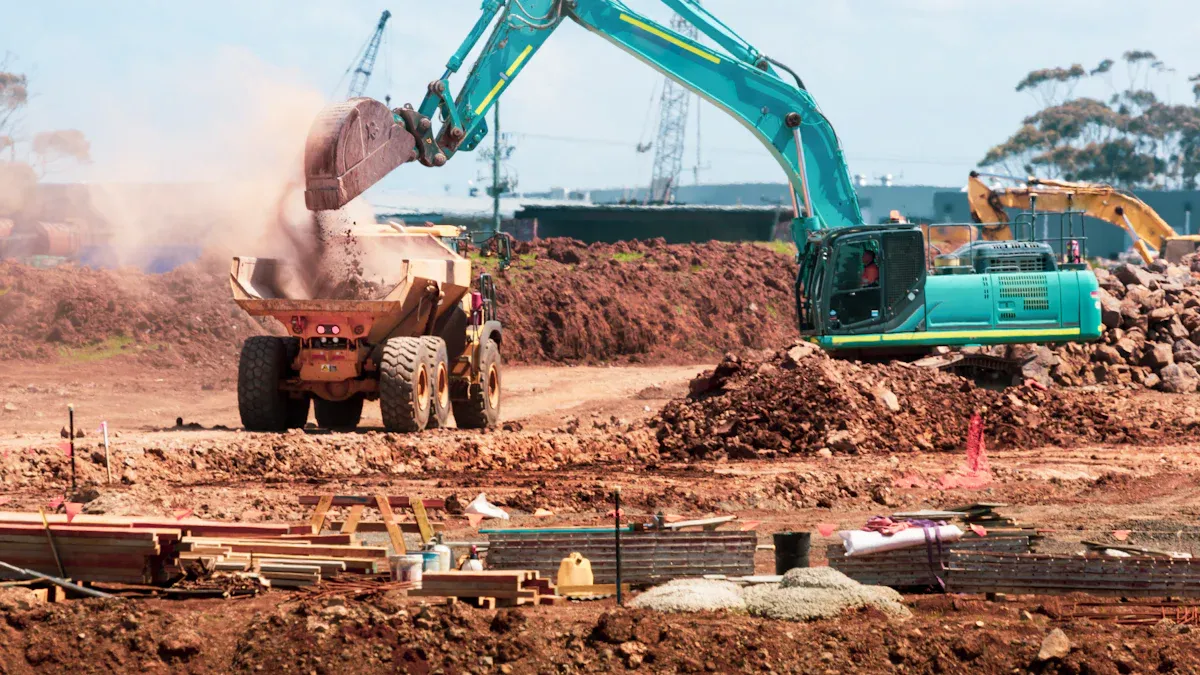
Choosing the right dumper rubber track can transform how equipment performs. It enhances traction for heavy-duty tasks, minimizes wear and tear, and boosts efficiency in construction and agriculture. These benefits save costs and reduce downtime, making it essential to consider durability, fitment, and maintenance when selecting the perfect track.
Key Takeaways
- Picking the right dumper tracks makes machines work better.
- Think about strength, size, and care to match your needs.
- Clean tracks often and keep them tight to last longer.
Understanding Dumper Rubber Tracks
What are dumper rubber tracks
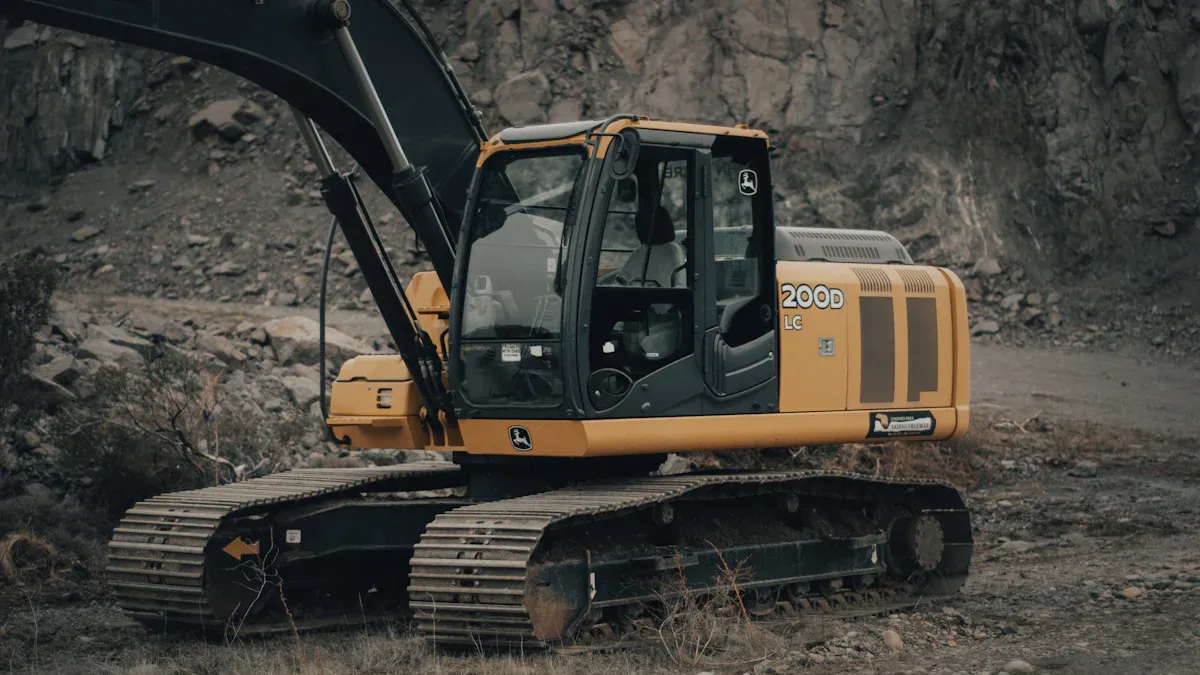
Dumper rubber tracks are specialized components designed to enhance the mobility and efficiency of heavy equipment like dumpers, excavators, and loaders. These tracks replace traditional wheels, offering better traction and stability on challenging terrains such as mud, gravel, and snow. Their versatility makes them indispensable in industries like construction, agriculture, and even military operations. The global market for dumper rubber tracks reflects their growing importance, with a forecasted size of $3,276 million by 2031, driven by a compound annual growth rate (CAGR) of 6.1%. Manufacturers across regions, including America, Europe, and Asia-Pacific, continue to innovate to meet diverse application needs.
Components and materials of rubber tracks
Rubber tracks consist of several key components that ensure durability and performance. Advanced synthetic rubber compounds form the core material, offering exceptional resistance to wear and environmental factors. High-performance elastomers and synthetic fibers reinforce the tracks, enabling them to handle heavy loads without compromising flexibility. Recent innovations include eco-friendly materials like bio-based rubber and recycled components, which reduce environmental impact. Structural optimization techniques, such as CAD and FEA, further enhance the design, making tracks lightweight yet robust. This combination of materials and engineering ensures consistent performance under extreme conditions while improving fuel efficiency and maneuverability.
The role of rubber tracks in equipment functionality
Rubber tracks play a crucial role in optimizing equipment functionality. They enhance traction, allowing machines to grip various surfaces effectively, whether it’s loose soil or icy roads. Stability is another key benefit, as the tracks provide a solid base that minimizes the risk of tipping during operations. Additionally, their load capacity increases productivity by enabling equipment to transport larger volumes of material. These performance metrics make dumper rubber tracks an essential component for industries that demand reliability and efficiency in their operations.
Key Factors to Consider When Choosing Dumper Rubber Tracks
Operating environment: Terrain, weather, and usage conditions
The operating environment plays a huge role in determining the performance of dumper rubber tracks. Different terrains, weather conditions, and usage scenarios demand specific track designs. For instance, tracks with deeper treads work better on muddy or uneven surfaces, while smoother treads suit hard, flat terrains. Weather also matters. Tracks designed for cold climates maintain grip on icy surfaces, while those for hot regions resist cracking under intense heat. Regular maintenance ensures tracks perform well, even in challenging conditions.
Here’s a quick look at how environmental factors impact performance:
| Environmental Parameter | Impact on Performance |
|---|---|
| Terrain Type | Tread pattern matching is crucial for efficiency and safety. |
| Weather Conditions | Tracks must be designed for specific climates to maintain grip and durability. |
| Usage Conditions | Regular maintenance and tread design affect traction and wear resistance. |
By understanding these factors, operators can choose tracks that deliver optimal performance, no matter the environment.
Durability: Material quality and resistance to wear
Durability is a key factor when selecting dumper rubber tracks. High-quality materials and advanced manufacturing techniques ensure tracks last longer and perform better. Tracks made from non-recycled rubber and reinforced with steel cables resist wear and tear, even under heavy loads. Precision molding enhances their strength and flexibility, making them reliable in tough conditions.
Manufacturers also conduct rigorous testing to guarantee durability. These tests evaluate wear resistance, traction, and load capacity, ensuring the tracks meet industry standards. Choosing durable tracks reduces replacement costs and minimizes downtime, making them a smart investment for any operator.
Key durability features include:
- Material Composition: Non-recycled rubber and steel cable reinforcement enhance durability.
- Manufacturing Techniques: Precision molding improves strength and flexibility.
- Testing Procedures: Rigorous testing for wear, traction, and load capacity ensures reliability.
Fitment: Ensuring the right size and compatibility
Proper fitment is essential for maximizing the performance of dumper rubber tracks. Tracks that don’t fit correctly can cause operational issues, reduce efficiency, and even damage equipment. Operators should measure their equipment carefully and consult compatibility charts to find the right size.
Tracks are available in various sizes to suit different machines. For example, a popular size is 750 mm wide, with a 150 mm pitch and 66 links. These dimensions ensure the track fits securely and provides excellent traction on slippery or uneven terrains. High-quality tracks also feature reinforced rubber compounds and steel cables, which enhance durability and flexibility.
Here’s a breakdown of fitment criteria:
| Feature | Details |
|---|---|
| Compatibility | Versatile and compatible with various dump trucks on the market. |
| Sizing | Available in various sizes; popular size is 750 mm wide, 150 mm pitch, 66 links. |
| Traction | Provides excellent grip on slippery or uneven terrains. |
| Durability | Made from high-quality rubber compounds reinforced with steel cables. |
| Flexibility | Conforms easily to different terrains, ensuring stable movement. |
Ensuring proper fitment not only improves performance but also extends the lifespan of the tracks.
Budget: Balancing cost with quality and performance
Budget is often a deciding factor when choosing dumper rubber tracks. While it’s tempting to go for cheaper options, investing in high-quality tracks pays off in the long run. Durable tracks reduce maintenance costs and last longer, saving money over time. Operators should consider the total cost of ownership, which includes purchase price, maintenance, and replacement costs.
Balancing cost with quality doesn’t mean compromising on performance. Many manufacturers offer affordable tracks that meet industry standards for durability and fitment. By comparing options and prioritizing quality, operators can find tracks that fit their budget without sacrificing performance.
When evaluating options, it’s helpful to ask:
- Does the track meet the equipment’s requirements?
- Is it made from high-quality materials?
- Will it reduce maintenance and replacement costs over time?
Choosing the right dumper rubber track ensures operators get the best value for their investment.
How to Measure and Ensure Proper Fit
Step-by-step guide to measuring rubber tracks
Measuring rubber tracks accurately ensures they fit your equipment perfectly. Follow these steps to get precise measurements:
- Measure the Track Width: Use a measuring tape to determine the width of the track. Record the measurement in millimeters.
- Count the Number of Links: Count all the metal links or lugs on the track.
- Determine the Pitch: Measure the distance between the centers of two consecutive links.
- Check the Overall Length: Multiply the pitch by the total number of links to calculate the track’s overall length.
- Consult the Equipment Manual: Refer to your equipment’s manual for the recommended track dimensions.
These steps help operators avoid fitment issues and ensure the dumper rubber track performs optimally.
Common fitment mistakes and how to avoid them
Fitment mistakes can lead to equipment damage and reduced efficiency. Here are common errors and tips to avoid them:
- Incorrect Measurements: Skipping steps or using improper tools can result in inaccurate dimensions. Always double-check measurements.
- Ignoring Compatibility Charts: Overlooking these charts may lead to purchasing tracks that don’t fit. Use them to match tracks with your equipment.
- Assuming One Size Fits All: Tracks vary by machine type. Verify specifications like width, pitch, and length before buying.
Avoiding these mistakes saves time and prevents costly repairs.
Tips for ensuring compatibility with your equipment
Ensuring compatibility between tracks and equipment is crucial. Here are some expert-recommended tips:
| Tip | Description |
|---|---|
| Use Compatibility Charts | Helps identify tracks that fit perfectly with your equipment model. |
| Maintain Tracks | Regular cleaning and tension checks extend track lifespan. |
| Check Warranty and Support | A good warranty simplifies the purchasing process. |
| Understand Specifications | Ensure track width, pitch, and length match your machine’s requirements. |
By following these tips, operators can maximize performance and extend the life of their dumper rubber track.
Maintenance Tips to Extend Dumper Rubber Track Life
Cleaning and removing debris
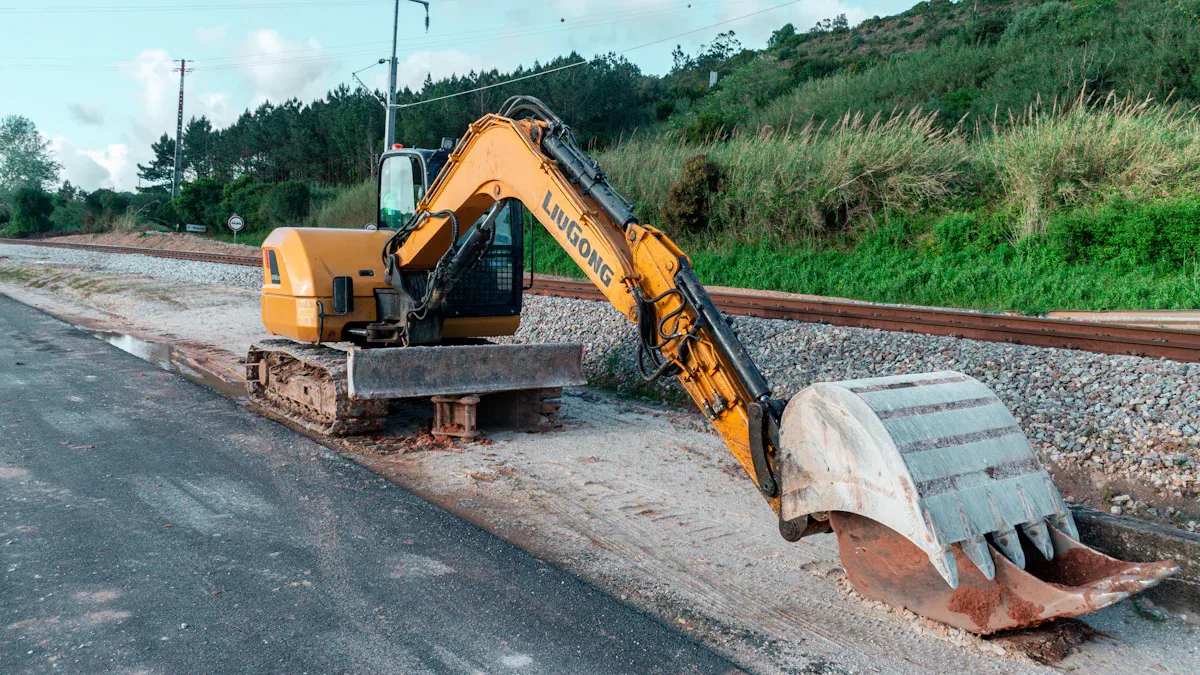
Keeping dumper rubber tracks clean is one of the simplest ways to extend their lifespan. Dirt, mud, and debris can accumulate in the undercarriage during operations, causing unnecessary wear and tear. Regular cleaning prevents this buildup and keeps the tracks functioning smoothly.
Operators should focus on cleaning the tracks after each use, especially when working in muddy or rocky environments. A pressure washer works wonders for removing stubborn dirt. For smaller debris, a stiff-bristled brush can do the trick. Pay close attention to the areas around the metal links and lugs, as these spots tend to trap debris.
Daily inspections also help identify issues early. Look for signs of damage, such as cracks or cuts, and remove any foreign objects lodged in the tracks. These simple steps can save operators from costly repairs down the road.
Tip: Cleaning the undercarriage regularly not only prevents wear but also improves traction, making operations safer and more efficient.
Proper tensioning for optimal performance
Track tension plays a huge role in maintaining the performance and durability of rubber tracks dump trucks. Tracks that are too loose can slip off the undercarriage, while overly tight tracks can strain the equipment and lead to premature wear. Finding the right balance is key.
To check tension, operators can measure the sag between the track and the undercarriage. A sag of about 15-30 millimeters is ideal for most equipment. Adjustments can be made using the tensioning bolts located near the undercarriage. Always refer to the equipment manual for specific guidelines.
Regular tension checks are essential, especially after heavy use or when operating on uneven terrain. Loose tracks can cause damage to the undercarriage, while tight tracks may reduce efficiency. By maintaining proper tension, operators can ensure smooth operations and extend the life of their dumper rubber tracks.
Note: Proper tensioning not only reduces wear but also improves fuel efficiency, saving operators money in the long run.
Storage practices to prevent damage
How dumper rubber tracks are stored can significantly impact their longevity. Improper storage can lead to cracking, deformation, or other types of damage. Following best practices ensures the tracks remain in top condition when not in use.
Store tracks in a cool, dry place away from direct sunlight. UV rays can degrade the rubber over time, causing it to lose flexibility. Avoid stacking heavy objects on top of the tracks, as this can lead to permanent deformation. If possible, hang the tracks or place them on a flat surface to maintain their shape.
Temperature fluctuations can also affect the rubber. Extreme heat or cold can weaken the material, so it’s best to store tracks in a climate-controlled environment. Before storing, clean the tracks thoroughly to remove any dirt or debris that could cause damage during storage.
Tip: Proper storage practices not only prevent damage but also ensure the tracks are ready for use when needed, saving operators time and effort.
Expert Recommendations and Trends in Dumper Rubber Tracks
Insights from industry professionals
Industry experts emphasize the importance of selecting rubber tracks that align with specific operational needs. They recommend tracks made from high-strength rubber compounds and reinforced steel cores. These materials improve durability and ensure the tracks can handle heavy loads without compromising flexibility. Professionals also highlight the role of regular maintenance. Cleaning, tensioning, and proper storage can significantly extend the lifespan of rubber tracks.
Another key insight is the growing demand for eco-friendly options. Tracks made from sustainable materials not only reduce environmental impact but also appeal to businesses prioritizing green practices. Experts suggest operators stay informed about advancements in track technology to make smarter purchasing decisions.
Pro Tip: Consult with manufacturers or suppliers to ensure the tracks meet your equipment’s specifications and performance requirements.
Emerging technologies in rubber track design
Recent innovations in rubber track design are transforming the industry. Advanced materials, such as high-performance synthetic elastomers, enhance wear resistance and flexibility. Smart technology integration is another game-changer. It provides real-time data on wear patterns, enabling predictive maintenance and reducing downtime.
Here’s a quick look at emerging technologies and their impact:
| Technology Type | Impact on Performance Metrics |
|---|---|
| Smart Technology Integration | Enables real-time data on wear patterns and predictive maintenance |
| Advanced Materials | Improves durability and flexibility, extending lifespan |
| Automation in Manufacturing | Enhances precision and reduces production errors |
| Eco-friendly Materials | Reduces environmental impact and appeals to sustainable practices |
These advancements ensure operators get the most out of their equipment while minimizing costs.
How to stay updated on advancements in the industry
Staying informed about the latest trends helps operators make better decisions. Industry publications, trade shows, and online forums are excellent sources of information. Manufacturers often share updates on their websites or social media platforms.
Key trends to watch include the rising demand for maneuverability, adoption of rubber tracks in diverse industries, and the push for eco-friendly machinery. Urbanization and infrastructure growth are also driving innovation in dumper rubber tracks.
| Trend/Factor | Description |
|---|---|
| Demand for maneuverability | Increasing need for equipment that offers superior maneuverability and stability across terrains. |
| Adoption in various industries | Rubber track dumpers are being adopted in construction, landscaping, and agriculture sectors. |
| Technological advancements | Innovations are leading to more efficient, fuel-saving dumpers. |
| Eco-friendly machinery preference | Growing preference for sustainable options due to lower environmental impact. |
| Urbanization and infrastructure growth | Rising demand for dumpers as urbanization and infrastructure development continue. |
Tip: Follow trusted manufacturers and industry leaders on platforms like LinkedIn to stay ahead of the curve.
Our Commitment to Quality and Innovation
Overview of our manufacturing expertise and product range
Changzhou Hutai Rubber Track Co., Ltd. has built a reputation for excellence in manufacturing rubber tracks. The company uses cutting-edge technology and brand-new tooling to produce tracks for excavators, loaders, dumpers, ASVs, and more. Recently, they expanded their product line to include snowmobile and robot tracks, showcasing their adaptability and innovation. Every product undergoes rigorous testing to ensure it meets the demands of heavy-duty applications.
Their expertise lies in creating tracks that balance durability and flexibility. Advanced materials, like reinforced rubber compounds and steel cables, make their tracks reliable even in extreme conditions. Operators trust their products for consistent performance across diverse terrains, from muddy construction sites to icy landscapes.
Did you know? Their commitment to innovation has helped them grow steadily, earning the trust of customers worldwide.
How we ensure quality through ISO9000 standards
Quality is at the heart of everything Changzhou Hutai Rubber Track Co., Ltd. does. The company follows ISO9000 standards to maintain strict quality control throughout the production process. From raw material procurement to vulcanization, every step is carefully monitored. This ensures that each track delivers optimal performance and exceeds customer expectations.
Their ISO9000 certification reflects their dedication to producing reliable products. It guarantees that every track is built to last, reducing downtime and replacement costs for operators. By prioritizing quality, they help customers achieve better efficiency and lower operational expenses.
Our dedication to meeting diverse customer needs
Meeting customer needs is more than a goal—it’s a promise. Changzhou Hutai Rubber Track Co., Ltd. listens to feedback and adapts their products to suit various industries. Whether it’s construction, agriculture, or snowmobiling, they offer tailored solutions that enhance equipment performance.
Here’s how they ensure customer satisfaction:
- Asking suppliers for references from past clients provides insights into product quality and after-sales support.
- Checking customer reviews reveals how tracks perform in real-world conditions, especially for heavy-duty tasks.
- Offering comprehensive warranties shows confidence in their products’ durability and reliability.
This customer-first approach has earned them loyal clients who trust their tracks to deliver exceptional results every time.
Choosing the right dumper rubber track ensures better performance and cost savings. Durable, well-fitted tracks reduce downtime and improve efficiency. Regular maintenance keeps them in top shape. Explore our high-quality tracks to meet your needs. For updates and expert advice, follow us on LinkedIn.
FAQ
What are the benefits of using rubber tracks over traditional wheels?
Rubber tracks provide better traction, reduce ground pressure, and improve stability on uneven terrains. They also minimize damage to surfaces like grass or asphalt.
How often should dumper rubber tracks be inspected?
Inspect tracks daily for cracks, cuts, or debris. Regular checks help identify issues early, ensuring optimal performance and extending the track’s lifespan.
Can rubber tracks be used in extreme weather conditions?
Yes! High-quality rubber tracks perform well in both hot and cold climates. They resist cracking in heat and maintain grip on icy surfaces.
Tip: Always choose tracks designed for your specific operating environment to maximize performance and durability.
Post time: Apr-28-2025