
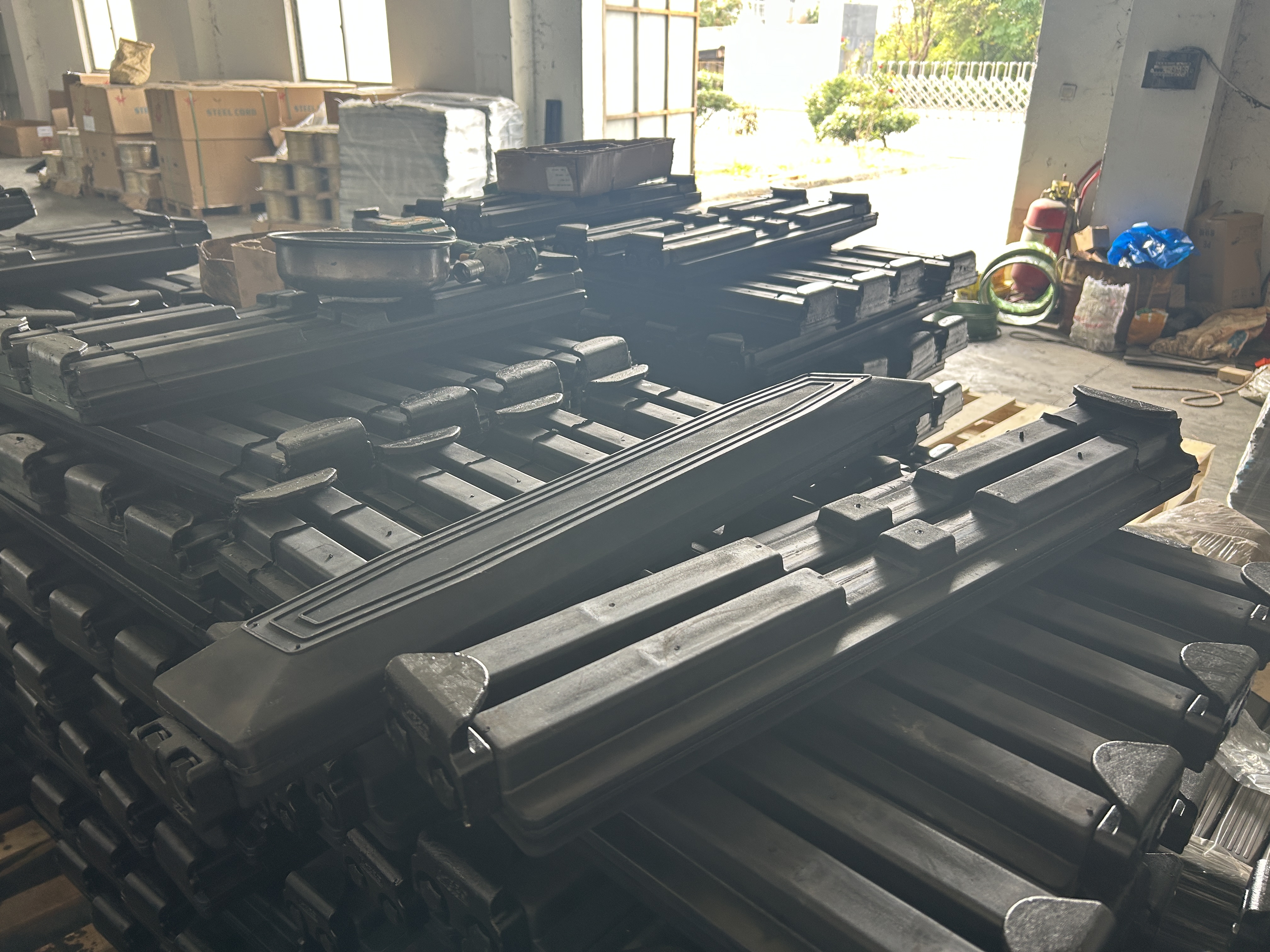
Selecting the correct excavator rubber pads significantly boosts your operational efficiency and delivers substantial cost savings. For optimal performance in North America, you must prioritize specific factors. Focus on material quality, compatibility with your machine, and overall value to make the best excavator rubber pads investment.
Key Takeaways
- Choose excavator rubber pads based on material quality, machine fit, and overall value for best performance.
- Select the right pad type (bolt-on, clip-on, or chain-on) for your job to save time and protect surfaces.
- Look for strong warranties and good customer reviews to ensure long-lasting, high-quality rubber pads.
Durability and Material Quality of Excavator Rubber Pads
You need to understand the core components of excavator pads to make informed decisions. The material quality directly impacts performance and lifespan. Focus on these aspects to ensure your investment pays off.
Assessing Rubber Compound and Hardness
The rubber compound is the foundation of your pad’s performance. Manufacturers use various blends, including natural rubber, synthetic rubber, or a combination. Natural rubber offers excellent elasticity and tear resistance. Synthetic options, like SBR or EPDM, provide superior resistance to oil, chemicals, and extreme temperatures. You must choose a compound that suits your typical working environment.
Hardness, measured on the Shore A durometer scale, also plays a crucial role. Softer pads (lower Shore A) offer better grip and shock absorption, protecting delicate surfaces like asphalt. Harder pads (higher Shore A) provide greater wear resistance, making them ideal for abrasive conditions. You need to balance these properties. A pad that is too soft wears out quickly on rough terrain. A pad that is too hard might lack the necessary grip or damage sensitive surfaces.
Impact of North American Climate and Terrain
North America presents diverse operating conditions. You will encounter extreme heat in the southern states and harsh freezing temperatures in Canada and the northern regions. These temperature fluctuations significantly affect rubber. Cold weather can make rubber brittle and prone to cracking. High heat can cause it to soften and degrade faster. Look for compounds specifically engineered to withstand these thermal stresses.
Terrain also dictates your pad choice. You might work on abrasive rocky ground, smooth asphalt, concrete, or soft, muddy soil. Each surface demands different properties from your excavator rubber pads. For rocky terrain, you need high abrasion resistance. For asphalt, you require pads that prevent damage while offering good traction. Consider UV resistance as well. Prolonged exposure to sunlight can accelerate rubber degradation.
Recognizing Quality Manufacturing Standards
Identifying quality manufacturing standards ensures you receive a durable product. Reputable manufacturers adhere to strict quality control processes. They often use advanced testing methods to verify tensile strength, tear resistance, and abrasion resistance. Look for certifications like ISO 9001, which indicate a commitment to quality management.
A quality manufacturer provides consistent product performance. You can expect their excavator rubber track pads to meet specified hardness and durability ratings every time. Researching manufacturer reputation and customer reviews gives you insight into their product reliability. A strong warranty also signals a manufacturer’s confidence in their product’s longevity. You invest in peace of mind when you choose a manufacturer with high standards.
Compatibility, Installation, and Types of Excavator Rubber Pads
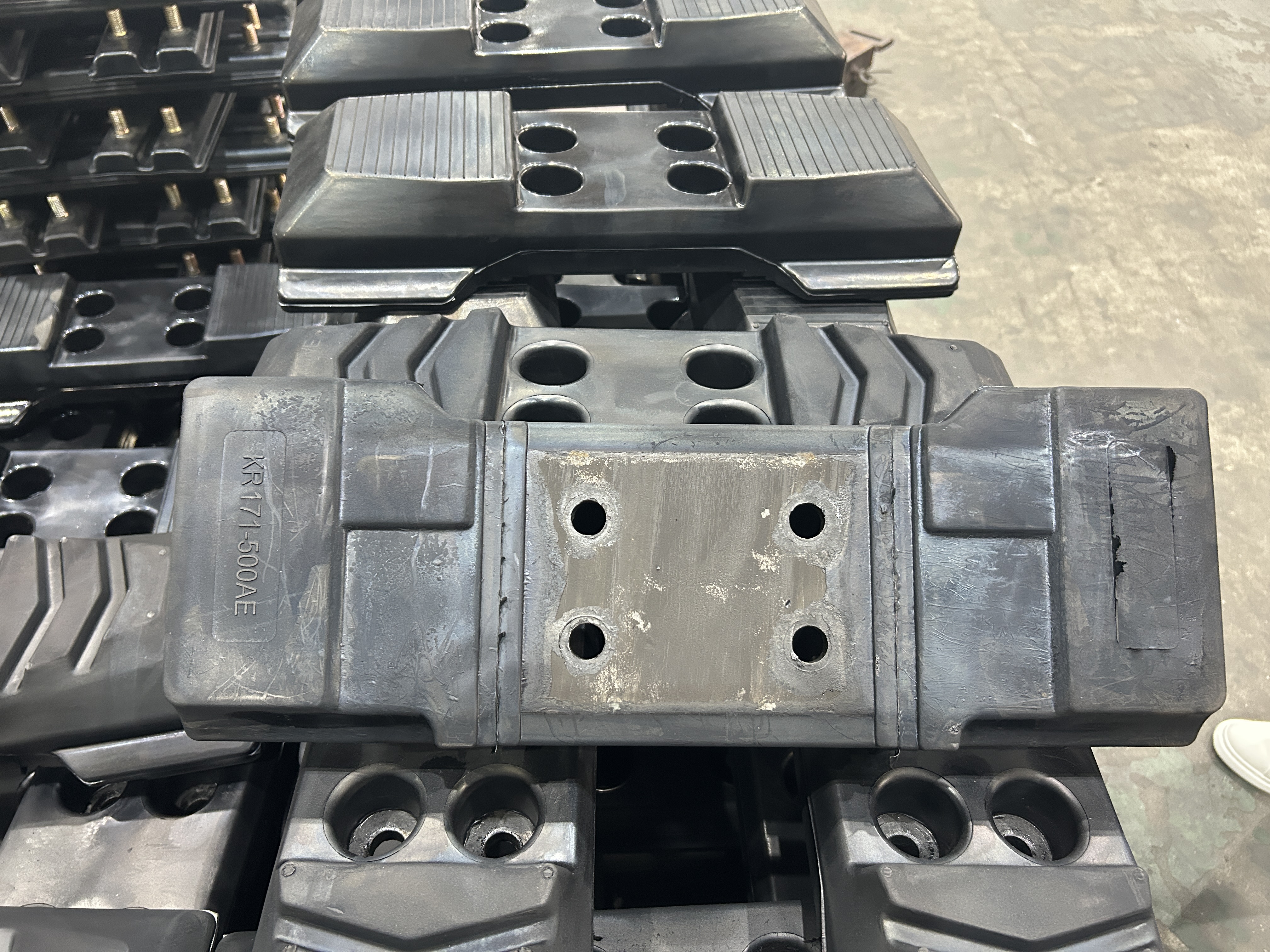
You must carefully consider the compatibility, installation methods, and various types of excavator rubber pads available. These factors directly influence your machine’s performance and your project’s efficiency.
Matching Pads to Your Excavator Model
You must select pads that perfectly fit your excavator. An exact match ensures optimal performance. It also prevents damage to your machine. Always check your excavator’s specific make and model. Verify the track width. Confirm the bolt pattern. Measure the track pitch. Manufacturers design pads for specific track dimensions. Incorrectly sized pads cause problems. They can loosen. They can fall off. This leads to costly downtime. It also creates safety risks on your job site. Always consult your excavator’s manual. You can also check with the pad supplier. They provide precise compatibility information. Some suppliers offer universal options. These options may not perform as well as direct-fit pads. Prioritize a direct fit for the best results and long-term reliability.
Exploring Bolt-On, Clip-On, and Chain-On Pads
You have three main types of excavator rubber pads. Each type offers distinct advantages. Each type suits different applications.
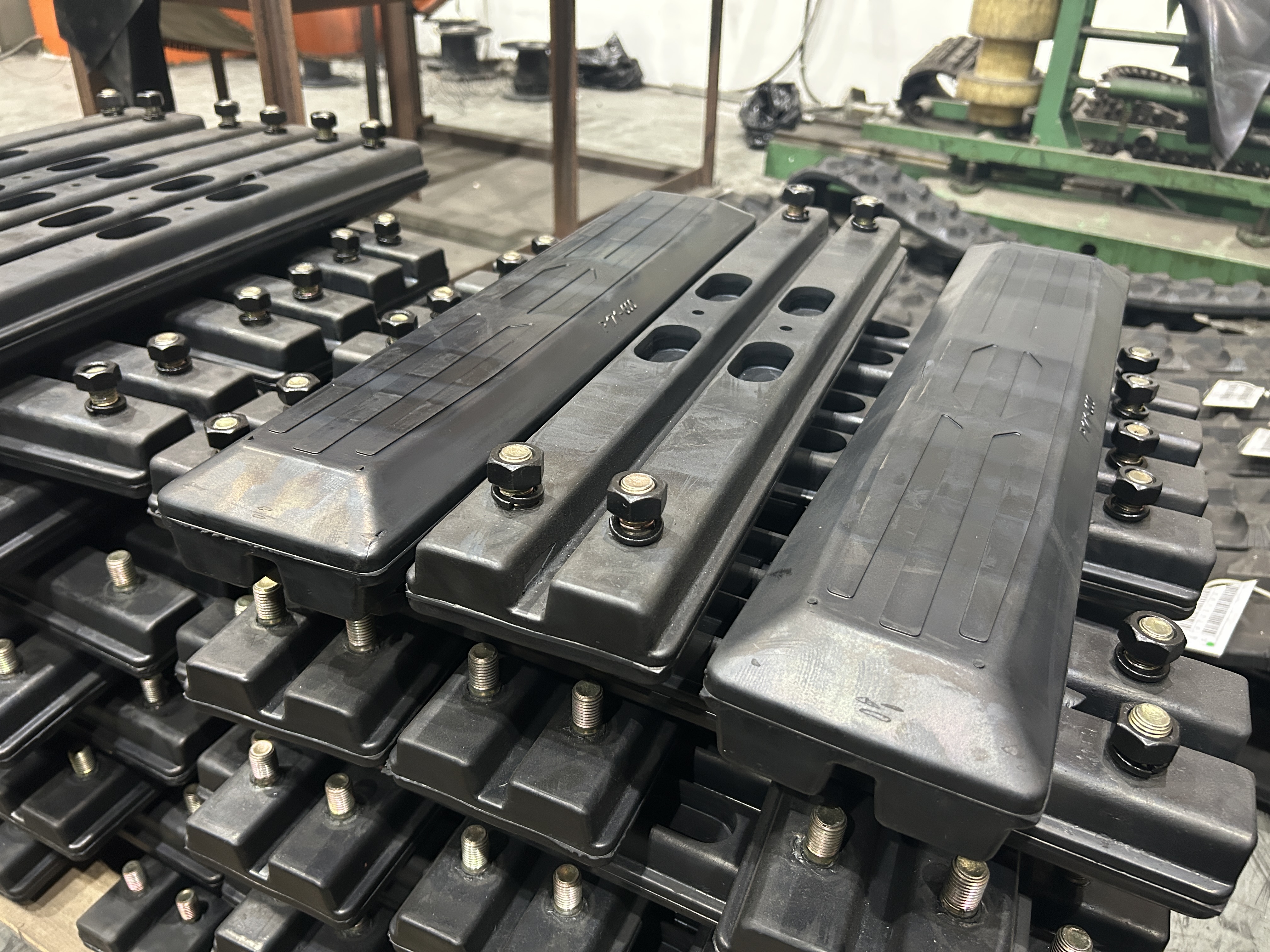
Bolt-On Rubber Pads: You attach bolt-on pads directly to your steel track grousers. You remove the existing steel grousers first. Then you bolt the rubber pads into place. This method provides a very secure attachment. Bolt-on pads offer excellent durability. They are ideal for long-term use. They suit applications where you frequently work on sensitive surfaces. Installation takes more time. Removal also requires more effort.
Clip-On Rubber Pads: You install clip-on pads over your existing steel grousers. They use a clamping mechanism. This design makes installation quick. Removal is also fast. Clip-on pads protect the steel grousers. They prevent damage to surfaces like asphalt or concrete. They are a good choice for temporary jobs. They work well for jobs requiring frequent changes between surfaces. They may not offer the same security as bolt-on pads. They can sometimes shift during heavy use.
Chain-On Rubber Pads: Chain-on pads replace your entire steel track shoes. They integrate directly into the track chain. This type offers the most robust solution. You get the benefits of a full rubber track. They provide superior traction. They offer maximum surface protection. Chain-on pads are the most expensive option. Installation is complex. They add significant weight to your machine. You choose them for specialized applications. These applications demand the highest level of performance and protection.
Evaluating Ease of Installation and Removal
Consider how easily you can install and remove your chosen pads. This factor impacts your operational efficiency. It also affects your labor costs. Bolt-on pads require more time. You need specific tools for their installation. Removing them also takes effort. Clip-on pads offer the fastest installation. You often need only basic hand tools. Their quick removal saves valuable time on site. Chain-on pads demand the most complex process. You might need specialized equipment. Installation can take several hours. Think about your typical job requirements. Do you frequently switch between different surfaces? Then quick-install options like clip-on pads save you money. Do you work on one type of surface for extended periods? Then the security of bolt-on or chain-on pads might outweigh installation time. Easy installation minimizes downtime. It keeps your excavator working.
Value, Reputation, and Longevity of Excavator Rubber Pads
Comparing Initial Cost vs. Long-Term ROI
You must look beyond the initial price tag. A lower-cost option might seem attractive. However, it often leads to higher long-term expenses. Cheap pads wear out quickly. This means frequent replacements. You face increased downtime. You also incur labor costs for installation. Invest in high-quality excavator rubber pads. They offer superior durability. They last longer. This reduces your overall operating costs. You get a better return on your investment.
Understanding Warranty and Support in North America
A strong warranty protects your purchase. It signals a manufacturer’s confidence in their product. Look for warranties covering material defects. Also, check for coverage against premature wear. Reliable support in North America is crucial. You need quick access to parts. You also need expert advice. This minimizes your machine’s downtime.
Manufacturer Reputation and Customer Reviews
Research the manufacturer’s reputation. A reputable company consistently delivers quality products. Read customer reviews and testimonials. They offer real-world insights. You learn about product performance. You also discover customer service quality. Choose a manufacturer with a proven track record.
Maintenance Tips for Extended Pad Life
Proper maintenance extends the life of your pads. Regularly clean your excavator rubber pads. Remove dirt and debris. Inspect them for cuts or tears. Replace damaged pads promptly. Store spare pads correctly. Keep them away from direct sunlight. Avoid extreme temperatures. These simple steps maximize your investment.
You now understand the critical factors for selecting excavator Rubber Pads in North America. Prioritize durability, compatibility, and long-term value. Make an informed decision. This ensures optimal performance and cost savings. Contact our experts for personalized advice or to explore our product range.
FAQ
How do I know if my excavator rubber pads need replacement?
You should regularly inspect your pads. Look for deep cuts, significant cracking, or excessive wear. If the rubber separates from the steel core, replace them immediately.
Can I install rubber pads myself?
Yes, you can often install clip-on and bolt-on pads yourself. You need basic tools. Always follow the manufacturer’s instructions carefully. For chain-on pads, professional installation is usually best.
What is the main benefit of using rubber pads over steel tracks?
Rubber pads protect sensitive surfaces like asphalt or concrete. They also reduce noise and vibration. This improves operator comfort and minimizes ground damage on your job site.

Post time: Dec-16-2025