
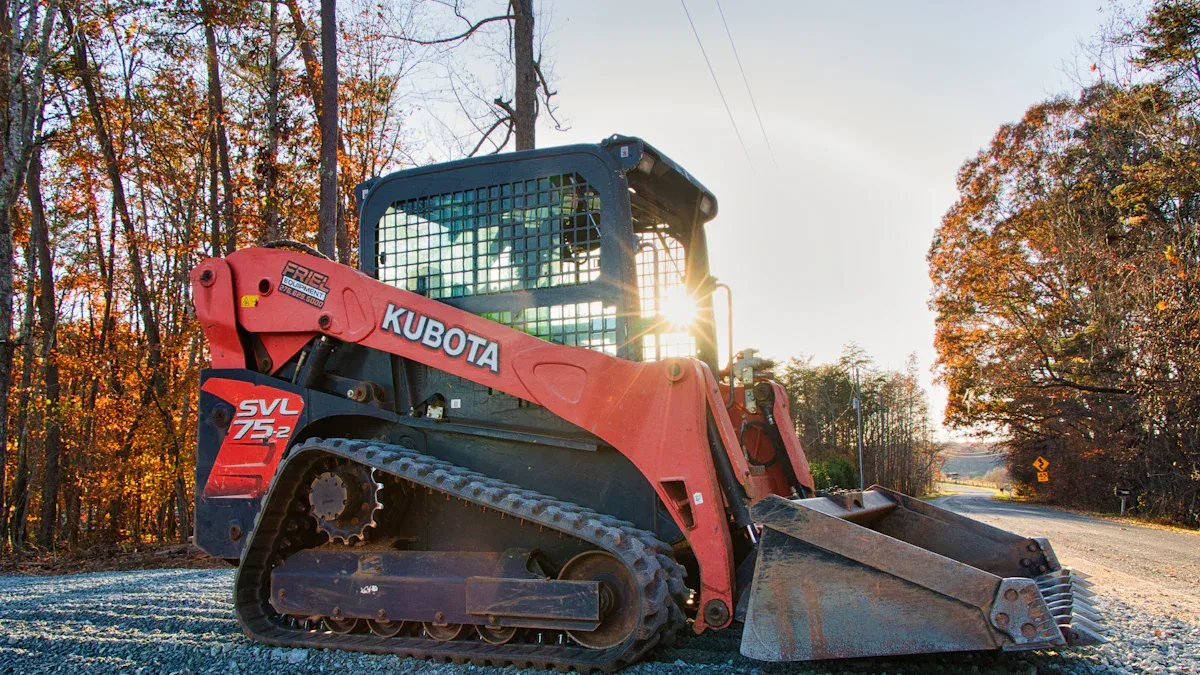
Timely replacement of skid steer loader tracks is crucial. I have seen how worn tracks can lead to performance issues. When I neglect to replace them, I risk safety on the job site. Keeping an eye on track condition ensures optimal performance and minimizes hazards.
Key Takeaways
- Regularly inspect skid steer loader tracks for signs of wear, such as cracks, fraying, and uneven patterns. Early detection can prevent costly repairs and enhance safety.
- Maintain proper track tension and clean tracks after use to ensure optimal performance. This practice helps avoid slipping and prolongs the life of the tracks.
- Ignoring wear signs can lead to increased repair costs and downtime. Stay proactive with maintenance to keep your skid steer loader running efficiently.
Signs of Visible Wear on Skid Steer Loader Tracks
Cracks and Fraying
When I inspect skid steer rubber tracks, I always look for cracks and fraying. These signs indicate that the tracks are nearing the end of their lifespan. Cracks can develop due to various factors, including excessive vibration and harsh operating conditions. Fraying occurs when the rubber material begins to wear away, exposing the underlying structure. If I notice deep cuts or abrasions, I know it’s time to take action. Industry reports highlight that these visible signs can lead to more severe issues if ignored.
Tip: Regularly check for debris or packed mud on the tracks. Removing these materials can prevent further damage and prolong the life of the tracks.
Uneven Wear Patterns
Uneven wear patterns are another critical sign that I pay attention to during inspections. These patterns can arise from several causes, including misalignment and excessive vibration. I often refer to the following table to understand the typical causes of uneven wear:
| Cause | Explanation |
|---|---|
| Excessive Vibration | Increased vibration can indicate uneven wear or damage to the tracks, affecting stability. |
| Misalignment | Misaligned tracks can lead to wear in undercarriage components, causing uneven track wear. |
| Regular Inspection | Regular maintenance helps prolong track life and ensures proper functioning, reducing wear. |
When I see uneven wear, I know it can lead to performance issues. It’s essential to address these problems promptly to avoid costly repairs down the line.
Missing Lugs and Exposed Cords
Missing lugs and exposed cords are serious indicators of track wear. The absence of drive lugs, which engage with the sprockets, can lead to slippage and decreased operational efficiency. When I spot exposed cords, it signals a significant compromise in the track’s integrity. This condition can result in sudden failures and loss of traction, which poses a safety risk.
I always remind myself that the structural integrity of skid steer tracks is paramount. If I see any signs of missing lugs or exposed cords, I take immediate action to replace the tracks.
Note: The average lifespan of rubber tracks is between 1,200 to 1,500 hours with proper maintenance. Factors such as application, operating techniques, and environmental conditions can significantly influence track life.
By staying vigilant and recognizing these signs of visible wear, I can ensure that my skid steer loader tracks remain in optimal condition, enhancing both performance and safety on the job site.
Performance Issues with Skid Steer Loader Tracks
Reduced Traction
I often notice that reduced traction is one of the first performance issues I encounter with skid steer loader tracks. When the tracks wear down, I experience a noticeable reduction in grip and control, especially during turns or when navigating inclines. This loss of traction can lead to unsafe operating conditions. I always keep an eye out for unusual noises, such as squeaking or grinding, which can indicate improper fitting or excessive wear.
To maintain optimal traction, I follow several best practices:
- Proper Track Tension: I regularly check and adjust track tension according to the operator’s manual. This prevents premature wear and ensures optimal performance.
- Routine Cleaning: After each use, I clean the tracks and undercarriage to remove mud and debris. This practice helps prevent damage and maintains traction.
- Gentle Maneuvering: I prefer using 3-point turns instead of sharp turns. This technique minimizes stress on the tracks and prolongs their lifespan.
Slipping or Skidding
Slipping or skidding can be frustrating and dangerous. I have experienced this firsthand when the tracks begin to lose their grip. This issue often arises from worn lugs or insufficient tension. When I notice my skid steer loader slipping, I know it’s time to inspect the tracks closely.
The following table outlines some performance metrics affected by worn skid steer loader tracks:
| Performance Metric | Description |
|---|---|
| Loss of Traction | A noticeable reduction in grip and control, particularly during turns or on inclines. |
| Unusual Noises | Squeaking, grinding, or popping noises indicating improper fitting or excessive wear. |
| Frequent Adjustments | The need for frequent adjustments to track tension suggests the tracks are stretching. |
By addressing slipping or skidding promptly, I can avoid more severe issues that could lead to accidents or equipment damage.
Frequent Retightening
Frequent retightening of the tracks is another sign that I cannot ignore. If I find myself constantly adjusting the tension, it indicates that the tracks are stretching or wearing unevenly. This situation can lead to instability and further wear on the undercarriage components.
To mitigate this issue, I make it a point to:
- Maintain Correct Track Tension: I follow manufacturer guidelines for optimal tension settings. This practice helps prevent de-tracking and excessive wear.
- Conduct Regular Inspections: I perform routine checks to ensure that the tracks remain in good condition. This proactive approach saves me from costly repairs down the line.
By staying vigilant about these performance issues, I can ensure that my skid steer loader tracks function effectively, enhancing both safety and productivity on the job site.
Safety Concerns Related to Skid Steer Loader Tracks
Increased Risk of Accidents
Operating skid steer loader tracks that show signs of wear significantly increases the risk of accidents. Loose or worn tracks can cause the machine to wander, leading to misalignment and instability. This misalignment puts side stresses on components, raising the likelihood of mechanical failure. I have seen firsthand how visible tread wear reduces traction, compromising the machine’s performance. When the tread becomes smooth or bald, I know it’s time to replace the tracks to maintain safe operation.
The potential accident scenarios are alarming. For instance, operators can suffer injuries during entry or exit, especially if anything goes wrong while getting in or out of the cab. Additionally, accidents can occur when the machine malfunctions, resulting in injuries to bystanders or the operator. I always remind myself to prioritize safety by replacing tracks promptly.
Potential for Equipment Damage
Worn skid steer loader tracks can lead to severe equipment damage. If I neglect to replace them, I risk de-tracking, which can halt work and cause significant damage to the track frame. This situation not only affects productivity but also leads to costly repairs. To prevent this, I maintain proper track tension, ensuring they are neither too loose nor too tight. Following manufacturer guidelines helps prevent instability and accelerated wear.
Regular cleaning of the tracks and undercarriage is another essential practice. I make it a point to remove mud and debris, which can prevent rubber cracking and maintain track flexibility. Using gentle turning techniques, such as 3-point turns, also minimizes stress on the tracks and sprockets, reducing wear and potential damage.
Consequences of Ignoring Skid Steer Loader Track Signs
Costly Repairs
Ignoring signs of wear on skid loader tracks can lead to significant financial burdens. I have learned that neglecting early indicators, such as cracks or uneven wear, can damage critical components like sprockets, idlers, and rollers. This damage results in much higher repair expenses over time. Proactive maintenance, including timely track replacement, yields a better return on investment. In contrast, emergency repairs after a failure can escalate maintenance costs and disrupt workflow.
Here are some key points I keep in mind regarding repair costs:
- Frequent repairs can lead to increasing maintenance costs.
- Minor issues can escalate into major repairs if not addressed promptly.
- Unplanned repairs disrupt budgeting and lead to higher parts and labor costs.
Downtime and Lost Productivity
Downtime due to worn tracks can severely impact productivity. I have experienced how delays lead to idle labor and equipment, which exacerbates project timelines. Increased costs arise from extended project durations, including penalties for missed deadlines. Additionally, strained relationships among stakeholders can occur due to loss of trust and confidence in contractors.
Ignoring early warning signs can lead to unplanned breakdowns, which significantly increase maintenance costs. Recognizing indicators like grinding noises and leaks can prevent premature failures. Addressing minor issues immediately can save on more extensive repairs later.
By staying vigilant about track conditions, I can avoid costly repairs and minimize downtime, ensuring smooth operations on the job site.
Recognizing the key signs for track replacement is vital. I always look for chunking or missing lugs, exposed steel cords, and cracked guide rails. Regular maintenance checks help me avoid costly repairs and ensure safety. Staying proactive keeps my skid steer loader running smoothly and efficiently.
FAQ
How often should I inspect my skid steer loader tracks?
I recommend inspecting tracks every 50 hours of operation or after heavy use to catch wear early.
What factors affect the lifespan of skid steer loader tracks?
Operating conditions, load weight, and maintenance practices significantly influence track lifespan.
Can I replace skid steer loader tracks myself?
Yes, I can replace tracks myself if I have the right tools and follow the manufacturer’s guidelines.

Post time: Mar-30-2026