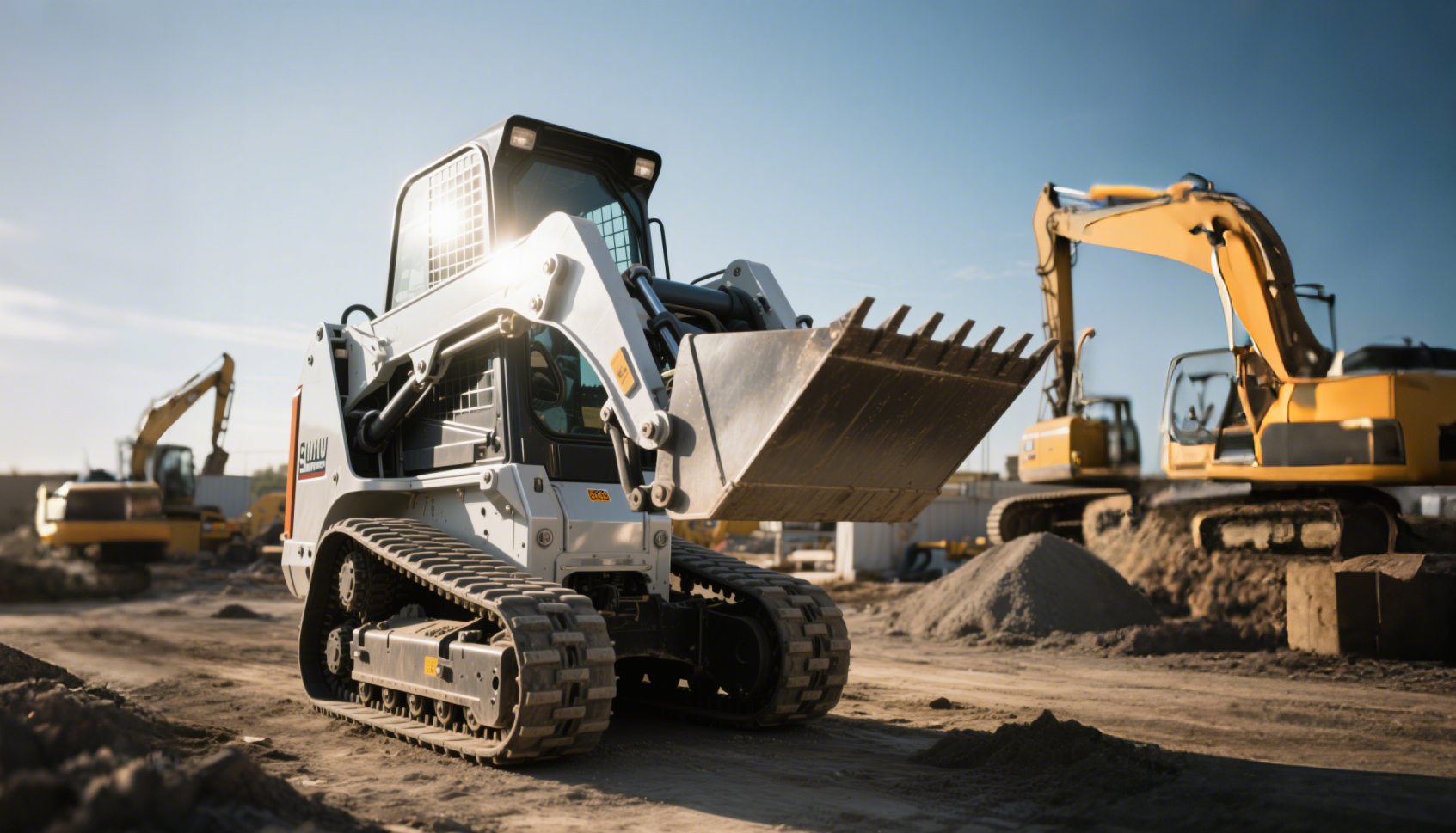
Selecting the right rubber tracks for skid loaders can transform how equipment performs. Factors like terrain, durability, and track type play a big role. For example, in muddy regions, rubber tracks improve productivity by up to 30%. They also reduce downtime during wet seasons, making them a smart choice for efficient operations.
Key Takeaways
- Picking the right rubber tracks can make work 30% faster. Wider tracks spread weight, helping on soft ground.
- The right tracks make machines safer and steadier. Good tread design lowers tipping risks and helps on bumpy ground.
- Strong tracks save money over time. High-quality tracks last longer and need less fixing, keeping jobs on track.
Why Choosing the Right Rubber Tracks For Skid Loader Matters
Boosting Productivity and Efficiency
The right rubber tracks for skid loaders can significantly enhance productivity. Wider tracks distribute weight more evenly, reducing ground pressure. This feature is especially useful on soft surfaces like mud or sand, where it minimizes ground disturbance and prevents rutting. Less ground disturbance means less rework, saving both time and resources. Additionally, advanced tread patterns improve traction, reducing slippage and fuel consumption. Operators can complete tasks faster and more efficiently, even in challenging conditions.
Statistics back this up. Selecting the right tracks can boost productivity by up to 30%, depending on the work environment. Premium tracks also last longer, with a lifespan of 1,000-1,500 hours compared to 500-800 hours for standard tracks. This durability ensures fewer interruptions, keeping projects on schedule.
Enhancing Equipment Safety and Stability
Safety is a top priority on any job site. Rubber tracks for skid loaders play a crucial role in maintaining stability, especially on uneven terrain. Tracks with the right width and tread design provide better grip, reducing the risk of tipping or sliding. This stability allows operators to work confidently, even at higher speeds or on slopes.
Improved traction also enhances control, making it easier to maneuver in tight spaces. By reducing vibration, high-quality tracks help operators stay focused during long shifts, further improving safety. These features not only protect the operator but also ensure better project outcomes.
Reducing Maintenance and Replacement Costs
Investing in the right rubber tracks can lead to significant cost savings over time. Tracks designed for specific terrains experience less wear and tear, extending their lifespan. For example, premium tracks can last 12-18 months for a skid loader operating 1,000 hours annually. This longevity reduces the frequency of replacements, lowering overall maintenance costs.
Moreover, tracks that minimize ground disturbance protect job site surfaces, reducing the need for repairs. By choosing durable and terrain-compatible tracks, operators can avoid unexpected breakdowns and costly downtime. In the long run, this translates to better efficiency and higher profitability.
Types of Rubber Tracks For Skid Loader and Their Applications
Standard Rubber Tracks
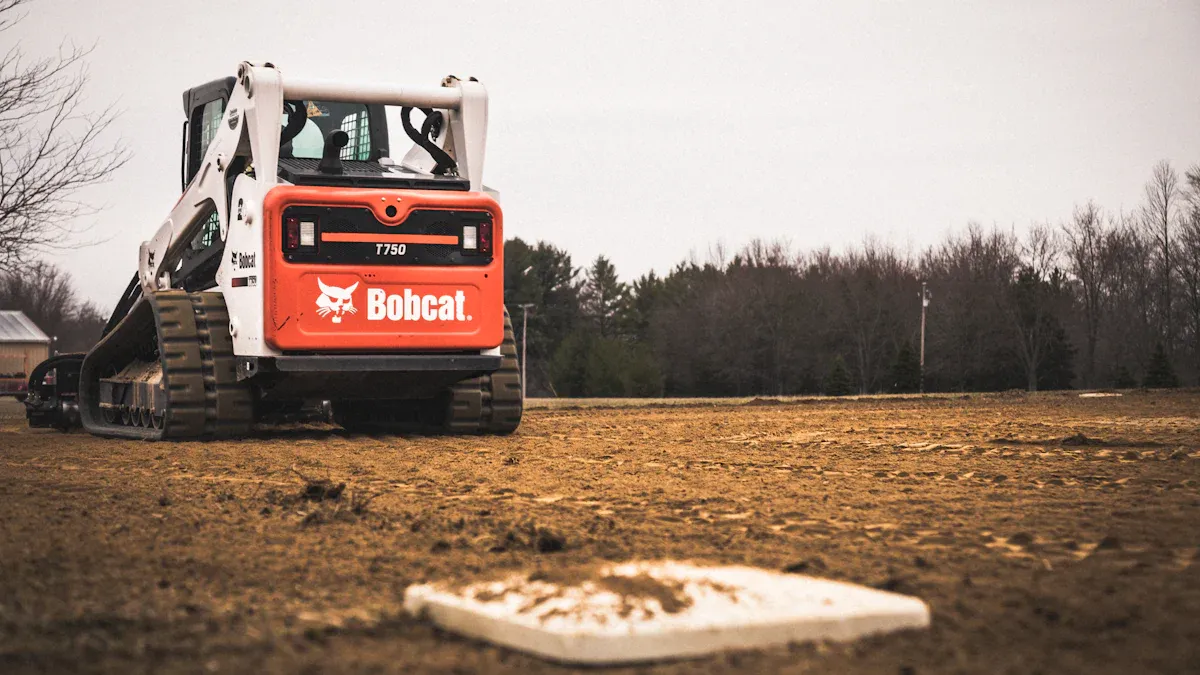
Standard rubber tracks are the most common choice for skid loaders. They are versatile and perform well in general construction, landscaping, and agricultural tasks. These tracks provide a balance between durability and cost, making them ideal for operators who need reliable performance without breaking the bank. Their simple design ensures compatibility with a wide range of skid loaders, offering consistent traction on flat or moderately uneven surfaces.
While standard tracks may not excel in extreme conditions, they are a dependable option for everyday use. They also tend to have a lifespan of 500-800 hours, which suits lighter workloads. For operators seeking a cost-effective solution, standard rubber tracks remain a popular choice.
Multi-Bar Tread Patterns
Multi-bar tread patterns are designed for enhanced traction and stability. These tracks excel in soft or muddy terrains, where traditional tracks might struggle. The multiple bars create a larger surface area, reducing ground pressure and preventing the loader from sinking. This feature makes them a go-to option for landscaping projects or wet construction sites.
Additionally, multi-bar tracks improve maneuverability, allowing operators to navigate tight spaces with ease. Their specialized design also minimizes slippage, which can boost productivity and reduce fuel consumption. For jobs that demand precision and control, multi-bar tread patterns are a smart investment.
Block Tread Patterns
Block tread patterns are built for durability and performance on hard or rocky surfaces. The block-like design provides excellent grip, making these tracks suitable for demolition sites, quarries, and other rugged environments. They are also highly resistant to wear and tear, which extends their lifespan and reduces maintenance costs.
Operators often choose block tread patterns when working on slopes or uneven terrain. The improved stability ensures safer operation, even in challenging conditions. For heavy-duty tasks, these tracks deliver the reliability and toughness needed to get the job done.
Specialty Tracks for Unique Applications
Specialty tracks cater to specific needs and unique applications. For example, triangular rubber tracks offer superior traction and stability, making them perfect for heavy-duty equipment on steep slopes or loose gravel. Other specialty tracks include those with custom tread designs for snow removal or forestry work.
These tracks are engineered to handle extreme conditions, ensuring optimal performance where standard options might fail. Operators working in niche industries often rely on specialty tracks to meet their exact requirements. By choosing the right track for the job, they can maximize efficiency and minimize downtime.
Matching Tracks to Terrain and Job Requirements
Tracks for Soft and Muddy Terrain
Soft and muddy terrains can be tricky for skid loaders. Without the right tracks, equipment can sink or lose traction, leading to delays and frustration. Rubber tracks designed for these conditions often feature wider widths and specialized tread patterns. These features help distribute the machine’s weight evenly, reducing ground pressure. As a result, the loader stays on top of the surface instead of sinking into the mud.
Multi-bar tread patterns are a popular choice for soft terrain. They provide excellent grip and prevent slippage, even in wet conditions. Operators working in landscaping or agricultural fields often rely on these tracks to navigate muddy areas without damaging the ground. By choosing the right tracks, they can keep projects moving smoothly, no matter how challenging the terrain gets.
Tracks for Hard and Rocky Surfaces
Hard and rocky surfaces demand tracks that can handle wear and tear. Standard rubber tracks may not last long in these conditions, but block tread patterns are built for the job. Their durable design provides excellent traction on uneven surfaces, making them ideal for demolition sites, quarries, and construction zones.
These tracks also enhance stability, which is crucial when working on slopes or rugged terrain. Operators can maneuver confidently, knowing their equipment has the grip it needs to stay safe. Additionally, block tread patterns resist punctures and abrasions, reducing the need for frequent replacements. For heavy-duty tasks, these tracks deliver both performance and reliability.
Tracks for Mixed or Variable Conditions
Mixed or variable conditions require versatile tracks that can adapt to different terrains. Specialty rubber tracks for skid loaders often excel in these environments. They combine features like durability, traction, and flexibility to handle everything from soft soil to rocky ground. This adaptability makes them a go-to option for operators who work on diverse job sites.
Field studies have shown the effectiveness of rubber tracks in mixed conditions. For example, a study on pre-swollen crumb rubber modified asphalt mixtures revealed no rutting after five years of field use, despite initial concerns from lab tests. This finding highlights the long-term reliability of rubber tracks in challenging environments. By investing in high-quality tracks, operators can reduce downtime and maintain productivity across various terrains.
Key Technical Factors to Consider
When selecting rubber tracks for skid steer loaders, understanding the technical aspects can make all the difference. Factors like track size, load capacity, and durability directly impact performance and longevity. Let’s break these down to help you make an informed decision.
Track Size and Width
The size and width of rubber tracks play a crucial role in how a skid loader performs. Wider tracks distribute the machine’s weight more evenly, reducing ground pressure. This feature is especially useful on soft terrains like mud or sand, where it prevents the loader from sinking. Narrower tracks, on the other hand, are better suited for hard or rocky surfaces, offering improved maneuverability in tight spaces.
To evaluate track size and width effectively, manufacturers often rely on specific technical standards. Here’s a quick look at some of these specifications:
| Specification Type | Details |
|---|---|
| PCB Trace Linewidth/Spacing Limits | Defines the minimum trace width and spacing based on manufacturer capabilities. |
| Smallest Drill Size Limits | Specifies the smallest drill sizes that can be used in PCB manufacturing. |
| Surface Plating Options | Lists available surface plating methods for finished boards. |
| IPC Producibility Levels | Indicates standards for drilling and annular rings compliance. |
| Materials Availability | Information on the types of materials that can be used in PCB design. |
| Etching Tolerances | Details the tolerances for etching processes in PCB manufacturing. |
Choosing the right size and width ensures optimal performance, whether you’re working on soft soil or rugged terrain.
Load Capacity and Weight Distribution
Load capacity and weight distribution are critical for maintaining track longevity and ensuring safe operation. Tracks must support the weight of the skid loader and its load without excessive strain. Uneven weight distribution can lead to premature wear, reducing the lifespan of the tracks.
Here are some key insights into how load capacity and weight distribution affect track performance:
- Proper track tension is essential. Tracks that are too tight wear out faster, while loose tracks risk derailment.
- Uneven weight distribution creates high-pressure zones, leading to excessive wear in specific areas.
- Regular maintenance, such as daily tension checks and periodic inspections, helps extend track life.
By managing these factors, operators can maximize the efficiency and durability of their rubber tracks.
Durability and Wear Resistance
Durability is one of the most important considerations when choosing rubber tracks. Tracks that wear out quickly can lead to frequent replacements and increased downtime. High-quality tracks, however, are designed to withstand tough conditions and last longer.
Studies have shown the impressive durability of composite rubber tracks (CRT). For instance:
- CRT can endure an average of 5,000 km before needing replacement.
- They save over 415 man-hours of maintenance work per vehicle throughout their lifecycle.
- Replacement time for CRT is less than half that of traditional steel tracks.
Additionally, comparative durability tests reveal how different rubber tracks perform under various conditions:
- Accelerated friction and wear tests simulate real-world usage, showing that wear debris significantly impacts wear rates.
- Tests conducted at temperatures ranging from -25°C to 80°C highlight how temperature affects wear intensity.
- Statistical analysis links wear rates to factors like surface energy and wear pattern spacing, validating the importance of adhesion mechanisms.
Investing in durable tracks not only reduces maintenance costs but also ensures consistent performance across diverse job sites.
Tip: Always choose tracks with proven wear resistance to minimize downtime and maximize productivity.
By considering these technical factors, operators can select rubber tracks that deliver the best performance, safety, and value for their skid steer loaders.
Cost Considerations: OEM vs. Aftermarket Tracks
Pros and Cons of OEM Tracks
OEM (Original Equipment Manufacturer) tracks are designed specifically for the equipment they support. This ensures a perfect fit and compatibility, which can enhance performance and reduce the risk of mechanical issues. Manufacturers invest heavily in research and development, leading to innovative designs that improve durability and efficiency. For instance, OEM tracks often feature advanced materials and tread patterns tailored to specific applications. These innovations make them a reliable choice for operators seeking consistent performance.
However, OEM tracks come with a higher price tag. They account for 50% of the total revenue in the rubber tracks market, reflecting their premium positioning. While their quality is undeniable, the cost may not always align with every operator’s budget. Additionally, the growing demand for aftermarket replacements suggests that some users may find OEM options less cost-effective over time.
Pros and Cons of Aftermarket Tracks
Aftermarket tracks offer a more budget-friendly alternative. They make up 40% of the rubber tracks market and are the fastest-growing segment. This growth stems from their affordability and the increasing demand for replacement tracks. Many aftermarket options provide excellent performance, with some even rivaling OEM quality. Operators often appreciate the variety available, as aftermarket manufacturers cater to a wide range of equipment and terrains.
On the downside, not all aftermarket tracks meet the same quality standards. Some may wear out faster, leading to more frequent replacements. Warranties and after-sales support can also vary, making it essential to choose reputable suppliers. Evaluating the total cost of ownership, including maintenance and replacement expenses, is crucial when considering aftermarket tracks.
Balancing Quality and Budget
Finding the right balance between quality and budget requires careful consideration. Operators should assess factors like terrain, workload, and long-term costs. High-quality tracks, whether OEM or aftermarket, can lead to significant savings by reducing maintenance and downtime. Warranties and after-sales support also play a key role in determining value. By prioritizing performance and durability, operators can ensure their investment delivers the best return.
Tip: Always compare options from trusted suppliers to make an informed decision that aligns with your needs and budget.
Tips for Choosing the Best Rubber Tracks For Skid Loader
Consult Equipment Manuals and Experts
Selecting the right rubber tracks starts with understanding your equipment. Equipment manuals often provide detailed specifications, including track pitch, length, and width. These details ensure a proper fit, preventing premature wear or mechanical issues. If the manual feels overwhelming, consulting an expert can save time and money. Experts can recommend tracks tailored to your skid loader model and job requirements.
Routine inspections also play a vital role. Operators should check tracks daily for signs of damage, such as cracks or uneven wear. Every two to four months, a more thorough examination helps maintain proper tension and alignment. These practices extend track life and improve performance.
Prioritize Terrain-Specific Features
Matching tracks to the terrain is crucial for efficiency and durability. Modern rubber tracks use advanced rubber blends designed for specific conditions. For example:
- Tracks for construction prioritize cut resistance to handle sharp debris.
- Agricultural tracks focus on flexibility and self-cleaning for muddy fields.
Additionally, deeper treads enhance traction on soft ground, while non-marking tracks protect delicate surfaces like asphalt or indoor flooring. Heavy-duty tracks, built for rugged environments, emphasize durability. Choosing terrain-specific features ensures optimal performance and reduces wear.
Evaluate Long-Term Cost-Effectiveness
While upfront costs matter, long-term savings often outweigh initial expenses. High-quality tracks last longer, reducing replacement frequency. Tracks designed for specific terrains experience less wear, cutting maintenance costs. Operators should also consider warranties and after-sales support when evaluating options. Investing in durable, terrain-appropriate tracks ensures better value over time.
Tip: Always balance quality and budget to maximize the lifespan and efficiency of your rubber tracks.
Choosing the right rubber tracks transforms skid loader performance. Tracks tailored to specific terrains enhance safety, reduce costs, and boost efficiency. For example, premium tracks reduce ground pressure by up to 75%, improving stability and longevity.
| Benefit | Description |
|---|---|
| Enhanced Traction & Stability | Specialized tread patterns provide exceptional grip, improving productivity and reducing tipping risk. |
| Reduced Ground Pressure | Wider footprint reduces ground pressure by up to 75%, minimizing soil compaction and preserving health. |
| Vibration Reduction | Advanced rubber compounds absorb vibrations, enhancing operator comfort and productivity. |
| Longevity | Premium tracks last longer, reducing replacement costs and protecting machine components. |
For more insights, follow us on LinkedIn: Changzhou Hutai Rubber Track Co., Ltd..
FAQ
What is the average lifespan of rubber tracks for skid loaders?
The lifespan depends on usage and terrain. On average, high-quality tracks last 1,000–1,500 hours, while standard tracks last 500–800 hours.
How do I know when to replace my rubber tracks?
Look for cracks, uneven wear, or loss of traction. If the tracks frequently derail or show visible damage, it’s time for a replacement.
Tip: Regular inspections can help identify wear early and extend track life.
Can I use the same tracks for all terrains?
Not all tracks suit every terrain. For example:
- Soft terrain: Multi-bar treads work best.
- Rocky surfaces: Block treads offer durability.
Emoji Insight:
Post time: Apr-25-2025