
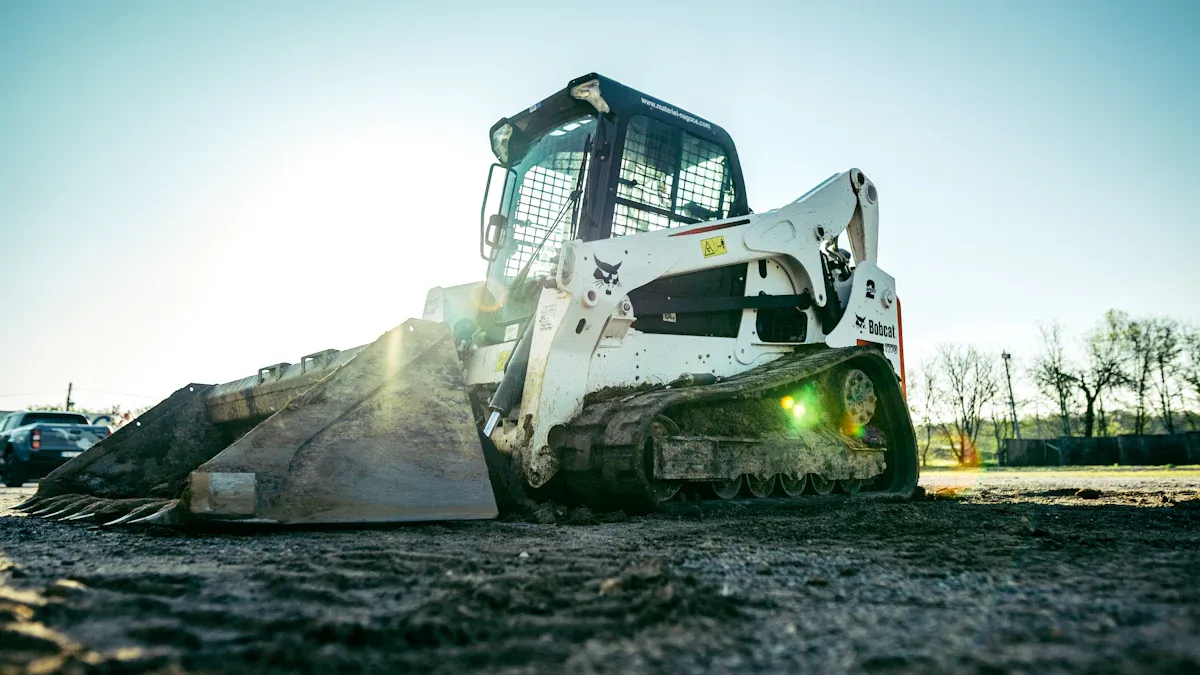
Your skid steer relies on its tracks for optimal performance. Knowing when to replace your Skid Steer Tracks is vital. Worn tracks reduce efficiency and create safety risks. You need to identify the right moment for replacement. This guide will help you make that important decision.
Key Takeaways
- Skid steer tracks usually last 800 to 1,500 hours. How you drive and the ground you work on change this. Good care helps tracks last longer.
- Look for cracks, missing rubber, or smooth treads. These signs mean your tracks are worn. Worn tracks make your machine unsafe and work poorly.
- Replace tracks when they show wear. Choose the right tracks for your machine. Always follow safety steps when you change them.
Average Lifespan of Skid Steer Rubber Tracks
Typical Operating Hours for Skid Steer Tracks
You often wonder how long your skid steer tracks will last. Most rubber tracks typically last between 800 and 1,500 operating hours. This is a general estimate. Some tracks might last longer. Other tracks might wear out faster. Many different things affect this number.
Factors Influencing Skid Steer Track Lifespan
Many factors change how long your tracks last. You should understand these factors.
- Operating Conditions and Terrain: The ground you work on greatly affects track life. Working on rough, abrasive surfaces wears tracks down quickly. Sand, gravel, and concrete are very harsh. Smooth dirt or grass is much gentler. Rocky terrain can cause cuts and tears.
- Operator Habits and Techniques: How you drive your skid steer matters a lot. Fast turns, spinning the tracks, or driving too quickly on rough ground cause more wear. Smooth operation helps your tracks last longer. Avoid sudden stops and starts.
- Track Type and Material: Different tracks use different materials. Some tracks are made for heavy-duty work. Others are for lighter jobs. Rubber tracks are common. Steel tracks are for extreme conditions. The quality of the rubber also plays a big role. High-quality tracks often last longer.
- Machine Maintenance Practices: Taking care of your Skid Steer Tracks helps them last. Keep them clean. Dirt and debris can cause extra friction. Check their tension regularly. Proper tension prevents premature wear. It also stops tracks from coming off.
- Machine Weight and Load: Carrying heavy loads puts more stress on the tracks. This can make them wear out faster. Always operate within your machine’s weight limits.
- Environmental Factors: Extreme heat or cold can affect rubber tracks. Very hot conditions can make rubber softer. This makes it more prone to damage. Very cold conditions can make it brittle. This can lead to cracks.
Key Factors Affecting Skid Steer Loader Track Wear
Understanding what makes your tracks wear out helps you extend their life. Several key elements directly impact how long your tracks last. You can control many of these factors.
Operating Conditions and Terrain Impact
The ground you work on significantly affects track wear. Abrasive surfaces like asphalt, concrete, or rocky terrain cause rapid wear. These surfaces grind down the rubber. Sharp rocks can cut or tear your tracks. Working on soft dirt or grass is much gentler. You will see less wear on these surfaces. Always consider the terrain before you start working.
Operator Habits and Techniques
Your driving style plays a huge role. Aggressive operation shortens track life. Fast turns, especially pivot turns, create high friction. This friction wears down the track treads quickly. Spinning your tracks on hard surfaces also causes damage. Smooth acceleration and deceleration help preserve your tracks. Avoid sudden stops. Drive carefully to extend track life.
Track Type and Material Differences
Not all tracks are the same. Different track types offer varying durability. Some tracks use a harder rubber compound. These tracks resist wear better on tough surfaces. Others have a softer compound for better traction on loose ground. Consider your primary work environment. Choose tracks designed for those conditions. Quality materials make a big difference in lifespan.
Machine Maintenance Practices for Skid Steer Tracks
Proper maintenance is crucial. You must keep your tracks clean. Debris packed into the track system causes extra friction and wear. Regularly check track tension. Loose tracks can de-track or wear unevenly. Over-tight tracks put too much stress on components. Follow your machine’s maintenance schedule. Good care prevents premature failure of your Skid Steer Tracks.
Recognizing Signs of Worn Skid Steer Tracks
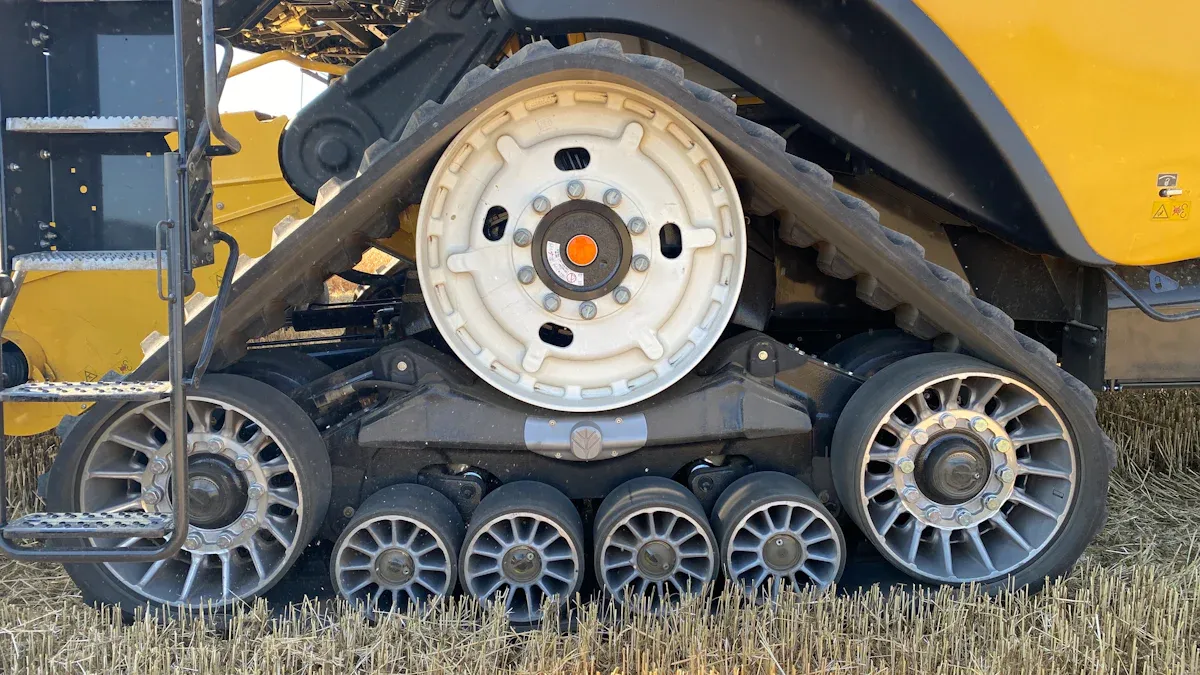
You need to know when your tracks are worn out. Ignoring these signs can lead to bigger problems. You can spot wear through visual checks and performance changes.
Visual Inspection Indicators for Replacement
You can often see track wear with your eyes. Look closely at your tracks.
- Cracks and Tears: Check the rubber surface. You might see small cracks. These cracks can grow larger. Tears can appear on the sides or between the tread lugs. Deep tears mean the track is failing.
- Chunking: Pieces of rubber can break off. This is called chunking. It often happens on the tread or edges. Large missing chunks reduce traction.
- Exposed Cords: Rubber tracks have internal steel cords. You should not see these cords. If they show through the rubber, the track is severely worn. This means the track is weak.
- Worn Tread Patterns: The tread pattern gives you grip. It helps your machine move. Worn treads become smooth. They lose their original shape. This reduces traction significantly.
- Uneven Wear: One side of the track might wear faster. This can happen if you always turn in one direction. Uneven wear affects how your machine drives.
- Missing Lugs: Lugs are the raised parts of the tread. They dig into the ground. If lugs are missing, your machine loses grip.
Performance Degradation Clues
Your machine’s performance will change when tracks wear out. You will notice these differences.
- Reduced Traction: Your skid steer will slip more often. It will struggle to climb slopes. It will also have trouble moving heavy loads.
- Increased Fuel Consumption: The engine works harder with worn tracks. This uses more fuel. You will fill up your tank more often.
- Rougher Ride: Worn tracks do not absorb shocks well. You will feel more bumps and vibrations. This makes the ride uncomfortable.
- Difficulty Steering: Your machine might pull to one side. It can become harder to steer straight. Turning might feel less responsive.
- Slower Operation: Your machine will not move as fast. It takes longer to complete tasks. This reduces your work efficiency.
Safety Concerns with Worn Skid Steer Tracks
Worn tracks are a safety risk. You must address them quickly.
- De-tracking: A severely worn track can come off. This is called de-tracking. It can happen suddenly. It can cause your machine to stop abruptly.
- Loss of Control: Reduced traction means less control. You might lose control on uneven ground. This can lead to accidents.
- Increased Stopping Distance: Your machine needs good grip to stop. Worn tracks increase the distance it takes to stop. This is dangerous in tight spaces.
- Machine Damage: Worn tracks put stress on other parts. They can damage rollers or idlers. This leads to more expensive repairs.
- Operator Injury: Accidents from worn tracks can injure you. They can also injure others nearby. You must prioritize safety.
You must replace your Skid Steer Tracks when you see these signs. This keeps you and your machine safe.
Preparing for Skid Steer Track Replacement
Replacing your tracks requires some preparation. You need the right parts and tools. You also need to prioritize safety.
Selecting the Right Replacement Rubber Track for Skid Steer
You must choose the correct tracks for your machine. First, know your skid steer’s make and model. This ensures a perfect fit. Measure your old tracks if you are unsure. Consider your typical work environment. Do you work on dirt, gravel, or pavement? Different tracks offer different tread patterns and rubber compounds. High-quality Skid Steer Tracks last longer. They also perform better.
Essential Tools and Equipment for Track Replacement
Gather your tools before you start. You will need a sturdy jack and jack stands. These support your machine safely. A large pry bar helps remove old tracks. You also need a grease gun to release track tension. A torque wrench ensures proper bolt tightening. Heavy-duty gloves protect your hands. Safety glasses shield your eyes.
Safety Precautions for Skid Steer Track Work
Safety is very important when working with heavy machinery. Always work on flat, stable ground. Block the wheels or tracks that remain on the ground. This prevents movement. Use your jack stands correctly. Never rely only on a jack. Release track tension slowly. This prevents sudden pressure release. Wear your personal protective equipment. This includes gloves and safety glasses. Be aware of pinch points. Keep your hands clear of moving parts.
Step-by-Step Skid Steer Track Replacement Guide
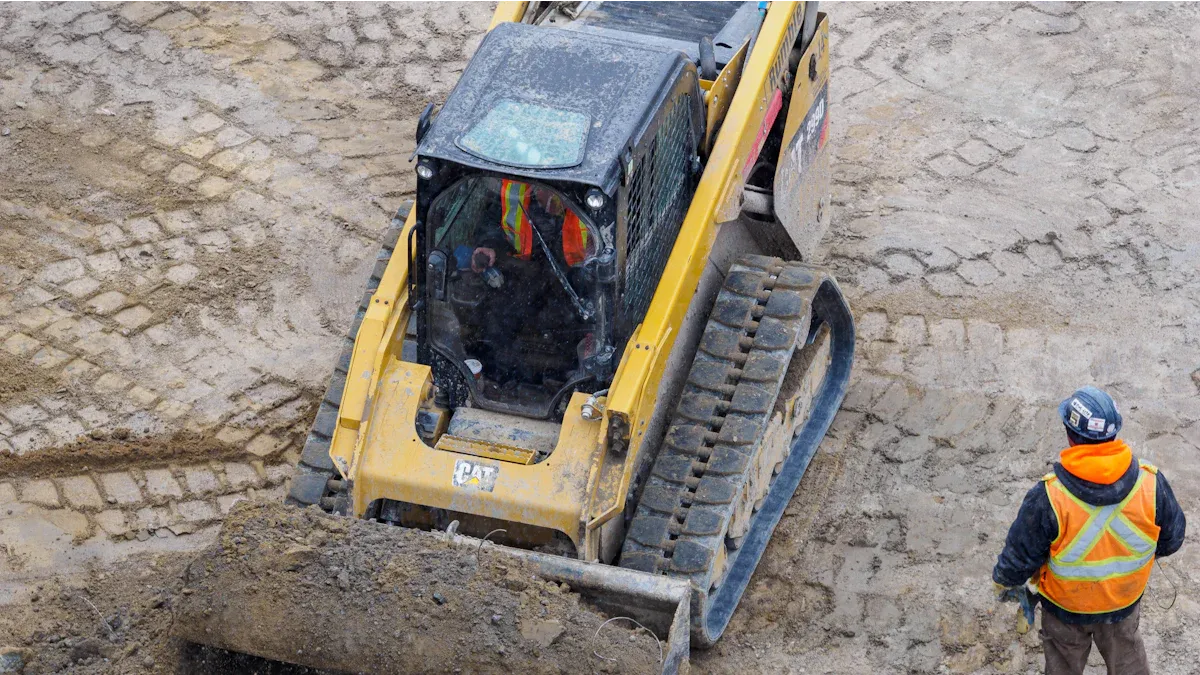
Replacing your tracks might seem hard. You can do it with the right steps. Follow this guide carefully.
Removing Old Skid Steer Tracks
First, park your skid steer on flat, firm ground. You need to lift the machine. Use a sturdy jack. Place jack stands under the frame for safety. This keeps the machine stable. Locate the grease fitting on the track tensioner. Use a grease gun to release the tension. You will see the track loosen. Now, you can pry the old track off the idlers and sprocket. A large pry bar helps here. Carefully remove the entire track.
Installing New Skid Steer Tracks
Position your new track on the ground. Make sure it faces the correct direction. Lift one end of the track. Guide it onto the rear sprocket. Then, work it around the front idler. You might need to use a pry bar. Push the track onto the rollers. Once the track is mostly on, use your grease gun. Pump grease into the tensioner. This tightens the track. Keep pumping until the track feels snug.
Post-Installation Checks for Skid Steer Tracks
After installation, lower your machine. Remove the jack stands. You need to check the track tension again. It should be firm but not too tight. Inspect the new track. Make sure it sits correctly on all components. Look for any twists or misalignments. Drive your skid steer slowly. Listen for unusual noises. Check how it handles. This ensures everything works properly.
Maximizing Your Skid Steer Rubber Tracks‘ Lifespan
You want your tracks to last a long time. Proper care and smart operation extend their life. You can save money and keep your machine working.
Proactive Maintenance Tips for Tracks
You should clean your tracks regularly. Dirt and debris can cause extra wear. Use a pressure washer to remove mud and rocks. Check track tension often. Loose tracks can come off. Over-tight tracks stress components. Adjust tension according to your machine’s manual. Store your skid steer in a cool, dry place. This protects the rubber from extreme weather.
Best Operating Practices for Longevity
Your driving habits greatly affect track life. Drive smoothly. Avoid sudden starts and stops. Make wide turns instead of sharp pivots. Sharp turns grind the tracks. Match your speed to the terrain. Slow down on rough or abrasive surfaces. Do not spin your tracks. This causes rapid wear. Always operate within your machine’s weight limits. Overloading puts extra stress on the tracks.
Regular Inspections for Skid Steer Tracks
You must inspect your tracks often. Look for damage before each use. Check for cuts, cracks, or missing chunks of rubber. Examine the tread pattern. Worn treads reduce traction. Look for exposed steel cords. This means the track is failing. Early detection of problems helps you fix them. This prevents bigger issues later.
You now understand Skid Steer Tracks lifespan. You know how to spot wear. Timely replacement prevents accidents. It keeps your machine efficient. Invest in quality tracks. Maintain them well. This saves you money long-term.
FAQ
How often should you check your skid steer track tension?
You should check track tension daily or before each use. Proper tension prevents wear and de-tracking. Adjust it as your machine’s manual suggests.
Can you repair a small crack in your skid steer track?
Tip: Small cracks often grow. You cannot effectively repair them. Replace the track when you see significant cracks or exposed cords for safety.
What is the best track type for rocky terrain?
For rocky terrain, you should choose tracks with a harder rubber compound. These tracks resist cuts and tears better. Steel tracks also offer extreme durability.

Post time: Dec-09-2025