Sourcing tracks from China demands meticulous planning. With China contributing 36% to the global rubber track market, it has become a key player in this industry. However, navigating this market without preparation can lead to costly errors. I’ve seen businesses suffer from delays, substandard products, and financial losses due to poor decisions. These mistakes not only disrupt operations but also damage reputations. By addressing potential pitfalls early, you can secure high-quality products, maintain smooth operations, and protect your bottom line.
Key Takeaways
- Check supplier details to avoid working with bad partners.
- Do detailed checks to see if suppliers can meet your needs.
- Learn and follow important quality rules like ISO standards.
- Test products well to make sure they last and work.
- Look at cost and quality to get the best value.
- Write clear contracts to reduce risks and confusion.
- Plan shipping well to stop delays and customs problems.
- Use translation tools and understand culture to talk better with suppliers.
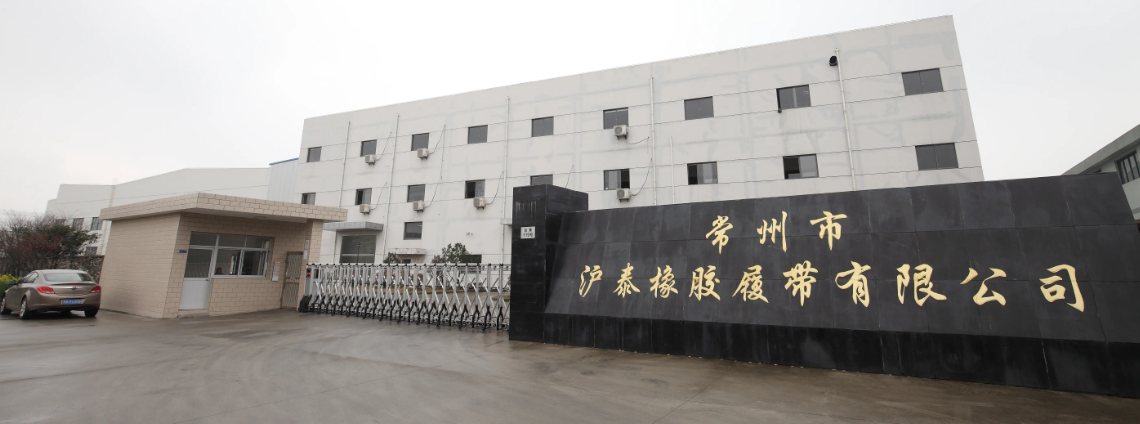
Mistake #1: Choosing the Wrong Supplier
Failing to Verify Supplier Credentials
Consequences of Unverified Suppliers
Choosing the wrong supplier can lead to serious setbacks. I’ve seen businesses suffer from unreliable supply chains, poor product quality, and even financial losses. Unverified suppliers often lack after-sales support, leaving you stranded if issues arise. Some may misrepresent their capabilities or the condition of the rubber tracks. This can result in delays, substandard products, and a tarnished reputation. In the worst cases, unethical suppliers may breach agreements, compromising your entire operation.
Steps to Conduct Supplier Audits
To avoid these risks, I always recommend conducting thorough supplier audits. Start by verifying the supplier’s business license through official government websites. This ensures they are a legitimate entity. Next, assess their factory capabilities. You can visit the factory yourself or hire a trusted third-party inspection company. Reviewing product certifications is equally important. Ensure the rubber tracks meet international standards by checking for necessary certifications. Additionally, evaluate their online presence. A professional website and active profiles on business platforms often indicate credibility.
For a more detailed audit, consider focusing on four key areas: system, process, product, and compliance. Tailor the audit to address specific concerns, such as ethical practices or manufacturing standards. This approach not only improves product quality but also identifies potential risks early, saving you from future complications.
Overlooking Supplier Specialization
Importance of Specialization in Rubber Track Manufacturing
Not all suppliers excel in manufacturing rubber tracks. Specialization plays a critical role in ensuring product quality and reliability. Suppliers who focus solely on rubber excavator tracks often have better technical expertise and production capabilities. They understand the nuances of the industry, from material selection to performance testing. This expertise translates into durable, high-performing tracks that meet your specific needs.
How to Identify Specialized Suppliers
Identifying specialized suppliers requires careful evaluation. I recommend starting with a review of their product portfolio. Suppliers with a narrow focus on rubber tracks are more likely to deliver superior quality. Request product samples to assess their craftsmanship. Additionally, check for technical expertise by asking about their manufacturing processes and quality control measures. Suppliers who can provide audited accounts, VAT invoices, and certifications demonstrate professionalism and reliability.
When sourcing tracks from China, specialization should be a top priority. It ensures you receive products that align with your requirements, minimizing risks and maximizing value. By choosing a supplier with proven expertise, you set the foundation for a successful partnership.
Mistake #2: Ignoring Quality Standards
Not Understanding Quality Requirements
Key Quality Standards for Rubber Tracks
Understanding quality standards is essential when sourcing China rubber track. Without this knowledge, you risk purchasing subpar products that fail to meet your operational needs. Over the years, I’ve learned that adhering to international standards ensures consistent quality and reliability. Some of the key standards to look for include:
- ISO 9001: Guarantees quality management throughout the manufacturing process.
- ISO 14001: Focuses on environmentally responsible production practices.
- IAAF Certification: Confirms compliance with international athletics competition requirements.
These certifications demonstrate a supplier’s commitment to quality and sustainability. Always verify that the rubber tracks meet these standards before finalizing any purchase. This step not only safeguards your investment but also ensures the tracks perform as expected under various conditions.
Ensuring Compliance with Standards
Failing to meet quality standards can lead to significant consequences. I’ve seen businesses face higher maintenance costs due to uneven wear on equipment. Substandard tracks often reduce machinery lifespan and create a stressful work environment with excessive noise and vibration. To avoid these issues, I recommend taking proactive measures to ensure compliance.
Start by requesting documentation from the supplier, such as test reports and certifications. Conducting third-party inspections can also provide an unbiased assessment of the product’s quality. Additionally, consider working with suppliers who have a proven track record of meeting international standards. These steps help you avoid costly mistakes and maintain operational efficiency.
Skipping Product Testing
Risks of Not Testing Rubber Tracks
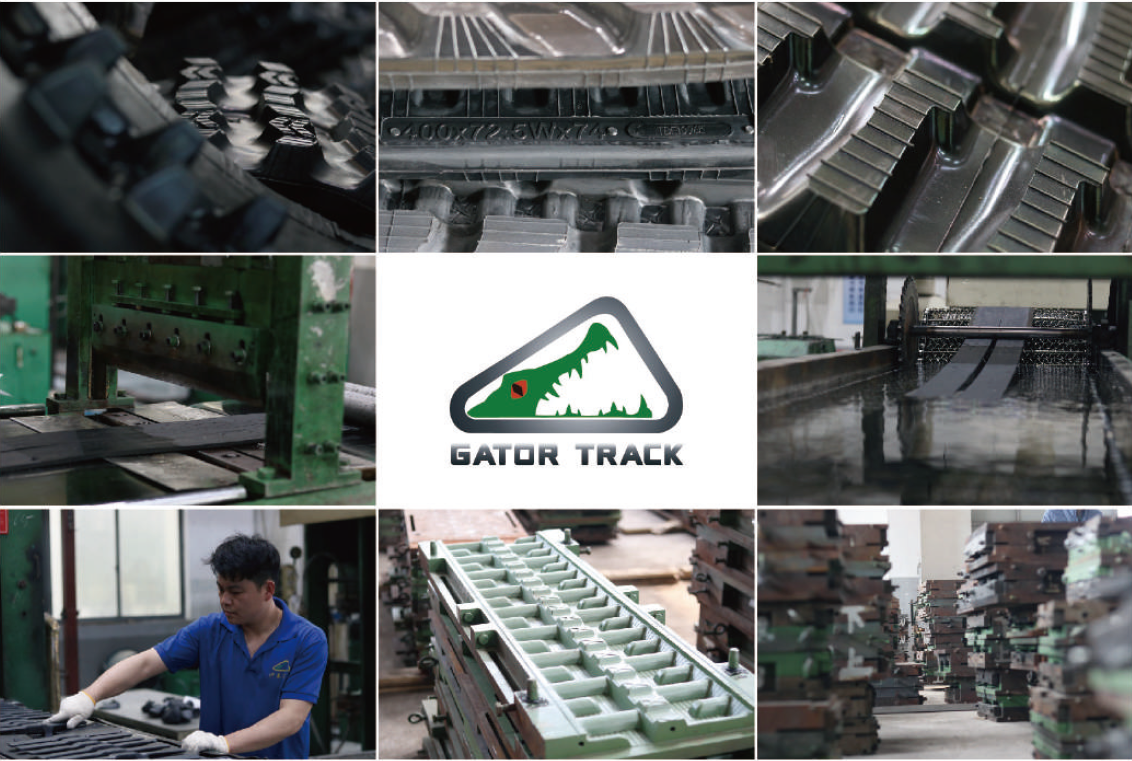
Skipping product testing is a common mistake that can have serious repercussions. Without proper testing, you might end up with tracks that wear out quickly or fail under heavy loads. I’ve encountered cases where businesses faced unexpected downtime and repair costs due to poorly tested products. This not only disrupts operations but also impacts profitability.
Testing ensures that the tracks meet your specific requirements, such as durability, heat resistance, and performance under different environmental conditions. Neglecting this step can compromise the safety and efficiency of your equipment, leading to long-term losses.
Implementing a Testing Process
To avoid these risks, I always recommend implementing a thorough testing process. Here are some best practices I’ve found effective:
- Evaluate abrasion resistance by reviewing material composition and test results.
- Inspect tread design for thickness and reinforcement.
- Check for heat and weather resistance based on your operating environment.
- Verify compliance with regional standards and certifications.
- Look for third-party testing results to ensure unbiased quality assessments.
- Research the manufacturer’s reputation for customer support and warranty policies.
These steps provide a comprehensive evaluation of the rubber tracks, helping you make informed decisions. By prioritizing testing, you can ensure the tracks meet your operational needs and deliver long-term value.
Mistake #3: Focusing Solely on Price
The Hidden Costs of Cheap Products
How Low Prices Affect Quality
Focusing solely on price often leads to compromises in quality. I’ve seen businesses fall into this trap, thinking they’re saving money, only to face costly consequences later. Suppliers offering extremely low prices may cut corners during production. They might use inferior materials or skip essential quality checks. This results in rubber tracks that wear out quickly, fail under pressure, or don’t meet performance expectations.
Cheap rubber tracks often lack durability and reliability. For example, tracks made with low-grade rubber tend to crack or degrade faster, especially under harsh conditions. This not only increases maintenance costs but also disrupts operations. In the long run, the initial savings from low prices pale in comparison to the expenses incurred from frequent replacements and repairs.
Long-Term Costs of Substandard Tracks
The long-term costs of substandard tracks go beyond just financial losses. Poor-quality tracks can damage your machinery, leading to expensive repairs or even equipment replacement. They also reduce productivity by causing unexpected downtime. I’ve seen businesses struggle to meet deadlines because their equipment failed at critical moments. Additionally, substandard tracks can compromise safety, putting operators and workers at risk.
When sourcing tracks from China, it’s crucial to look beyond the price tag. A short-term saving can lead to long-term headaches. Investing in quality tracks ensures better performance, longer lifespan, and peace of mind.
Balancing Cost and Quality
Negotiating Fair Prices
Balancing cost and quality requires a strategic approach. I always recommend negotiating fair prices with suppliers. Start by understanding the market dynamics. Research the average cost of rubber tracks and compare prices from multiple suppliers. This helps you identify reasonable pricing without compromising quality.
During negotiations, focus on building a mutually beneficial relationship. Suppliers are more likely to offer competitive prices if they see potential for long-term collaboration. Highlight your commitment to quality and ask about bulk discounts or flexible payment terms. Remember, the goal is to find a supplier who values quality as much as you do.
Assessing Value Beyond Price
To truly balance cost and quality, it’s essential to assess the overall value of the product. Here are some strategies I’ve found effective:
- Use eco-friendly materials like natural or recycled rubber to ensure sustainability.
- Evaluate the lifecycle impact of tracks, considering durability and production emissions.
- Verify the manufacturer’s reputation and certifications to guarantee quality.
These steps help you make informed decisions and avoid the pitfalls of focusing solely on price. By prioritizing value, you can secure high-quality tracks that align with your operational needs and budget.
Tip: Always consider the total cost of ownership, including maintenance, replacement, and downtime costs. This provides a clearer picture of the product’s true value.
Balancing cost and quality is not just about finding the cheapest option. It’s about making smart investments that deliver long-term benefits. By adopting this approach, you can optimize your procurement process and achieve better outcomes.
Mistake #4: Mismanaging Communication
Effective communication is the backbone of any successful business relationship. When sourcing tracks from China, mismanaging communication can lead to costly errors, delays, and strained partnerships. I’ve seen businesses falter due to misunderstandings and poorly defined agreements. Addressing these challenges early ensures smoother operations and stronger supplier relationships.
Language Barriers and Misunderstandings
Common Communication Challenges
Language barriers often complicate interactions with Chinese rubber track suppliers. While many factories employ English-speaking staff, misunderstandings still occur. Cultural differences play a significant role here. In China, indirect communication is common, where implied meanings carry as much weight as spoken words. This can confuse those accustomed to direct communication styles. Miscommunication may arise when suppliers misinterpret complex instructions or technical terms, leading to errors in production or delivery.
Additionally, cultural sensitivities must be respected. Building relationships is vital in Chinese business culture. A lack of understanding in this area can hinder trust and cooperation. Respectful and culturally aware communication helps bridge these gaps and fosters stronger partnerships.
Tools for Clear Communication
To overcome these challenges, I recommend leveraging modern tools and strategies:
- Use translation software like Google Translate for quick translations.
- Opt for communication platforms with real-time translation features to ensure smoother exchanges.
- Engage third-party inspection companies fluent in both English and Chinese. They can act as intermediaries, reducing the risk of miscommunication.
These tools, combined with a proactive approach to understanding cultural nuances, can significantly improve communication with suppliers.
Lack of Clear Contracts
Importance of Detailed Agreements
A clear and detailed contract is essential when working with suppliers. Without one, businesses expose themselves to risks such as compliance issues, quality control failures, and financial instability. I’ve seen companies suffer from revenue losses due to substandard products or delayed deliveries, all because their agreements lacked specificity. A well-drafted contract ensures both parties understand their obligations, reducing the likelihood of disputes.
Key Clauses for Supplier Contracts
When drafting a supplier contract, I always emphasize including the following elements:
- Business Terms: Clearly state the names of the customer and vendor, along with obligations, pricing, and payment terms.
- Legal Provisions: Include representations, warranties, confidentiality clauses, and indemnity provisions.
- Scope and Delivery: Define the products or services, delivery expectations, and timelines.
- Consequences: Outline termination conditions and dispute resolution methods.
These clauses provide a solid foundation for a successful partnership. They protect your interests and ensure suppliers adhere to agreed-upon standards. A detailed agreement minimizes risks and sets clear expectations, paving the way for a smooth sourcing process.
Tip: Always consult a legal expert when drafting contracts to ensure compliance with local and international regulations.
Mistake #5: Overlooking Logistics and Shipping
Underestimating Shipping Costs and Timelines
Impact of Shipping Delays
Shipping delays can disrupt entire operations. I’ve seen businesses face production halts and missed deadlines because they underestimated shipping timelines. These delays often stem from poor planning or unforeseen circumstances, such as port congestion or adverse weather conditions. When rubber tracks arrive late, it can lead to idle machinery, frustrated clients, and financial losses. The ripple effect of such delays can damage your reputation and strain relationships with customers.
Delays also increase costs. Storage fees, expedited shipping charges, and penalties for late deliveries can quickly add up. Without a clear understanding of shipping timelines, you risk underestimating these expenses. This oversight can erode your profit margins and create unnecessary stress.
Tips for Accurate Shipping Estimates
To avoid these pitfalls, I recommend taking a proactive approach to shipping estimates. Start by gathering detailed information from your supplier about production and shipping schedules. Ask for realistic lead times and factor in potential delays. Always account for peak seasons, such as Chinese New Year, when factories and shipping services may operate at reduced capacity.
Using freight forwarders can also help. These professionals specialize in logistics and can provide accurate cost and timeline estimates. Additionally, I suggest building a buffer into your schedule. Plan for shipments to arrive earlier than needed to accommodate unexpected delays. By taking these steps, you can minimize disruptions and ensure a smoother supply chain.
Tip: Always confirm shipping terms with your supplier. Clarify whether the quoted price includes freight, insurance, and other charges to avoid surprises.
Failing to Plan for Customs and Import Regulations
Common Customs Issues
Customs clearance is another area where businesses often stumble. I’ve seen shipments delayed or rejected due to incomplete documentation or non-compliance with import regulations. Common issues include incorrect tariff classifications, missing certificates, and failure to meet country-specific standards. These mistakes can result in fines, additional inspections, or even the seizure of goods.
Another challenge is navigating the varying regulations across different countries. What works for one market may not apply to another. Without proper planning, you risk violating customs laws, which can lead to costly penalties and reputational damage.
Ensuring Smooth Customs Clearance
To streamline customs clearance, I always recommend thorough preparation. Start by researching the import regulations of your destination country. Understand the required documentation, such as invoices, packing lists, and certificates of origin. Work closely with your supplier to ensure all paperwork is accurate and complete.
Hiring a customs broker can also simplify the process. These experts have in-depth knowledge of import regulations and can handle the complexities of customs clearance on your behalf. Additionally, I suggest classifying your products correctly under the Harmonized System (HS) code. This ensures you pay the correct duties and avoid unnecessary delays.
Note: Building strong relationships with your logistics partners can make a significant difference. Reliable freight forwarders and customs brokers can help you navigate challenges and keep your shipments on track.
By addressing logistics and shipping challenges head-on, you can avoid costly mistakes and ensure your rubber tracks arrive on time and in excellent condition. Proper planning and expert guidance are key to a seamless sourcing experience.
Avoiding the top five mistakes when sourcing tracks from China can save your business from costly setbacks. Here are the key takeaways to keep in mind:
- Do not assume supplier reliability; always verify and analyze.
- Establish a Standard Operating Procedure (SOP) for sourcing to streamline processes and avoid errors.
- Manage expectations to align reality with anticipated outcomes.
Thorough research, clear communication, and quality assurance are essential for successful sourcing. Professional resources can also simplify the process. For example:
| Supplier Name | Country | Minimum Order Quantity | Supply Ability | Lead Time |
|---|---|---|---|---|
| Shanghai Kymoon Rubber Co., Ltd. | China | 1 Piece | 5000 Piece/Pieces per Month | 7 days for 1 piece, to be negotiated for more |
By implementing these strategies or seeking expert guidance, you can ensure a seamless experience and secure high-quality rubber tracks for your operations.
FAQ
1. How can I verify a supplier’s credentials?
I recommend checking their business license through official government websites. Visiting their factory or hiring a third-party inspection company also helps. Always request certifications to confirm compliance with international standards.
2. What are the key quality standards for rubber tracks?
Look for certifications like ISO 9001 for quality management and ISO 14001 for environmental practices. These standards ensure the tracks meet durability and performance requirements.
3. Why is product testing important?
Testing ensures the tracks meet your operational needs. It helps identify issues like poor durability or heat resistance before purchase, saving you from costly downtime and repairs.
4. How do I balance cost and quality when sourcing?
Focus on value rather than price alone. Research market rates, negotiate fair terms, and assess the supplier’s reputation. Investing in quality tracks reduces long-term costs and improves performance.
5. What should I include in a supplier contract?
A detailed contract should cover product specifications, delivery timelines, payment terms, and dispute resolution methods. This protects your interests and ensures clear expectations.
6. How can I avoid shipping delays?
Plan ahead by accounting for production lead times and potential delays. Use freight forwarders for accurate estimates and build a buffer into your schedule to avoid disruptions.
7. What documents are needed for customs clearance?
You’ll need invoices, packing lists, and certificates of origin. Work with a customs broker to ensure all paperwork complies with import regulations and avoid delays.
8. How do I handle language barriers with suppliers?
Use translation tools or hire third-party intermediaries fluent in both English and Chinese. Clear, respectful communication helps prevent misunderstandings and builds trust.
Tip: Building strong relationships with suppliers improves communication and ensures smoother operations.
Post time: Feb-24-2025