
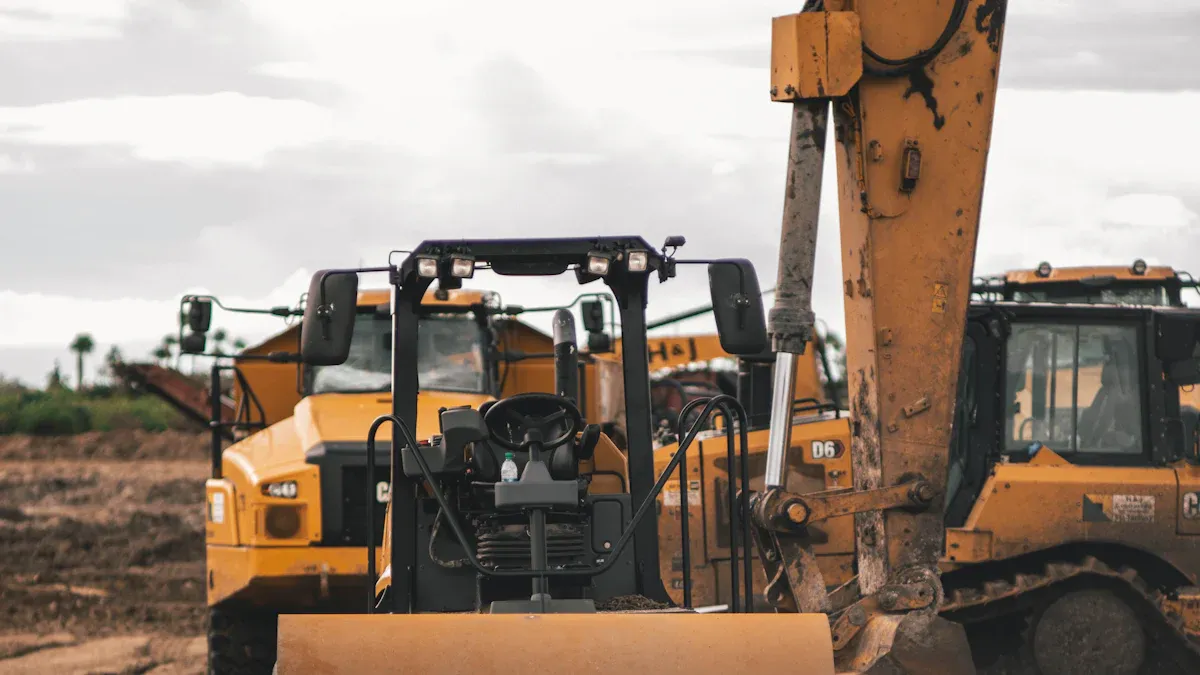
Clip-on rubber track pads significantly enhance equipment performance and efficiency. They improve traction for tracked vehicles, which is crucial in construction settings. Additionally, these pads help reduce soil compaction, maintaining soil health. Their ease of installation and surface protection make them a cost-effective choice for various construction environments.
Key Takeaways
- Clip-on rubber track pads are easy to install, saving time and reducing labor costs on construction sites.
- These pads protect surfaces from damage, making them ideal for urban construction and preserving sensitive areas.
- Using clip-on rubber track pads enhances traction and stability, improving safety and control on uneven terrain.
Ease of Installation
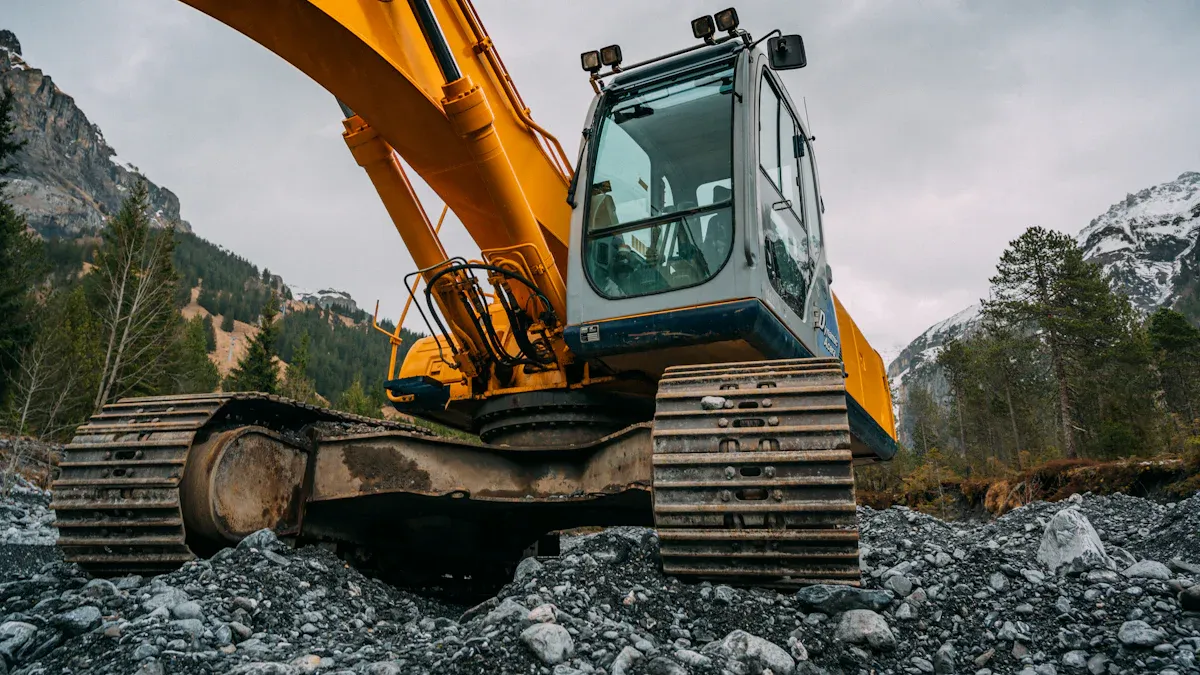
Installing clip-on rubber track pads is a straightforward process that I find incredibly beneficial. The design of these pads allows for quick installation, which saves valuable time on the job site. I appreciate that I can fit these pads in half the time compared to conventional options. This efficiency minimizes labor costs and maximizes equipment uptime, leading to safer working conditions.
To install excavator clip-on rubber track pads, I typically use a few essential tools. Here’s a quick list of what I need:
- High-quality clip-on rubber track pads
- Fasteners or clips (usually provided with the pads)
- Cleaning supplies (like rags and degreaser)
- Wrenches and socket sets
- Torque wrench
- Rubber mallet
- Screwdrivers
- Optional: Power tools (e.g., impact wrench), alignment tools or guides
One of the standout features of clip-on pads is that they can be installed on-site without the need for drilling. This aspect enhances safety by reducing the risk of accidents during installation. Unlike bolt-on pads, clip-on pads remain securely in place during operation, which decreases the likelihood of instability.
The flexibility of clip-on rubber track pads allows me to adapt quickly to changing job conditions. This adaptability contributes to safer operations, as I can ensure good traction on various surfaces. Overall, the ease of installation makes these pads an excellent choice for any construction project.
Surface Protection
Using clip-on rubber track pads has significantly improved surface protection on my job sites. These pads excel at safeguarding sensitive surfaces from damage, especially in urban construction settings. I often work on paved or delicate surfaces, and I appreciate how these pads minimize ground damage and wear. Their design is crucial for protecting areas that require careful handling during construction activities.
One of the standout features of clip-on rubber track pads is their ability to reduce undercarriage wear. I have noticed that they extend the service life of rollers, idlers, and sprockets by up to 30%. This reduction in wear not only saves money on repairs but also enhances overall equipment performance.
Here’s a quick comparison of how clip-on track pads stack up against traditional steel track pads:
| Feature | Rubber Track Pads | Steel Track Pads |
|---|---|---|
| Noise and Vibration | Greatly reduces noise and vibration | Higher noise and vibration levels |
| Operator Comfort | Improves comfort and reduces fatigue | Less comfortable for operators |
| Weather Performance | Maintains traction in diverse conditions | Can become brittle or slippery |
| Undercarriage Wear | Reduces wear, extending service life | Higher wear on undercarriage components |
Additionally, these pads perform well in various weather conditions. They resist cracking in sub-zero environments and maintain consistent traction in wet conditions. This versatility is essential for ensuring safety and efficiency on the job site. Overall, I find that investing in clip-on rubber track pads not only protects surfaces but also enhances the quality of my work.
Enhanced Traction

I have experienced firsthand how clip-on rubber track pads significantly enhance traction for heavy machinery. These pads are crafted from vulcanized rubber bonded to a robust internal metal core. This design not only boosts durability but also improves traction on various surfaces. The rubber compound is abrasion-resistant and anti-chunking, ensuring long-lasting performance even in harsh conditions.
When I operate machinery equipped with clip-on rubber track pads, I notice a marked improvement in stability and control. The advanced tread designs grip the terrain effectively, which reduces the risk of slippage. This feature is particularly beneficial when navigating uneven terrain, where maneuverability can be challenging. The pads distribute weight evenly, minimizing ground damage while allowing for better control on difficult surfaces.
Here are some key benefits of enhanced traction with clip-on rubber track pads:
- Improved Control: The pads grip the ground firmly, enhancing overall control for operators.
- Stability on Uneven Terrain: They provide superior traction, which enhances maneuverability on challenging surfaces.
- Safety: The reduced risk of slippage contributes to safer working conditions.
In my experience, the combination of these features makes clip-on rubber track pads an invaluable asset on construction sites. They not only improve performance but also ensure that I can work efficiently and safely, regardless of the terrain.
Cost-Effectiveness
Using clip-on rubber track pads has proven to be a cost-effective choice for my construction projects. One of the most significant benefits I’ve noticed is the reduction in maintenance costs. These pads extend the lifespan of heavy equipment undercarriages. They absorb impacts effectively, which reduces wear on critical components like drive sprockets, rollers, and idlers. This durability translates into fewer repairs and less downtime.
I’ve learned that the undercarriage typically accounts for about 50% of a machine’s total owning and operating costs. By investing in clip-on rubber track pads, I can optimize the life of these components. Regular maintenance and inspection become less frequent, allowing me to allocate resources more efficiently.
In addition to maintenance savings, I’ve experienced improved fuel efficiency with these pads. The enhanced traction they provide leads to better stability on uneven ground. This stability reduces soil compaction and ground pressure, which ultimately contributes to lower fuel consumption. I’ve found that my machinery operates more efficiently, allowing me to complete tasks faster and with less fuel.
Overall, the cost-effectiveness of clip-on rubber track pads is evident in both maintenance savings and improved fuel efficiency. Investing in these pads not only enhances my equipment’s performance but also positively impacts my bottom line.
Versatility in Various Environments
I have found that clip-on rubber track pads excel in various construction environments, making them a versatile choice for my projects. These pads are particularly effective on urban construction sites. They provide superior grip on surfaces like concrete, asphalt, and gravel. I appreciate how they minimize surface damage and prevent rutting, which is crucial when working in sensitive areas. Their low ground pressure helps preserve existing infrastructure during construction activities.
The adaptability of clip-on rubber track pads extends to different weather and terrain conditions. Here’s a quick overview of their features and benefits:
| Feature | Benefit |
|---|---|
| Made from high-quality rubber | Exceptional strength and flexibility, resistant to abrasion and environmental degradation |
| Temperature resistance | Operates effectively in extreme temperatures (-30°C to +80°C) |
| Traction | Provides excellent grip on wet, muddy, icy, or uneven surfaces |
| Anti-slip surface | Enhances grip and reduces slippage risks |
| Wide footprint | Reduces ground pressure, preventing soil compaction and damage to delicate surfaces |
Additionally, clip-on rubber track pads are designed for quick installation and removal without tools. They utilize a spring-loaded or interlocking mechanism to attach directly over existing tracks. This feature allows me to transition rapidly between rubber and steel tracks, accommodating varying job conditions. I find this flexibility invaluable, especially when I need to adapt my equipment to different tasks.
Overall, the versatility of clip-on rubber track pads makes them an essential component in my construction toolkit. They enhance performance across diverse environments, ensuring I can tackle any project with confidence.
Maintenance and Longevity
Maintaining clip-on rubber track pads is crucial for ensuring their longevity and optimal performance. I have found that regular maintenance practices can significantly extend the life of these pads. Here are some essential tips I follow:
- Keep tracks clean: I always remove debris after every use. This prevents dirt and contaminants from causing wear.
- Maintain correct tension: I check the track tension weekly or according to OEM guidelines. Proper tension prevents overstretching or loosening.
- Store properly: I keep the pads out of direct sunlight and away from chemicals to avoid degradation.
- Avoid sharp turns: Using wider turns reduces sidewall stress, which helps maintain the integrity of the pads.
- Inspect regularly: I look for cracks, tears, or exposed cords. Early detection of damage allows for timely replacements.
Regular inspections play a vital role in the longevity of clip-on rubber track pads. I conduct visual checks to catch issues early, which helps avoid downtime during operations. If I notice any signs of wear, such as cracks or excessive wear patterns, I replace the pads immediately to prevent further damage to the undercarriage components.
Here’s a quick overview of common causes of wear and tear in clip-on rubber track pads:
| Cause | Description |
|---|---|
| Exposed Steel | Visible steel indicates the need for replacement to prevent pavement damage. |
| Loose or Damaged Hardware | Compromised hardware can lead to shifting or detachment of the pad. |
| Performance Indicators | Worn pads result in increased vibration and uneven wear patterns. |
By following these maintenance practices, I ensure that my clip-on rubber track pads remain in excellent condition, ultimately enhancing their longevity and performance on the job site.
In my experience, clip-on rubber track pads for excavator offer significant advantages in construction. Their ease of installation and ability to protect surfaces stand out as key benefits. Investing in these pads leads to improved performance and cost savings, making them a smart choice for any construction project.
FAQ
What are clip-on rubber track pads made of?
Clip-on rubber track pads consist of high-quality vulcanized rubber bonded to a sturdy metal core for durability and performance.
How often should I replace my track pads?
I recommend inspecting track pads regularly. Replace them when you notice significant wear or damage to maintain optimal performance.
Can I use clip-on rubber track pads on all surfaces?
Yes, I find clip-on rubber track pads effective on various surfaces, including asphalt, concrete, and gravel, minimizing damage and enhancing traction.

Post time: Mar-12-2026