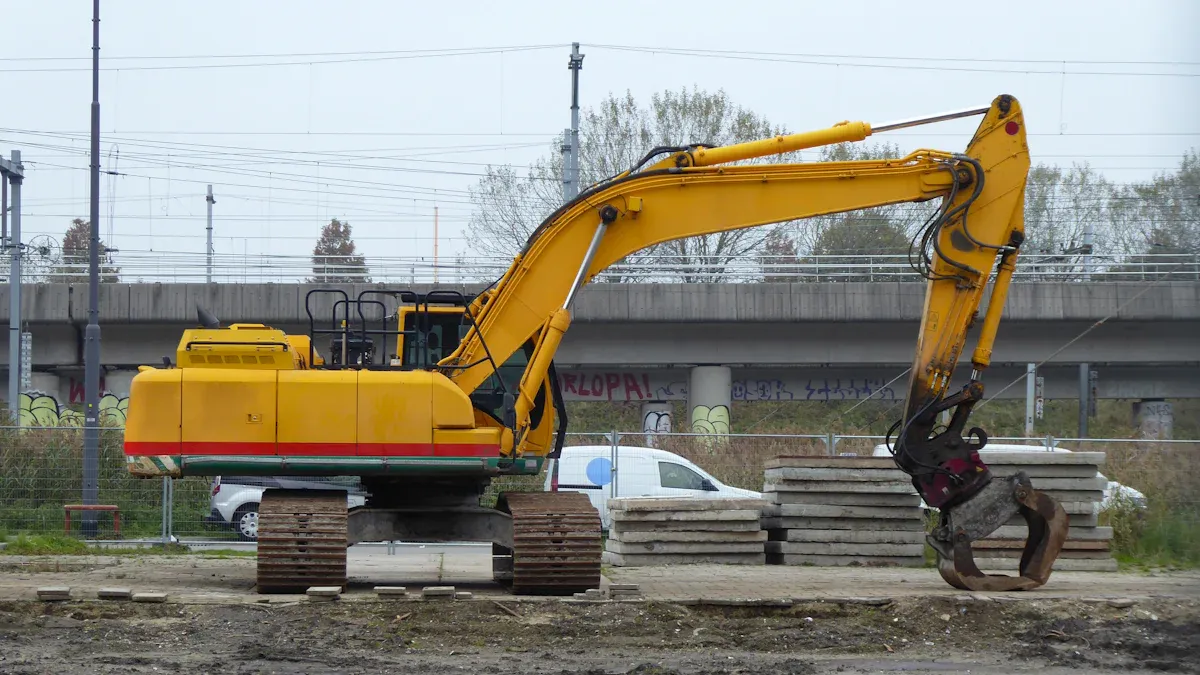
Choosing the right excavator tracks makes a big difference. High-quality tracks last longer, improve performance, and save money in the long run. They reduce downtime, protect the ground, and extend the machine’s lifespan. Investing in durable tracks means fewer replacements and smoother operations, giving your equipment the reliability it needs.
Key Takeaways
- Buying good rubber tracks makes them last longer and work better. This helps avoid delays and lowers repair costs.
- Pick tracks with strong steel inside. This keeps them steady and stops bending, so they work well on tough jobs.
- Clean and check tracks often. This stops damage and helps them last longer, saving time and money later.
Key Features of Durable Excavator Tracks
High-Quality Rubber Compounds
Rubber compounds play a crucial role in determining the durability of excavator tracks. High-grade rubber ensures the tracks can withstand heavy loads and harsh conditions without cracking or wearing out prematurely. Manufacturers focus on creating compounds with exceptional tensile strength and abrasion resistance, which are essential for heavy-duty applications.
- Benefits of High-Quality Rubber Compounds:
- Enhanced durability for extended use.
- Resistance to wear and tear, even on rough terrains.
- Ability to endure heat from friction and sunlight without degrading.
Ongoing research in rubber technology has led to innovations that improve track performance and longevity. These advancements reduce replacement frequency, saving users time and money while ensuring operational efficiency.
Continuous Steel Core Design
A continuous steel core design is a game-changer for excavator tracks. This feature reinforces the tracks, providing stability and preventing stretching during operation. Steel cores act as the backbone of the tracks, ensuring they maintain their shape and strength under pressure.
Tracks with steel reinforcement offer better resistance to deformation, making them ideal for demanding construction sites.
This design also minimizes the risk of track failure, which can lead to costly downtime. By combining steel cores with high-quality rubber, manufacturers create tracks that deliver both flexibility and strength.
Optimal Tread Patterns for Traction
Tread patterns are more than just aesthetics—they directly impact the performance of excavator tracks. Well-designed tread patterns provide excellent traction, allowing machines to navigate various terrains with ease.
- Key Advantages of Optimal Tread Patterns:
- Improved grip on soft or uneven surfaces.
- Reduced slippage, enhancing safety during operation.
- Better weight distribution, which minimizes ground damage.
Excavator tracks with optimized tread designs ensure smooth movement and stability, even in challenging environments. This feature is particularly beneficial for projects requiring precision and efficiency.
Proper Track Width and Compatibility
Choosing the right track width and ensuring compatibility with the machine are critical for durability. Proper width ensures even weight distribution, reducing wear and tear on the tracks. Compatibility guarantees optimal performance, preventing issues like poor engagement or excessive component wear.
| Aspect | Importance |
|---|---|
| Weight Distribution | Proper track width ensures even weight distribution, enhancing stability and reducing wear. |
| Stability | Wider tracks provide better stability on soft ground, preventing damage to the terrain. |
| Equipment Performance | Compatibility with the machine ensures optimal performance and longevity of the tracks. |
Using the wrong track size can lead to significant performance issues, including reduced efficiency and increased maintenance costs. Selecting tracks that match the machine’s specifications ensures smoother operations and longer service life.
How to Evaluate Suppliers for Excavator Tracks
Assessing Supplier Reputation
Choosing a reliable excavator tracks supplier is essential when investing in excavator tracks. A supplier’s reputation often reflects their commitment to quality and customer satisfaction. Start by researching their track record. Look for suppliers with certifications that demonstrate strict quality control processes. These certifications ensure the tracks meet industry standards and perform well under demanding conditions.
Reputation also depends on how well suppliers meet customer needs. Suppliers who maintain stock for immediate delivery and offer parts compatible with specific machine models are highly valued. A quick glance at their market presence can reveal a lot. Suppliers with a strong reputation often have positive testimonials and a history of timely deliveries.
| Criteria | Description |
|---|---|
| Quality Assurance | Ensure that supplier has stringent quality control processes and appropriate certificates. |
| Compatibility | Ascertain that parts fit specific machine models, ensuring operationality. |
| Availability and Lead Time | Check if suppliers maintain stock for immediate availability of spare parts. |
Reviewing Warranty and Support Terms
A good warranty is like a safety net. It protects your investment and shows that the supplier stands behind their product. Look for suppliers offering comprehensive warranties that cover manufacturing defects and premature wear. Strong warranties often indicate confidence in the product’s durability.
Support services are equally important. Suppliers who provide responsive after-sales support can save you time and money. For example, quick maintenance turnaround times ensure your equipment gets back to work faster. Always ask about the scope of their support services before making a purchase.
Checking Customer Feedback and Reviews
Customer reviews are a goldmine of information. They offer insights into product performance, reliability, and the supplier’s service quality. Positive reviews often highlight suppliers who prioritize customer satisfaction and deliver tracks that perform well in challenging environments.
To evaluate feedback effectively:
- Check reviews on trusted platforms like Google Reviews or Trustpilot.
- Speak with past clients to understand their experiences.
- Review case studies to see how the supplier has performed in real-world scenarios.
Suppliers who actively seek feedback and use it to improve their products build trust. This approach fosters long-term relationships and ensures customers return for future purchases.
Balancing Cost and Quality in Excavator Tracks
Comparing OEM and Aftermarket Options
When choosing excavator tracks, deciding between OEM (Original Equipment Manufacturer) and aftermarket options can feel overwhelming. Each has its pros and cons, and understanding them helps make smarter decisions. OEM tracks are designed specifically for the equipment, ensuring perfect compatibility and reliable performance. They often come with higher upfront costs but deliver lower maintenance expenses and reduced downtime.
On the other hand, aftermarket tracks offer a more budget-friendly initial price. These tracks cater to the growing demand for maintenance and replacement parts, especially for older machinery. However, they may lead to higher long-term maintenance costs and less predictable life cycle expenses.
| Aspect | OEM Tracks | Aftermarket Options |
|---|---|---|
| Initial Cost | Higher | Lower |
| Long-term Maintenance Cost | Lower | Higher |
| Downtime Rate | Lower | Higher |
| Life Cycle Cost | More stable | Less predictable |
For those prioritizing fuel efficiency, equipment with prefabricated rubber tracks consumes 8–12% less fuel than steel tracks. In regions with high fuel costs, this can save $7–$10 per hectare annually.
Evaluating Long-Term Value Over Initial Cost
Investing in high-quality excavator tracks pays off in the long run. While cheaper options may seem appealing, they often lead to frequent replacements and higher maintenance expenses. High-quality tracks maximize the lifespan of excavators, which are built to last up to 60,000 hours. This durability ensures better returns on investment over time.
Owning construction equipment, rather than renting, also contributes to long-term savings. Tracks that perform well under demanding conditions reduce downtime and operational costs. By focusing on quality, operators can extend the useful life of their machines and enjoy consistent performance.
Tip: Prioritize tracks that balance durability and cost-effectiveness to avoid unexpected expenses and ensure smooth operations.
Maintenance Tips for Extending Track Lifespan

Regular Cleaning and Inspection
Keeping excavator tracks clean and inspecting them regularly is one of the simplest yet most effective ways to extend their lifespan. Dirt, debris, and rocks can accumulate in the undercarriage, causing unnecessary wear and tear. Regular cleaning prevents these materials from hardening or freezing, which could lead to damage over time.
Regular undercarriage cleaning removes trash, dirt, and rocks that can get between components, avoiding premature wear.
Inspections are equally important. They help identify small issues, like cracks or loose components, before they escalate into costly repairs. Maintenance logs can also play a crucial role in tracking service history and ensuring timely care.
| Maintenance Practice | Effectiveness in Extending Lifespan |
|---|---|
| Regular inspections | Prevent costly breakdowns and extend equipment life. |
| Preventive care | Reduces the likelihood of equipment failures. |
| Keeping machines clean | Prevents dirt buildup that can cause damage. |
| Maintenance logs | Track service history to address small issues early. |
| Consistent servicing and repairs | Reduces wear and tear, keeping machinery in optimal condition. |
By following a structured maintenance routine, operators can minimize downtime and keep their excavator tracks in top condition.
Avoiding Dry Friction and Sharp Turns
Dry friction and sharp turns are two of the biggest enemies of rubber tracks. When tracks rub against hard surfaces without proper lubrication, the edges can wear down quickly. This type of friction not only shortens the lifespan of the tracks but also increases the risk of damage to the machine’s undercarriage.
Sharp turns are another common issue. They place excessive stress on the tracks, leading to wheel detachment or even track failure. Operators should aim to drive smoothly and avoid sudden, jerky movements.
- Tips to Avoid Dry Friction and Sharp Turns:
- Use track blocks carefully, especially on uneven surfaces like steps.
- Avoid operating the machine on sharp protrusions, such as steel bars or rocks.
- Plan movements in advance to minimize the need for sharp turns.
By adopting these practices, operators can reduce unnecessary wear and ensure their excavator tracks remain in excellent condition for longer.
Proper Storage and Handling Practices
Proper storage and handling are often overlooked but are critical for maintaining the quality of excavator tracks. Tracks should be stored in a clean, dry environment to prevent exposure to moisture, which can lead to rust or mold. Using waterproof covers adds an extra layer of protection.
Here are some best practices for storage and handling:
- Fluid Maintenance: Add fuel stabilizers and change oils at regular intervals to keep the machine in optimal condition.
- Battery Maintenance: Remove the battery and use a trickle charger to maintain its performance.
- Pest Prevention: Seal openings and use repellents to prevent infestations that could damage the equipment.
- Environmental Protection: Store tracks in controlled environments and use covers to shield them from harsh weather.
- Documentation and Records: Maintain detailed records of storage and maintenance activities to monitor the equipment’s condition.
Proper handling during installation and removal is equally important. Mishandling can lead to unnecessary stress on the tracks, reducing their lifespan. By following these guidelines, operators can ensure their tracks remain in peak condition, even during periods of inactivity.
Selecting durable rubber excavator tracks is crucial for maximizing performance and minimizing costs. Prioritizing features like high-quality rubber and proper compatibility ensures long-term reliability. Evaluating suppliers carefully helps avoid costly mistakes. Regular cleaning, smooth operation, and proper storage keep tracks in top shape, extending their lifespan and reducing downtime.
FAQ
What are the benefits of using rubber excavator tracks over steel tracks?
Rubber tracks offer better ground protection, reduced vibration, and quieter operation. They also minimize wear on surfaces, making them ideal for urban or sensitive environments.
How often should excavator tracks be inspected?
Operators should inspect tracks daily for cracks, wear, or debris buildup. Regular checks help catch small issues early, preventing costly repairs or downtime.
Can rubber tracks handle rough terrains?
Rubber tracks perform well on flat or moderately rough terrains. However, operators should avoid sharp protrusions like steel bars or rocks to prevent damage.
Tip: Always match the track type to the job site conditions for optimal performance.
Post time: May-23-2025