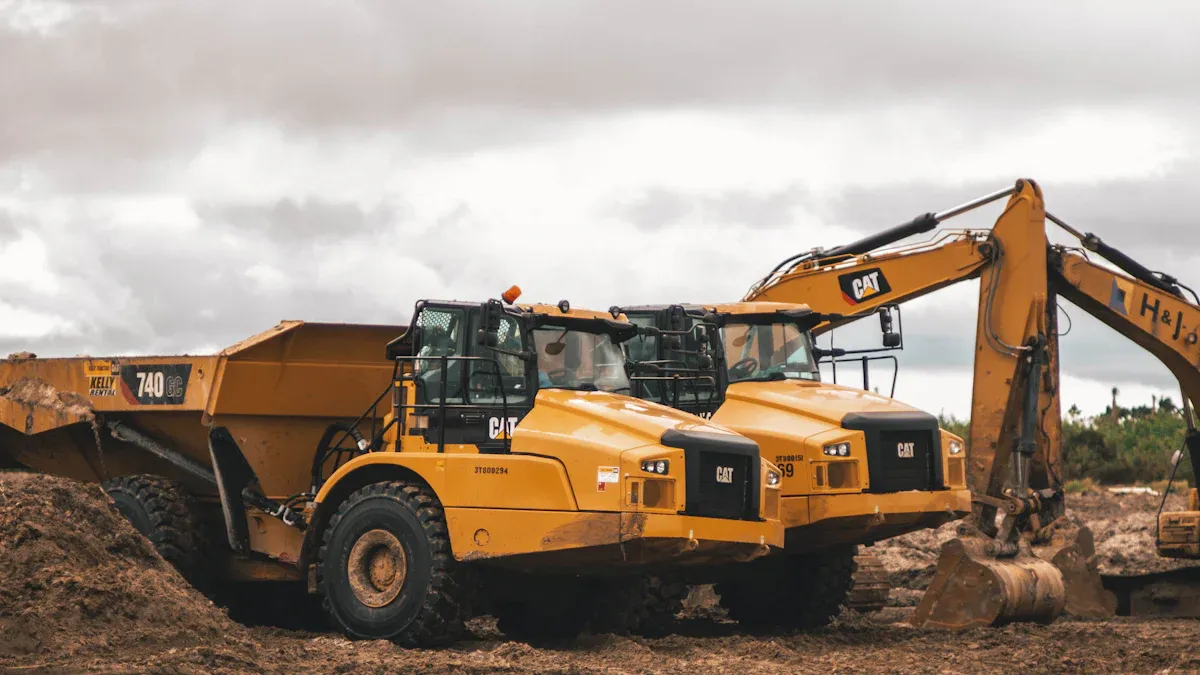
Heavy-duty track loaders require reliable rubber tracks to perform effectively in challenging environments. Durability plays a crucial role in these conditions. High-quality materials, such as reinforced rubber compounds, enhance performance and longevity. Track loader rubber tracks with superior tensile strength and wear resistance consistently deliver results in demanding applications.
Key Takeaways
- Choose high-quality rubber tracks made from a blend of natural and synthetic materials for enhanced durability and performance.
- Regularly inspect and maintain your rubber tracks to extend their lifespan and ensure optimal performance in tough conditions.
- Select the right tread design based on your specific application to maximize traction and stability on various terrains.
Key Features of Track Loader Rubber Tracks
Material Composition
The material composition of track loader rubber tracks significantly influences their performance and durability. High-quality rubber tracks often combine various materials to enhance their resistance to wear and tear. Here are some key components:
| Material Type | Benefits |
|---|---|
| Natural Rubber | Superior elasticity, vibration absorption, heat resistance |
| Synthetic Rubber | Increased abrasion resistance, weather tolerance |
| Steel Cords | Provides reinforcement, prevents stretching and tearing |
| Multi-layer Construction | Enhances shock absorption, reduces chunking, extends life |
These materials work together to create tracks that withstand harsh conditions. Operators can expect improved performance in terms of abrasion and tearing resistance, which is crucial for maintaining productivity in demanding environments.
Tread Design
Tread design plays a vital role in the effectiveness of track loader rubber tracks. Different tread patterns cater to specific applications, impacting traction and overall performance. Here are some proven tread designs:
- Multi-bar lug treads: Designed for various surfaces, these treads excel in mud, sand, and loose soil while providing stability on harder ground.
- C-pattern or block treads: Feature a robust design for excellent grip on rocky terrain, ideal for construction and site preparation.
- Aggressive or extreme terrain treads: Equipped with deep lugs for superior traction in harsh conditions like mud and snow, suitable for excavation tasks.
- Heavy lug treads: Tailored for deep mud or clay, these treads dig into soft terrain, ensuring optimal performance in very soft ground conditions.
The tread design directly affects the longevity and performance of rubber tracks. For instance, multi-lug designs excel in wet and muddy conditions but may have reduced cut resistance. In contrast, C-lug designs offer better durability against cuts and debris, making them suitable for heavy construction tasks.
Track Width and Length
The dimensions of track loader rubber tracks, specifically width and length, are crucial for stability and load distribution. Here are some important considerations:
- The width of the track influences the overall footprint of the machine. Wider tracks provide more flotation, while narrower tracks increase ground pressure for better traction.
- The pitch of the track affects its flexibility and smoothness, which are important for stability.
- The number of links determines the overall length of the track, which is crucial for proper fit and performance.
Wider tracks, such as those measuring 830 mm, enhance stability and potentially improve fuel efficiency. In contrast, standard tracks measuring 550 mm may lead to higher fuel consumption due to increased ground pressure. Operators should consider these factors when selecting tracks to optimize performance and efficiency.
Comparing Track Loader Rubber Tracks
Performance Metrics
When evaluating track loader rubber tracks, several performance metrics come into play. These metrics help operators understand how well the tracks will perform under tough conditions. Key factors include:
- Application: Tougher jobs, such as dozing and excavating, lead to increased wear on tracks.
- Underfoot Conditions: Abrasive materials like gravel or rocks can accelerate track wear.
- Operating Technique: Aggressive techniques during operation can increase wear rates.
- Maintenance Practices: Regular maintenance, including track tension checks and debris removal, extends track life.
High-quality rubber compounds enhance durability and resistance to wear. Synthetic rubber compounds, such as EPDM and SBR, offer excellent wear and weather resistance. A blend of natural and synthetic rubber balances flexibility and strength, ensuring optimal performance in various conditions.
Customer Reviews
Customer reviews provide valuable insights into the real-world performance of track loader rubber tracks. Here are some frequently cited pros and cons based on user experiences:
| Pros | Cons |
|---|---|
| Better traction in wet conditions | Mars pavement |
| Reduced risk of flat tires | Premature chain wear and breakage |
| Improved stability on uneven terrain | Higher operating costs compared to tires |
Users often highlight the improved traction and stability that high-quality tracks provide. However, some note the potential for increased wear and higher costs associated with premium options. Understanding these factors can help operators make informed decisions when selecting tracks.
Warranty and Support
Warranty terms play a crucial role in the long-term reliability of track loader rubber tracks. Different manufacturers offer varying levels of coverage. Here’s a comparison of typical warranty offerings:
| Manufacturer | Warranty Coverage | Duration |
|---|---|---|
| Manufacturer A | Full replacement for warrantable failures | Up to 24 months/2000 hours for CTL tracks, 42 months/3500 hours for mini excavator tracks |
| Other | Varies | Typically less extensive than Manufacturer A |
Strong manufacturer support enhances the reliability of rubber tracks. As Buck Storlie, a product line manager, stated, “We don’t leave quality to chance. Aftermarket track options may look similar, but they lack the thousands of hours of vigorous testing we’ve put into our tracks.” This commitment to quality ensures that operators receive durable products backed by extensive testing and support.
- Tracks are manufactured with a specialized blend of rubber compounds designed for industrial conditions.
- A single-cure process eliminates seams and weak points.
- Pre-stretched design minimizes wear.
Choosing tracks with robust warranties and reliable support can significantly impact their performance and longevity in tough conditions.
Maintenance Tips for Track Loader Rubber Tracks
Regular Inspections
Regular inspections are essential for maintaining the performance of track loader rubber tracks. Operators should conduct daily checks to identify any cuts, cracks, or debris. Weekly inspections should include measuring tread wear and examining undercarriage components. Monthly inspections should involve a complete check of the undercarriage and track tension.
To ensure longevity, initial inspections are recommended after the first 20 hours of operation. Following this, detailed inspections should occur every 50 hours. Key practices include:
- Checking track tension and condition daily.
- Performing visual checks for damage, especially deep cuts.
- Lubricating grease points regularly.
- Adjusting tension according to the equipment manual.
Proper Storage
Proper storage significantly extends the lifespan of track loader rubber tracks. Operators should keep tracks out of UV rays and store heavy machinery indoors in a cool, dry location. This practice prevents degradation and protects rubber tracks from environmental damage.
To maintain integrity, avoid direct sunlight and chemicals. Here are some storage tips:
- Store tracks in a shaded area.
- Keep them away from harsh chemicals.
- Ensure the storage area is dry and well-ventilated.
Cleaning Techniques
Cleaning rubber tracks regularly is crucial for preventing damage. Operators should use a high-pressure water source to dislodge stuck contaminants. Avoid using chemicals or solvents that can deteriorate the rubber.
Cleaning tracks immediately after use helps prevent clay and debris from hardening. Here are effective cleaning techniques:
- Remove debris, rocks, mud, or clay promptly.
- Address spills from hydraulic oil or diesel fuel quickly.
- Clean tracks thoroughly to avoid unnecessary pressure on them.
By following these maintenance tips, operators can ensure their track loader rubber tracks perform optimally in tough conditions.
Real-World Performance of Track Loader Rubber Tracks
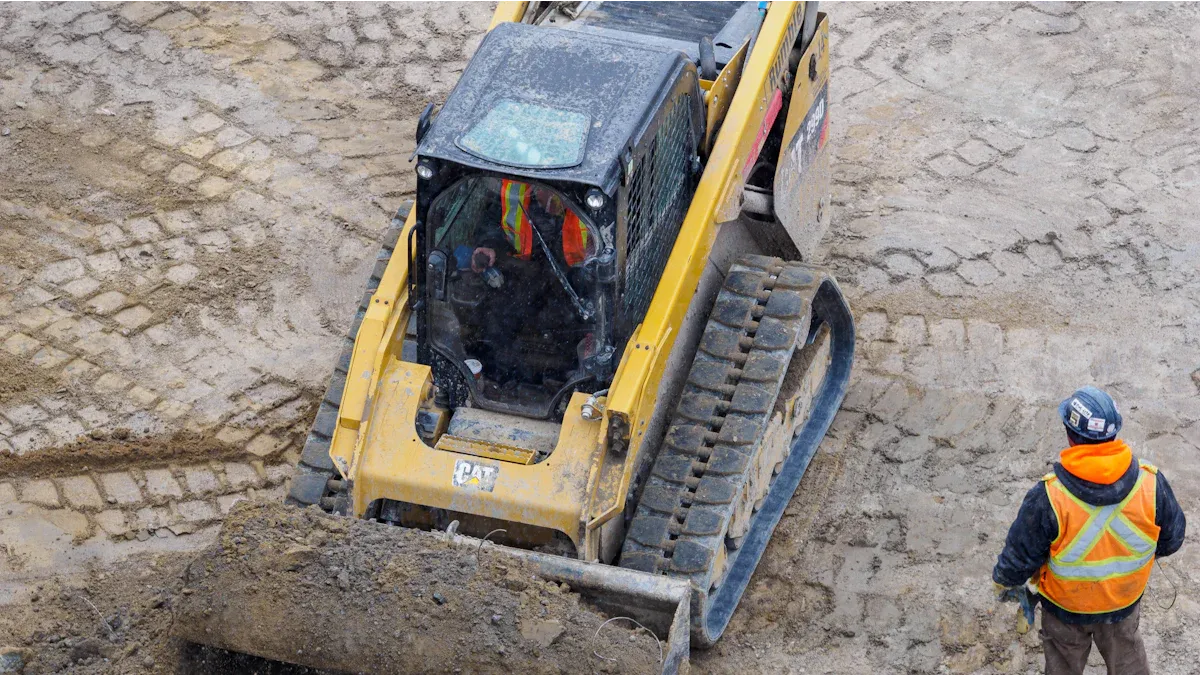
Case Studies
Several industries have successfully utilized track loader rubber tracks in demanding environments. The following table highlights key applications and their benefits:
| Industry | Application Description | Benefits |
|---|---|---|
| Construction | Rubber tracks used in urban development projects for excavation and material handling. | Reduced ground pressure preserved infrastructure and minimized repair costs. |
| Agriculture | Rubber tracks on excavators for field and orchard work. | Minimized soil compaction and optimized farming operations, preserving crop health. |
| Landscaping | Excavators with rubber tracks for grading and shaping terrain. | Superior traction and stability maintained aesthetic appeal without damaging landscapes. |
| Forestry | Rubber tracks for land clearing and tree removal in dense vegetation. | Reduced ground disturbance protected forest floors, promoting ecological sustainability. |
User Testimonials
Users consistently praise the performance of track loader rubber tracks. Many operators report enhanced stability and traction in various conditions. For instance, one user noted, “These tracks perform exceptionally well in mud and snow. I can maneuver my loader without worrying about getting stuck.” Another operator shared, “The durability of these tracks has saved us money on replacements. They withstand heavy use without significant wear.”
Performance in Various Conditions
Track loader rubber tracks excel in diverse terrains. They perform well in snow, mud, and rocky surfaces. Key features include:
- Rubber tracks are versatile and suitable for all terrain types, especially where turf disturbance is a concern.
- Different track options are available, each with unique guide systems for specific applications.
- Continuous steel cords provide significant strength advantages, extending track lifespan.
The Zig-Zag tread pattern enhances traction and stability, making these tracks ideal for challenging environments. Their self-cleaning properties prevent mud and debris buildup, ensuring consistent performance.
Choosing reliable rubber tracks is essential for optimal performance in tough conditions. Operators should consider several factors when selecting tracks:
| Factor | Description |
|---|---|
| Supplier Reputation | A reliable supplier impacts the quality and longevity of the tracks. |
| Intended Use | Determine if economy tracks suffice or if premium tracks are necessary for long-term investment. |
| Budget Considerations | Weigh upfront costs against long-term benefits of higher quality tracks. |
Prioritizing durability and performance ensures that operators maximize their investment and minimize maintenance costs. High-quality materials and proper maintenance lead to significant long-term savings. Investing in superior rubber tracks can save over $10,000 in service costs within the first two years.
FAQ
What are the benefits of using rubber tracks over steel tracks?
Rubber tracks provide better traction, reduced ground pressure, and less damage to surfaces compared to steel tracks.
How often should I inspect my rubber tracks?
Inspect rubber tracks daily for wear and damage. Conduct thorough checks weekly and monthly for optimal performance.
Can I use rubber tracks on all terrains?
Yes, rubber tracks are versatile and perform well on various terrains, including mud, snow, and rocky surfaces.

Post time: Sep-12-2025