

Rubber excavator tracks play a vital role in boosting excavator performance. They provide excellent traction and stability, making operations smoother and safer. Compared to steel tracks, rubber tracks improve fuel efficiency by 12% and lower maintenance costs. Their ability to reduce ground pressure also helps save money on operational expenses while protecting the environment.
Key Takeaways
- Rubber tracks help excavators work better by improving grip and balance, especially on soft or bumpy ground.
- Buying good rubber tracks can save fuel and lower repair costs, making them a smart choice for builders.
- Taking care of rubber tracks, like checking tightness and looking for damage, helps them last longer and work well.
Benefits of Rubber Excavator Tracks
Durability and Longevity
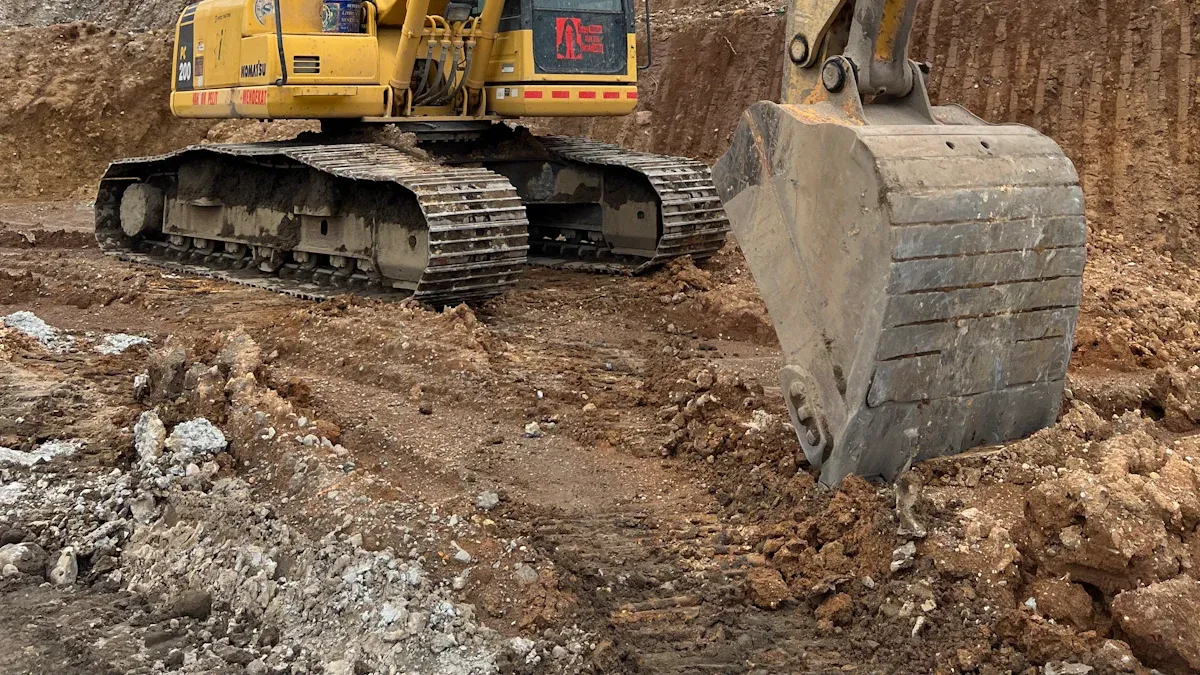
Rubber digger tracks are built to last. Thanks to advancements in material science, modern rubber tracks resist common issues like tears and abrasive wear. Research shows that high-performance tracks can extend their lifespan significantly. For example:
- Average track life has increased from 500 to over 1,200 hours.
- Annual replacement frequency has dropped from 2-3 times per machine to just once a year.
- Emergency repair calls have decreased by 85%, saving both time and money.
These improvements mean fewer replacements and lower maintenance costs, making rubber tracks a smart investment for construction professionals. Their durability ensures that excavators stay operational longer, reducing downtime and boosting productivity.
Versatility Across Terrains
Rubber tracks excel in adapting to various terrains, making them indispensable for construction projects in diverse environments. Whether it’s soft soil, rocky ground, or uneven surfaces, these tracks provide unmatched performance. Here’s how they adapt:
| Benefit | Description |
|---|---|
| Traction | Efficiently utilizes soil traction potential, enhancing performance on various terrains. |
| Flotation | Distributes vehicle weight over a large area, providing excellent flotation in soft soils. |
| Stability | Bridges variations in terrain profile, ensuring a smooth ride and stable platform on rough terrain. |
This versatility allows excavators to operate efficiently in challenging conditions, minimizing delays and ensuring projects stay on schedule. Rubber tracks also enable extended operational seasons, especially in wet or muddy environments, where traditional tracks might struggle.
Reduced Ground Damage and Environmental Protection
Rubber tracks are not only practical but also environmentally friendly. They distribute the weight of excavators more evenly, reducing ground pressure and minimizing soil compaction. Studies have shown that rubber tracks can lower rut depth by up to three times compared to traditional tracks. This reduced ground damage helps maintain soil health, which is especially important for projects in agricultural or environmentally sensitive areas.
Additionally, their ability to reduce rutting and soil disturbance makes them ideal for urban construction, where preserving the surrounding environment is crucial. With urban populations expected to reach 5 billion by 2030, the demand for sustainable construction solutions like rubber tracks will only grow. By choosing rubber tracks, construction professionals can meet project goals while protecting the environment.
How Rubber Tracks Improve Excavator Efficiency
Enhanced Traction and Stability
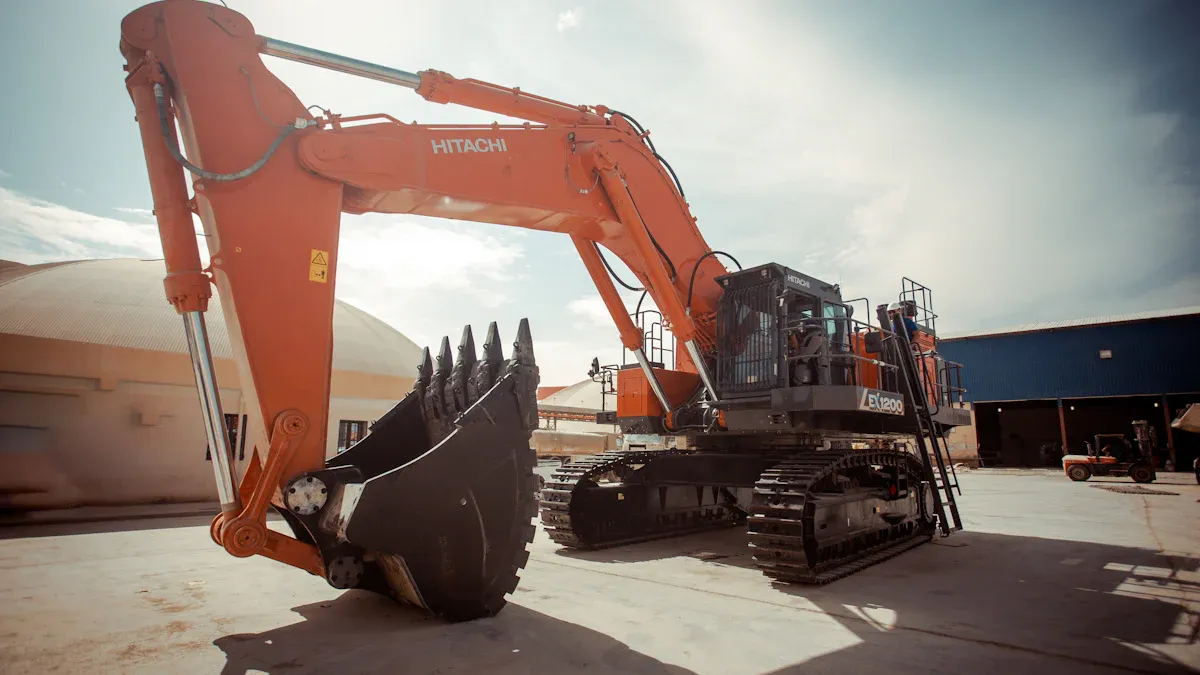
Rubber tracks significantly improve traction and stability, making excavators more efficient across various terrains. Their design increases flotation and reduces ground pressure, which helps machines maintain grip even on soft or uneven surfaces. This feature minimizes terrain damage and ensures smoother operations.
- Tracked machines have a larger footprint compared to wheeled ones, allowing them to perform better on slopes and in challenging conditions.
- Rubber tracks enhance traction in muddy or uneven terrains, which is especially useful during time-sensitive tasks like harvesting.
- They also provide higher tipping capacity and rated operating capacities (ROC), boosting overall performance.
These benefits make rubber tracks an ideal choice for construction professionals who need reliable performance in diverse environments. Whether working on steep slopes or soft ground, excavator tracks equipped with rubber provide the stability needed to get the job done efficiently.
Fuel Savings and Noise Reduction
Rubber tracks not only improve performance but also contribute to fuel efficiency and a quieter work environment. Advanced tread designs reduce slippage, saving both fuel and time during operations. Enhanced stability allows operators to work at higher speeds safely, improving cycle times and reducing overall fuel consumption.
Modern rubber track designs also incorporate noise-reduction technology. This creates a quieter operating environment, which improves communication among crew members and reduces operator stress. Additionally, reduced vibration from excavator tracks helps operators stay productive during long shifts. These features make rubber tracks a cost-effective and operator-friendly solution for construction projects.
Reduced Wear and Tear on Equipment
Rubber tracks protect excavators from excessive wear and tear, extending the lifespan of both the tracks and the machinery. Properly installed track guards ensure that tracks run straight and stay aligned, reducing wear on components like rollers, flanges, and chains. This alignment can add up to 1,500 extra hours of use to these parts, cutting down on downtime and replacement costs.
High-grade rubber compounds used in modern tracks offer durability and resistance to abrasion, heat, and chemicals. These features allow the tracks to withstand demanding environments while maintaining flexibility. By minimizing debris buildup and reducing friction, rubber tracks prevent premature aging of equipment and improve fuel economy.
For construction professionals, investing in durable rubber tracks means fewer repairs, lower maintenance costs, and longer-lasting equipment. This makes them a practical choice for maximizing efficiency and reducing operational expenses.
Selecting and Maintaining Rubber Excavator Tracks
Choosing the Right Tracks for Your Needs
Selecting the right rubber tracks can make a big difference in performance and efficiency. Construction professionals should consider several factors to ensure they choose tracks that match their needs:
- Track Width: Wider tracks provide better stability on soft ground, while narrower ones are ideal for tight spaces.
- Rubber Quality: High-quality rubber tracks resists wear and tear, extending the lifespan of the tracks.
- Compatibility: Tracks must fit the specific excavator model to ensure proper function.
Case studies show that choosing the right tracks can improve productivity and reduce maintenance costs. For example, a contractor working on rocky terrain opted for reinforced rubber tracks, which lasted 30% longer than standard ones. This decision saved time and money, proving the importance of careful selection.
Replacing Tracks in Pairs for Safety and Efficiency
Replacing rubber tracks in pairs is a smart practice that enhances safety and efficiency. Here’s why:
- Balance and Symmetry: Ensures even load distribution, reducing the risk of tipping.
- Uniform Wear: Prevents uneven traction, which can damage components.
- Optimal Performance: Maintains stability and mobility, especially on challenging terrains.
- Long-term Savings: Reduces repair costs and extends the life of the machine.
- Safety Risks: Unevenly worn tracks can lead to accidents or equipment failure.
By replacing tracks in pairs, operators can avoid these issues and keep their machines running smoothly.
Regular Maintenance and Inspection Practices
Proper maintenance keeps rubber tracks in top condition and extends their lifespan. Follow these steps to ensure optimal performance:
- Check Track Tension: Measure the distance between the roller and the rubber belt. Keep it between 10-15 mm for normal tension.
- Adjust Tension: Use the greasing valve to tighten or loosen the track. Avoid over-loosening to prevent slippage.
- Inspect for Damage: Look for cracks, steel rope breakage, or worn metal cores.
- Clear Debris: Remove dirt and rocks from undercarriage components to prevent premature wear.
| Maintenance Step | Description |
|---|---|
| Check Track Tension | Measure the gap between the roller and the rubber belt (10-15 mm is ideal). |
| Loosen/Tighten Track | Adjust tension using the greasing valve; avoid over-loosening. |
| Inspect for Damage | Look for cracks, steel rope breakage, and worn metal cores. |
Regular inspections and proper care ensure that digger tracks perform efficiently, saving time and money in the long run.
Rubber tracks play a crucial role in enhancing excavator efficiency. They offer unmatched durability, versatility, and cost-effectiveness, making them a top choice for construction professionals. Their ability to adapt to various terrains, reduce ground damage, and lower operational costs ensures long-term benefits.
Choosing high-quality rubber tracks and maintaining them properly can significantly extend their lifespan and improve performance.
Here’s a quick overview of their key benefits:
| Benefit | Description |
|---|---|
| Enhanced Durability | Rubber tracks are designed to withstand tough terrains, providing excellent traction and stability. |
| Versatility | Suitable for various machinery, rubber tracks are effective in multiple applications like landscaping and demolition. |
| Reduced Ground Damage | Unlike steel tracks, rubber tracks minimize surface damage, making them ideal for sensitive areas. |
| Cost-Effectiveness | Their durability leads to fewer replacements and repairs, reducing overall operational costs. |
Investing in premium rubber tracks is a smart decision for professionals looking to optimize their equipment and achieve better results.
FAQ
What are the signs that rubber tracks need replacement?
Look for cracks, exposed steel cords, or uneven wear. If the tracks frequently slip or lose tension, it’s time to replace them.
Can rubber tracks be used in snowy conditions?
Yes! Rubber tracks provide excellent traction on snow and ice. Their design minimizes slippage, making them ideal for winter construction projects.
How often should rubber tracks be inspected?
Inspect them weekly. Check for damage, tension, and debris buildup. Regular inspections ensure better performance and extend the tracks’ lifespan.
Tip: Always clean tracks after use to prevent premature wear and tear.
Post time: Apr-30-2025