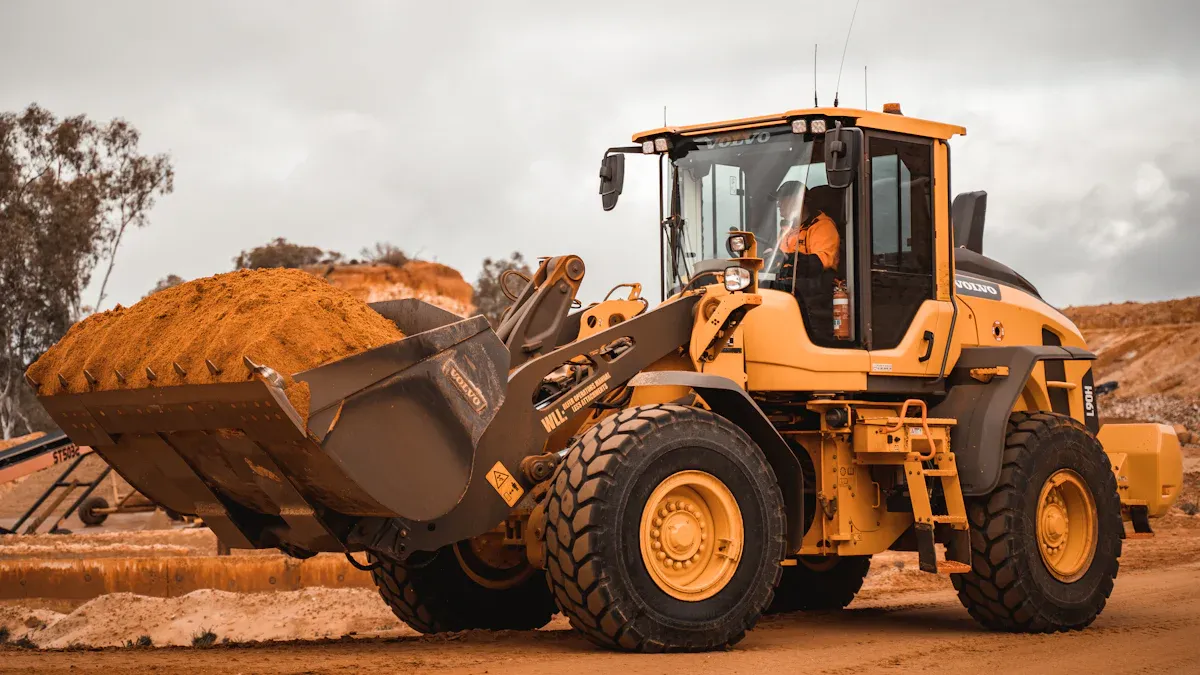
Skid loader tracks play a crucial role in enhancing performance and operational efficiency. Choosing between tracks and wheels can greatly influence a skid loader’s capabilities. Regular maintenance of these tracks is vital for ensuring safety and extending their lifespan.
Key Takeaways
- Skid loader tracks provide better traction and stability than wheels, especially on soft or uneven terrain.
- Regular maintenance, including inspections and cleaning, is crucial for extending the lifespan of skid loader tracks and ensuring safety.
- Proper load distribution and tensioning of tracks enhance performance and reduce the risk of accidents during operation.
Benefits of Skid Loader Tracks Over Wheels
Enhanced Traction
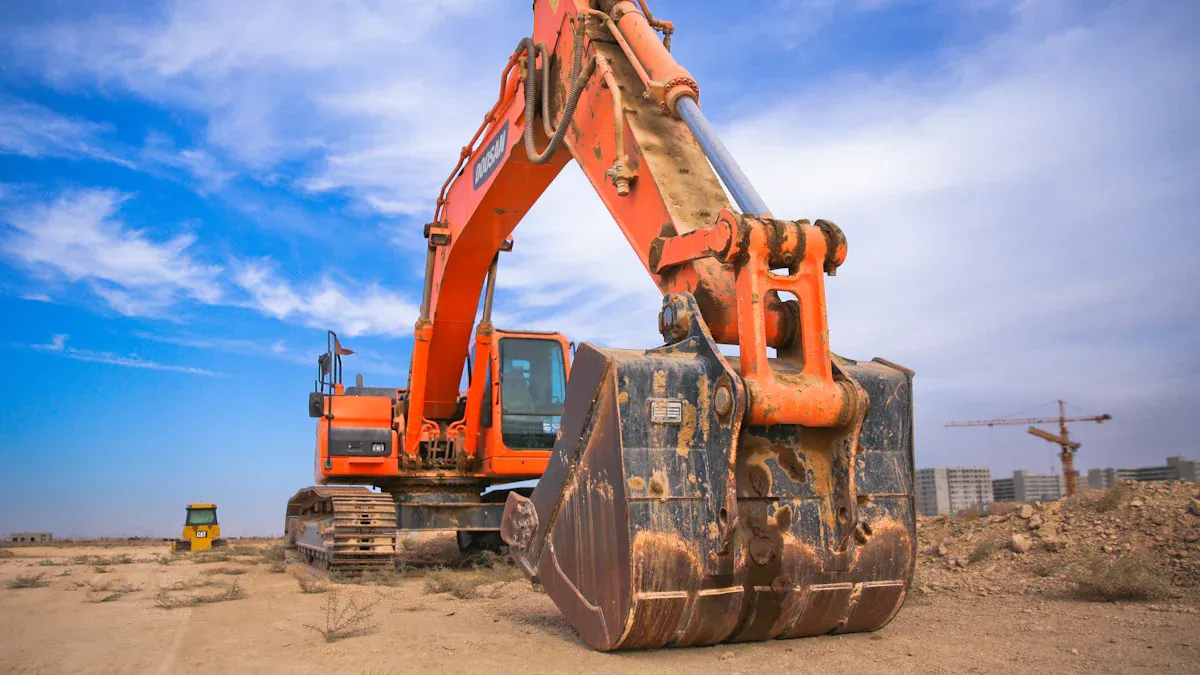
Skid loader tracks provide superior traction compared to wheels. Their larger surface area allows for a stronger grip on soft terrain and uneven surfaces. This feature is particularly beneficial in challenging conditions such as mud, snow, and rocky ground. Here are some key advantages of tracks:
- Tracks prevent slipping and sinking, enhancing productivity in difficult environments.
- They maintain stability on hills and slopes, which is crucial for safety and efficiency.
- The broader weight distribution of tracks minimizes the risk of getting stuck in wet or muddy conditions.
Stability on Uneven Terrain
Stability is another significant advantage of skid loader tracks. The design of tracks allows for a larger contact area with the ground, which enhances balance and reduces the risk of tipping. This stability is essential when operating on uneven or sloped surfaces. Consider the following benefits:
- Tracks improve overall safety by minimizing the chances of rollover.
- They provide better steering control, allowing operators to navigate challenging environments with ease.
- The enhanced stability leads to increased operator comfort, which can improve overall job efficiency.
Reduced Ground Pressure
One of the most critical benefits of skid loader tracks is their ability to reduce ground pressure. This feature is vital for operating in sensitive environments, such as wetlands or agricultural lands. Here’s how tracks achieve this:
- Tracks distribute the weight of the skid loader more evenly across a larger area, which prevents sinking into soft surfaces.
- This reduced ground pressure minimizes soil compaction, making tracks ideal for landscaping and construction projects.
- In muddy terrains, tracks allow the machine to glide over the surface rather than digging in, enhancing performance and reducing environmental impact.
Impact of Skid Loader Track Maintenance
Maintaining skid loader tracks is essential for ensuring optimal performance and longevity. Regular maintenance not only enhances safety but also reduces operational costs. Here are the key aspects of track maintenance that every operator should prioritize.
Regular Inspections
Conducting regular inspections of skid loader tracks is crucial for identifying potential issues before they escalate. Equipment manufacturers recommend specific inspection intervals to maintain optimal performance. The following table outlines these intervals:
| Inspection Interval | Description |
|---|---|
| Daily | Check track tension and ensure it operates within the specified range. |
| Every 20 hours | Conduct an early inspection due to potential wear on new tracks. |
| Every 50 hours | Perform a detailed inspection to maintain optimal performance, typically once a month. |
Regular inspections help catch potential issues early. They allow operators to address minor problems before they lead to costly repairs. Daily examinations for cuts or tears, along with checking track tension, can prevent premature wear. By prioritizing inspections, operators can lower maintenance costs and prolong the life of their equipment.
Cleaning and Debris Removal
Cleaning skid loader tracks is vital for maintaining their performance. Debris such as mud, gravel, and chemicals can accumulate and negatively impact track functionality. Here are some common types of debris that affect performance:
- Mud: Traps debris and sharp objects that can damage the tracks.
- Gravel: Small stones that can get lodged in the track system, causing wear.
- Chemicals: Corrosive substances like salt and oil that can degrade the rubber.
Regular debris removal is essential to prevent overheating of the engine and hydraulic components. Accumulated debris can obstruct airflow, leading to increased temperatures that negatively affect track performance. Proactive maintenance, including frequent cleaning, is necessary to extend the lifespan of the tracks.
Proper Tensioning
Proper tensioning of skid steer ruubber tracks is critical for safety and performance. Incorrect tension can lead to various issues, including reduced traction and excessive wear. Follow these steps for proper tensioning:
- Ensure the equipment is off and the parking brake is engaged. Wear protective gloves and goggles.
- Refer to the operator’s manual for tension specifications, ensuring there is some sag but not excessive.
- Locate the grease fitting in the undercarriage to adjust the tension.
- Use a grease gun to add grease for increasing tension or a wrench to release grease to relieve tension.
- Measure the gap between the top of the track and the bottom of the middle roller to match the manual’s specifications.
- Operate the equipment briefly and inspect again to confirm adjustments.
Improper tensioning can lead to tracks that are too loose or too tight. Loose tracks can reduce traction and cause abnormal wear on undercarriage components. Conversely, tight tracks can stress the machine, leading to premature breakdowns. Regular inspections and maintenance ensure optimal track tension, enhancing operational efficiency and safety.
Skid Loader Tracks in Various Terrains
Performance on Soft Ground
Skid loader tracks excel on soft ground, providing better traction and stability than wheels. Their wider footprint enhances mobility and efficiency, especially when lifting heavy loads or navigating slopes. Here are some key benefits:
- Tracks distribute weight evenly, resulting in lower ground pressure.
- They prevent sinking into soft surfaces, allowing operators to work efficiently.
- Tracked skid steers perform well in rough terrains like construction sites with loose soil and mud.
To mitigate challenges on soft ground, operators should evaluate the area before working. Understanding the machine’s limitations helps avoid overexertion. Using the right attachments, such as TrackClaws, can significantly enhance traction.
Handling Rocky Surfaces
When it comes to rocky surfaces, skid loader tracks outperform wheels in terms of durability and traction. C-pattern tracks provide reliable performance across diverse terrains, including loose gravel and thick mud. Here’s how they handle rocky conditions:
- Tracks dig into the terrain, offering better grip on uneven surfaces.
- Operators should avoid driving on sharp rocks to prevent abrasions.
- Regular cleaning and proper tensioning extend the life of the tracks.
Operators must be cautious of the terrain to minimize wear and tear. Making gradual turns instead of sharp ones can also reduce side wear on the tracks.
Efficiency in Snow and Mud
In snowy and muddy conditions, skid loader tracks maintain superior efficiency compared to wheels. They offer excellent traction and flotation, which is crucial for navigating slippery surfaces. Here are some considerations:
- Snow-specific tracks enhance performance in winter environments.
- Rubber tracks designed for winter use prevent getting stuck in snow and mud.
- Accessories like snow pushers and salt spreaders improve functionality during winter operations.
Operators should choose the right tread patterns to enhance traction in snowy conditions. This ensures that skid loader tracks perform optimally, even in challenging weather.
Safety Considerations for Skid Loader Tracks
Preventing Slips and Falls
Safety is paramount when operating skid loaders. Tracks significantly reduce the risk of slips and falls. Their design provides better traction on slippery surfaces, such as mud or snow. Operators can navigate challenging terrains with confidence. Here are some key points to consider:
- Tracks enhance grip, preventing the machine from sliding.
- Operators should always inspect tracks for wear and debris that could compromise safety.
- Regular maintenance ensures optimal performance, reducing the likelihood of accidents.
Load Distribution
Proper load distribution is essential for safe operation. Wider skid loader tracks distribute the machine’s weight over a larger area. This reduces ground pressure and minimizes ground disturbance. Here are some benefits of effective load distribution:
- Wider tracks prevent sinking into soft surfaces, enhancing stability.
- They improve flotation, making it easier to work on sensitive soils.
- Proper load distribution is crucial during landscaping or turf applications, ensuring safety and efficiency.
Operator Visibility
Good visibility is vital for safe operation. Skid loader tracks enhance maneuverability in tight spaces, allowing operators to see their surroundings better. Here are some advancements that improve visibility:
- Externally mounted cameras provide clear rearward visibility, helping operators avoid obstacles.
- New models have improved visibility by up to 20%, offering a clearer view of the job site.
- Designs like JCB’s single-arm boom enhance side visibility by 60%, promoting safer operations.
By prioritizing safety considerations, operators can maximize the effectiveness of skid loader tracks while ensuring a secure working environment.
Choosing the right skid loader tracks is essential for achieving optimal performance. Operators must prioritize regular maintenance to ensure safety and efficiency. By understanding the significance of tracks, they can make informed operational decisions that enhance productivity and reduce costs.
FAQ
What are the main advantages of using skid loader tracks?
Skid loader tracks offer better traction, stability, and reduced ground pressure compared to wheels, making them ideal for challenging terrains.
How often should I inspect my skid loader tracks?
Operators should conduct daily inspections and detailed checks every 50 hours to ensure optimal performance and safety.
Can I use skid loaders on soft ground?
Yes, skid loaders with tracks excel on soft ground, preventing sinking and enhancing mobility in muddy or uneven conditions.

Post time: Sep-15-2025