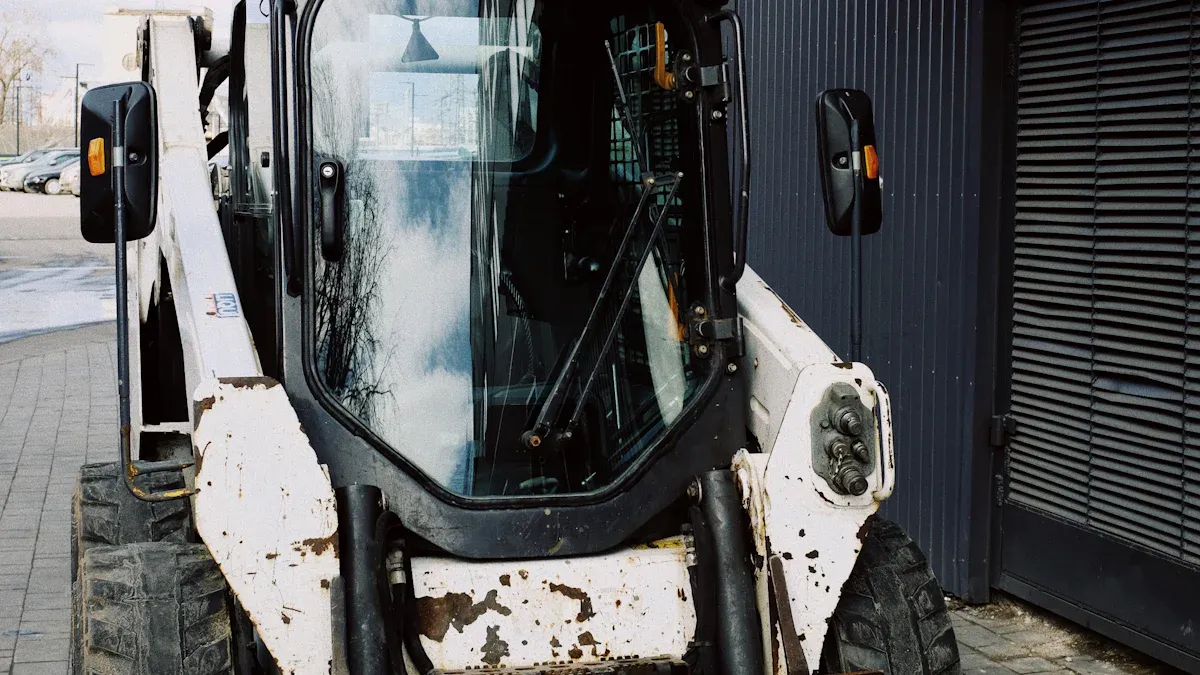
Selecting the right skid steer loader tracks is crucial for achieving optimal performance. Quality tracks enhance stability, lower ground pressure, and improve overall efficiency. Specific features directly impact operations, especially in construction and agriculture. For instance, advanced hydraulic systems can significantly boost productivity, making the right choice essential for success.
Key Takeaways
- Choose the right track material for your skid steer loader. Rubber tracks are great for soft surfaces, while steel tracks excel in heavy-duty conditions.
- Select the appropriate tread design based on your work environment. Deeper treads improve traction in wet or muddy conditions, while smoother treads are better for landscaping.
- Regular maintenance is key to extending the life of your tracks. Clean them after use, inspect for damage, and lubricate components to ensure optimal performance.
Track Material
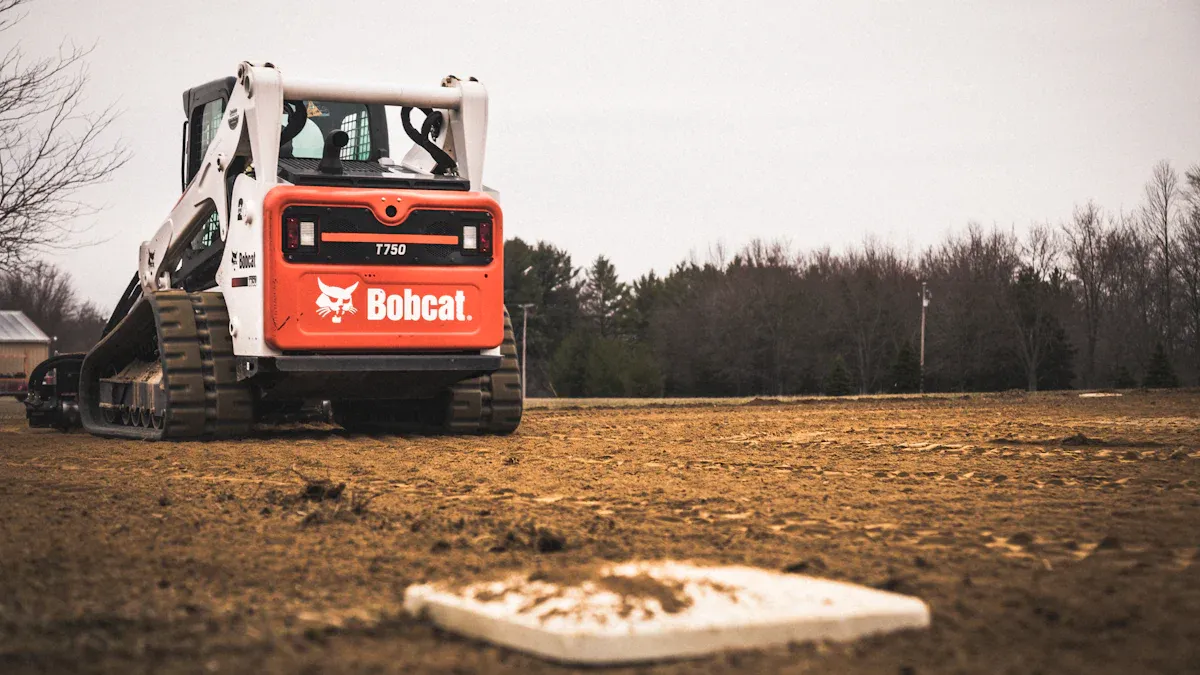
When selecting skid steer loader tracks, the material plays a pivotal role in performance and longevity. Different materials offer unique benefits, impacting how well the tracks withstand various conditions.
Types of Materials
Skid steer loader tracks are primarily made from two types of materials: rubber and steel. Each material has its advantages and applications.
- Rubber Tracks:
- High-quality rubber compounds enhance durability and wear resistance.
- Synthetic rubber types, such as EPDM and SBR, provide excellent wear and weather resistance.
- A blend of natural and synthetic rubber offers a balance of flexibility and strength.
- Steel Tracks:
- Steel tracks are known for their robustness and longevity.
- They typically last longer than rubber tracks, with lifespans ranging from 2,500 to 4,000 operating hours.
- The use of microalloyed steel, like Nb-V, can optimize performance in demanding environments.
Impact on Durability
The choice of material significantly influences the durability of skid steer loader tracks. High abrasion resistance is crucial for tracks operating on tough surfaces like pavement and gravel. Tracks made from high-quality rubber can withstand heat from friction and sunlight exposure, preventing degradation.
- Rubber tracks generally last between 1,200 to 1,600 operating hours, making them suitable for lighter applications.
- Steel tracks, with their superior tensile strength and resistance to wear, are ideal for heavy-duty conditions. They exhibit higher tensile ductility and fatigue crack growth resistance compared to conventional steel.
Tread Design

The tread design of skid steer loader tracks plays a vital role in determining their performance. Different tread patterns cater to specific applications and conditions, influencing traction, stability, and overall efficiency.
Types of Tread Patterns
Manufacturers categorize tread patterns based on their design and intended use. Here’s a breakdown of common tread patterns found on skid steer loader tracks:
| Tread Pattern Type | Description | Ideal Use Cases |
|---|---|---|
| C-Pattern | Classic design offering smooth ride and ample traction for general applications. | General applications, OEM specifications. |
| Terrapin Pattern | Multi-purpose design providing comfort, traction, and minimal ground disturbance. | Uneven or wet surfaces, turf-friendly. |
| Technology Design Formulation (TDF) | Designed for heavy workloads, outperforming OEM tracks with a longer lifespan. | Heavy-duty applications. |
| Zigzag Pattern | Best for wet applications, maintaining traction in slippery terrain. | Mud, clay, or snow. |
| Turf Pattern | Smooth tread designed for landscaping, offering lower ground pressure. | Sensitive environments like golf courses. |
| Multi Bar | Features multiple bars for good traction on soft surfaces and a smooth ride on paved surfaces. | Mud or snow. |
| T Tread | T-shaped lugs ideal for loose surfaces, preventing clogging with debris. | Sand or gravel. |
| Block Tread | Smaller blocks for excellent traction on hard surfaces, reducing vibration. | Concrete or asphalt. |
| C Tread | Curved blocks providing traction and stability on hard surfaces. | Concrete or asphalt. |
Each pattern serves a unique purpose, allowing operators to select the best option for their specific needs.
Influence on Traction
The tread design directly impacts traction, especially in challenging conditions. For instance, tread patterns with deeper voids and biting edges excel in wet or muddy environments. They channel water away, reducing the risk of hydroplaning and enhancing grip.
- Wet Conditions: Tread designs that maximize water evacuation help maintain traction. Increased tread depth and larger grooves allow for better performance on slippery surfaces.
- Snow and Ice Conditions: Treads designed with biting edges and deeper patterns provide superior grip. These features help the tracks dig into the snow, preventing slippage and ensuring stability.
Choosing the right tread pattern not only enhances traction but also contributes to fuel efficiency. A well-designed tread minimizes spinning and maximizes contact with the surface, leading to reduced wear and better fuel consumption.
Track Width and Length
The width and length of skid steer loader tracks significantly influence their performance. These dimensions affect stability and maneuverability, especially in challenging terrains.
Effects on Stability
Wider tracks distribute weight more evenly, enhancing stability on uneven ground. Here are some key benefits of wider tracks:
- They help the machine float above soft surfaces, preventing sinking.
- Increased ground contact lowers the center of gravity, improving stability on slopes.
- Rubber tracks provide better grip on soft or uneven ground, maintaining steadiness during lifting or turning.
Narrower tracks, while beneficial for traction, may compromise stability. They concentrate weight, which can lead to tipping on steep inclines. Therefore, operators should consider the specific application when choosing track width.
Performance in Different Terrains
Track length also plays a crucial role in performance across various terrains. Longer tracks reduce ground pressure, which is essential in sensitive areas like wetlands. Here’s how track length impacts performance:
- Longer tracks distribute weight over a larger area, minimizing ground disturbance.
- They enhance flotation on soft ground, making them ideal for landscaping or turf applications.
- In contrast, shorter tracks may provide better maneuverability in confined spaces, allowing for tighter turns.
Operators should choose track dimensions based on the terrain and tasks at hand. Wider tracks excel in soft conditions, while narrower tracks may be preferable when push force is critical. Understanding these factors ensures optimal performance and efficiency in any job.
Maintenance Requirements
Regular maintenance is essential for maximizing the performance and lifespan of skid steer loader tracks. Operators should adopt specific practices to ensure their equipment remains in optimal condition.
Regular Maintenance Practices
Implementing routine maintenance can significantly extend the service life of skid steer loader tracks. Here are some key practices to follow:
- Clean Tracks After Each Use: Remove debris to prevent premature wear and damage.
- Inspect for Damage: Regularly check for cuts, tears, and excessive wear.
- Lubricate Rollers and Idlers: This minimizes friction and wear, ensuring smooth operation.
- Adjust Track Tension: Proper tension prevents slippage and damage.
| Maintenance Practice | Impact on Track Life |
|---|---|
| Routine tension checks | Adds hundreds of hours to usable life |
| Regular inspections every 50 hours | Catches early signs of damage |
| Cleaning after use | Prevents premature wear and damage |
| Lubrication of rollers and idlers | Minimizes friction and wear |
Regular maintenance intervals, such as daily and weekly services, help operators identify potential issues early. Daily checks include inspecting tires, brakes, and fluid levels, while weekly services involve more detailed inspections. These practices ensure that skid steer loaders operate under optimal conditions.
Long-term Performance Benefits
Investing time in regular maintenance yields significant long-term benefits. Consistent upkeep reduces wear and tear, minimizing the risk of costly repairs. Operators can expect:
- Extended Operational Life: Regular maintenance helps equipment last longer.
- Increased Productivity: Well-maintained tracks ensure maximum efficiency.
- Cost Savings: Preventive maintenance avoids unplanned repair costs, leading to lower total ownership expenses.
By adhering to maintenance schedules, operators can prevent performance degradation and unexpected breakdowns. This proactive approach ensures that skid steer loader tracks remain reliable and efficient throughout their service life.
Compatibility with Skid Steer Models
Choosing the right skid steer loader tracks involves more than just selecting a quality product. Proper fit is essential for optimal performance and safety. When tracks do not fit correctly, they can lead to various operational issues.
Importance of Proper Fit
A proper fit ensures that the tracks function effectively with the skid steer loader. When tracks fit well, they enhance traction and stability. Conversely, improper fit can cause significant problems. Here are some common issues that arise from incorrect track fitment:
| Issue | Description |
|---|---|
| Loss of Traction | A noticeable reduction in grip and control, particularly during turns or on inclines. |
| Unusual Noises | Squeaking, grinding, or popping noises indicating incorrect fitment or excessive wear. |
| Frequent Adjustments | Needing to frequently adjust track tension suggests tracks are stretching and nearing end of life. |
| Excessive Vibration | Increased vibration or rough ride indicates uneven wear or damage affecting stability. |
| Misalignment | Misaligned tracks can lead to wear in undercarriage components, affecting overall performance. |
Performance Variations Across Models
Different skid steer models may have unique specifications that affect how tracks perform. Variations in weight, power, and design can influence the effectiveness of the tracks. Operators should consider these factors when selecting tracks for their machines.
For instance, heavier models may require more robust tracks to handle increased stress. Lighter models might benefit from narrower tracks that enhance maneuverability. Understanding these differences allows operators to make informed decisions, ensuring that their skid steer loader tracks deliver the best performance possible.
By prioritizing compatibility, operators can maximize efficiency and safety on the job site. Properly fitted tracks not only improve performance but also extend the lifespan of the equipment.
Selecting the right skid steer loader tracks involves considering several key features. Operators should focus on track material, tread design, and maintenance practices. High-grade rubber compounds enhance durability, while proper tread patterns improve traction. Regular maintenance prevents wear and extends track life. These factors significantly influence overall performance and efficiency, ensuring reliable operation in various conditions.
FAQ
What are the benefits of using rubber tracks over steel tracks?
Rubber tracks offer better traction on soft surfaces, lower ground pressure, and reduced noise levels, making them ideal for landscaping and sensitive environments.
How often should I perform maintenance on my skid steer loader tracks?
Operators should inspect tracks every 50 hours and perform routine cleaning and lubrication after each use to maximize performance and lifespan.
Can I use the same tracks for different skid steer models?
No, each skid steer model has specific track requirements. Proper fit ensures optimal performance and safety, so always choose tracks designed for your specific model.

Post time: Sep-22-2025