
Choosing the right mining dumper tracks can make or break a project. Factors like site conditions and material types play crucial roles in this decision. A wise selection boosts efficiency and enhances safety, allowing projects to run smoothly without a hitch.
Key Takeaways
- Assess site conditions before choosing dumper tracks. Different terrains affect performance, so select tracks that provide stability and maneuverability.
- Understand the materials you will transport. Different materials have unique weight and handling needs, which influence the type of tracks required.
- Evaluate the total cost of ownership. Consider initial costs, maintenance, and fuel efficiency to make a financially sound decision.
Assessing Project Needs
Site Conditions
When selecting mining dumper tracks, understanding site conditions is crucial. Different terrains can significantly impact the performance of these tracks. For instance, rocky or muddy environments present unique challenges. Here’s how various terrains influence dumper track performance:
- Rocky Terrain: In mining operations, tracks must navigate uneven surfaces. Larger trucks often struggle to access these areas. Mining dumper tracks excel here, providing stability and maneuverability.
- Muddy Ground: In agricultural settings, tracks perform well on soft ground. They prevent soil compaction, which can harm crops. Their low ground pressure allows for effective operation without damaging the land.
However, rough terrains can lead to stability issues. Dump trucks may experience unpredictable handling, increasing the risk of rollovers or getting stuck. In fact, over 30% of dump truck accidents occur due to difficulties in navigating challenging terrains. Choosing the right tracks can mitigate these risks and enhance safety on site.
Material Types
The type of materials transported also plays a vital role in selecting mining dumper tracks. Different sectors require specific capabilities. Common materials include:
- Ore
- Rock
- Soil
- Waste materials
- Overburden (worthless material covering the ore body)
Each material has its own weight and handling requirements. For example, transporting heavy ore demands tracks with higher payload capacities. Understanding the materials involved helps in choosing tracks that can handle the load efficiently.
Types of Mining Dumper Tracks
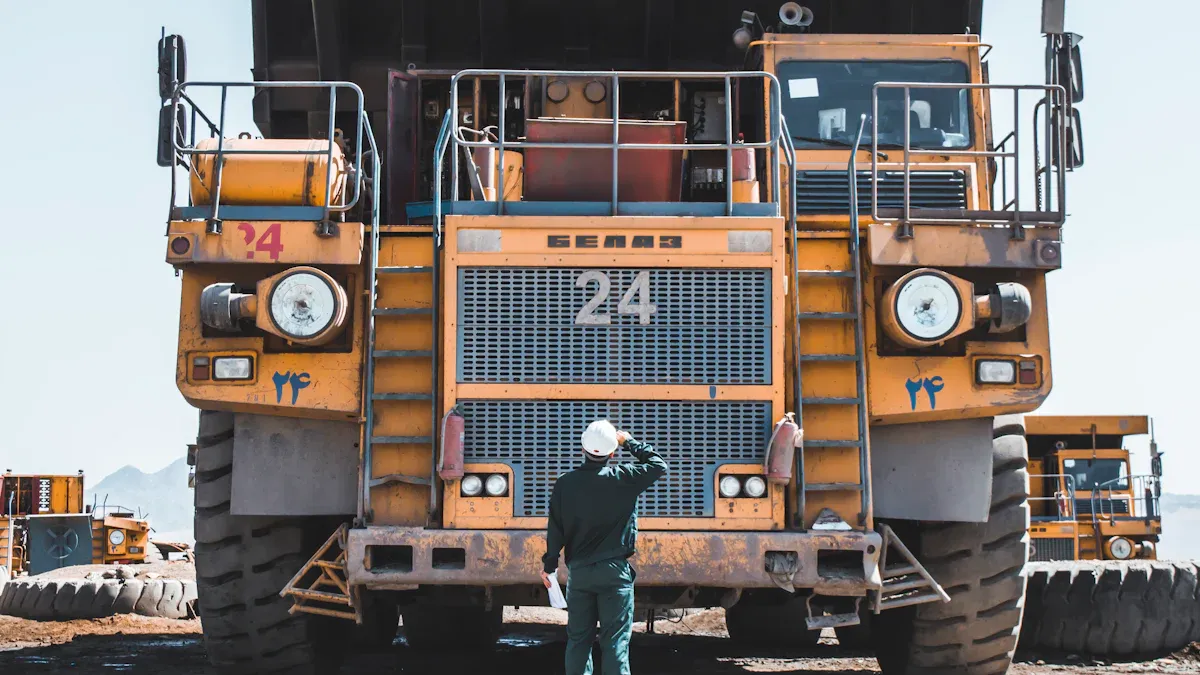
When it comes to mining dumper tracks, two main types dominate the market: electric and diesel. Each type has its own unique features, advantages, and considerations. Let’s dive into the details!
Electric Dumper Tracks
Electric dumper tracks are gaining popularity for several reasons. They offer a modern solution to traditional mining challenges. Here’s what makes them stand out:
- Instant Torque and High Acceleration: Electric dump trucks provide immediate power, allowing for quick starts and impressive speed. This feature enhances overall performance, making them ideal for fast-paced operations.
- Quiet Operation: Unlike their diesel counterparts, electric trucks operate quietly. This reduces noise pollution, creating a more pleasant working environment for operators and nearby communities.
- Regenerative Braking: Electric dumper tracks utilize regenerative braking. This technology converts kinetic energy back into electric energy, improving operational efficiency and extending battery life.
While electric dumper tracks may have higher initial costs due to advanced battery systems, they often lead to lower operating expenses over time. Electricity tends to be cheaper than diesel fuel, which can significantly reduce fuel costs. Plus, with fewer moving parts, maintenance needs decrease, resulting in lower long-term expenses.
Diesel Dumper Tracks
Diesel dumper tracks have been the backbone of mining operations for years. They are known for their robust performance and reliability. However, they come with their own set of challenges:
- High Energy Consumption: Diesel trucks account for a significant portion of energy use in mining. They can consume 30%-50% of total energy, leading to substantial greenhouse gas emissions. This environmental impact raises concerns about sustainability in mining practices.
- Maintenance Requirements: Diesel engines require regular servicing. Operators must perform frequent oil changes, filter replacements, and engine checks. This can lead to higher maintenance costs compared to electric options.
| Aspect | Diesel Mining Dumpers | Electric Mining Dumpers |
|---|---|---|
| Routine Servicing | Frequent oil changes and engine servicing required. | Minimal servicing, mainly battery checks. |
| Moving Parts | More moving parts leading to higher wear. | Fewer moving parts, reducing failure points. |
| Maintenance Costs | Higher due to fuel price fluctuations. | Lower operational costs over time. |
| Environmental Compliance | Requires checks for emissions compliance. | No emissions, simplifying maintenance. |
Performance Evaluation
When evaluating mining dumper tracks, three key factors come into play: payload capacity, durability, and safety features. Each aspect significantly impacts the overall performance and efficiency of mining operations.
Payload Capacity
Payload capacity refers to how much weight a dumper track can carry. This factor is crucial for maximizing productivity. For large-scale mining projects, the typical payload capacity ranges from 50 tons to over 400 tons. Here’s a quick look:
| Payload Capacity Range | Example Models | Applications |
|---|---|---|
| 50 tons to over 400 tons | Various models | Large-scale mining operations for hauling ore, coal, or rock |
Increasing payload capacity by just 15% can lead to fewer trips for material delivery. This reduction not only lowers operational costs but also enhances productivity. Efficient loading cycles and understanding payload metrics are vital for optimizing performance.
Durability
Durability is essential for mining dumper tracks. The materials used and engineering features contribute significantly to their longevity. For instance, cement-stabilized overburden soil enhances durability by improving strength and reducing deformation under load.
| Feature | Description |
|---|---|
| Material | Cement-stabilized overburden soil enhances durability by improving strength and reducing deformation under load. |
| Testing Method | Unconfined compression tests and triaxial tests evaluate the strength and durability of the material. |
| Findings | Increased unconfined compressive strength and reduced permanent deformations were observed with varying cement dosages. |
Safety Features
Safety features in modern mining dumper tracks are paramount. They protect operators and onsite personnel. Here are some standard safety features:
- Explosion and fire protection systems
- Rollover prevention and stability technology
- Electrical system safety
- Reinforced vehicle structure
- Visibility enhancement systems
Advanced safety technologies reduce accident rates significantly. Real-time alerts and automated responses protect lives and minimize injuries. With better situational awareness, projects can proceed smoothly, leading to higher productivity.
Cost Considerations
Initial Costs
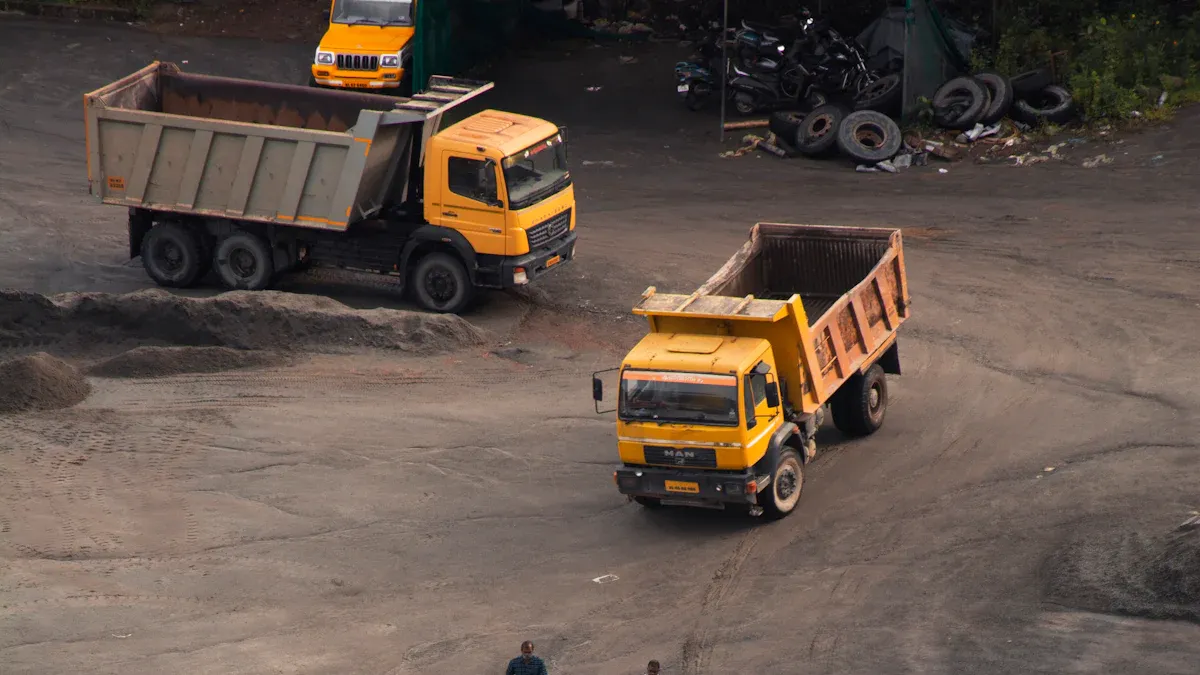
When it comes to mining dumper tracks, initial costs can vary widely. Factors like type, capacity, and power source influence the price. Here’s a quick look at some average price ranges:
| Product Name | Price Range | Capacity | Power Source |
|---|---|---|---|
| Electric Dumper | $1,600-3,000 | 325kg | Electric |
| Diesel Crawler Dumper | $3,340-3,554 | 2.5 tons | Diesel |
| Mini Self-Loading Farm Truck | $1,999-2,099 | 500kg | Diesel |
| Hydraulic Dumper | $5,199-6,799 | N/A | Diesel |
These prices can make a mining company’s wallet feel a little lighter! Companies often face a tough choice between leasing and buying. Financing options can help manage cash flow. Leasing offers lower upfront costs, while purchasing provides long-term ownership. Each choice has its perks, so companies must weigh their options carefully.
Long-term Maintenance
Regular maintenance plays a crucial role in managing the total cost of ownership for mining dumper tracks. Companies can enhance asset utilization and minimize overall life costs through structured maintenance strategies.
Tip: Preventative maintenance can extend the lifespan of equipment and reduce downtime. This approach not only saves money but also improves safety and compliance on site.
By investing in routine checks and repairs, companies can avoid costly breakdowns. Regular maintenance helps keep dumper tracks running smoothly, ensuring they remain reliable and efficient throughout their operational life. In the long run, this proactive approach can lead to significant savings and a more productive mining operation.
Supplier Selection
Choosing the right supplier for mining dumper tracks is just as important as selecting the tracks themselves. After all, a great product deserves great support!
Importance of After-sales Support
After-sales support can make or break your experience with mining dumper tracks. It’s not just about the sale; it’s about what happens afterward. Here are some key criteria to consider:
| Criteria | Description |
|---|---|
| Maintenance Subscriptions | Comprehensive plans that cover regular upkeep and repairs. |
| On-site Training Programs | Training provided at the customer’s location to ensure proper equipment use. |
| Performance Guarantees | Guarantees tied to uptime thresholds, ensuring reliability and accountability. |
These elements ensure that your dumper tracks remain in top shape. Quick access to spare parts minimizes downtime. Effective technical support enhances reliability. Timely supply of components extends equipment lifespan.
Evaluating Supplier Reputation
A supplier’s reputation speaks volumes. Customer reviews and industry certifications can guide your choice. Look for suppliers with ISO 9001 certification. This certification shows they meet international safety and quality standards.
- Prioritize manufacturers with CE certifications.
- Check for operational metrics and compliance credentials.
- High reorder rates often indicate consistent customer satisfaction.
By evaluating these factors, you can find a supplier that not only provides quality dumper tracks but also supports your operations effectively. A reliable supplier can be the difference between smooth sailing and a rocky road in your mining projects!
Final Decision-Making
Summarizing Key Points
When choosing mining dumper rubber tracks, several factors come into play. Here’s a quick recap of the most important aspects to consider:
| Factor | Description |
|---|---|
| Payload capacity | Refers to the maximum weight of materials a truck can carry, influencing transportation efficiency and productivity. |
| Engine power and torque | Impacts performance in challenging terrains; higher power aids in acceleration and climbing, while torque affects hauling capabilities. |
| Speed and acceleration | Essential for efficiency; faster trucks complete cycles quickly, optimizing logistical operations. |
| Fuel efficiency | Critical for reducing operating costs; higher efficiency means less fuel consumption per unit of work, impacting overall expenses. |
| Safety features | Include systems that protect operators and personnel, reducing accident risks and maintaining productivity. |
| Maintenance requirements | Regular maintenance ensures reliability and performance, preventing mechanical failures and optimizing operational uptime. |
Making an Informed Choice
Making an informed choice involves a systematic approach. Here are steps to guide the decision-making process:
- Load Capacity: Assess the volume and weight of materials to be transported.
- Terrain: Evaluate the driving environment and choose trucks suitable for off-road conditions.
- Fuel Efficiency: Opt for energy-efficient models to reduce long-term costs.
- Durability and Maintenance: Select trucks known for reliability and ease of maintenance.
- Regulatory Compliance: Ensure adherence to local regulations regarding emissions and weight limits.
- Assess the Task Requirements: Match truck specifications with project demands.
- Consider Future Scalability: Choose models that can adapt to future needs.
- Evaluate Total Ownership Costs: Look beyond purchase price to include long-term expenses.
- Incorporate Technological Advances: Consider trucks with modern technologies for improved efficiency.
By following these guidelines, operators can navigate the complexities of selecting mining dumper tracks. A structured approach, like using a decision matrix, can help weigh different factors systematically. This method allows for a balanced evaluation of both quantitative and qualitative aspects, leading to a choice that aligns with project goals. Remember, the right dumper tracks can enhance productivity and safety, making all the difference in mining operations!
Choosing the right mining dumper tracks can significantly impact project success. Consider payload capacity, durability, and safety features. Align selections with project needs for optimal results. A systematic approach to decision-making ensures that operators make informed choices. Remember, the right tracks lead to smoother operations and happier teams!
FAQ
What factors affect the choice of mining dumper tracks?
Site conditions, material types, payload capacity, and durability all influence the selection of mining dumper tracks. Each factor plays a crucial role in performance.
How can I ensure the longevity of my dumper tracks?
Regular maintenance and using high-quality tracks can significantly extend their lifespan. Preventative care reduces wear and tear, keeping operations smooth.
Are electric dumper tracks more cost-effective than diesel?
Electric dumper tracks often have lower long-term operating costs due to reduced fuel expenses and less frequent maintenance, making them a smart investment.

Post time: Sep-03-2025