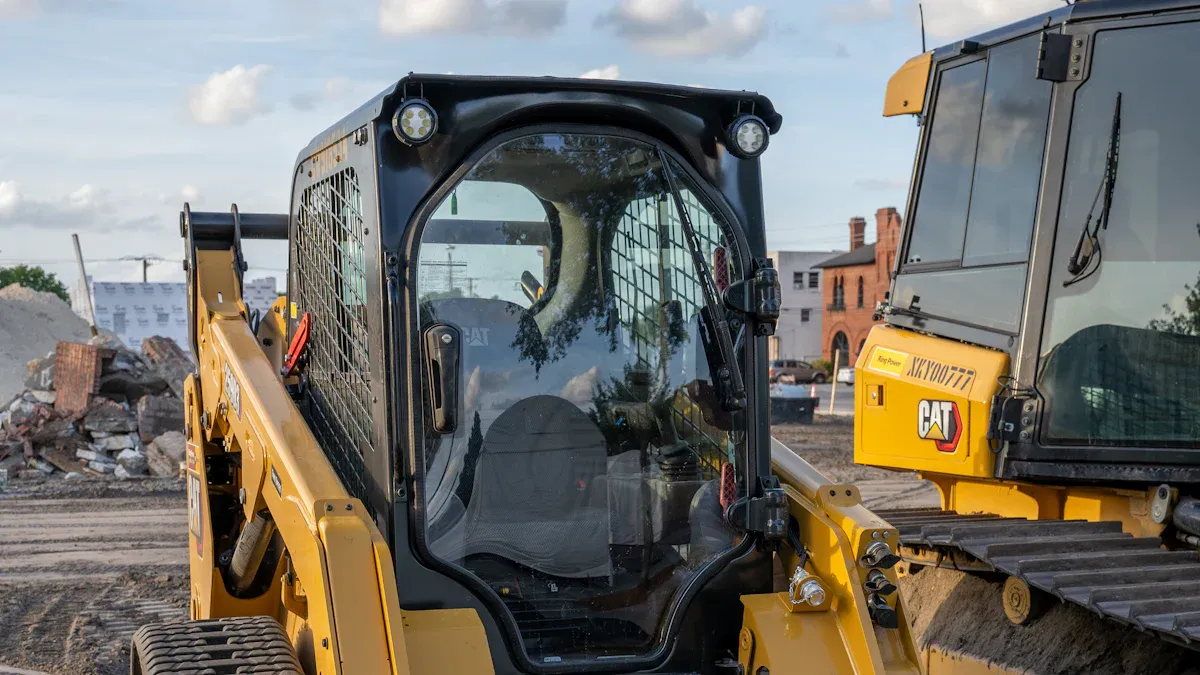
Dumper rubber tracks play a crucial role in modern construction. Their unmatched durability and adaptability ensure reliable performance across terrains like mud, gravel, and sand. With global demand for cost-effective, durable materials rising—projected to reach $4.8 billion by 2032—these tracks deliver superior traction while reducing maintenance costs, making them an indispensable tool on any site.
Key Takeaways
- Dumper rubber tracks are very strong, lasting over 5,000 km. They save time on repairs and lower work costs.
- These tracks improve grip and balance on different grounds. This makes construction work safer and faster.
- Cleaning and checking the tracks often helps them last longer. It also stops expensive fixes from being needed.
Key Benefits of Dumper Rubber Tracks
Durability and Longevity
Dumper rubber tracks are built to last, making them a reliable choice for construction projects. Their unique rubber compound enhances durability, resisting wear and tear even in harsh conditions. A 2018 study revealed that composite rubber tracks can endure over 5,000 km of use, saving up to 415 maintenance hours per vehicle. This longevity reduces the need for frequent replacements, ensuring uninterrupted operations.
The construction of these tracks also incorporates robust materials like special steel alloys and strong cable reinforcements. These components prevent premature breakage and ensure the tracks can handle heavy loads without failure.
| Component | Impact on Durability |
|---|---|
| Cables | Strength, elongation, and tensile strength are crucial; weak cables lead to breakage and failure. |
| Forgings | Proper design and material (special steel alloy) enhance wear resistance, reducing premature breakage. |
| Rubber Compound | Strong bonding between rubber and cables is essential; weak bonds can lead to track ejection and failure. |
Superior Traction and Stability
Dumper rubber track excels in providing superior traction, especially on loose or uneven surfaces. Their tread design features deeper grooves and wider spacing, which enhance grip and prevent mud or debris from clogging. This ensures consistent performance, even in slippery conditions.
- Advanced tracks improve grip on challenging terrains, boosting operational efficiency.
- Tracked machines offer increased flotation and decreased ground pressure, reducing terrain damage.
- Rubber tracks outperform traditional tracks in soft or wet conditions, enhancing stability and minimizing tipping risks.
These features make dumper rubber tracks ideal for navigating construction sites, farmland, and landscaping projects. Their ability to maintain stability under heavy loads ensures safety and efficiency during operations.
Reduced Ground Pressure and Soil Protection
One of the standout benefits of dumper rubber tracks is their ability to reduce ground pressure. By distributing the machine’s weight more evenly, these tracks minimize soil compaction and protect the integrity of the ground. This is particularly important in environmentally sensitive areas where preserving the terrain is crucial.
- Tracks significantly lower ground pressure, reducing the risk of sinking in unstable soil.
- They prevent ecological damage by evenly spreading the load across a wider surface.
- Their design helps maintain soil health, making them suitable for agricultural and landscaping applications.
This feature not only protects the environment but also ensures smoother operations on soft or muddy surfaces.
Versatility Across Applications
Dumper rubber tracks are incredibly versatile, adapting to a wide range of construction and agricultural tasks. Their compatibility with various dump truck models makes them a practical choice for professionals. Whether it’s a muddy construction site or a rocky farmland, these tracks deliver reliable performance.
- Enhanced traction ensures effective grip on diverse surfaces.
- Improved stability minimizes tipping risks during heavy-duty operations.
- Increased load capacity allows for transporting larger volumes of material.
- Adaptability to different terrains and weather conditions ensures year-round usability.
Our company’s dumper rubber tracks come in various sizes and configurations, including the popular 750 mm width, 150 mm pitch, and 66 links. This flexibility ensures seamless integration with different equipment, making them a go-to solution for construction and landscaping professionals.
How Dumper Rubber Tracks Enhance Construction Efficiency
Improved Maneuverability on Challenging Terrains
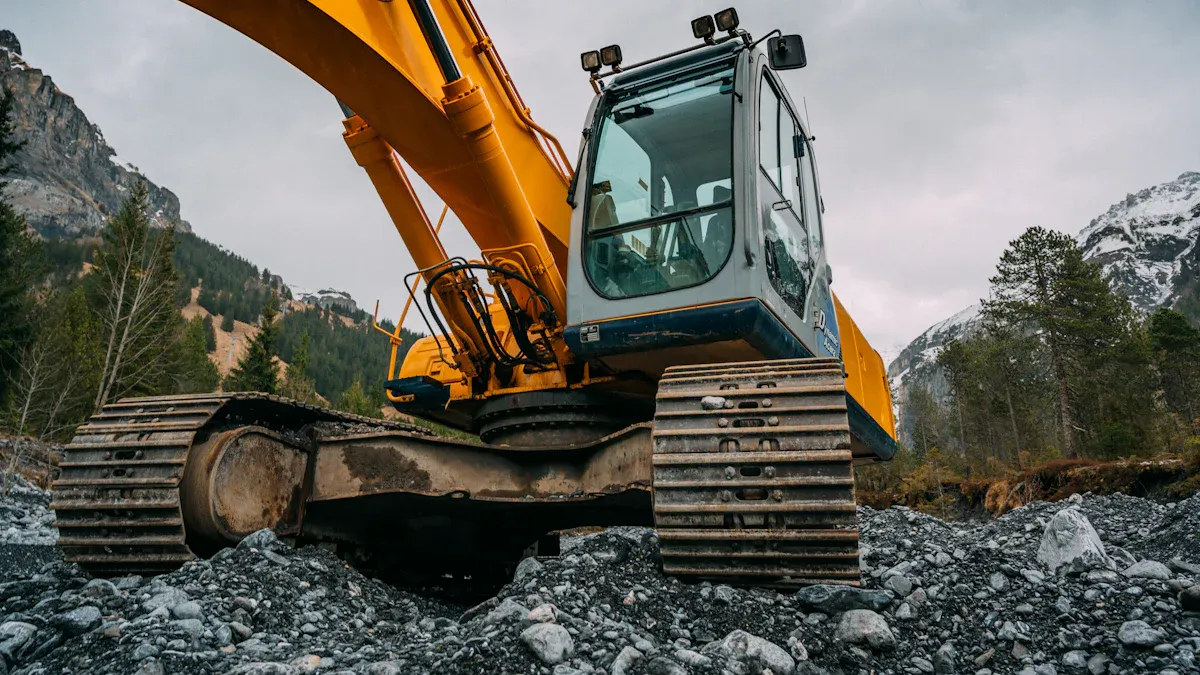
Construction sites often present unpredictable and challenging terrains. From muddy fields to rocky paths, navigating these surfaces can be tough for traditional track systems. Dumper rubber tracks, however, excel in such conditions. Their advanced tread patterns and durable rubber compounds provide superior traction and stability. This ensures smooth movement, even on uneven or slippery surfaces.
A comparison between dumper rubber tracks and traditional track systems highlights their efficiency:
| Feature | Dumper Rubber Tracks | Traditional Track Systems |
|---|---|---|
| Traction | Superior traction on mud and gravel | Limited traction in soft ground |
| Stability | Distributes weight evenly, preventing sinking | Prone to sinking in soft surfaces |
| Durability | Durable materials reduce damage | Higher likelihood of punctures |
| Maintenance | Easier to clean and maintain | More complex maintenance needs |
| Fuel Efficiency | Improves fuel efficiency by up to 12% | Less efficient fuel consumption |
This table clearly shows how dumper rubber tracks outperform traditional systems in maneuverability and overall efficiency. Their ability to adapt to various terrains makes them an essential tool for construction projects.
Fuel Efficiency and Reduced Wear
Fuel costs can significantly impact a project’s budget. Dumper rubber tracks help reduce these costs by improving fuel efficiency. Their lightweight design and reduced rolling resistance allow machines to consume less fuel during operations.
Studies from the Nebraska Tractor Test Lab (NTTL) reveal interesting insights:
- On hard surfaces, tire-equipped tractors achieved 17.52 hp-hours per gallon, while tracked versions managed 16.70 hp-hours per gallon.
- In tilled fields under heavier loads, tracks outperformed tires, showcasing better fuel efficiency at 29,000 pounds.
These findings demonstrate that dumper rubber tracks perform exceptionally well in demanding conditions, reducing fuel consumption and wear on machinery. By minimizing friction and distributing weight evenly, they also extend the lifespan of construction equipment.
Minimizing Downtime with Reliable Performance
Downtime can disrupt construction schedules and increase costs. Reliable equipment, like dumper rubber tracks, helps minimize these interruptions. Their robust construction and resistance to wear ensure consistent performance, even in harsh environments.
Rubber tracks dumper are designed to handle heavy loads without compromising stability or durability. Their easy maintenance further reduces downtime. Operators can quickly clean and inspect the tracks, ensuring they remain in optimal condition. This reliability allows construction teams to stay on schedule and complete projects efficiently.
By investing in high-quality dumper rubber tracks, professionals can enhance productivity and reduce operational delays. These tracks not only improve performance but also contribute to long-term cost savings.
Practical Tips for Maintaining Dumper Rubber Tracks
Regular Cleaning and Debris Removal
Keeping dumper rubber tracks clean is one of the easiest ways to extend their lifespan. Dirt, clay, and other debris can accumulate on the tracks and undercarriage during operations. If left unattended, this buildup hardens over time, causing unnecessary strain on the tracks and machinery.
Regular track cleaning is one of the most impactful ways to extend the life of your rubber tracks. For example, clay stuck inside the guides and undercarriage can dry and harden when the machine is parked. When the machine is used again, the hardened clay puts extra pressure on the tracks, over-tensions them, twists guides, and stresses the drive motors.
Operators should clean the tracks after every use, especially when working in muddy or clay-heavy environments. A simple rinse with water or a soft brush can prevent long-term damage and ensure smooth performance.
Inspecting for Wear and Damage
Frequent inspections help identify issues before they become costly repairs. Cracks, cuts, or worn-out tread patterns can reduce traction and stability. Operators should check for visible damage and ensure the rubber compound remains intact.
A quick visual inspection before and after each use can save time and money. Pay attention to the edges and tread grooves, as these areas often show the first signs of wear. Early detection allows for timely fixes, keeping the tracks in optimal condition.
Monitoring Track Tension and Alignment
Proper tension and alignment are critical for maintaining track performance. Loose tracks can slip off, while over-tightened ones may cause unnecessary stress on the machinery. Operators should regularly check the tension and adjust it according to the manufacturer’s guidelines.
Misaligned tracks can lead to uneven wear and reduced efficiency. Using a tension gauge or alignment tool ensures the tracks stay in place and function smoothly. Regular monitoring prevents downtime and keeps operations running efficiently.
Timely Replacement for Optimal Performance
Even the best-maintained tracks have a lifespan. Replacing worn-out tracks on time prevents damage to the machine and ensures safety during operations. Signs like reduced traction, visible cracks, or frequent slipping indicate it’s time for a replacement.
Our company offers high-quality dumper rubber tracks made with a unique rubber compound for enhanced durability. Popular sizes like 750 mm width, 150 mm pitch, and 66 links ensure compatibility with various dump trucks. Investing in timely replacements keeps projects on schedule and machinery in top shape.
Choosing the Right Dumper Rubber Tracks
Evaluating Tread Patterns for Specific Applications
Choosing the right tread pattern can make a big difference in performance. Different applications demand specific designs to maximize efficiency and durability. For instance, deeper treads work well in muddy or loose terrains, while shallower patterns suit hard, compact surfaces.
When evaluating tread patterns, it’s helpful to rely on quantitative comparisons. Studies show that a reduction of just 2/32 inch in tread depth can lower rolling resistance by 10%. This directly impacts fuel efficiency and wear. Additionally, tread patterns with higher wet traction grades tend to perform better in slippery conditions, offering improved stability.
| Tread Pattern Characteristic | Performance Metric | Result |
|---|---|---|
| Tread Depth Reduction (2/32 inch) | Rolling Resistance Coefficient (RRC) | 10% reduction |
| Tread Depth Reduction (2/32 inch) | UTQG Wear Grade | 10% reduction |
| High UTQG Wet Traction Grade | Rolling Resistance | Wider spread |
Selecting the right tread pattern ensures the tracks can handle the demands of specific tasks, whether it’s hauling heavy loads or navigating uneven ground.
Selecting the Correct Size and Configuration
Size and configuration are equally important when choosing dumper rubber tracks. Tracks that are too small or too large can affect performance and safety. Professionals should always check the manufacturer’s specifications to ensure compatibility.
Our company offers a popular size of 750 mm width, 150 mm pitch, and 66 links. This configuration fits a wide range of dump trucks, making it a versatile choice. Proper sizing not only ensures seamless installation but also enhances the machine’s overall efficiency.
Matching Tracks to Terrain and Equipment Needs
Matching tracks to the terrain and equipment is crucial for optimal performance. Construction sites vary, from rocky paths to soft, muddy fields. Tracks designed for one terrain may not perform well on another.
To make the best choice, professionals can:
- Assess warranties for coverage and ease of claims.
- Verify compatibility through manufacturer websites and forums.
- Consider tread patterns tailored to specific applications.
By aligning the tracks with the terrain and equipment, operators can achieve better traction, reduced wear, and longer-lasting performance. This thoughtful selection process ensures smooth operations and cost savings in the long run.
Dumper rubber tracks simplify construction work. Their durability and adaptability make them a smart investment for professionals. High-quality tracks boost productivity while cutting costs. Regular maintenance keeps them performing at their best. Choosing the right tracks ensures smooth operations and long-term savings. These tracks are essential for modern construction projects.
FAQ
What makes dumper rubber tracks better than traditional tracks?
Dumper rubber tracks offer better traction, durability, and fuel efficiency. They also reduce ground pressure, protecting soil and ensuring smoother operations on challenging terrains.
Post time: May-22-2025