
Choosing the right rubber excavator tracks can make a big difference for construction projects. These tracks offer exceptional wear resistance and help extend the life of metal components by reducing direct contact with rough surfaces. With the construction industry growing at a steady 5-7% annually, investing in high-quality tracks ensures better performance and durability on-site.
Key Takeaways
- Picking good rubber excavator tracks helps machines work better and last longer. Strong tracks grip well and last longer, lowering damage.
- Taking care of tracks, like cleaning and checking them, makes them last. Replace worn-out tracks to keep the machine working its best.
- Choosing the right rubber tracks for the ground and job saves time. Different tracks, like all-purpose or special ones, fit different needs.
Why Choosing the Right Rubber Excavator Tracks Matters
Impact on Machine Performance and Longevity
The right rubber excavator tracks can significantly improve a machine’s performance and extend its lifespan. Tracks made with premium materials offer better traction and durability, which reduces wear and tear on the machine. For example, tracks with continuously wound cables provide superior strength compared to those with spliced cables. Here’s a quick comparison:
| Feature | Premium Grade Tracks | Standard Grade Tracks |
|---|---|---|
| Traction | Excellent traction for various terrains | Inferior traction due to lower quality |
| Durability | High durability with advanced materials | Lower durability, less heat and gouge resistant |
| Cable Construction | Continuously wound cables for strength | Spliced cables, weaker construction |
| Manufacturing Standards | Meets/exceeds ISO quality standards | Lower production standards |
| Cost | Higher due to quality materials | Lower, but compromises performance |
Regular maintenance, such as cleaning and inspecting tracks, also plays a vital role in ensuring longevity. Tracks that show excessive wear, like a lug height reduction of over 50%, can negatively impact performance and should be replaced promptly.
Efficiency and Cost Savings
Well-chosen rubber excavator tracks can save both time and money. Operators often notice better maneuverability and traction, which boosts productivity. Durable materials reduce the need for frequent replacements, cutting down on maintenance costs. Additionally, fewer breakdowns mean less downtime, keeping projects on schedule. These benefits make investing in high-quality tracks a cost-effective decision for any construction project.
Reduced Ground Damage and Operator Comfort
Rubber tracks are designed to minimize ground damage, especially on soft or uneven terrains. They distribute the machine’s weight evenly, reducing soil compaction and protecting delicate surfaces. This feature is particularly useful in agricultural settings, where preserving soil quality is essential. According to the American Society of Agricultural and Biological Engineers, rubber tracks can also enhance operator comfort by absorbing vibrations, making long workdays less tiring.
Types of Rubber Excavator Tracks
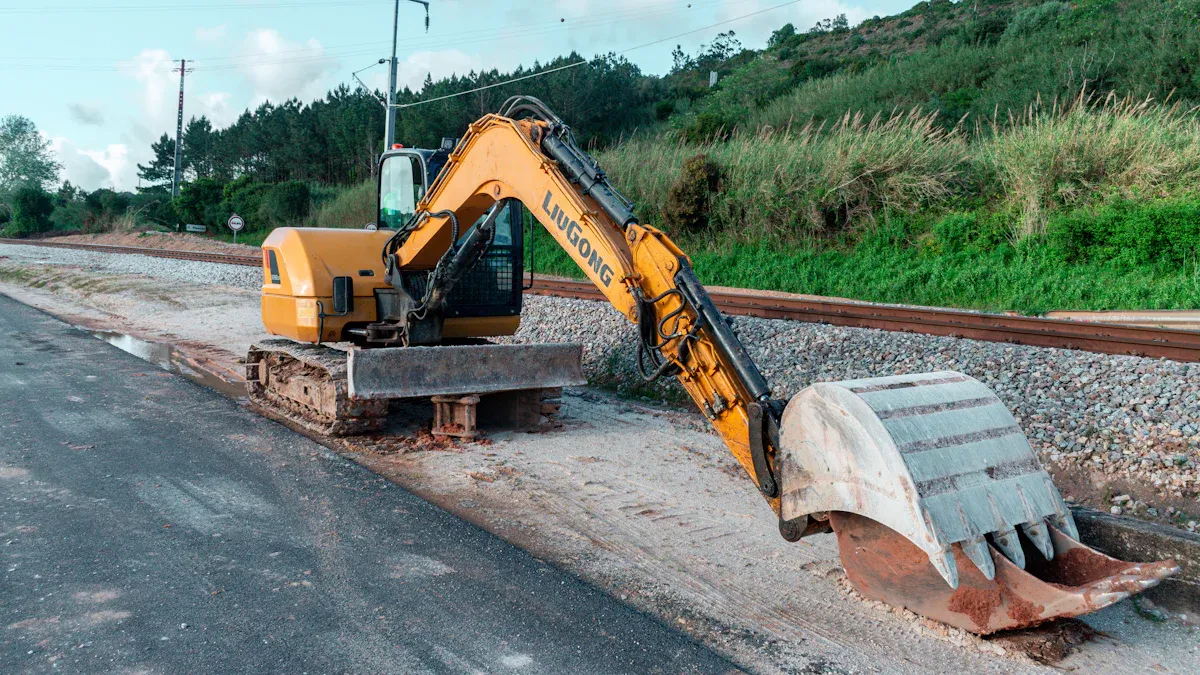
Choosing the right type of rubber excavator tracks can make a big difference in performance and efficiency. Each type is designed to meet specific needs, whether it’s for durability, versatility, or specialized applications. Let’s explore the three main types.
Continuous Rubber Tracks
Continuous rubber tracks are made from a single, seamless piece of rubber. This design eliminates weak points, making them highly durable and reliable. These tracks are perfect for heavy-duty tasks where strength and longevity are essential.
Tip: Continuous tracks are ideal for construction sites with rough terrains, as they provide excellent traction and reduce the risk of breakage.
They also offer smoother operation, which enhances operator comfort. Their seamless construction minimizes vibrations, making long workdays less tiring. Industries like construction and agriculture often prefer these tracks for their ability to handle challenging environments without frequent replacements.
Interchangeable Rubber Tracks
Interchangeable rubber tracks are designed for versatility. They allow operators to switch between different track types depending on the terrain or application. This flexibility makes them a cost-effective choice for businesses that handle diverse projects.
For example, a construction company working on both urban roads and muddy fields can benefit from interchangeable tracks. Switching to a track with a more aggressive tread pattern for muddy conditions ensures better traction and control. On the other hand, smoother tracks work well on paved surfaces, reducing ground damage.
| Benefit/Feature | Description |
|---|---|
| Traction | Provides superior grip on various terrains, including mud, sand, and snow. |
| Maneuverability | Offers better control and precise turns, especially in confined spaces. |
| Cost-Effectiveness | Balances strength with affordability, making them a practical choice for multi-purpose use. |
Application-Specific Tracks
Application-specific tracks are tailored for particular industries or tasks. These tracks are designed with unique features to meet the demands of specialized applications. For instance, tracks used in mining are built to withstand abrasive surfaces, while those for landscaping focus on minimizing ground damage.
Compact excavators, often used in urban construction, benefit greatly from application-specific tracks. These tracks enhance maneuverability in tight spaces and reduce noise levels, making them suitable for residential areas. The growing demand for mini excavators has further increased the popularity of these tracks.
Did You Know? The industrial segment, driven by construction and mining needs, holds the largest revenue share in the rubber track market.
By choosing the right type of track for the job, operators can maximize efficiency and reduce wear and tear on their machines. Whether it’s durability, versatility, or precision, there’s a track designed to meet every need.
Key Factors to Consider
Terrain and Application
The terrain and application play a huge role in selecting the right rubber excavator tracks. Different projects demand different track features. For example, construction sites with uneven or rocky surfaces require tracks with enhanced durability and traction. On the other hand, landscaping projects benefit from tracks that minimize soil compaction.
Operators should consider the type of ground their machine will encounter most often. Tracks designed for muddy or sandy conditions often feature self-cleaning patterns that eject debris, maintaining traction and preventing bogging down. For urban environments, smoother tracks reduce noise and protect paved surfaces.
Tip: Matching the track type to the terrain ensures better performance and reduces wear and tear on the machine.
Track Tread Patterns
Track tread patterns directly affect traction, durability, and operator comfort. Choosing the right pattern can make a big difference in how the machine performs under various conditions. Here’s a breakdown of common tread patterns and their features:
| Tread Pattern Type | Performance Features | Best Use Cases |
|---|---|---|
| Self-Cleaning Patterns | Eject mud and debris to maintain traction and prevent bogging down. | Muddy conditions |
| Load Distribution Patterns | Spread weight evenly to minimize ground pressure and reduce soil compaction. | Landscaping, agriculture |
| Vibration Minimizing | Reduce vibrations for smoother rides, enhancing operator comfort and control. | General use, especially on uneven terrain |
| Durable Patterns | More wear-resistant, reducing maintenance frequency and extending lifespan. | Heavy-duty applications |
| Multi-Bar Lug Patterns | High-performance traction in wet conditions, extending performance life. | Muddy, wet conditions |
| Zig-Zag Patterns | Improved cleanout and reduced sliding, ideal for snow removal and wet sites. | Snow removal, excessively wet conditions |
Each tread pattern is designed for specific challenges. For instance, vibration-minimizing patterns improve operator comfort during long workdays, while durable patterns are perfect for heavy-duty applications.
Cost vs. Durability
Balancing cost and durability is essential when choosing rubber excavator tracks. While rubber tracks are more expensive than traditional steel tracks, their durability and performance often justify the higher price. Continuous rubber tracks (CRT), for example, can endure an average of 5,000 km before needing replacement, saving over 415 man-hours of maintenance work per vehicle throughout their lifecycle.
Here are some factors to consider:
- Rubber tracks offer eco-friendly solutions, which enhance their value proposition.
- Advancements in manufacturing technology have improved durability, making them a worthwhile investment.
- Fluctuations in raw material prices, like natural rubber, can affect production costs.
Note: Investing in high-quality tracks reduces replacement frequency and long-term costs, making them a smart choice for businesses.
Fuel Efficiency
Fuel efficiency is another critical factor to consider. Rubber excavator tracks can improve fuel efficiency by reducing ground resistance and enhancing machine traction. Tracks with load distribution patterns spread the machine’s weight evenly, minimizing soil compaction and reducing the energy required to move the excavator.
Certain tread designs, like vibration-minimizing patterns, also contribute to fuel savings. By reducing vibrations, these tracks ensure smoother operation, which lowers fuel consumption over time. Operators often notice a significant difference in fuel efficiency when switching to tracks designed for their specific application.
Did You Know? Tracks with advanced tread patterns can reduce fuel consumption by up to 15%, making them an eco-friendly and cost-effective choice.
Maintenance and Replacement Tips
Regular Inspection and Cleaning
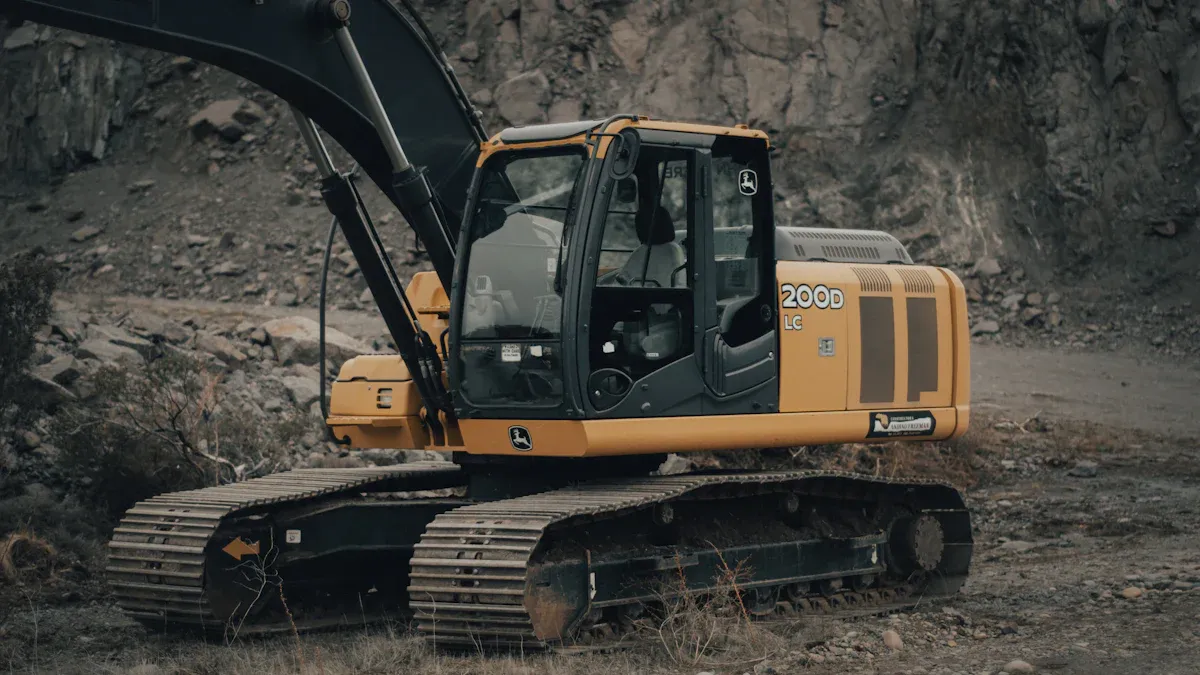
Keeping rubber excavator tracks in top condition starts with regular inspection and cleaning. Dirt, mud, and debris can build up quickly, especially on construction sites. This buildup can lead to unnecessary wear and tear. Operators should check the tracks daily for stuck debris, cracks, or other visible damage.
Tip: Use a pressure washer to clean the tracks thoroughly after each use. This prevents debris from hardening and causing long-term damage.
Inspecting the undercarriage is equally important. Look for loose bolts, worn sprockets, or damaged rollers. Addressing these issues early can save time and money in the long run.
Recognizing Signs of Wear
Knowing when tracks are wearing out can prevent costly breakdowns. Common signs include cracks, cuts, or missing chunks of rubber. Pay attention to the tread pattern. If it looks shallow or uneven, the tracks may not provide adequate traction.
Another red flag is excessive vibration during operation. This could indicate internal damage or misalignment. Operators should also listen for unusual noises, like squeaking or grinding, which often signal worn-out components.
Did You Know? Tracks with over 50% lug height reduction lose significant traction and should be replaced immediately.
When to Replace Your Tracks
Replacing tracks at the right time ensures optimal performance. If the machine struggles with traction or frequently slips, it’s time for new tracks. Visible damage, like exposed steel cords or deep cracks, also means replacement is overdue.
Pro Tip: Always choose high-quality rubber tracks from trusted suppliers. They last longer and improve machine efficiency.
Regular maintenance and timely replacements keep your excavator running smoothly, saving you money and downtime.
Importance of Quality Suppliers
Benefits of Trusted Suppliers
Choosing a trusted supplier for rubber excavator tracks can make a world of difference. Reliable suppliers provide high-quality products that enhance machine performance and reduce downtime. Their tracks are built to last, which means fewer replacements and lower maintenance costs.
A reputable supplier also ensures consistent quality. Operators can count on their tracks to perform well, even in tough conditions. This reliability boosts productivity and keeps projects on schedule. Additionally, trusted suppliers often offer excellent customer service. They provide guidance on selecting the right tracks and offer support when issues arise.
Tip: Look for suppliers with strong market reputations and positive customer reviews. These indicators often reflect consistent performance and excellent service.
Ensuring Quality and Reliability
Quality and reliability should always be top priorities when selecting a supplier. High-quality tracks not only improve performance but also extend the lifespan of the machine. Suppliers with a proven track record often meet strict manufacturing standards, ensuring their products deliver optimal results.
Here’s a quick look at what to consider when evaluating suppliers:
| Criteria for Selection | Description |
|---|---|
| Product Quality | High-quality tracks ensure optimal performance and reduce downtime. |
| Market Reputation | A strong reputation reflects consistent performance and excellent customer service. |
| Customer Reviews | Feedback highlights durability, material quality, and the balance between cost and performance. |
By choosing a supplier that meets these criteria, operators can feel confident in their investment. Reliable tracks lead to smoother operations, fewer delays, and better overall results.
Did You Know? Suppliers with ISO-certified products often deliver the highest quality and reliability in the market.
Selecting the right rubber excavator tracks makes a big difference in performance and cost savings. Operators should focus on terrain, tread patterns, and supplier reliability to get the best results. High-quality tracks improve machine longevity and reduce downtime, making them a smart investment for any project.
Tip: Partnering with trusted suppliers ensures consistent quality and dependable support.
For inquiries, reach out via:
- Email: sales@gatortrack.com
- Wechat: 15657852500
- LinkedIn: Changzhou Hutai Rubber Track Co., Ltd.
FAQ
What are the benefits of using rubber tracks over steel tracks?
Rubber tracks offer better traction, reduce ground damage, and improve operator comfort. They also last longer by minimizing wear on metal components.
How often should rubber excavator tracks be inspected?
Operators should inspect tracks daily for cracks, debris, or damage. Regular checks prevent costly repairs and ensure optimal performance.
Can rubber tracks handle rough terrains?
Yes, high-quality rubber tracks with durable tread patterns perform well on rough terrains. However, sharp objects like steel bars or rocks should be avoided to prevent damage.
Tip: Always clean tracks after use to extend their lifespan and maintain performance.
Post time: May-19-2025