
Excavator Rubber vs Steel Tracks: Insights from China Manufacturers
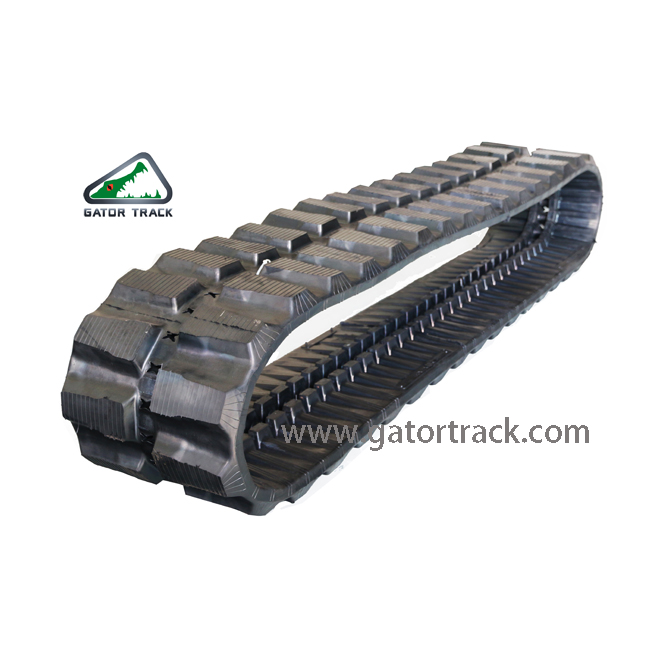
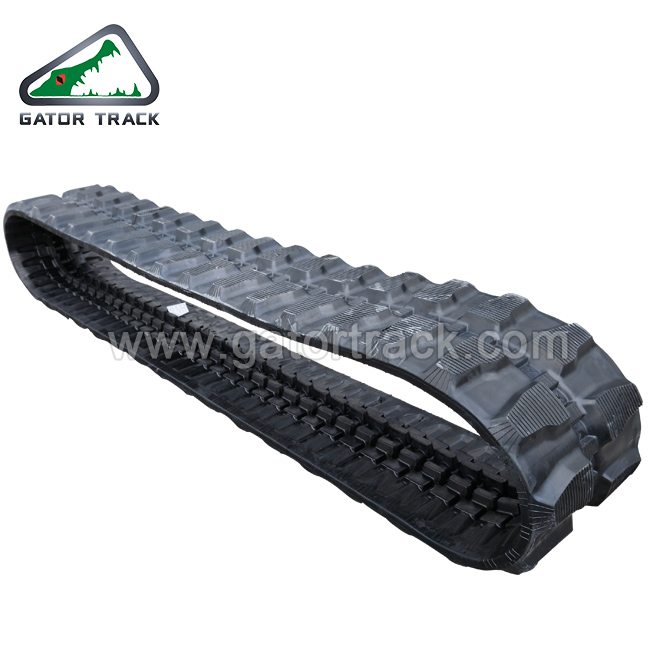
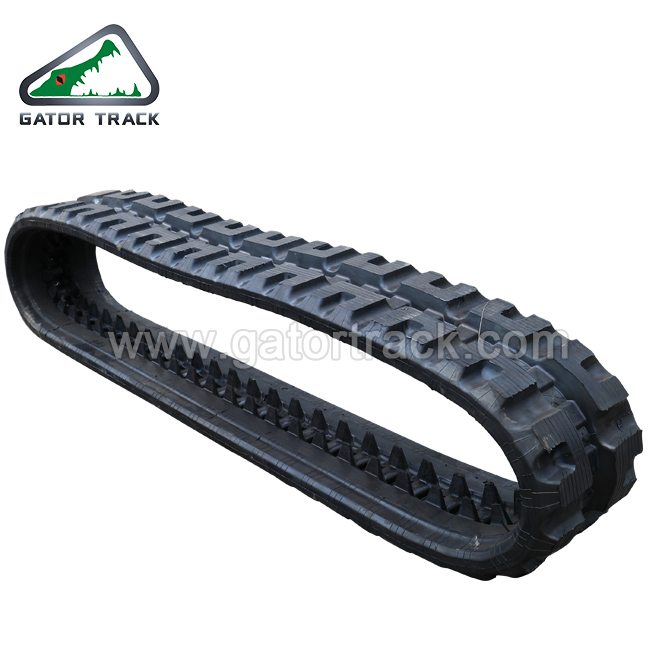
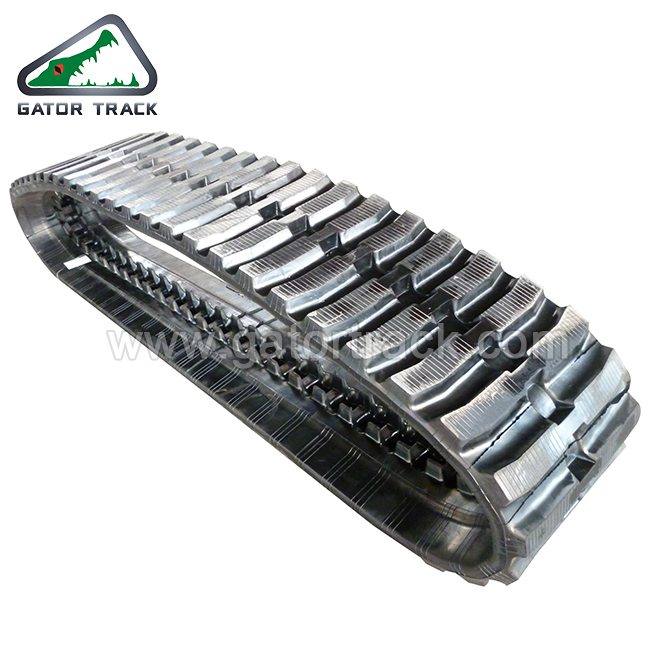
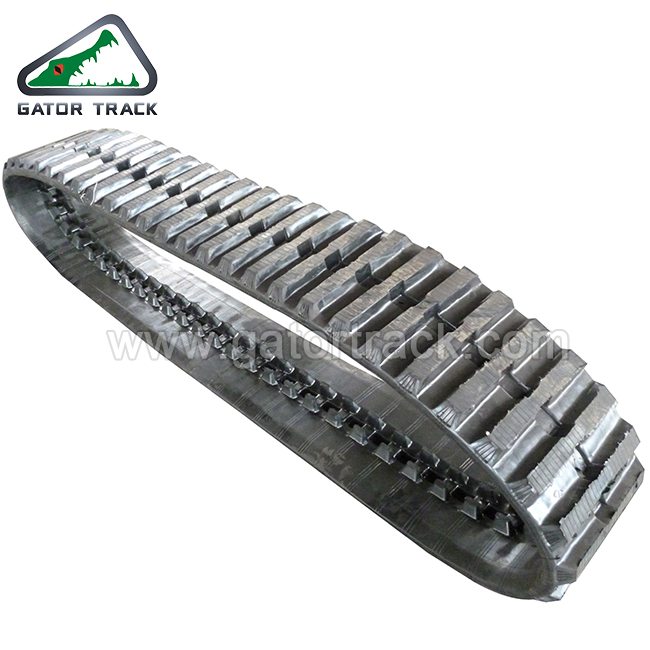
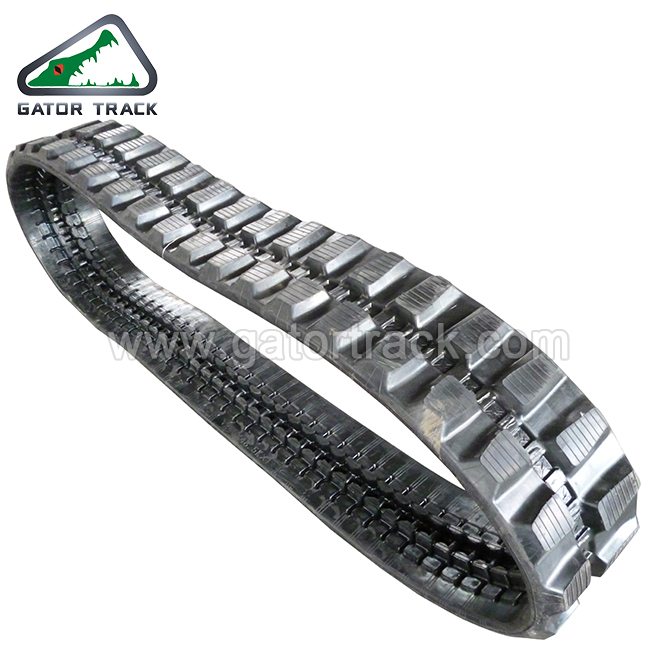
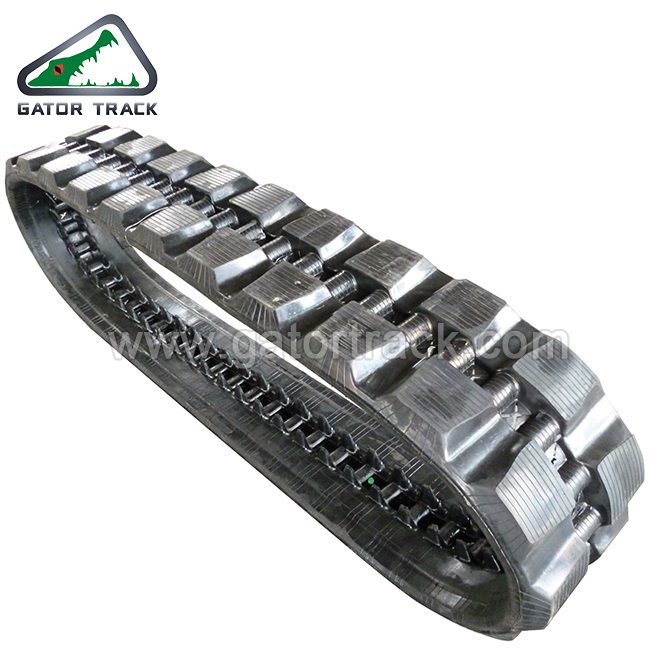
When it comes to choosing the right tracks for your excavator, I've found that the debate between rubber and steel tracks is crucial for efficiency and performance. Rubber tracks, often preferred for their lighter weight and superior ground protection, are fantastic for indoor and soft surfaces, reducing damage to roads and landscaping. On the other hand, steel tracks provide unmatched durability and traction for tough terrains, making them ideal for heavy-duty applications. As a manufacturer based in China, we prioritize delivering high-quality tracks that meet your specific needs. Whether you’re leaning towards the flexibility of rubber or the strength of steel, our extensive range ensures that you will find the perfect match for your excavator. I’m here to help you make an informed decision that will enhance productivity on the job site while reducing wear and tear on your equipment. Let’s elevate your excavation projects together!
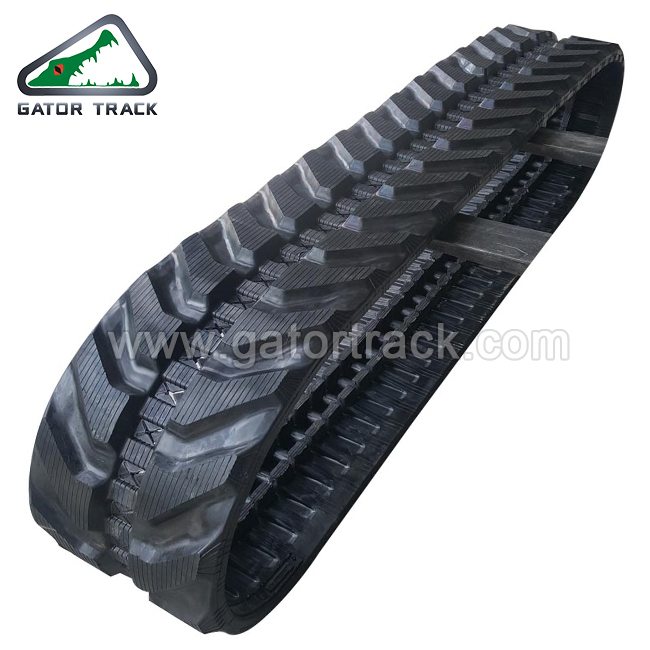
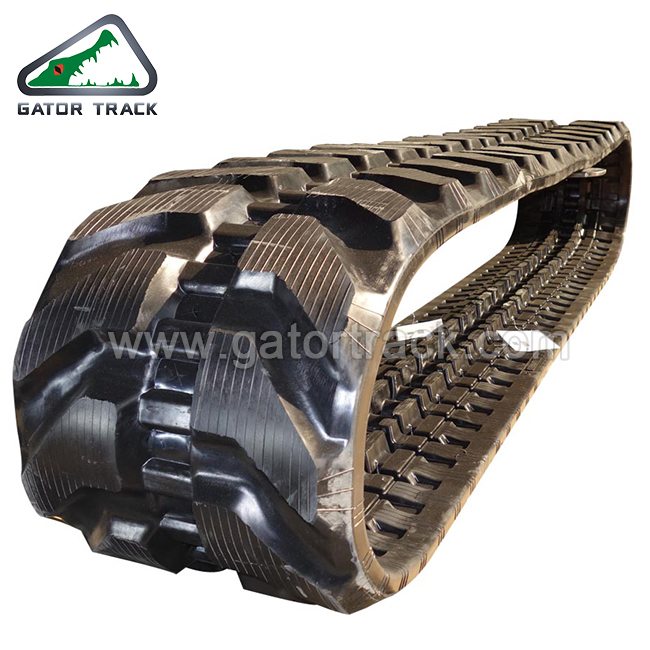
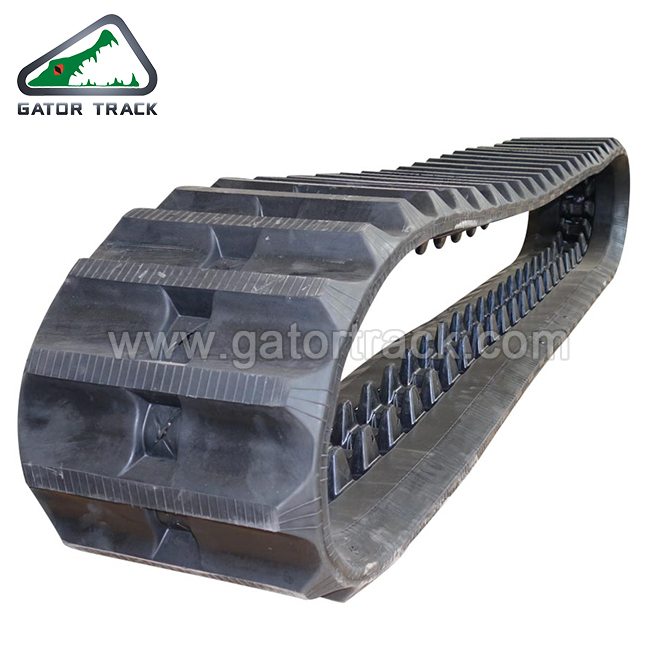
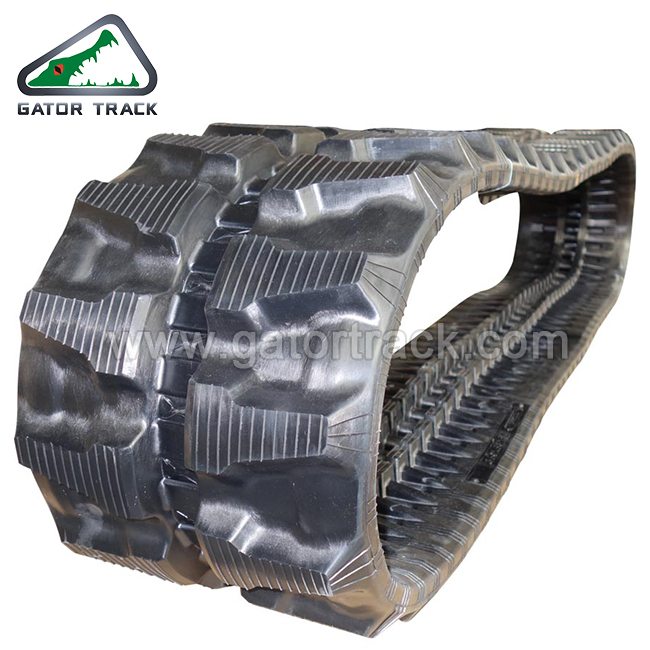
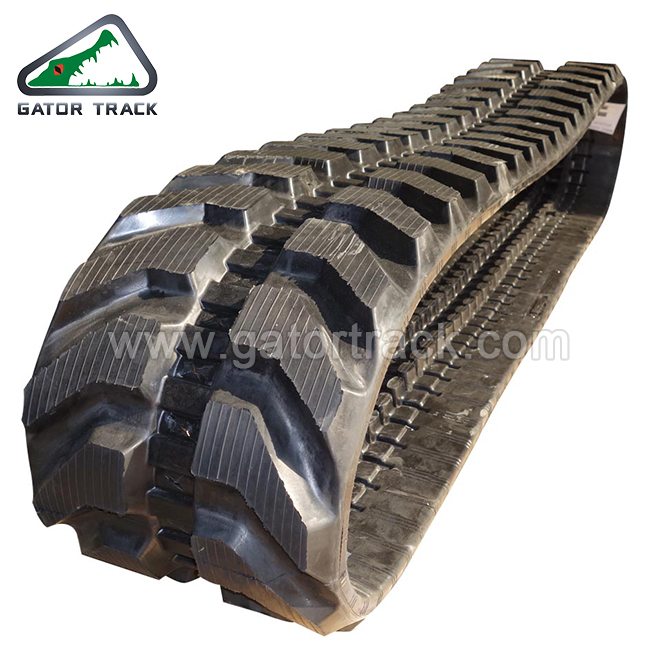
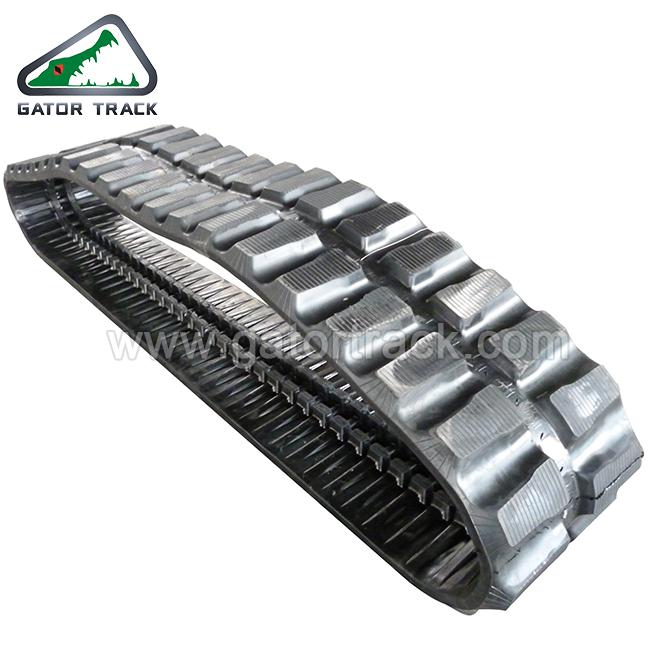
Excavator Rubber Vs Steel Tracks Service Dominates
When it comes to heavy machinery, particularly excavators, the choice between rubber and steel tracks is a crucial decision for operators and procurement managers alike. Each type of track offers distinct advantages that can significantly impact performance, costs, and overall efficiency in various working conditions. Understanding these differences can help global buyers make informed choices that align with their operational needs. Rubber tracks are favored for their superior traction and ground protection, making them ideal for delicate surfaces such as asphalt or concrete. They provide excellent cushioning, resulting in a smoother ride and reduced wear on the machine. Additionally, rubber tracks are generally quieter and have a lower environmental impact, which can be a deciding factor for companies focused on sustainability. However, they may not be as durable as their steel counterparts when it comes to rough terrain or heavy-duty applications. In contrast, steel tracks are designed for strength and longevity, excelling in harsh environments with sharp rocks and rugged terrain. Their robust construction allows them to handle heavy loads and extreme operating conditions without compromising performance. While they might create more ground pressure and potential surface damage, steel tracks often have a lower cost of ownership over time due to their durability. As procurement managers assess the best option, it’s essential to consider not only the immediate costs but also the long-term operational efficiency and the specific tasks at hand. Each track type has its unique applications, and making the right choice can enhance productivity and reduce downtime for any excavation project.
Excavator Rubber Vs Steel Tracks Service Dominates
| Track Type | Durability | Traction | Weight | Cost Efficiency | Maintenance Frequency |
|---|---|---|---|---|---|
| Rubber | Moderate | High | Lightweight | Higher Initial Cost | Every 500 Hours |
| Steel | High | Moderate | Heavyweight | Lower Long-Term Cost | Every 1000 Hours |
Related Products
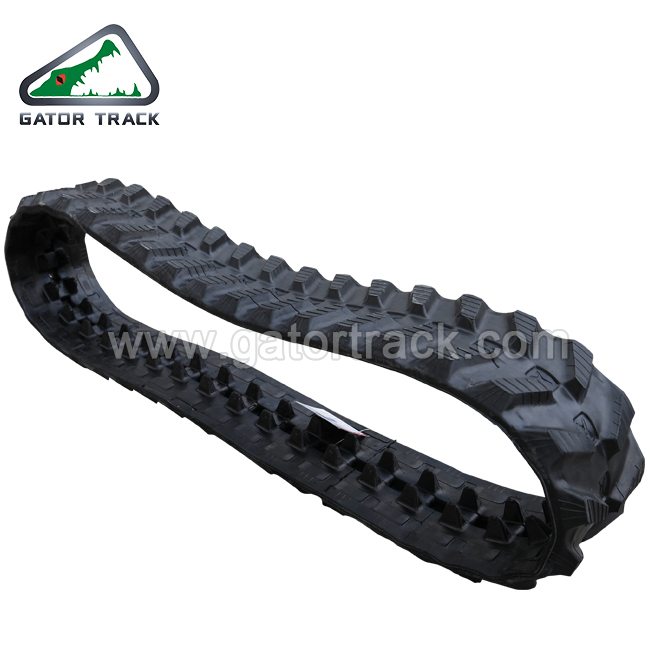

Excavator Rubber Vs Steel Tracks Application Delivers Unmatched Quality
Top Selling Products





- Related Blog
- Reviews
