
Choosing 700mm Excavator Rubber Pads
Key productivity and surface protection benefits
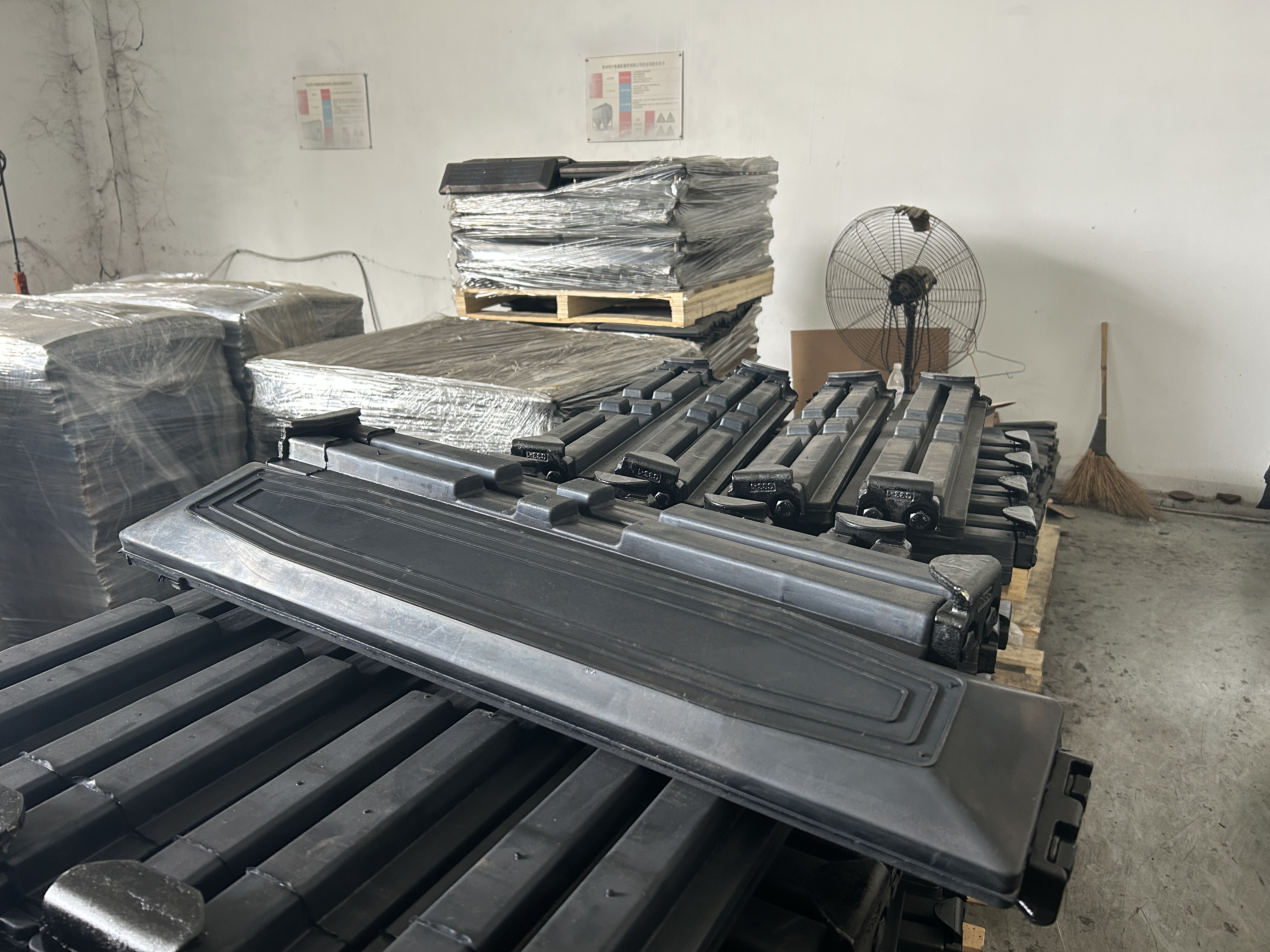
Integrating 700mm Excavator Rubber Pads into a fleet immediately mitigates surface damage. When operating mid-sized excavators on finished concrete or asphalt, bare steel tracks cause severe scoring and structural cracking. These 700mm wide pads reduce localized ground pressure by distributing the machine’s weight evenly across a larger footprint, preventing substrate failure.
Beyond surface protection, rubber pads boost productivity through noise reduction. Equipping an excavator with premium rubber pads lowers operational noise, enabling fleets to comply with municipal noise ordinances and secure extended working hours in highly regulated residential zones.
Essential fitment and application terms
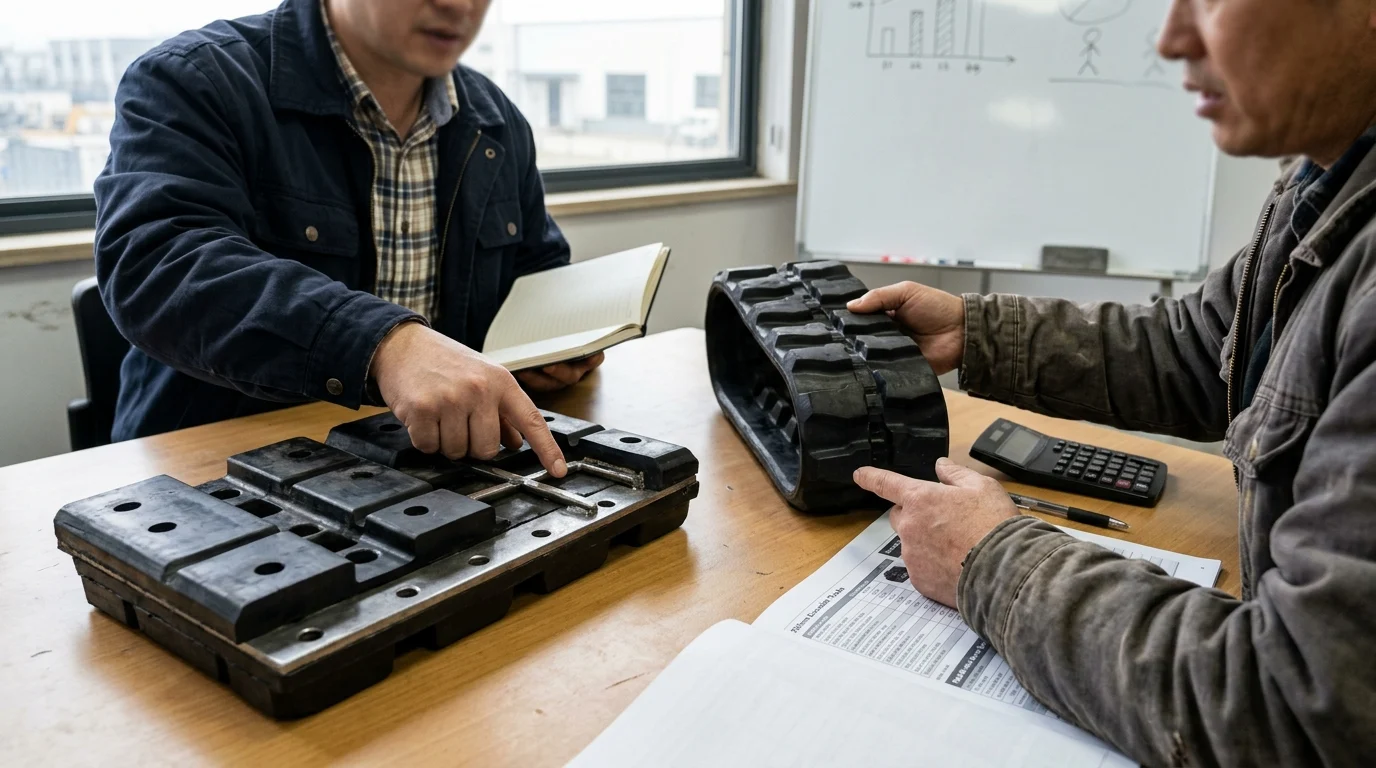
Procurement teams must master core fitment terminology to ensure correct component integration. For excavators, rubber pads fall into three categories: bolt-on, clip-on, and chain-on (roadliner) configurations. Bolt-on pads fasten directly to pre-drilled steel grouser shoes. Buyers must verify exact bolt-hole patterns and apply specific torque sequences during installation to prevent shear forces from snapping the hardware during pivot turns.
In contrast to modular excavator pads, evaluating Skid Steer Loader Tracks requires analyzing continuous track dimensions. Buyers must verify the track’s pitch (the distance between the center of one metal core to the next), overall width, total link count, and sprocket pitch compatibility. Mismatching these specifications by even a few millimeters causes track derailment and accelerated drive sprocket wear.
Comparing Specifications and Performance
Fitment, tread design, and rubber compound
The foundation of a robust rubber undercarriage component lies in its rubber compound. Industry standards demand a balanced blend of natural and synthetic virgin rubber, formulated to achieve a precise hardness rating on the Shore A scale. This balance delivers optimal tear resistance and flexibility under heavy loads.
Tread design dictates performance and varies significantly between machine types. For skid steers in wet conditions, a C-lug or staggered block pattern provides superior self-cleaning properties to prevent mud packing. Conversely, 700mm excavator pads utilize a flat, thick profile with minimal grooving. This design maximizes surface contact and ensures stability during stationary heavy lifting operations.
Durability, traction, and operating conditions
Operating environments dictate durability and traction. Premium compounds maintain structural integrity within specific thermal windows. Outside these temperature ranges, inferior rubber becomes brittle and chunks, or turns overly soft and wears rapidly.
The following table contrasts the core specifications and operational factors defining these two distinct product categories:
| Specification | 700mm Excavator Pads | Skid Steer Tracks |
|---|---|---|
| Lifespan Factors | Machine weight, pivot frequency | Terrain abrasiveness, load weight |
| Optimal Surface | Concrete, Asphalt, Paving | Dirt, Mud, Gravel, Turf |
| Core Technology | Embedded Steel Plate Insert | Continuous Steel Cord |
| Wear Accelerators | Demolition rubble, scrap metal | Sharp rocks, high-speed transit |
Highly abrasive environments significantly reduce operational lifespan for both component categories.
Sourcing, Inspection, and Final Selection
Measurement and supplier verification steps
Supplier verification begins with confirming dimensional accuracy. For continuous skid steer rubber tracks, the industry standard measurement formula is Width x Pitch x Links. A deviation in the pitch dimension causes severe sprocket misalignment and premature failure.
During physical inspections of skid steer tracks, buyers must demand independent test documentation verifying continuous steel cord construction. This manufacturing method eliminates the overlapping internal joints found in older track designs, drastically reducing track breakage rates under heavy tension. For excavator pads, buyers must inspect the bonding technology. Verifying high-quality vulcanization between the rubber and the embedded steel backing plate ensures the pad will not delaminate under high shear stress.
Decision criteria for cost, quality, and lifespan
When establishing final decision criteria, buyers must weigh upfront costs against long-term operational lifespan. Industrial suppliers typically enforce specific Minimum Order Quantities (MOQs) based on the component category and manufacturing run.
While premium-grade pads and tracks carry an upfront cost premium, lifecycle analyses consistently prove their extended wear resistance lowers the total cost of ownership. Factoring in the labor costs of track replacement and the revenue lost during machine downtime makes investing in higher-spec compounds a financial necessity. Buyers must verify that warranty terms adequately cover premature failures across specific regions and applications. Ultimately, selecting components from manufacturers with low documented defect rates guarantees fewer mid-project replacements and maximizes a fleet’s mechanical availability.
Key Takeaways
- Use 700mm rubber pads for 20- to 30-ton excavators when working on finished asphalt, concrete, or other surfaces that must be protected.
- Verify bolt-hole patterns and follow the correct torque sequence when installing bolt-on excavator pads to reduce the risk of hardware shear during pivot turns.
- Specify skid steer loader tracks by width, pitch, link count, and sprocket compatibility because small dimensional errors can cause derailment and premature wear.
- Choose C-lug or staggered block skid steer track patterns for muddy sites to improve self-cleaning and reduce material buildup.
- Select steel tracks instead of rubber components for demolition, quarry, rocky, or highly abrasive environments where traction and durability are higher priorities.
- Evaluate rubber compound quality and operating temperature conditions because inferior rubber can become brittle, chunk, soften, or wear rapidly.
Frequently Asked Questions
What machines typically use 700mm excavator rubber pads?
A 700mm pad width is commonly suited to mid-sized excavators in the 20- to 30-ton range, where it helps balance surface protection, stability, and transport practicality.
Why choose rubber pads instead of bare steel tracks on urban jobs?
Rubber pads help prevent scoring, cracking, and other damage on asphalt, concrete, and finished surfaces. They also reduce operating noise, which can support compliance with municipal noise limits.
When are steel tracks still the better option?
Steel tracks are generally better for demolition, quarry work, rocky ground, and highly abrasive sites because they provide stronger traction and durability in harsh environments.
What fitment details matter for bolt-on excavator pads?
Buyers should confirm the bolt-hole pattern, pad width, shoe compatibility, and required torque sequence. Incorrect fitment or poor installation can cause hardware failure during pivot turns.
How are skid steer loader tracks specified?
Skid steer rubber tracks are specified by width, pitch, total link count, and sprocket compatibility. Even small mismatches can lead to derailment or accelerated sprocket wear.
Post time: Jul-31-2026