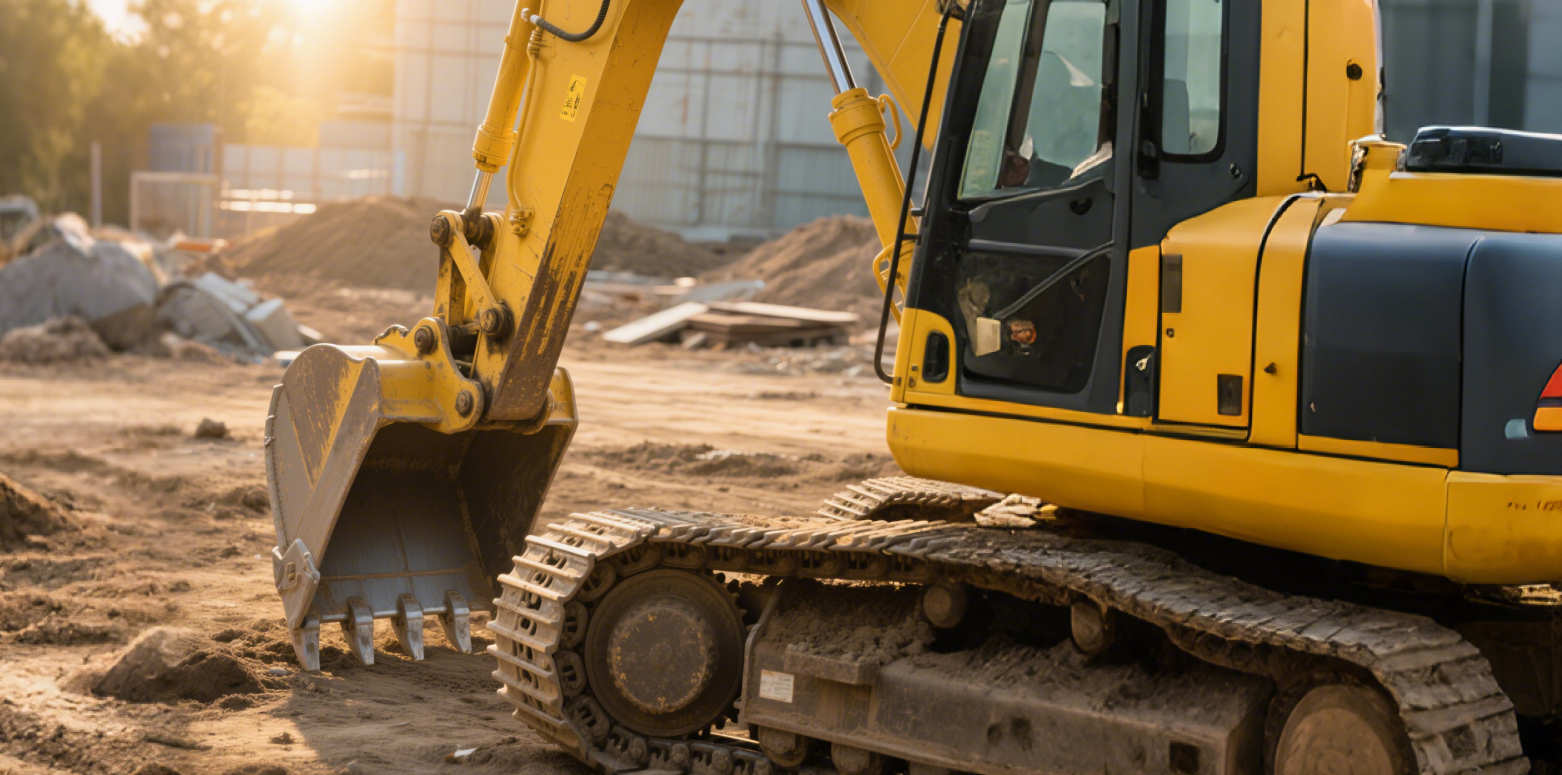
Choosing the right tracks for skid steer loaders makes a big difference in how well they perform. Tracks aren’t just about movement—they shape versatility and productivity. For example:
- Tracked loaders excel on muddy or uneven terrain, offering stability.
- On smooth surfaces, wheeled loaders provide faster speeds and better maneuverability.
Key Takeaways
- Picking the right tracks for skid steer loaders improves work. Think about the ground and job to choose the best kind.
- Rubber tracks work well on soft ground, and steel tracks are better for rough areas. Each type is good for certain jobs.
- Taking care of tracks, like cleaning and checking them, makes them last longer. Finding damage early avoids expensive fixes.
Types of Tracks For Skid Steer
Choosing the right tracks for skid steer loaders can feel overwhelming with so many options available. Each type of track has unique features that make it suitable for specific tasks and terrains. Let’s break them down to help you decide.
Rubber Tracks
Rubber tracks are a popular choice for skid steer loaders, especially for those working on softer surfaces like grass, snow, or sand. They’re made from a mix of natural rubber and synthetic compounds, which gives them flexibility and strength. This combination helps them handle tough environments while maintaining a smooth ride.
- Advantages:
- Rubber tracks reduce ground disturbance, making them ideal for landscaping or agricultural work.
- Self-cleaning tread patterns prevent mud build-up, ensuring consistent traction.
- High-grade rubber compounds extend their lifespan, even in extreme temperatures.
- Best For:
- Soft terrains like lawns, sandy areas, or snowy conditions.
- Jobs requiring minimal surface damage, such as golf course maintenance or residential landscaping.
Tip: If you’re working in muddy conditions, look for rubber tracks with self-cleaning treads. They’ll save you time and effort by keeping the tracks clear of debris.
Steel Tracks
Steel tracks are the go-to option for heavy-duty tasks. They’re built to withstand harsh conditions and are often used in construction, demolition, and mining. These tracks provide unmatched durability and traction on rocky or uneven terrain.
- Advantages:
- Steel tracks excel in rugged environments where rubber tracks might wear out quickly.
- They offer superior grip on hard surfaces like concrete or rocky ground.
- Best For:
- Construction sites, demolition projects, and forestry work.
- Tasks requiring maximum durability and strength.
Research shows that high-strength steel tracks are designed to handle the mechanical stresses of demanding jobs. Their wear-resistant properties make them a reliable choice for long-term use.
Note: Steel tracks can be heavy and may cause more ground damage compared to rubber tracks. Consider this if you’re working on delicate surfaces.
Over-the-Tire (OTT) Tracks
OTT tracks are a versatile option that combines the benefits of both rubber and steel tracks. These tracks are installed over the skid steer’s existing tires, making them a cost-effective solution for improving traction and performance.
- Advantages:
- Easy to install and remove, allowing you to switch between tires and tracks as needed.
- Available in both rubber and steel options, offering flexibility for different terrains.
- Best For:
- Operators who need a temporary track solution.
- Jobs requiring quick adaptability to changing ground conditions.
OTT tracks are a great choice for those who want to enhance their loader’s capabilities without committing to a full track system.
Wide vs. Narrow Tracks
The width of your tracks can significantly impact your loader’s performance. Wide tracks and narrow tracks each have their own strengths, depending on the terrain and application.
| Track Type | Advantages | Best For |
|---|---|---|
| Wide Tracks | Lower ground pressure (4–5 psi), better flotation in wet or muddy conditions. | Soft terrains like mud, sand, or snow. |
| Narrow Tracks | Higher ground pressure, better traction on hard surfaces. | Rocky or compacted surfaces. |
Wide tracks distribute the loader’s weight more evenly, reducing damage to the ground and improving traction in soft conditions. On the other hand, narrow tracks maximize ground pressure, making them ideal for hard or rocky terrains.
Did You Know? Compact track loaders with wide tracks can operate year-round, minimizing landscape damage and reducing repair costs.
Benefits of Tracks For Skid Steer
Enhanced Traction
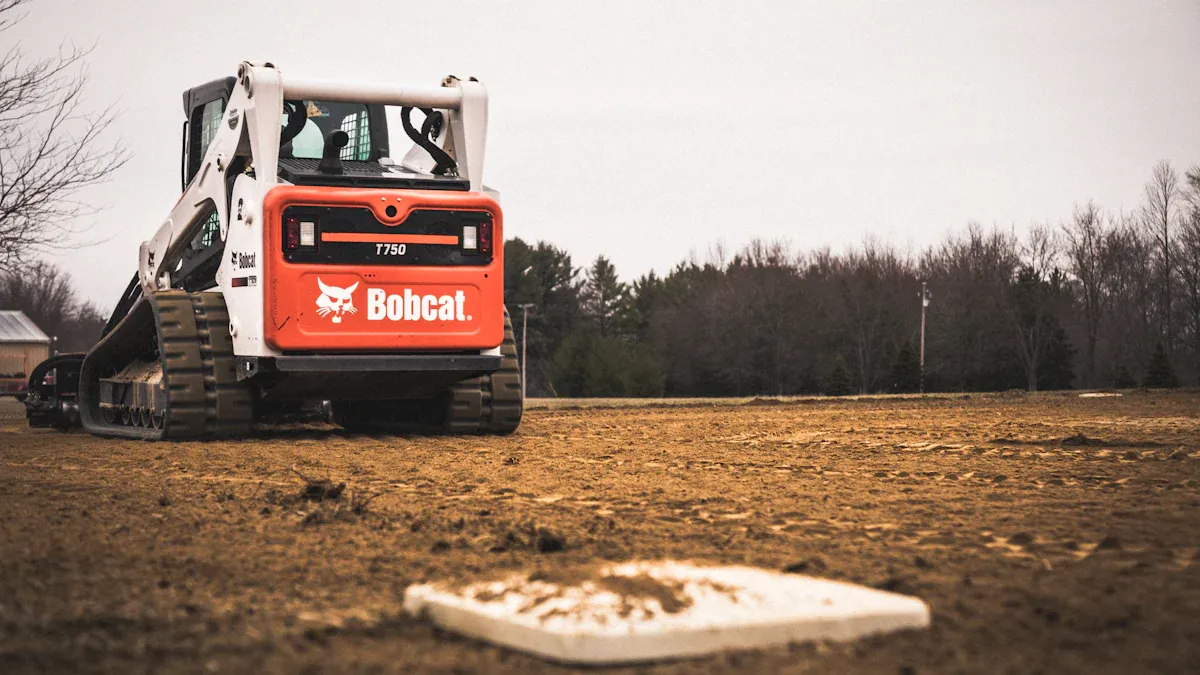
Tracks provide unmatched traction, especially on soft or uneven terrain. Unlike wheels, tracks grip the ground more effectively, reducing slippage and improving efficiency. This makes them ideal for muddy, snowy, or sandy conditions. Compact track loaders (CTLs) equipped with tracks can handle heavier loads—up to 1,200 lbs more than skid steer loaders with wheels. Their wider tracks also enhance flotation, allowing operators to work confidently on softer ground without sinking.
Pro Tip: For jobs on slope
s or rough terrain, tracks offer better stability, making operations safer and more reliable.
Reduced Ground Disturbance
One of the standout benefits of tracks is their ability to minimize ground damage. Tracks distribute the loader’s weight evenly, resulting in lower ground pressure. This feature is especially useful for delicate surfaces like lawns, golf courses, or newly laid soil. Rubber tracks, in particular, exert less pressure compared to steel tracks, making them a preferred choice for landscaping and agricultural tasks.
- Key Advantages:
- Protects fragile surfaces from ruts or damage.
- Reduces the need for costly repairs to the worksite.
Operators often choose tracks for skid steer loaders when working in areas where preserving the ground is a priority.
Versatility for Different Applications
Tracks make skid steer loaders incredibly versatile. With the right track selection, these machines can tackle a wide range of tasks, from construction to snow removal. Rubber tracks, for instance, excel in providing stability and traction on challenging terrain. They also reduce surface damage, making them suitable for residential and commercial projects.
| Performance Metric | Description |
|---|---|
| Enhanced stability and traction | Tracks improve grip on uneven surfaces, ensuring smooth operation. |
| Reduced surface damage | Rubber tracks exert less pressure, protecting delicate areas like lawns or gardens. |
| Increased load capacity | Tracks distribute weight evenly, allowing the loader to carry heavier loads. |
| Improved maneuverability | Tracks enable smooth navigation in tight spaces, boosting efficiency in confined work areas. |
By equipping skid steer loaders with tracks, operators can adapt to various environments and maximize productivity.
Choosing the Right Tracks For Skid Steer
Selecting the right tracks for your skid steer loader can feel like a puzzle. With so many factors to consider, it’s important to match the tracks to your specific needs. Let’s break it down step by step.
Terrain and Application
The type of terrain you’re working on plays a huge role in choosing the right tracks. Tracks designed for soft surfaces, like mud or snow, won’t perform as well on hard, rocky ground. Similarly, tracks meant for construction sites may damage delicate lawns.
- Soft Terrain: Wide tracks with aggressive tread patterns work best. They provide better flotation and grip, preventing the loader from sinking into the ground.
- Hard Terrain: Narrow tracks or block-pattern designs are ideal. They offer stability and reduce vibration, making them perfect for concrete or asphalt.
- Mixed Terrain: Over-the-tire (OTT) tracks offer flexibility. You can switch between tires and tracks depending on the surface.
Pro Tip: Zig-zag tread patterns are excellent for snow and mud. They provide superior traction but can be noisy on hard surfaces.
Material and Tread Patterns
The material and tread pattern of your tracks directly impact their performance and durability. Rubber tracks are softer and more flexible, while steel tracks are tougher and built for heavy-duty tasks.
- Rubber Tracks: These are great for landscaping and agricultural work. They minimize ground damage and provide a smoother ride.
- Steel Tracks: Perfect for construction and demolition. They handle rough terrain and heavy loads with ease.
- Tread Patterns:
- C-pattern: Best for concrete and asphalt. It offers balanced traction and smooth operation.
- Zig-zag pattern: Ideal for soft surfaces like mud or snow.
- Block pattern: Designed for hard surfaces, reducing vibration and improving stability.
Did You Know? Self-cleaning tread patterns can save you time by ejecting debris, keeping the tracks clear and functional.
Size and Compatibility
The size of your tracks affects both performance and compatibility with your skid steer loader tracks. Wider tracks distribute weight more evenly, reducing ground pressure. Narrower tracks, on the other hand, are better for tight spaces and specialized tasks.
| Track Size | Best For |
|---|---|
| Standard 320mm | Balanced for most applications. |
| Wider 400mm | Better flotation on soft surfaces like mud or snow. |
| Narrower Tracks | Ideal for jobs requiring reduced width or higher ground pressure. |
Always check your loader’s specifications to ensure the tracks fit properly. Improperly sized tracks can lead to reduced efficiency and increased wear.
Load Capacity Considerations
Your loader’s load capacity determines how much weight it can safely handle. This is crucial when selecting tracks, as the wrong choice can affect performance and safety.
- Rated Operating Capacity: This indicates the maximum weight your loader can lift. Choose tracks that can support this weight without compromising stability.
- Terrain Impact: Softer terrains require tracks with better weight distribution to prevent sinking.
- Material Strength: High-quality rubber or steel tracks are essential for handling heavy loads over time.
Quick Tip: Regularly inspect your tracks for wear and tear. Damaged tracks can reduce load capacity and increase the risk of accidents.
Choosing the right tracks for skid steer loaders doesn’t have to be complicated. By considering terrain, material, size, and load capacity, you can find tracks that enhance performance and productivity.
Maintenance Tips for Skid Steer Tracks
Proper maintenance of skid steer tracks ensures optimal performance and extends their lifespan. Regular care can save operators time and money by preventing costly repairs. Here’s how to keep your tracks in top shape.
Cleaning and Inspection
Keeping skid steer tracks clean is essential for reducing wear and tear. Dirt, mud, and debris can accumulate in the undercarriage, leading to rust and reduced efficiency. Regular cleaning prevents these issues.
- Steps for Cleaning:
- Scrape out dirt, mud, and rocks after each use.
- Wash the undercarriage thoroughly to remove hidden debris.
- Lubricate moving parts to prevent corrosion.
Inspection is equally important. Operators should check the tracks, sprockets, and rollers for visible damage like cracks or dents. Adjusting track tension regularly ensures smooth operation and prevents unnecessary strain on the machine.
Tip: Conduct pre-and post-activity checks to catch problems early and avoid using damaged equipment.
Identifying Wear and Tear
Tracks naturally wear out over time, but spotting issues early can prevent bigger problems. Look for signs like uneven tread wear, cracks, or loose components. Damaged tracks can reduce traction and increase the risk of accidents.
- What to Watch For:
- Cracks or splits in the rubber.
- Worn-out tread patterns.
- Loose or damaged rollers and sprockets.
Pro Tip: If you notice excessive wear, it might be time to replace the tracks to maintain safety and performance.
Extending Track Lifespan
Simple habits can significantly extend the life of skid steer tracks. Using the right tracks for the job is a great start. For example, rubber tracks work best on soft surfaces, while steel tracks handle rough terrain better.
- Best Practices:
- Drive straight up and down slopes instead of sideways to reduce stress on the tracks.
- Avoid excessive turning, which can cause premature wear.
- Regularly clean and inspect the undercarriage to maintain track integrity.
Did You Know? Operating on level surfaces and avoiding sharp turns can add months to your tracks’ lifespan.
By following these maintenance tips, operators can keep their skid steer tracks in excellent condition, ensuring reliable performance for years to come.
Replacement Guide for Skid Steer Tracks
Signs It’s Time to Replace Tracks
Knowing when to replace skid steer tracks can save time and prevent costly repairs. Operators should watch for these common signs:
- External Track Damage: Cracks, missing components, or exposed cords indicate wear.
- Worn Sprockets: Broken teeth or uneven sprockets can affect performance.
- Irregular Tread Depth: Measure tread depth regularly. Shallow treads reduce traction.
- Unsafe Tension: Loose tracks may derail, while overly tight ones cause strain.
Tip: Regular inspections help catch these issues early, ensuring smooth operations.
Tools Required for Replacement
Replacing skid steer tracks requires the right tools to ensure safety and efficiency. Here’s a quick checklist:
- Track Jack or Lifting Device: For raising the loader securely.
- Socket Wrench Set: To loosen and tighten bolts.
- Pry Bar: For removing old tracks.
- Grease Gun: To lubricate moving parts during installation.
High-quality replacement tracks made from synthetic rubber compounds, like EPDM or SBR, offer excellent wear resistance. Reinforced steel cords and sidewalls add durability, especially for demanding environments.
Step-by-Step Replacement Process
- Lift the Loader: Use a track jack to elevate the skid steer safely.
- Remove Old Tracks: Loosen bolts and use a pry bar to slide off the worn tracks.
- Inspect Components: Check sprockets and rollers for damage before installing new tracks.
- Install New Tracks: Align the tracks, then tighten bolts evenly.
- Test Operation: Lower the loader and test the tracks for proper tension and alignment.
Safety Precautions During Replacement
Safety should always come first during track replacement. Operators should:
- Wear protective gear, including gloves and safety glasses.
- Ensure the loader is on a flat, stable surface before lifting.
- Avoid working under the loader without proper support.
- Double-check track tension to prevent accidents during operation.
Reminder: Following these precautions reduces risks and ensures a smooth replacement process.
Choosing the right tracks for skid steer loaders ensures better performance and efficiency. Regular maintenance and timely replacements prevent unexpected downtime and keep operations running smoothly. Many companies benefit from setting a replacement schedule to avoid failures. Operators should evaluate their needs and invest in durable, high-quality tracks for long-term productivity.
FAQ
What are the main differences between rubber and steel tracks?
Rubber tracks are quieter and gentler on surfaces, ideal for landscaping. Steel tracks are tougher and better suited for rugged terrains like construction sites.
How often should skid steer tracks be inspected?
Operators should inspect tracks after every use. Regular checks help identify wear, cracks, or tension issues early, preventing costly repairs or downtime.
Can I use over-the-tire (OTT) tracks on any skid steer?
Yes, OTT tracks fit most skid steers with tires. However, ensure compatibility with your loader’s size and intended application for optimal performance.
Post time: Apr-24-2025