Introduction
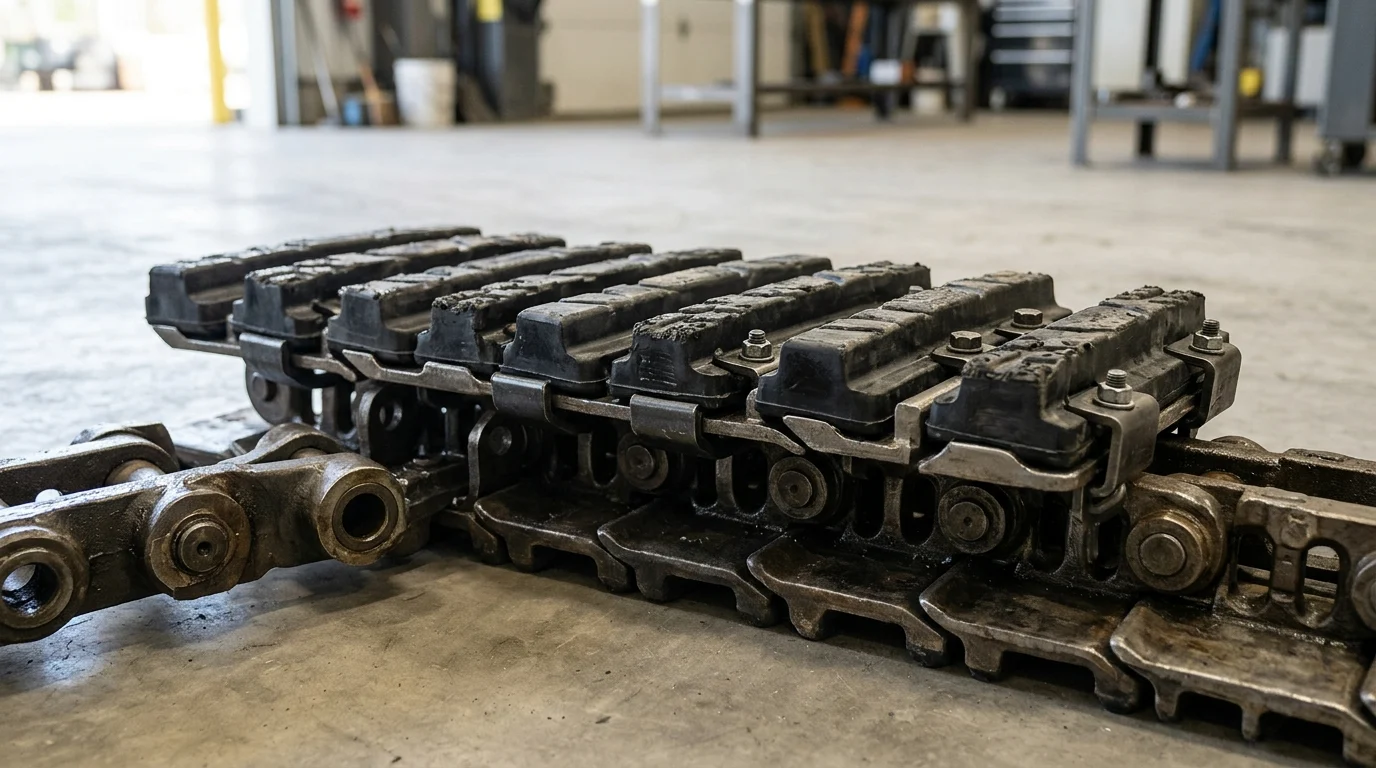
Urban construction has raised the bar for excavator mobility: machines still need steel-track durability, but they also must protect asphalt, concrete, and other finished surfaces while meeting tighter noise and damage standards. Clip on excavator track pads address that challenge by adding a removable layer of surface protection without requiring a full track change, making them especially attractive for contractors working across mixed jobsite conditions. This article explains why demand is increasing in city projects, how these pads reduce repair costs and operational disruptions, and what practical advantages they offer for fleets that need to move efficiently between rough ground and sensitive urban surfaces.
Why Clip On Excavator Track Pads Matter
The intensification of urban infrastructure projects has fundamentally altered the operational requirements for heavy machinery. Fleet managers must now balance the heavy-duty traction of steel tracks with the delicate surface preservation demanded by metropolitan environments. Clip on excavator track pads have emerged as a premier engineering solution, bridging the gap between rugged earthmoving capabilities and non-destructive transit.
As municipal regulations tighten around construction practices, the reliance on adaptable undercarriage components has surged. Transitioning seamlessly between raw dirt environments and finished paved surfaces is no longer just an operational convenience; it is a strict contractual requirement for modern civil engineering firms.
Urban jobsite constraints and demand
Working within city limits introduces strict environmental and structural constraints. Excavators operating on finished asphalt, decorative concrete, or historical cobblestone face severe penalties for surface degradation. Traditional bare steel grousers inflict gouging and scraping damage that routinely costs municipalities upwards of $150 to $250 per square meter in asphalt repair, costs which are directly passed onto contractors through fines.
Furthermore, urban noise ordinances frequently cap heavy equipment noise levels in residential and commercial zones. High-quality rubber compounds effectively dampen track chatter and mechanical vibration. Utilizing clip on pads routinely reduces operational noise by 10 to 15 decibels compared to bare steel tracks, ensuring compliance with stringent zoning laws and allowing for extended working hours in noise-sensitive districts.
Operational and commercial pressures
Beyond regulatory compliance, contractors face immense commercial pressure to maximize asset utilization. Dedicating specific machines solely to dirt work while reserving rubber-tracked mini-excavators exclusively for paved surfaces creates logistical bottlenecks and inflates capital expenditure. Clip on pads resolve this inefficiency by enabling immediate dual-use functionality for existing mid-sized and large excavators.
Converting a standard 14-ton excavator from a bare steel configuration to a surface-safe setup using clip on mechanisms takes a two-person crew approximately 1 to 2 hours. In stark contrast, swapping an entire steel track group for a continuous rubber track can consume 8 to 12 hours of intensive labor and requires specialized lifting equipment. This rapid deployment minimizes machine downtime and eliminates the need to contract third-party flatbed transport for short, intra-city relocations.
How to Compare Clip On Excavator Track Pads
Selecting the correct track pad requires a rigorous evaluation of material science, structural engineering, and dimensional tolerances. Because these components are subjected to immense shearing forces and high-torsion stress during machine counter-rotation, not all rubber formulations or mounting brackets perform equally in the field.
Technical specifications, wear, and fitment
The durability of a clip on pad is dictated by its core geometry and the chemical formulation of its rubber. Premium pads utilize a vulcanized blend of natural and synthetic rubber, engineered to achieve a durometer rating of 75 to 80 Shore A. This specific hardness threshold perfectly balances chunking resistance with the flexibility required to grip uneven surfaces. Additionally, the rubber must exhibit a minimum tensile strength of 15 to 20 MPa to survive the abrasive forces generated during heavy lifting and slewing.
| Feature | Clip-On Pads | Bolt-On Pads | Continuous Rubber Tracks |
|---|---|---|---|
| Installation Time | 1-2 Hours | 4-6 Hours | 8-12 Hours |
| Machine Modification | None required | Pre-drilled shoes needed | Full undercarriage swap |
| Surface Protection | Excellent | Excellent | Excellent |
| Cost per Replacement | Moderate ($40-$80/pad) | Low to Moderate | High ($2,000+ per track) |
As demonstrated in the comparison matrix, clip on pads offer a distinct advantage for fleets that frequently transition between environments, bypassing the need for pre-drilled steel shoes while maintaining high surface protection standards.
Comparison criteria for buyers
When evaluating distinct brands, procurement teams must scrutinize the locking mechanism and dimensional compatibility. A robust pad should feature heavy-duty steel brackets—typically 8mm to 10mm thick—that wrap securely around the steel grouser shoe to prevent lateral shifting. Single-hook versus double-hook configurations should be weighed based on the machine’s operating weight and the severity of the turning angles required on site.
Buyers must match the pad width precisely to the machine’s shoes, with 400mm, 450mm, and 600mm being the most common urban specifications. Under standard metropolitan conditions with moderate tramming, a high-grade clip on pad should deliver an operational lifespan of 1,500 to 2,500 hours before requiring replacement, provided operators avoid highly abrasive demolition debris like exposed rebar or jagged concrete.
Procurement and Deployment Strategy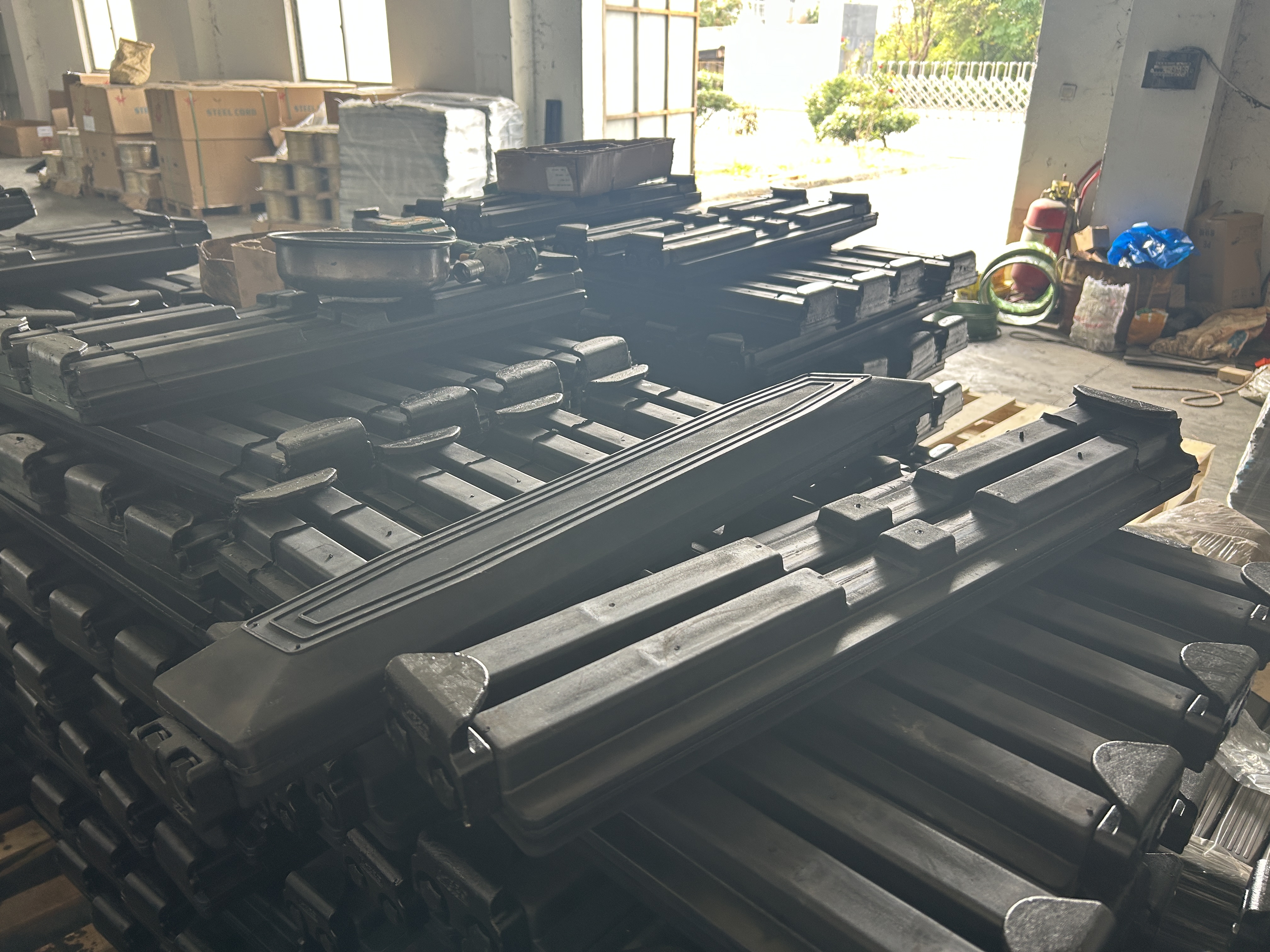
Effective deployment of clip on excavator track pads extends well beyond the initial purchase. Fleet managers must implement a strategic procurement plan that accounts for supply chain volatility, rigorous installation protocols, and long-term maintenance cycles to protect their undercarriage investments.
Supplier selection, lead times, and installation
Securing reliable inventory requires vetting suppliers for both manufacturing consistency and logistical capacity. For medium to large fleets, establishing direct relationships with manufacturers can yield significant cost reductions, though this often entails Minimum Order Quantities (MOQs) of 100 to 200 units per machine configuration. Because standard lead times for bulk international freight range from 3 to 6 weeks, accurate predictive maintenance schedules are essential to prevent stockouts.
Once inventory is secured and on-site, installation must follow strict mechanical protocols. While the process is straightforward, proper tensioning is critical. Standard impact wrenches should be followed by calibrated torque wrenches set between 80 and 120 Nm. This precise torque window ensures the clip mechanisms are securely fastened to the grouser shoe without stretching or stripping the threaded bolts, which could lead to catastrophic pad detachment during operation.
Decision framework for fleet managers
A comprehensive Total Cost of Ownership (TCO) analysis heavily favors the strategic use of clip on pads for mixed-application fleets. Outfitting a mid-sized excavator incurs an initial component cost ranging from $40 to $80 per pad, depending on width and rubber volume. However, this expenditure is rapidly offset by operational savings, including the reduction of lowboy trailer transport costs and the mitigation of municipal damage fines.
Key Takeaways
- The most important conclusions and rationale for Clip On Excavator Track Pads
- Specs, compliance, and risk checks worth validating before you commit
- Practical next steps and caveats readers can apply immediately
Frequently Asked Questions
Why are clip on excavator track pads popular on urban projects?
They protect asphalt, concrete, and stone from steel track damage while lowering noise. This helps contractors meet city regulations and avoid costly surface-repair charges.
How quickly can clip on excavator track pads be installed?
A two-person crew can usually fit them in about 1 to 2 hours on many excavators, making them practical for fast changeovers between dirt and paved jobsites.
How do clip on pads compare with bolt-on pads or full rubber tracks?
Clip on pads install faster than bolt-on pads and avoid a full undercarriage swap. They are a cost-effective choice for fleets that move often between mixed surfaces.
What should I check before ordering clip on excavator track pads from Gator Track?
Confirm shoe width, excavator model, pad style, and bracket fit. Gator Track offers clip-on, bolt-on, and chain-on pad options across many sizes and model codes.
What features indicate a durable clip on excavator track pad?
Look for quality rubber compound, strong wear resistance, and heavy-duty steel brackets. Pads with secure locking and proper fit help reduce shifting, premature wear, and jobsite downtime.

Post time: May-21-2026