Introduction
As urban expansion accelerates, contractors are under pressure to run heavy equipment on finished streets, concrete corridors, and utility-dense work zones without causing costly surface damage or excessive vibration. That challenge is helping drive record demand for chain on rubber track pads, especially on mid-size excavators and other machines working in cities. This article explains what is fueling that demand, which project types are leading adoption, and why these undercarriage upgrades have become a practical solution for balancing machine performance, site access, and compliance with stricter urban construction standards.
Why Are Chain-On Rubber Track Pads Seeing Record Demand
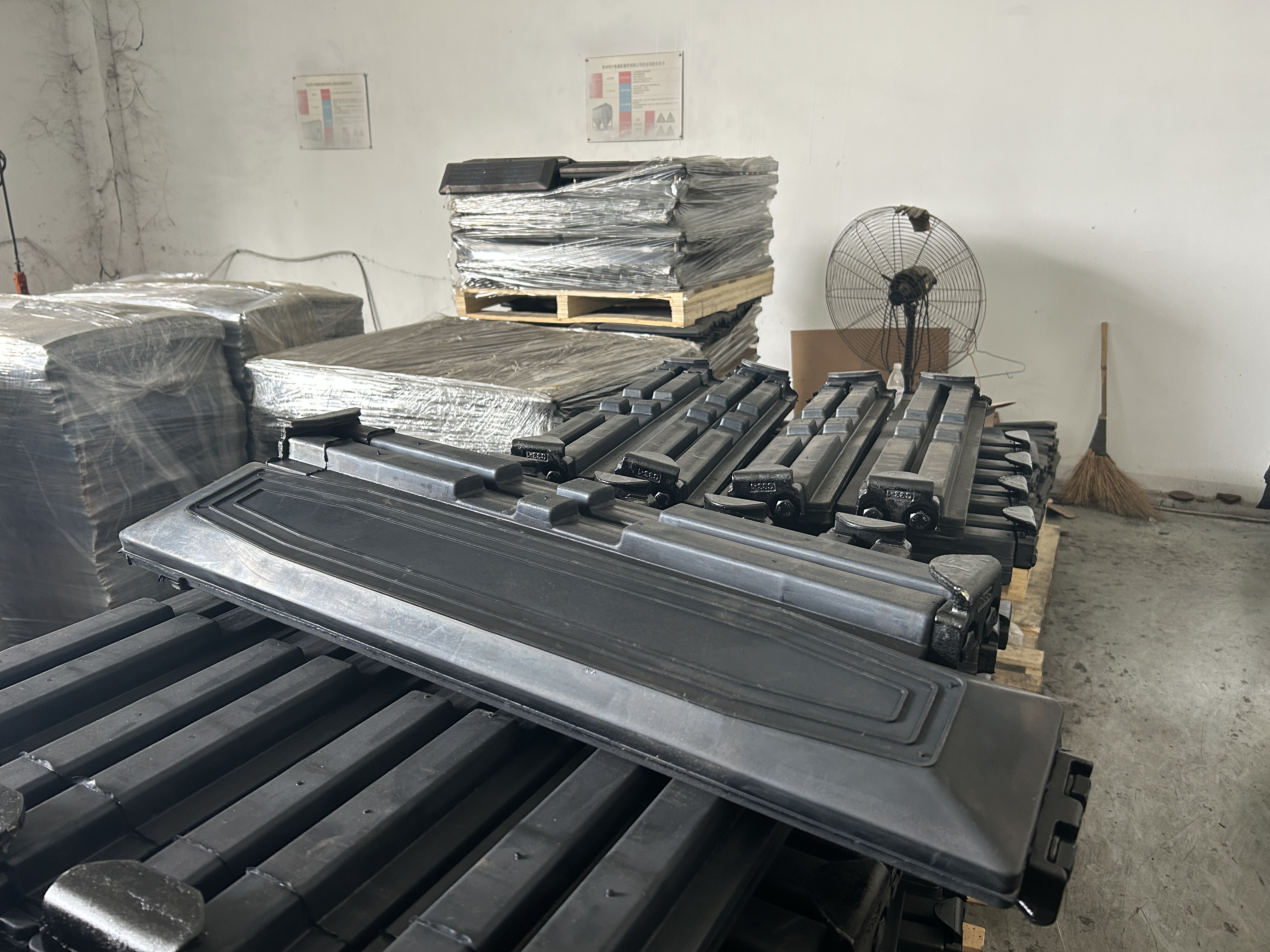
The global push for infrastructure modernization has triggered an unprecedented surge in demand for specialized heavy equipment components. At the forefront of this shift is the rapid adoption of chain-on rubber track pads , which have become critical for contractors operating 10- to 25-metric-ton excavators in densely populated areas. As urban environments prioritize minimal disruption during construction, fleets are rapidly transitioning away from bare steel undercarriages.
Industry data indicates a 15% to 18% year-over-year increase in the procurement of these specific undercarriage upgrades, driven primarily by the stringent requirements of modern urban civil engineering. This shift underscores a broader industry trend where component versatility directly dictates project profitability.
Which projects and applications are driving demand
Urban renewal initiatives, high-density utility trenching, and municipal road recycling are the primary catalysts for this demand. When heavy steel-tracked machinery operates on finished asphalt, concrete, or historical cobblestone, the resulting surface damage can be catastrophic. Contractors frequently face surface remediation penalties exceeding $15,000 per linear mile if public infrastructure is scarred during transit or operation. Furthermore, the intense vibration generated by bare steel tracks can compromise fragile, aging underground utilities located just beneath the street surface.
By utilizing chain-on rubber track pads, fleet operators can seamlessly deploy heavy excavators, pavers, and directional drills directly on finished surfaces without needing protective timber or composite mats. This capability significantly accelerates project timelines in confined metropolitan zones, allowing crews to execute rapid mobilization and demobilization.
Which commercial pressures are accelerating adoption
Beyond physical surface protection, severe commercial and regulatory pressures are forcing contractors to rethink undercarriage configurations. Municipalities are enforcing increasingly strict environmental mandates, particularly concerning urban noise and ground vibration. Equipment fitted with specialized rubber track pads can achieve a measurable reduction in operating noise—often lowering output by 3 to 5 dB(A) to comply with localized ISO 6395 acoustic limits.
Furthermore, the persistent global shortage of skilled commercial transport drivers incentivizes fleets to utilize machinery that can be safely “roaded” over short distances. Moving equipment between adjacent jobsites without requiring a dedicated flatbed or lowboy trailer eliminates severe transport bottlenecks. This operational flexibility can cut daily logistical overhead by up to 20%, dramatically improving the commercial viability of multi-site urban contracts.
What Technical, Cost, and Compliance Factors Matter Most When Specifying
Specifying the correct undercarriage components requires a rigorous evaluation of metallurgical and elastomeric properties. Fleet managers must carefully balance the immediate capital expenditure against the long-term operational durability required for high-abrasion environments. Selecting the optimal pad configuration is not merely a purchasing decision; it is an engineering calculation that directly impacts machine uptime, fuel efficiency, and lifecycle maintenance costs.
How do options compare on performance and total cost
Evaluating total cost of ownership (TCO) requires comparing various pad configurations against traditional continuous rubber tracks and bare steel chains. While continuous rubber tracks offer excellent traction and lower ground pressure, they are highly susceptible to total failure from a single localized tear caused by rebar or sharp debris. Conversely, chain-on rubber track pads provide a robust, modular solution.
| Track Configuration | Initial Cost Premium | Average Wear Life (Hours) | Surface Protection | Modular Replacement |
|---|---|---|---|---|
| Bare Steel Chain | Baseline | 4,000 – 5,000 | Poor | Yes |
| Continuous Rubber Track | +15% to +25% | 1,500 – 2,500 | Excellent | No |
| Chain On Rubber Track Pads | +30% to +40% | 3,000 – 4,000 | Excellent | Yes |
If a single pad is severely damaged, it can be replaced individually in under 20 minutes by a single field technician, preserving the integrity of the remaining track and avoiding costly heavy-lift interventions. Over a standard five-year equipment lifecycle, the modularity and extended wear life of chain-on rubber track pads can reduce undercarriage TCO by 18% to 25%, particularly in mixed-surface applications where continuous tracks suffer premature chunking.
Which specifications should buyers evaluate first
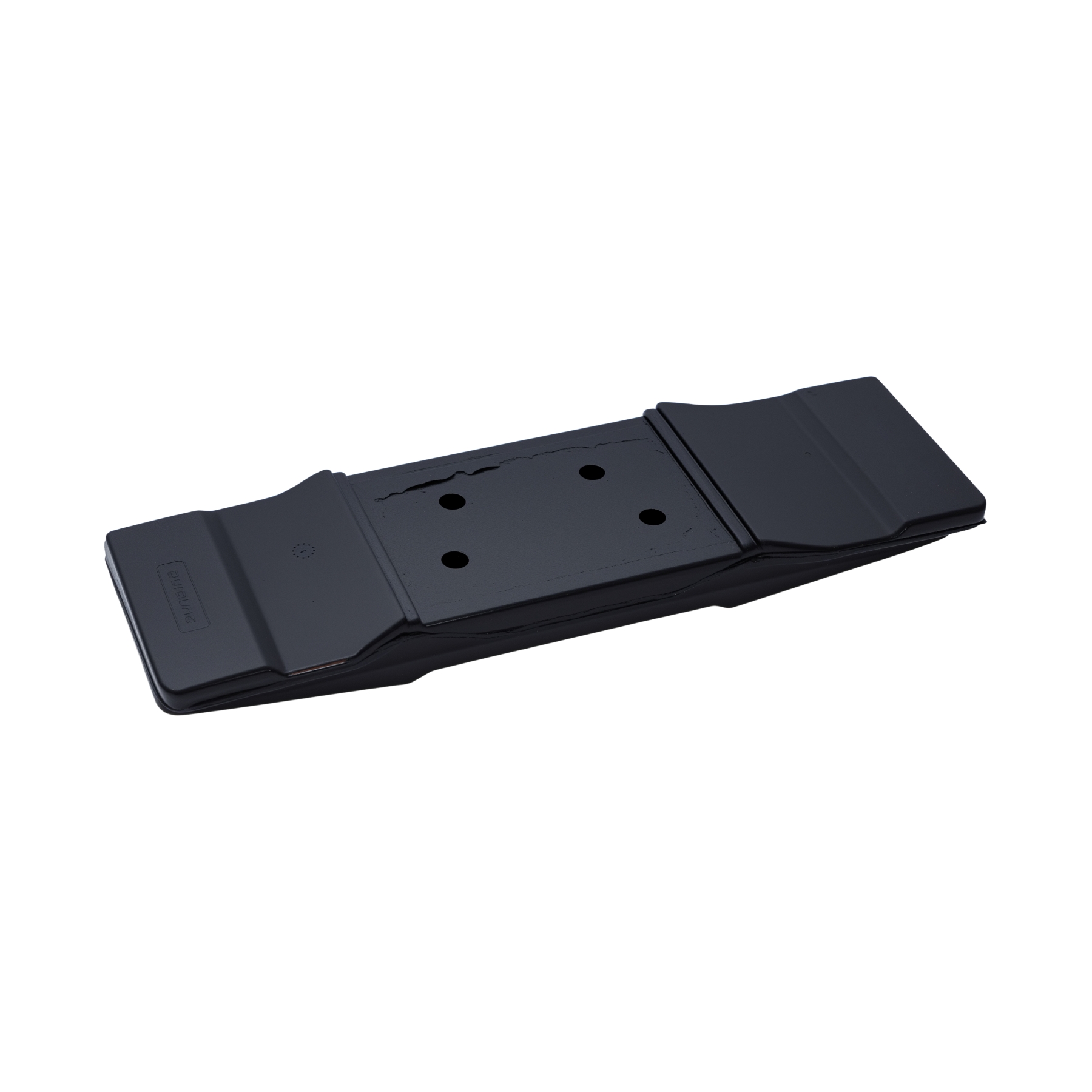
Procurement engineers must scrutinize several critical specifications before authorizing a fleet-wide purchase. The rubber compound should feature a highly engineered blend of natural and synthetic polymers, typically formulated to achieve a Shore A hardness rating between 75 and 82. This specific durometer range ensures optimal resistance to chunking and tearing while maintaining sufficient flexibility to dampen track vibration and protect the machine’s final drives.
Tensile strength is another non-negotiable metric; premium pads must demonstrate a minimum tensile strength of 20 to 25 MPa to withstand heavy lateral loads. Additionally, dimensional compatibility is paramount. Buyers must verify the exact chain pitch—commonly 135mm, 154mm, 171mm, or 190mm—and ensure the internal steel core plates are drop-forged and heat-treated to resist shear forces during high-torque slewing maneuvers.
How Should Contractors and Fleet Managers Source Chain-On Rubber Track
As global supply chains remain susceptible to raw material shortages and localized logistical bottlenecks, strategic sourcing of heavy-duty undercarriage parts has evolved into a core operational competency. Reactive purchasing inevitably leads to extended machine downtime and severely compromised project margins. Establishing a resilient procurement framework requires a shift from transactional buying to proactive lifecycle management and strategic vendor partnerships.
Which procurement and inventory steps reduce lead times
To mitigate the impact of fluctuating lead times—which can stretch from a standard four weeks to an agonizing 12 to 16 weeks during peak spring and summer construction seasons—fleet managers must implement predictive inventory models. Utilizing machine telematics, contractors can track exact undercarriage hours and project wear rates based on the specific abrasive qualities of current jobsites. This data-driven approach removes the guesswork from procurement cycles.
Best practices dictate maintaining a localized buffer stock of 10% to 15% for critical, high-utilization excavator classes.
Key Takeaways
- The most important conclusions and rationale for Chain On Pads
- Specs, compliance, and risk checks worth validating before you commit
- Practical next steps and caveats readers can apply immediately
Frequently Asked Questions
Why are chain-on rubber track pads in high demand for urban projects?
They let steel-tracked machines work on asphalt, concrete, and cobblestone with less surface damage, noise, and vibration, helping contractors avoid penalties and move faster in city jobs.
What machines commonly use chain-on rubber track pads?
They are widely used on 10- to 25-ton excavators and other steel-undercarriage equipment working on mixed surfaces in municipal, utility, and road-recycling projects.
How do chain-on pads compare with continuous rubber tracks?
Chain-on pads offer excellent surface protection plus modular replacement. If one pad fails, you replace that pad only, unlike continuous rubber tracks that may require full track replacement.
Which specifications should I check before ordering from Gator Track?
Confirm machine model, pad style, chain pitch, bolt pattern, pad width, and operating surface. Gator Track offers chain-on and other pad types across broad fitment sizes and model codes.
Can damaged chain-on rubber track pads be replaced quickly on site?
Yes. A single damaged pad can often be changed individually in about 20 minutes, reducing downtime and avoiding replacement of the full undercarriage setup.
Post time: Jun-05-2026