
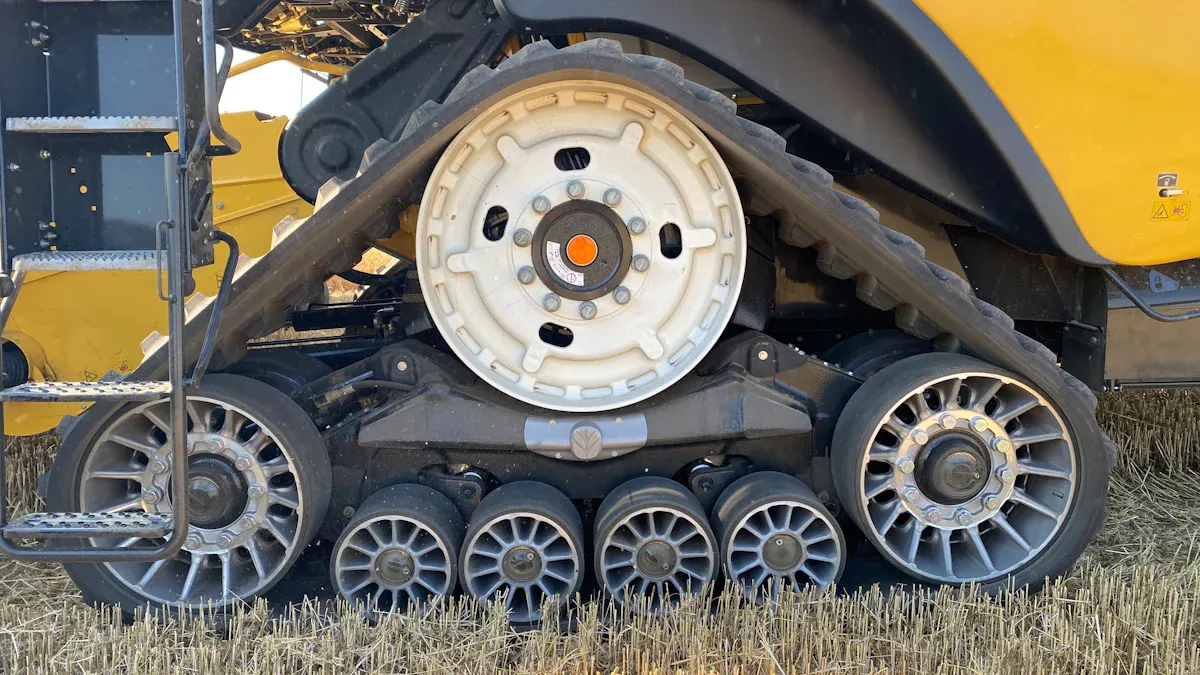
Rubber tracks help loaders move smoothly on many surfaces. They give strong traction and protect the ground from damage. Operators feel less vibration and more comfort during work. Regular care and correct installation keep rubber tracks working well in different environments.
Key Takeaways
- Rubber tracks improve loader traction and protect the ground on many surfaces, making work smoother and safer.
- Choosing the right track size and pattern, along with proper installation and tension, ensures better performance and longer track life.
- Regular inspection, cleaning, and careful driving help maintain rubber tracks and prevent damage, saving time and money.
Rubber Tracks: Key Benefits and Selection Tips
Enhanced Traction and Versatility
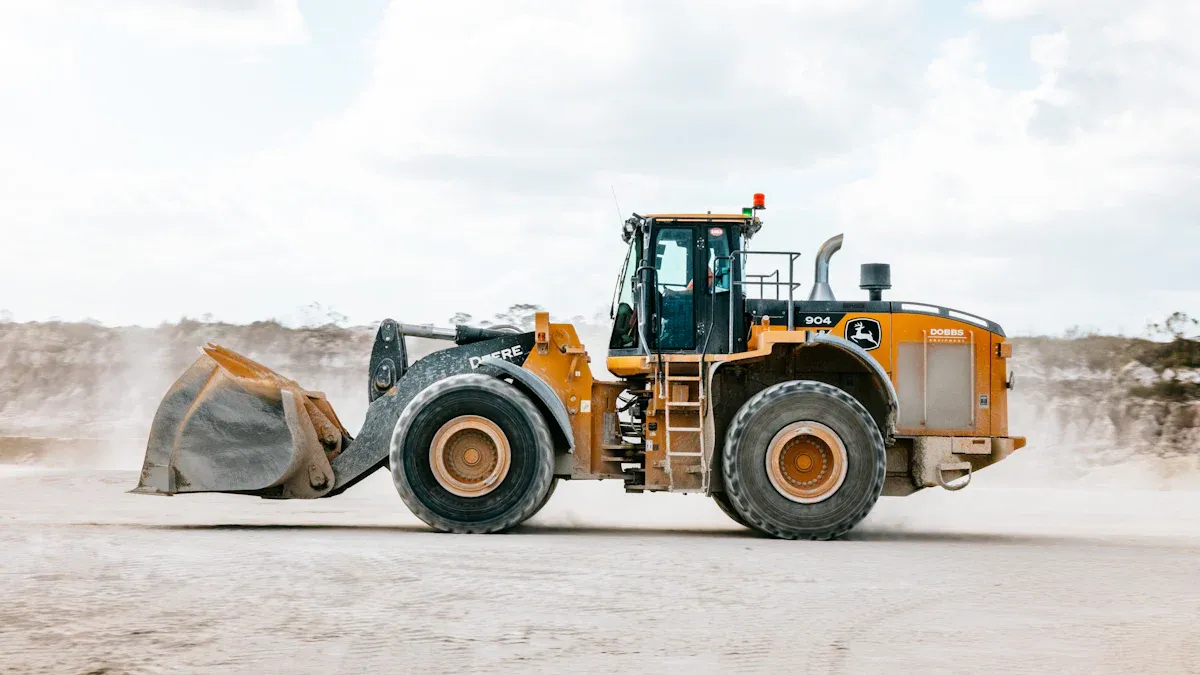
Rubber tracks help loaders move across many types of ground. They work well on soft soil, mud, sand, gravel, and even snow. The wide, continuous surface of rubber tracks gives loaders a strong grip. This design lets the machine keep moving, even on slippery or uneven ground. Operators can steer each track separately, which allows for sharp turns and better control in tight spaces.
- Rubber tracks provide more traction than tires on soft or loose surfaces.
- The large contact area helps prevent the loader from sinking.
- Machines with rubber tracks can turn in place, making them useful in small or rough areas.
- Rubber tracks last longer and resist damage better than regular tires.
Reduced Ground Disturbance and Soil Compaction
Rubber tracks protect the ground while the loader works. They spread the weight of the machine over a larger area. This reduces the pressure on the soil and helps prevent deep ruts or compacted spots. In landscaping and farming, less soil compaction means better water flow and healthier plants.
- Rubber tracks lower the stress on the ground compared to tires.
- Less soil compaction keeps the land in better shape for future use.
- Tracks help avoid deep marks or damage, which is important on lawns or finished surfaces.
Tip: Using rubber tracks can help keep work sites cleaner and reduce the need for repairs to the ground after the job.
Improved Operator Comfort and Machine Control
Rubber tracks make the ride smoother for the operator. The tracks absorb bumps and reduce vibration. This means the person driving the loader feels less tired after a long day. Better control also helps the operator work more safely and accurately.
- Less vibration leads to a more comfortable ride.
- Smoother movement helps the operator stay focused.
- Good control makes it easier to handle tough jobs.
Choosing the Right Track Size and Pattern
Selecting the correct size and tread pattern is important for getting the best results. The right size ensures the track fits the loader and supports its weight. Different tread patterns work better on certain surfaces. For example, a deeper tread may help in mud, while a smoother pattern may suit hard surfaces.
| Surface Type | Recommended Tread Pattern |
|---|---|
| Mud/Snow | Deep, aggressive |
| Gravel | Medium, multi-purpose |
| Pavement | Smooth, low-profile |
Operators should check the loader’s manual or ask a professional for advice when choosing tracks.
Quality and Durability Considerations
High-quality rubber tracks last longer and perform better. Tracks made with strong rubber and tough inner materials resist wear and tear. They also handle changes in temperature and rough ground. Regular inspection helps spot any damage early, so the tracks can keep working safely.
- Quality tracks reduce the need for repairs.
- Durable tracks save money over time.
- Good materials help the tracks work well in hot or cold weather.
Note: After working in areas with chemicals, oil, or salt, operators should clean the tracks to prevent aging and damage.
Rubber Tracks: Maximizing Performance and Maintenance
Proper Installation and Track Tension
Correct installation of rubber tracks ensures safe and efficient loader operation. Installers should follow the loader’s manual and use the right tools. They must check that the tracks sit evenly on the undercarriage. Proper track tension prevents slippage and reduces wear. If the tracks feel too loose, they may come off during use. If the tracks feel too tight, they can stretch or break. Operators should check track tension regularly, especially after the first few hours of use. Adjustments help maintain the right balance between flexibility and grip.
Operating Techniques for Different Surfaces
Operators can improve loader performance by adjusting their driving style for each surface. On soft ground, they should avoid sharp turns to prevent tearing the tracks. On gravel or rocky surfaces, slow and steady movement reduces the risk of cuts or punctures. When working on pavement, smooth and gradual turns help protect the tread pattern. Operators should always watch for sharp objects or debris that could damage the tracks. Careful driving extends the life of rubber tracks and keeps the loader moving safely.
Regular Inspection and Cleaning
Routine inspection helps spot problems before they become serious. Operators should look for cracks, cuts, or missing chunks in the rubber. They should also check for stones or debris stuck in the tracks. Cleaning the tracks after each use removes dirt, chemicals, and oil that can cause aging. If the loader works in salty or oily environments, washing the tracks with water helps prevent damage. Regular cleaning and inspection keep the tracks in good shape and ready for the next job.
Storage and Environmental Considerations
Proper storage protects rubber tracks from damage and extends their lifespan. Operators should avoid leaving loaders in direct sunlight for long periods. Parking in shaded areas or covering the tracks helps prevent the rubber from drying out or cracking. If the loader will not be used for several weeks, running the machine for a few minutes every two weeks keeps the tracks flexible and prevents flat spots. These simple steps help maintain the quality of rubber tracks through every season.
- Park loaders in shaded areas or use covers to block sunlight.
- Run the machine briefly every two weeks if not in use.
Recognizing Wear and Replacement Timing
Knowing when to replace rubber tracks keeps the loader safe and efficient. Operators should look for deep cracks, exposed cords, or missing tread. If the tracks slip often or make unusual noises, they may need replacement. Worn tracks can reduce traction and increase the risk of accidents. Replacing them at the right time helps the loader perform at its best and avoids costly repairs.
Common Mistakes to Avoid
Some mistakes can shorten the life of rubber tracks. Over-tightening or under-tightening the tracks causes damage. Ignoring regular cleaning lets dirt and chemicals build up, which weakens the rubber. Storing loaders in direct sunlight or on uneven ground can deform the tracks. Operators should avoid driving over sharp objects and making sudden turns on rough surfaces. By following best practices, they can keep rubber tracks working longer and more reliably.
- Rubber Tracks help loaders work better on many surfaces.
- Operators should choose tracks that match their job needs.
- Regular inspection and cleaning keep tracks in good shape.
- Safe installation and correct tension improve loader safety.
- Changing driving style for each surface helps tracks last longer.
FAQ
How often should operators inspect rubber tracks?
Operators should inspect rubber tracks before each use. They need to look for cracks, cuts, or debris. Regular checks help prevent unexpected problems.
What surfaces work best for rubber tracks?
Rubber tracks perform well on soft soil, sand, gravel, and snow. They also protect finished surfaces like lawns or pavement from damage.
Tip: Avoid sharp objects and rough debris to extend track life.
How can operators clean rubber tracks after use?
Operators can use water and a soft brush to remove dirt, oil, or chemicals. Cleaning after each job helps prevent aging and keeps tracks in good condition.

Post time: Aug-11-2025