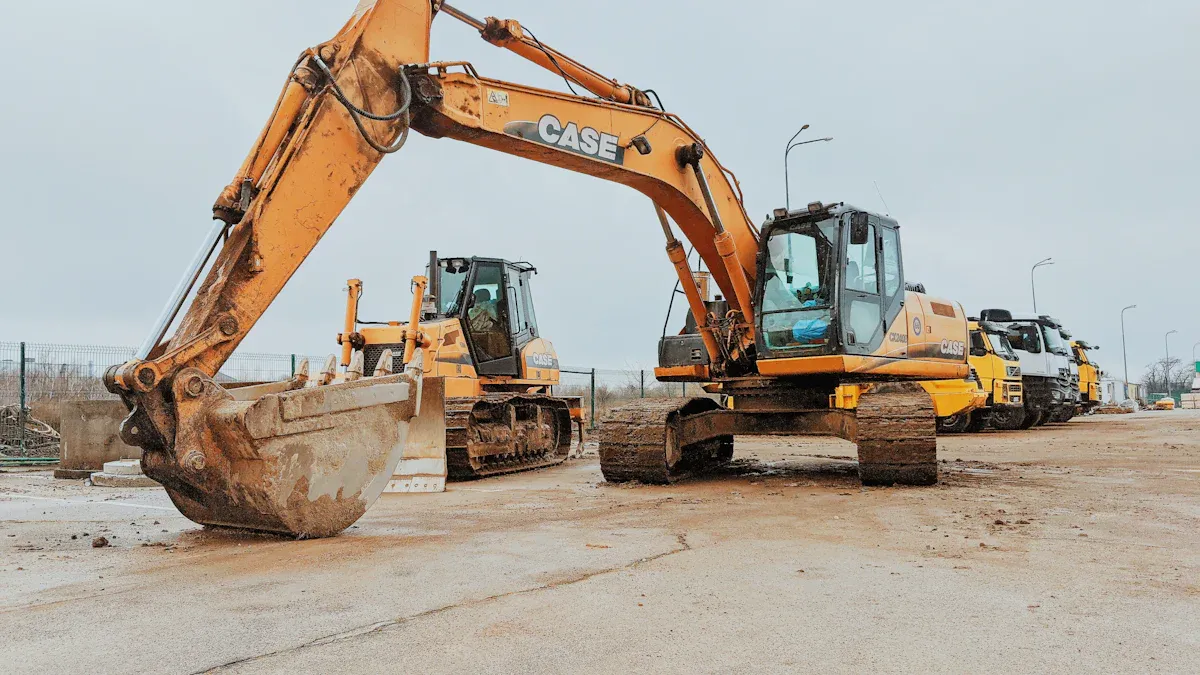
Excavator Rubber Tracks have taken the construction world by storm. The market now races toward a projected USD 2.8 billion by 2033, thanks to booming infrastructure and the shift from steel to rubber for better traction and less ground damage. These tracks offer elastic, wear-resistant rubber that cushions machines and protects surfaces—no more chewed-up roads or tricky installations!
Tip: Choosing the right tread pattern and premium rubber can save headaches and extend the life of your machine.
Key Takeaways
- Choose rubber tracks that fit your excavator’s size and job needs to boost performance, safety, and machine life.
- Match tread patterns to your terrain and weather for better grip, less wear, and smoother operation.
- Maintain tracks regularly by cleaning, checking tension, and inspecting for wear to save money and avoid downtime.
Why Choosing the Right Excavator Rubber Tracks Matters
Performance and Efficiency
Excavator Rubber Tracks turn a sluggish machine into a nimble workhorse. When the tracks fit just right, the excavator glides over rough ground like a pro. Operators notice less downtime because the tracks stay in place and avoid rubbing against the undercarriage. Specialized rubber compounds, such as those with high elasticity and cut resistance, help machines handle heavy loads and tough terrain with ease. Tread patterns also play a big role. Zig-zag designs grip snow and ice, making winter jobs less of a slip-and-slide adventure. Regular maintenance and clean worksites keep the tracks running smoothly, so the machine keeps working hard.
Note: Tracks with high abrasion and heat resistance last longer, even on hot or rocky surfaces. Reinforced steel cords inside the tracks boost strength and help prevent sudden breakdowns.
Safety and Stability
Safety on the job site starts from the ground up. Properly sized tracks keep the excavator steady, reducing the risk of tipping or de-tracking. Good tread patterns mean better traction, especially when the ground gets slippery. Operators who know how to avoid debris and sharp turns help the tracks last longer and keep everyone safe. Clean tracks and correct tension also cut down on vibration, making the ride smoother and the work safer.
Cost Savings Over Time
Choosing high-quality rubber tracks saves money in the long run. Durable tracks need fewer replacements and repairs, which means less time and money spent on maintenance. These tracks also protect other machine parts from wear and tear, stretching the life of the whole excavator. Better traction and less ground damage keep job sites in good shape, boosting productivity. Investing in premium tracks pays off with reliable performance and fewer headaches down the road.
Step 1: Identify Your Machine and Application Needs for Excavator Rubber Tracks
Machine Type and Weight
Every excavator has its own personality. Some machines look small and nimble, while others stomp around like giants. The type and weight of the excavator decide which rubber tracks fit best. Compact excavators and mini excavators often switch between steel and rubber tracks with ease. Skid steers and multi-terrain loaders need tracks with special tension and support. Heavy machines demand tracks that can handle big loads without sagging or slipping. Operators check the undercarriage and make sure the tracks match the weight and power of the machine. If the tracks sag too much or feel too tight, the excavator might struggle or wear out faster. Choosing the right track design keeps the machine moving smoothly and helps it last longer.
Tip: Always measure the track sag and tension before installing new tracks. A little extra care saves a lot of trouble!
- Common machine types needing specific rubber track designs:
- Compact excavators
- Mini excavators
- Skid steers
- Multi-terrain loaders
- Compact track loaders
Job Site Conditions and Terrain
The ground beneath the excavator tells a story. Mud, rocks, grass, and pavement all challenge the tracks in different ways. Operators pick tread patterns that match the terrain. Straight bar treads grip muddy ground and keep the machine from sinking. Zigzag patterns handle mixed surfaces and give a smoother ride. Open lug tracks shed mud and debris, keeping traction strong. Deep grooves resist sharp rocks and protect the tracks from cuts. Block and hybrid patterns work well on tough surfaces like concrete or gravel. Lateral treads protect sensitive lawns and make turning easier.
| Tread Pattern | Best Terrain | Benefit |
|---|---|---|
| Straight Bar | Muddy, wet ground | Maximum traction |
| Zigzag | Mixed surfaces | Smooth ride, better grip |
| Open Lug | Wet soil | Self-cleaning, strong traction |
| E3/L3+ Lug | Rocky terrain | Cut and puncture resistance |
| Block | Concrete, gravel | Balanced grip and durability |
| Hybrid | Urban, mixed | Traction and side stability |
| Lateral | Pavement, lawns | Surface protection, easy turns |
Operators also think about the weather. Hot days soften rubber, while cold days make it brittle. Sunlight can crack the surface, and chemicals from the job site can damage the rubber and steel inside. Regular cleaning and storing tracks in a safe place help them last longer.
Frequency and Intensity of Use
Some excavators work all day, every day. Others only come out for special jobs. The more often and harder the machine works, the faster the tracks wear down. Machines that dig in rough terrain or carry heavy loads need tracks with extra durability. Operators who use their excavators for intense jobs replace tracks more often. Regular maintenance, like cleaning and checking tension, helps tracks survive longer. New designs and rubber blends fight against wear and tear, making tracks tougher than ever.
- Frequent use and tough jobs mean:
- Faster wear and tear
- More replacements needed
- Greater need for strong, durable tracks
Operators who pay attention to how often and how hard their machines work can choose tracks that match their needs. Smart choices lead to fewer breakdowns and smoother rides.
Note: Regular cleaning and tension checks can extend track life by up to 40%. That means more digging and less downtime!
Excavator Rubber Tracks offer elastic, wear-resistant rubber that cushions machines and protects surfaces. Operators who match tracks to their machine type, job site, and work schedule get the best performance and longest life.
Step 2: Understand Excavator Rubber Tracks Technologies and Tread Patterns

Latest Innovations in Rubber Tracks
In 2025, the world of excavator tracks feels like a science fair on steroids. Engineers have cooked up multi-layered rubber compounds that laugh in the face of sharp rocks and heavy loads. These new tracks flex like gymnasts, bounce back from tough jobs, and keep machines rolling with less noise. Some tracks even use recycled rubber or bio-based materials, making them friendly to the planet. Operators now spot smart track pads with sensors that send real-time updates about wear and tear. Customization options let crews pick tracks that fit their exact needs, stretching the lifespan and boosting fuel efficiency. The result? Excavator Rubber Tracks that work harder, last longer, and keep operators smiling.
Tread Pattern Selection
Choosing the right tread pattern feels like picking the perfect pair of shoes. Each pattern brings its own superpower to the job. Staggered blocks handle city streets and lawns with ease, while C-Lugs grip muddy ground like a bulldog. V-Lugs paddle through snow and loose gravel, and Z-Lugs zigzag across slippery slopes. Straight bars dig into mud and snow, giving maximum grip, while multi-bars offer a smooth ride when the ground keeps changing its mind. Operators look at the job site, check the weather, and pick the tread that matches the challenge.
Matching Tread to Specific Terrain
The secret to smooth digging? Match the tread to the terrain. Here’s a quick guide:
| Tread Pattern | Best Terrain | Superpower |
|---|---|---|
| Staggered Block | Asphalt, sand, lawns | Versatile, even weight, gentle on surfaces |
| C-Lug | Mud, clay, mixed roads | Extra grip, steady on soft ground |
| V-Lug | Gravel, snow, mud | Directional, paddles through loose stuff |
| Z-Lug | Slopes, wet, muddy | Top traction, self-cleaning, no slipping |
| Straight Bar | Mud, snow, soft ground | Aggressive grip, ejects mud fast |
| Multi-Bar | Mixed, changing surfaces | Smooth ride, keeps traction, no mud buildup |
Operators who match tread to terrain see less downtime and more digging. The right choice means fewer slips, less wear, and a job well done.
Step 3: Evaluate Track Size, Width, and Fit for Excavator Rubber Tracks
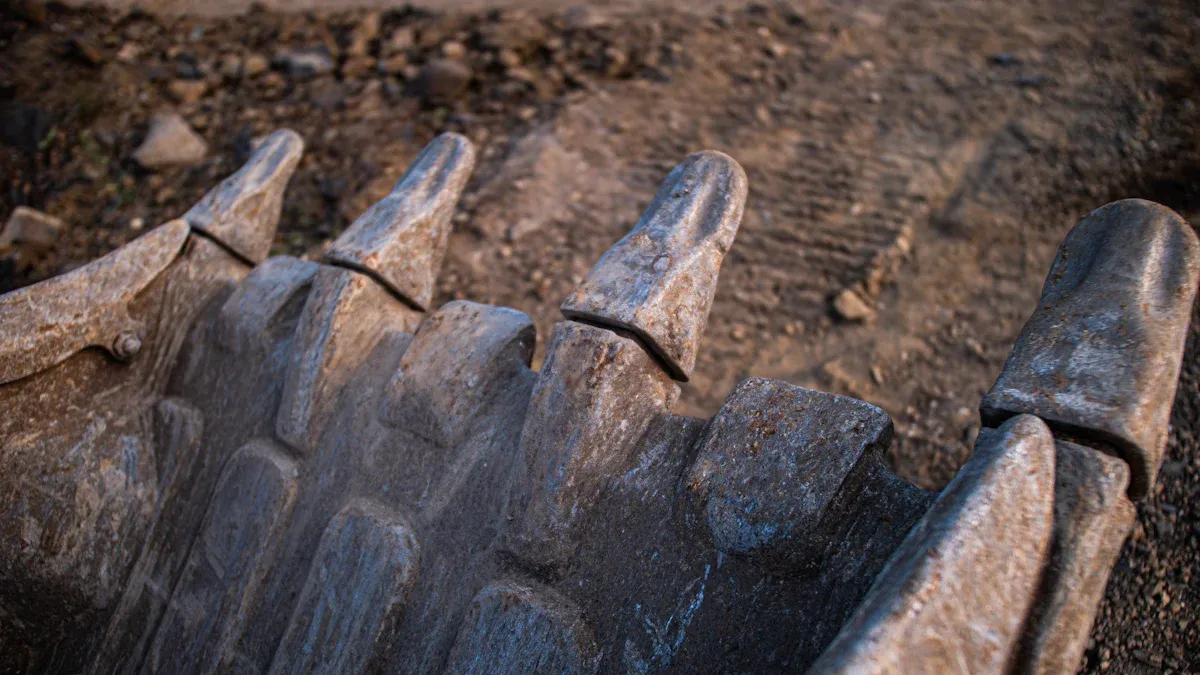
Measuring for Proper Fit
Operators love a good measuring tape. They know that a perfect fit means fewer headaches. To measure track size, they follow these steps:
- Place a tape measure across the top of the rubber track to record the width in millimeters.
- Measure the pitch by checking the distance from the center of one drive lug to the next.
- Count all drive lugs or links by marking one and counting around the track until returning to the mark.
- Inspect for wear and tear. Deep tread means new tracks. Shallow tread, cracks, or missing lugs signal replacement time.
A well-fitted track hugs the undercarriage and keeps the excavator moving like a champ.
Importance of Track Width
Track width changes everything. Wide tracks give excavators a stable base, making tipping less likely. Operators feel confident on slopes and uneven ground. Wide tracks spread weight, so the machine glides over soft soil without sinking. Narrow tracks help the excavator squeeze through tight spaces, like gates or between buildings. Some machines use retractable undercarriages, letting operators switch between wide and narrow settings. This flexibility opens up more job sites and boosts safety.
Tip: Wide tracks mean more traction and less ground damage. Narrow tracks mean better access in cramped areas.
Avoiding Sizing Mistakes
Sizing mistakes can turn a workday into a circus. Tracks that are too small or too large cause poor performance and wear out fast. Wrong sizing leads to track derailment and safety risks. Operators check the size stamped on old tracks and consult with suppliers before buying new ones. They know that the right size keeps the excavator running smoothly and safely.
Excavator Rubber Tracks with the correct size and width make every job easier, safer, and more efficient.
Step 4: Assess Rubber Composition and Internal Structure of Excavator Rubber Tracks
Rubber Quality and Blends
Rubber tracks are not all created equal. Some use special blends that turn ordinary rubber into a superhero. High-quality tracks often combine natural and synthetic rubber, making them tough against cuts and scrapes. Operators love how these blends cushion the ride and keep machines steady. Take a look at how different rubber tracks stack up:
| Type of Rubber Track | Features | Best Use Case |
|---|---|---|
| Continuous Rubber Tracks | Seamless, flexible | Smooth ride, versatile terrain |
| Steel-Reinforced Tracks | Steel cables inside rubber | Rugged, abrasive surfaces |
| Hybrid Tracks | Rubber plus steel reinforcement | Balanced durability and flexibility |
| Block Pattern Tracks | Deep lugs for grip | Muddy or soft ground |
| Smooth Tread Tracks | Flat surface | Delicate or paved areas |
Steel Cord and Internal Reinforcement
Steel cords hide inside many tracks like a secret skeleton. These cords give the track muscle, stopping it from stretching or snapping under heavy loads. The steel works with the rubber to absorb shocks and keep the track in shape. If someone tries to cut or bolt the cords, the track loses its strength and fails early. Manufacturers use special wrapping and vulcanization to bond the steel and rubber, making the track strong and flexible. This teamwork keeps the track rolling, even on the toughest jobs.
- Steel cords add strength and prevent stretching.
- Vulcanization bonds rubber and steel for extra durability.
- Textile wrapping spreads weight and protects the cords.
Impact on Durability and Performance
The right mix of rubber and steel turns a track into a long-distance runner. Tracks with abrasion-resistant rubber and reinforced edges fight off cracks and surface damage. Standardized tests show these tracks last longer, even in harsh conditions. Steel cords and tough sidewalls stop the track from losing shape or getting punctured. Some tracks even use Kevlar for extra cut resistance. All these features mean less downtime, fewer replacements, and more digging.
Tip: Tracks with strong internal structure and quality rubber keep machines working longer and safer.
Step 5: Compare OEM and Aftermarket Excavator Rubber Tracks
Pros and Cons of OEM Tracks
OEM tracks come straight from the original manufacturer. They fit like a glove and usually arrive with a full warranty. Operators trust these tracks to keep machines running smoothly. OEM tracks often boost resale value, making machines more attractive to future buyers. The downside? These tracks can cost more than a fancy dinner for ten. Sometimes, they only show up through official dealers, which means waiting for delivery. Still, many choose OEM for peace of mind and guaranteed performance.
Pros and Cons of Aftermarket Tracks
Aftermarket tracks enter the scene with a promise of savings. They often cost less and pop up in more places. Some even offer cool features or tread patterns not found in OEM options. Operators love the wider selection and the chance to save money. However, not all aftermarket tracks play nice with every machine. Compatibility checks become a must. Warranties may be shorter, and resale value might take a hit. Choosing a trusted supplier helps avoid headaches.
| Aspect | OEM Excavator Rubber Tracks | Aftermarket Excavator Rubber Tracks |
|---|---|---|
| Compatibility | Guaranteed fit | May require extra checks |
| Warranty | Full coverage | Limited or none |
| Resale Value | Higher | Sometimes lower |
| Cost | Higher | Lower |
| Availability | Limited channels | Wide selection |
| Features | Standard | Sometimes enhanced |
Evaluating Value and Suitability
Operators weigh several factors before picking tracks. They check compatibility, making sure the tracks fit the machine perfectly. Terrain matters too—smooth tracks for landscaping, rugged ones for tough jobs. Budget plays a big role, but smart buyers look at total cost, not just the sticker price. Maintenance, warranty, and after-sales support all tip the scales. Tracks with self-cleaning treads shine in muddy spots. Longer warranties mean less risk. Customer reviews and supplier reputation help guide the way.
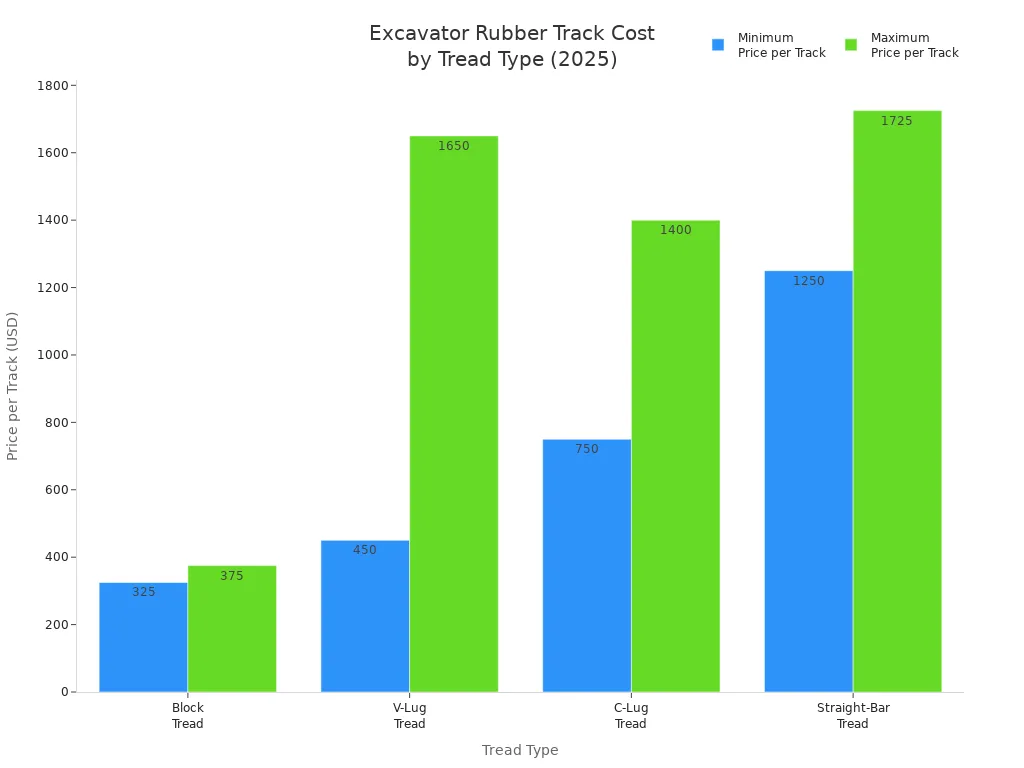
Choosing between OEM and aftermarket tracks means balancing cost, performance, and peace of mind. The right choice keeps Excavator Rubber Tracks rolling strong, no matter the job.
Step 6: Maintenance and Replacement Tips for Excavator Rubber Tracks
Signs of Wear and When to Replace
Excavator operators know that tracks tell their own story. Some signs shout for attention:
- Cracks or missing lugs appear on the rubber surface.
- Sprocket teeth look hooked or pointed, not round.
- Steel cords peek through the rubber like a bad haircut.
- Tread depth shrinks below one inch, making traction a distant memory.
- Tracks feel too loose or too tight, causing jumps or power loss.
When these clues show up, it’s time for new tracks. Ignoring them can turn a workday into a rescue mission.
Maintenance Best Practices
Smart crews treat their tracks like gold. They:
- Check track tension every day, adjusting for weather and machine size.
- Clean tracks after each shift with a stiff brush or low-pressure water.
- Rotate tracks from left to right to spread out the wear.
- Inspect undercarriage parts—sprockets, rollers, and bolts—regularly.
- Train operators to avoid sharp turns and wild spins.
Tip: Store rubber tracks in cool, dry, shaded spots to keep them fresh and ready for action.
Extending Track Life
With the right care, Excavator Tracks can last between 1,200 and 2,500 hours. Softer soils help tracks live longer, while rocky ground wears them down faster. Regular cleaning, tension checks, and gentle driving keep tracks rolling strong. Operators who follow these habits enjoy fewer breakdowns and more digging days.
Choosing Excavator Rubber Tracks is like picking the right shoes for a race. Operators measure, check tread, and pick strong rubber for the job. New tech brings smart features and longer life. Experts help avoid mistakes. Smart choices mean safer sites, smoother rides, and more money saved.
Tip: Regular checks and the right fit keep machines running strong!
FAQ
How often should operators check excavator rubber tracks?
Operators should check tracks daily. A quick look for cracks, loose tension, or debris can save a mountain of trouble later. Prevention beats repair every time!
Can rubber tracks handle rocky or uneven ground?
Rubber tracks love smooth roads. On rocky ground, they need extra care. Sharp stones can damage the rubber. Operators should avoid wild turns and keep speeds steady.
What is the best way to store rubber tracks when not in use?
Store tracks in a cool, dry place. Sunlight and moisture can weaken rubber. Operators stack tracks flat and keep them away from sharp objects. Happy tracks, happy machines!

Post time: Aug-13-2025