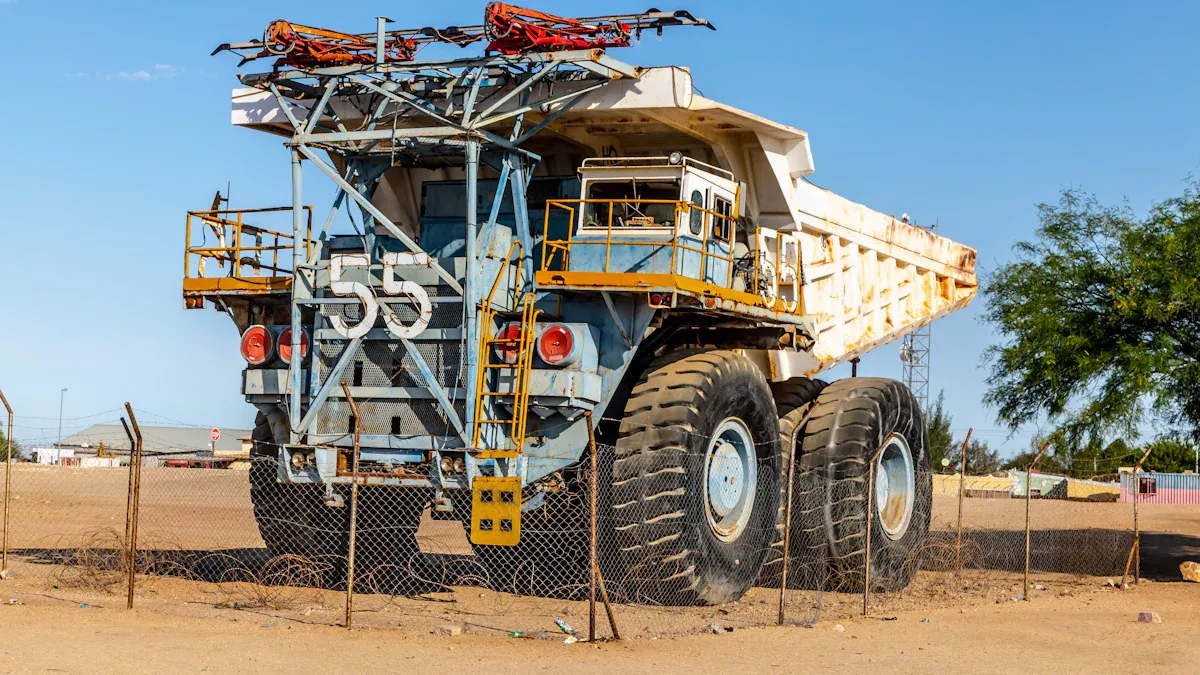
I know harsh jobsites demand the best. Heavy-Duty Dumper Tracks with reinforced steel cores are essential. They provide unmatched durability, superior traction, and extended operational life. I see these heavy duty dumper tracks combat common track failures in extreme conditions. These Dumper Tracks truly never quit.
Key Takeaways
- Reinforced steel cores make heavy-duty dumper tracks very strong. They help tracks last longer and work better on tough jobs.
- These tracks have steel inside them. This helps them avoid punctures and carry heavy loads without breaking.
- Using these strong tracks means less time fixing machines. This helps jobs finish on time and saves money.
The Core Problem: Why Standard Heavy-Duty Dumper Tracks Fail
Common Challenges on Harsh Jobsites
I see many challenges on harsh jobsites. Terrain plays a big role. Working on hills, slopes, and uneven ground creates resistance. This resistance significantly wears down undercarriage parts. Underfoot conditions are also tough. Abrasive rocks and harsh debris directly hit the tracks. Even seemingly soft sand grinds away at moving undercarriage parts. This causes high wear and shortens life for Heavy-Duty Dumper Tracks. I know jagged stone, rebar, and scrap iron can slice rubber tracks. These materials affect internal steel cords. Corrosive materials like salt, oil, and chemicals also make rubber tracks deteriorate. Exposure to UV rays from the sun causes treads to wear faster. It can also lead to dry-rotting. Quarry, demolition, and recycling sites are especially harsh environments.
Limitations of Non-Reinforced Track Designs
Standard track designs often struggle. They lack the strength for extreme conditions. I see many mechanical failures. Worn bearings, gears, and seals are common problems. Overloaded components also cause issues. Poor maintenance contributes to these failures. Constant vibration from rough terrain shakes track components apart. This vibration causes cracking in critical parts of the track system. Job site contamination, like mud and dust, gets into moving parts. This leads to increased friction and wear. Thermal shock from frequent stops and starts causes materials to expand and contract rapidly. This leads to cracking and fatigue in the track’s structure. High load at low RPM, common for Heavy-Duty Dumper Tracks, produces excessive stress. Non-reinforced tracks cannot withstand these combined stresses. They break down quickly. This leads to significant downtime and costly repairs.
Unveiling the Power: Reinforced Steel Cores in Heavy-Duty Dumper Rubber Tracks
The Anatomy of Steel Core Construction
I see the true strength of these tracks lies deep within their core. This is where the magic of reinforced steel core construction happens. Unlike standard tracks, I find these designs integrate a robust internal framework of high-strength steel. This framework acts as the backbone, providing unparalleled structural integrity. I observe manufacturers often use a ladder frame design for the track’s main body. This frame utilizes high-strength alloy steel, further reinforced with cross-members. This construction prevents twisting and bending under extreme loads. For the dump body itself, which endures immense impact and abrasion, I see a steel-alloy tipper with reinforced sidewalls. This design specifically handles abrasive materials. The rubber compound encases this steel skeleton. This creates a composite structure that combines the flexibility and traction of rubber with the sheer strength of steel. I understand this meticulous layering protects the steel from direct impact and corrosion. It also distributes stress evenly across the track.
Types of Steel Reinforcement and Their Benefits
I find the specific metallurgy used in these reinforcements fascinating. It directly contributes to their superior performance. One primary type of reinforcement I encounter involves high-tensile steel cables. These cables are not just ordinary steel. They contain specific proportions of carbon and alloying elements. I see elements like manganese, silicon, chromium, nickel, and molybdenum are crucial. This precise composition significantly enhances the steel’s strength. It does this without increasing its density. This allows for greater strength with smaller quantities of material. I recognize this is vital for maintaining track flexibility and reducing overall weight.
Another form of reinforcement I observe includes steel bars or plates embedded within the track’s structure. These components provide localized strength. They resist punctures and tears from sharp debris. The benefits of these steel reinforcements are clear. I see a dramatic increase in tensile strength. This means the tracks can withstand much greater pulling forces without stretching or breaking. They also offer superior resistance to cuts and punctures. This protects the internal components from damage. The enhanced rigidity provided by the steel core improves load-bearing capacity. It also maintains track shape under heavy loads. This ensures consistent ground contact and optimal performance for Rubber Tracks for Dumper.
Built to Last: How Reinforced Heavy-Duty Dumper Tracks Conquer Harsh Jobsites
Unmatched Durability: Resisting Punctures and Tears
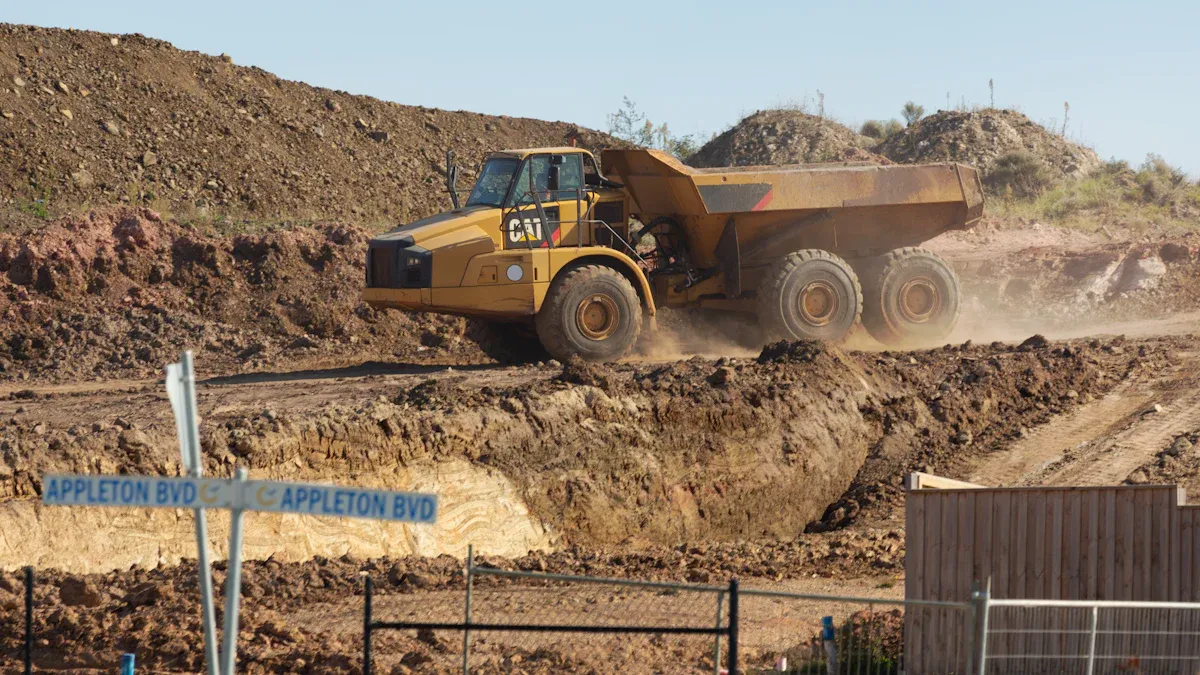
I know reinforced Heavy-Duty Dumper Tracks are truly built to last. Their design directly addresses the common failures I see in standard tracks. I find their unmatched durability comes from the integrated steel core. This core acts as a shield. It resists punctures and tears from sharp debris. I see the composite structure, combining rubber and steel, effectively dissipates impact forces. This prevents localized damage. The high-tensile steel cables and embedded steel plates I mentioned earlier play a crucial role here. They provide an internal framework. This framework stops sharp objects from penetrating the track’s vital components. I observe this protection extends the track’s life significantly. It keeps the equipment running even in the most aggressive environments.
Enhanced Stability and Load-Bearing Capacity
I also notice these reinforced tracks offer enhanced stability. This is vital when hauling heavy loads across uneven ground. The rigid steel core maintains the track’s shape. It prevents deformation under extreme weight. I see this consistent track profile ensures maximum ground contact. It distributes the load evenly. This reduces stress points. It also minimizes the risk of track detachment or slippage. The increased load-bearing capacity means I can move more material. I do this with confidence. I know the tracks will handle the weight. This capability is especially important in mining or large-scale construction. Here, every load counts.
Superior Traction and Reduced Slippage
I find superior traction is another key benefit. Reinforced tracks excel on challenging surfaces. They achieve this through several design features. I observe premium-grade rubber compounds are essential. These materials offer superior durability. They resist wear. This ensures the track maintains its integrity and grip over time on rough terrain. The heavy-duty steel-reinforced core is also critical. It withstands high torque output. This provides structural strength. It supports consistent traction under heavy loads and demanding conditions. I see an enhanced traction design specifically engineered for improved stability on rough terrain. This directly contributes to superior grip and control.
Furthermore, I recognize strong rubber compounds and steel cable reinforcement provide flexibility and durability. These are essential for maintaining track integrity. They ensure contact with uneven surfaces. Deep tread patterns are specifically designed to enhance grip. They work well on challenging terrains like mud, snow, or gravel. This directly contributes to superior traction. I also note enhanced flotation. The track system distributes weight over a larger surface area. This reduces ground pressure. It improves flotation on soft ground. This helps maintain traction rather than sinking. I see improved traction on slopes. The design provides superior grip on inclines. It prevents slippage. It ensures stability. Finally, I observe stability with full loads. The track configuration helps maintain stability when carrying heavy loads across uneven ground. This is crucial for consistent traction. These features make Heavy-Duty Dumper Tracks incredibly reliable.
Minimizing Downtime and Maximizing Productivity
I understand the ultimate goal on any jobsite is productivity. Reinforced tracks directly contribute to this. Their exceptional durability means fewer breakdowns. I see this translates into significantly less downtime. When equipment is running, it is earning. When it is down for repairs, it costs money. The reduced need for track maintenance or replacement saves both time and labor. I find operators spent more time working. They spend less time waiting for repairs. This continuous operation maximizes output. It keeps projects on schedule. I know this reliability is invaluable. It ensures I meet deadlines. It also keeps operational costs in check.
Real-World Impact: Where Reinforced Heavy-Duty Dumper Tracks Shine
Construction Sites: Rocky Terrain and Heavy Hauling
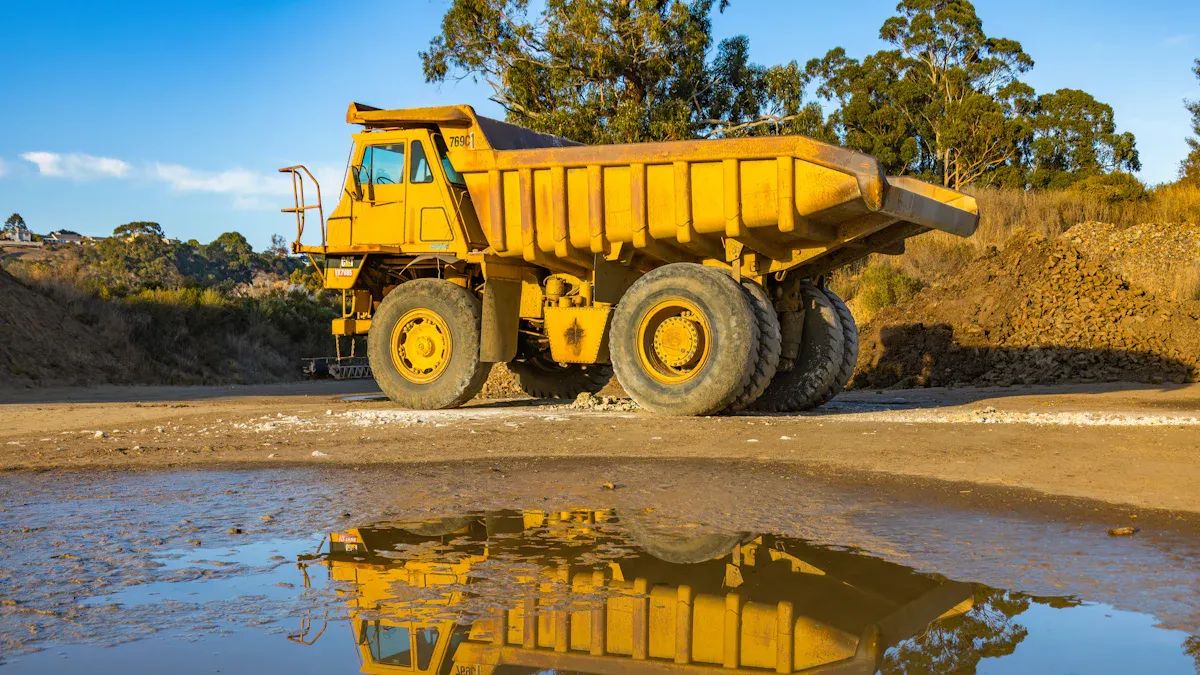
I see reinforced tracks truly prove their worth on demanding construction sites. Here, they navigate rocky terrain and handle heavy hauling with ease. The inherent strength of the steel core allows me to confidently tackle uneven ground. I know the tracks maintain stability even when carrying maximum loads. This prevents costly delays and ensures my projects stay on schedule. The superior durability means I worry less about punctures from sharp rocks. I can focus on moving material efficiently.
Mining Operations: Extreme Wear and Continuous Use
In mining operations, I observe tracks face some of the harshest conditions. Loading causes impact fatigue fracture damage at the junction of the front bottom plates. During full-load transportation, I see compression deformation on the top of the side upright plates. Unloading creates abrasive wear on the tail plate of the compartment. These environments, with their confined spaces, high humidity, and constant dust, demand exceptional resilience. I have seen haul trucks, designed with durable materials like high-strength steel and wear-resistant rubber, achieve a chassis lifespan of 3–4 years, a significant improvement over the 1.5–2 years of standard trucks. I even witnessed trucks show minimal performance drop after about 12 hours of continuous operation. This demonstrates the incredible longevity of these reinforced Heavy-Duty Dumper Tracks.
Demolition Projects: Sharp Debris and Unpredictable Surfaces
Demolition projects present unique challenges. I frequently encounter sharp metal fragments and other hazardous debris. Reinforced tracks excel in these unpredictable environments. They distribute the dumper’s weight evenly, preventing soil compaction and maintaining ground integrity. I find they provide superior grip, preventing slippage and improving control on uneven or slippery terrains. The tracks also absorb vibrations. This improves operator comfort and reduces the impact on the machinery itself when traversing rough surfaces. This robust design allows me to operate safely and efficiently, even amidst the chaos of a demolition site.
I find heavy-duty dumper tracks with reinforced steel cores are a necessity for operations facing harsh jobsite conditions. They ensure operational continuity, with optimized payload capacity and hauling efficiency. I see their uncompromising strength and reinforced frames enhance safety. These tracks deliver long-term cost savings. They are the definitive choice for reliability and performance in demanding environments.
FAQ
How do reinforced steel cores prevent track failures?
I find the steel core acts as a robust internal skeleton. It resists punctures and tears. This prevents common failures from sharp debris and heavy impacts.
Are reinforced tracks more expensive to maintain?
I observe reinforced tracks often reduce maintenance costs. Their enhanced durability means fewer repairs and replacements. This saves me money in the long run.
Can I use reinforced tracks on all types of dumpers?
I confirm reinforced tracks are designed for heavy-duty dumpers. They are ideal for harsh environments. I recommend checking compatibility with your specific dumper model.

Post time: Jan-13-2026