

Selecting the right Excavator Rubber Pads is crucial for protecting surfaces and optimizing machine performance. This market, projected to grow 5-7% annually, highlights their importance. I find the primary decision often comes down to clip-on rubber pads versus bolt-on rubber pads, each suited for different operational demands. Understanding their distinct features is key to making an informed choice for your project.
Key Takeaways
- Choose clip-on pads for short projects or when you need to change pads often. They install fast and protect surfaces well.
- Select bolt-on pads for long projects or heavy work. They offer strong durability and a very secure fit.
- Consider your job site, how long you need the pads, and your excavator model. This helps you pick the best pads for your work.
Understanding Excavator Rubber Pads

Purpose of Excavator Rubber Pads
I see Excavator Rubber Pads as fundamental for any project involving heavy machinery on sensitive surfaces. They provide a stable and durable base, which evenly distributes the excavator’s weight. This prevents tipping or sinking during operations. I also find they act as effective shock absorbers, dampening vibrations and impacts. This protects sensitive components and extends the machine’s service life. Furthermore, I know these pads minimize soil compaction and surface disruption on delicate areas like lawns, paved surfaces, or finished landscapes. They also reduce noise and prevent scratches or gouges on surfaces such as asphalt or concrete. Ultimately, I believe they significantly reduce ground disturbance and contribute to a quieter, more protected work environment.
Two Main Types of Excavator Rubber Pads
When I look at the market, I categorize Excavator Rubber Pads primarily into three types: Bolt-On, Clip-On, and Chain-On. These distinct types address various operational needs and machine configurations. I know manufacturers engineer these pads using advanced materials. They often use high-grade rubber, which offers superior resistance to abrasion. Sometimes, they incorporate embedded steel cords or Kevlar layers for reinforcement, enhancing durability. I also see polyurethane used for some track pads, providing another robust option. These material choices ensure the pads perform well in diverse weather conditions and resist cracking, making them reliable for demanding tasks.
Clip-on Excavator Rubber Pads: Features and Benefits
I find clip-on excavator rubber pads offer a practical solution for many projects. They provide a balance of protection and convenience. Understanding their design and performance helps me guide clients to the best choice.
How Clip-on Pads Attach
I observe that clip-on excavator track pads are quite ingenious in their attachment method. These pads, sometimes called ‘Side-Mount’ rubber track pads, are specifically designed for triple grouser steel tracks. They use special hardened mounts. These mounts attach the rubber pad from the side, which makes installation easier. I also see that clip-on rubber track pads often use ‘L’ shaped brackets. Workers bolt these brackets into the ends of the pad. The brackets then hook underneath the steel grouser shoe of the track. The pad itself fits snugly between the front and rear grouser bars. A channel along the pad’s length holds the center grouser bar. This design ensures the pad stays firmly in place and does not slide during operation.
Advantages of Clip-on Excavator Rubber Pads
I consistently recommend clip-on pads for their numerous benefits, especially when surface protection is a priority.
- Rapid Installation: I know clip-on excavator rubber pads are the fastest to install. A full set typically takes only 2-4 hours. This saves valuable project time. Other types, like bolt-on pads, can take much longer, especially if I need to drill new holes.
- Superior Surface Protection: I find these pads excel at minimizing ground damage. They prevent the excavator’s metal tracks from digging into the ground. This reduces ruts and trenches. The heavy-duty rubber compounds, often bonded to a steel core, protect road surfaces and work areas. This eliminates the need for extra protective materials like rubber matting or plywood.
- Enhanced Operator Comfort: I notice a significant reduction in vibration. The pads act as a buffer between the tracks and the ground. This lessens vibration transmitted to the operator. It improves comfort and productivity. Reduced vibration and noise also lead to a smoother ride. This enhances operator comfort and can extend undercarriage life.
- Improved Maneuverability and Stability: I see better traction on smooth surfaces with clip-on pads. This allows for quicker and more efficient excavator movement. They also provide excellent stability on slippery surfaces. This reduces safety risks during hoisting and digging tasks.
- Noise Reduction: I appreciate how these pads significantly decrease operational noise. This contributes to a quieter work environment.
- Installation Efficiency: I find clip-on pads eliminate the need for drilling. This avoids issues like oversized holes or loose pads that can happen with traditional installation methods. They install quickly and securely.
Disadvantages of Clip-on Excavator Rubber Pads
While clip-on pads offer many advantages, I also recognize their limitations. I always consider these drawbacks when advising clients.
- Durability for Long-Term Projects: I understand clip-on rubber pads are primarily designed for short-term projects. They are not ideal for applications requiring long-lasting wear.
- Vulnerability to Damage: I have observed that their easily accessible bolts can be susceptible to damage from curbs or other obstacles. This is a significant drawback depending on the specific job site conditions.
- Wear on Abrasive Terrain: I know rubber pads, in general, wear out faster on abrasive or rocky terrain. This means clip-on pads might not be the best choice for such harsh environments.
- Limited for Heavy-Duty Excavation: I find they are not suitable for heavy-duty excavation tasks. They offer lower traction and load capacity compared to other pad types.
- Heat Sensitivity: I also note that they can degrade more quickly in extremely hot environments. Constant friction can generate heat, which affects the rubber’s integrity over time.
Bolt-on Excavator Rubber Pads: Design and Performance
I find bolt-on excavator rubber pads represent a robust and secure option for many heavy-duty applications. Their design prioritizes stability and long-term performance. Understanding their construction and operational characteristics helps me advise on their best use.
How Bolt-on Pads Attach
I observe that bolt-on pads offer a very secure attachment method. These pads fasten directly to the steel track shoes of an excavator. Workers typically use bolts to secure each pad through pre-drilled holes in the steel grousers. If the steel tracks lack these holes, I know drilling is necessary. This process creates a permanent and extremely stable connection between the rubber pad and the track. The direct bolting ensures the pads remain firmly in place, even under the most demanding conditions. This method provides a strong, integrated system.
Advantages of Bolt-on Excavator Rubber Pads
I consistently see bolt-on rubber pads as the go-to choice for projects demanding maximum durability and stability. They offer significant benefits.
- Superior Durability: I know these pads are built to last. Bridgestone MT-Pads, for example, boast ‘Superior Durability’ due to a proprietary anti-cut, anti-chunking rubber compound. Independent wear testing shows they can outlast competing brands by up to five times. GatorTrack also highlights ‘excellent quality’ and ‘strong applicability’ for their pads, which consistently earn customer praise for their resilience. Superior Tire’s CUSHOTRAC®HD™ BOLT-ON pads even come with a ’100% Work-Life Guarantee’ against bond failure. They use a proprietary 95A durometer polyurethane compound, making them ‘Ultra-Long Lasting & Abrasion Resistant’ and specifically ‘Made for heavy duty applications’. This extended service life means fewer replacements and less downtime.
- Enhanced Security and Stability: I find bolt-on pads significantly improve traction and stability. They provide superior grip on slippery surfaces, reducing slippage and enhancing control. The lower center of gravity with rubber tracks substantially enhances stability. This reduces the risk of tipping on slopes or uneven surfaces. This design allows for better weight distribution, which improves handling and maneuverability. It also minimizes accidents. These pads offer excellent resistance to tipping due to their enhanced traction and shock absorption. They contribute to operator safety by reducing vibration, which lessens operator fatigue. This lowers the risk of errors and accidents. Operators feel more secure when working on uneven or slippery ground. Volvo’s bolt-on system, for instance, increases versatility. It allows easy switching between on-road and off-road applications. Their pads fit perfectly to the track shoe. This provides full surface protection and contributes to overall stability.
- Permanent Attachment: The bolted connection provides a highly secure fit. This minimizes the chance of pads detaching during operation.
Disadvantages of Bolt-on Excavator Rubber Pads
While bolt-on pads offer excellent performance, I also recognize their specific drawbacks. These factors influence project planning and budget.
- Installation Complexity: I find the installation process for bolt-on pads is more involved than for clip-on pads. It often requires drilling holes into the steel track shoes if they are not pre-drilled. This adds to the installation time and labor. Removing damaged pads also takes more effort due to the secure bolted connection.
- Maintenance and Cost: I know bolt-on pads come with added cost and maintenance considerations. Pads can wear out or get damaged. They then need replacement. This contributes to ongoing operational expenses.
- Added Weight and Debris Trapping: I observe that bolt-on pads add weight to the excavator. This can slightly impact fuel efficiency or transport considerations. They can also sometimes trap debris between the pad and the shoe. This requires periodic cleaning to prevent potential damage to the track system.
Key Factors for Choosing Excavator Rubber Pads
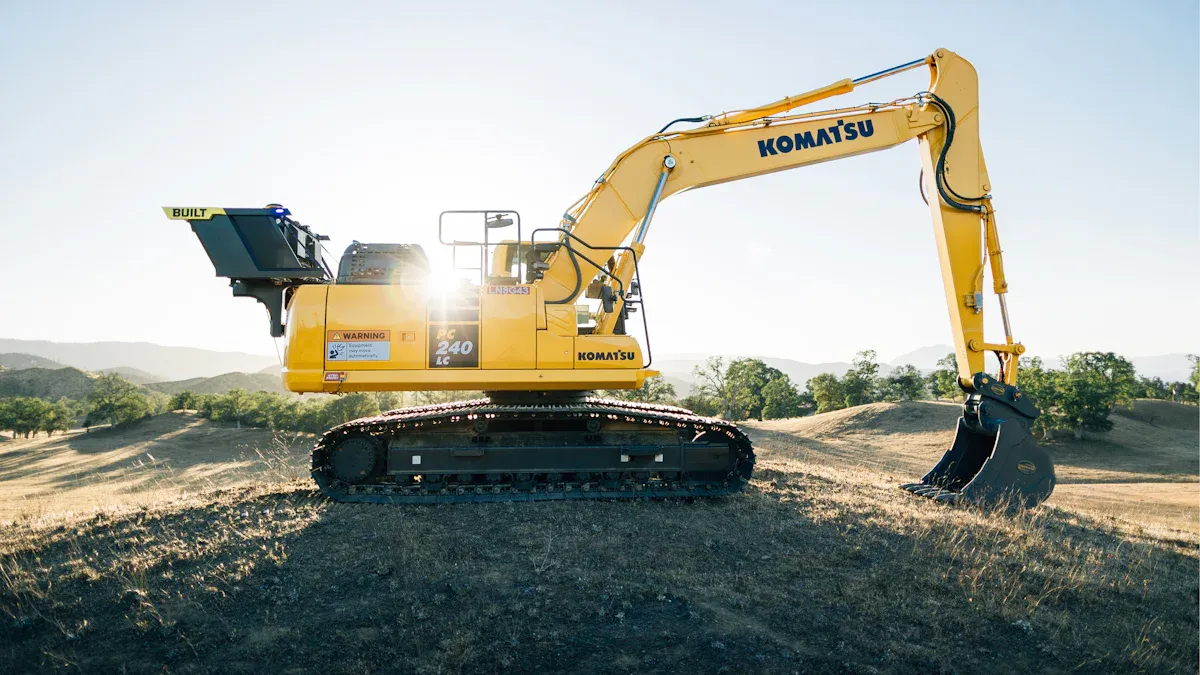
I understand that selecting the right excavator pads involves careful consideration of several critical factors. These factors directly impact operational efficiency, cost-effectiveness, and project success.
Job Site Conditions and Surface Protection
I always begin by assessing the specific job site conditions. I know rubber track pads are ideal for protecting sensitive surfaces. For instance, when I work in urban environments, reducing noise becomes a priority. Rubber pads significantly contribute to a quieter operation. I also find that Bridgestone specifically designed rubber pads for excavators to protect paved or concreted surfaces. Construction machinery manufacturers globally have adopted this solution. I primarily use rubber pads to minimize ground damage and wear on paved or delicate surfaces. This is essential for urban construction, landscaping, and roadwork, where I must avoid causing damage. I find rubber pads protect delicate surfaces like asphalt, concrete, and grass by distributing the excavator’s weight more evenly. This reduces ground pressure and prevents damage that steel tracks would cause. In areas with noise pollution concerns, rubber pads significantly reduce noise and vibration. This makes them crucial in sensitive environments. I also find the rubber material provides enhanced traction on slippery or uneven terrain, improving machine stability and safety. Rubber pads enable excavators to operate on a wider range of surfaces without causing damage or disruption. They also facilitate easier movement of machines over roads without causing damage or excessive wear.
Duration and Frequency of Pad Use
I consider the duration and frequency of pad use when making a recommendation. For short-term projects or those requiring frequent changes between protected and unprotected surfaces, I often lean towards clip-on pads due to their rapid installation and removal. However, for long-term projects where the excavator will consistently operate on sensitive surfaces, I find the durability and secure attachment of bolt-on pads offer a more economical and reliable solution over time. My experience shows that investing in a more robust solution for continuous use prevents frequent replacements and downtime.
Excavator Model and Track Compatibility
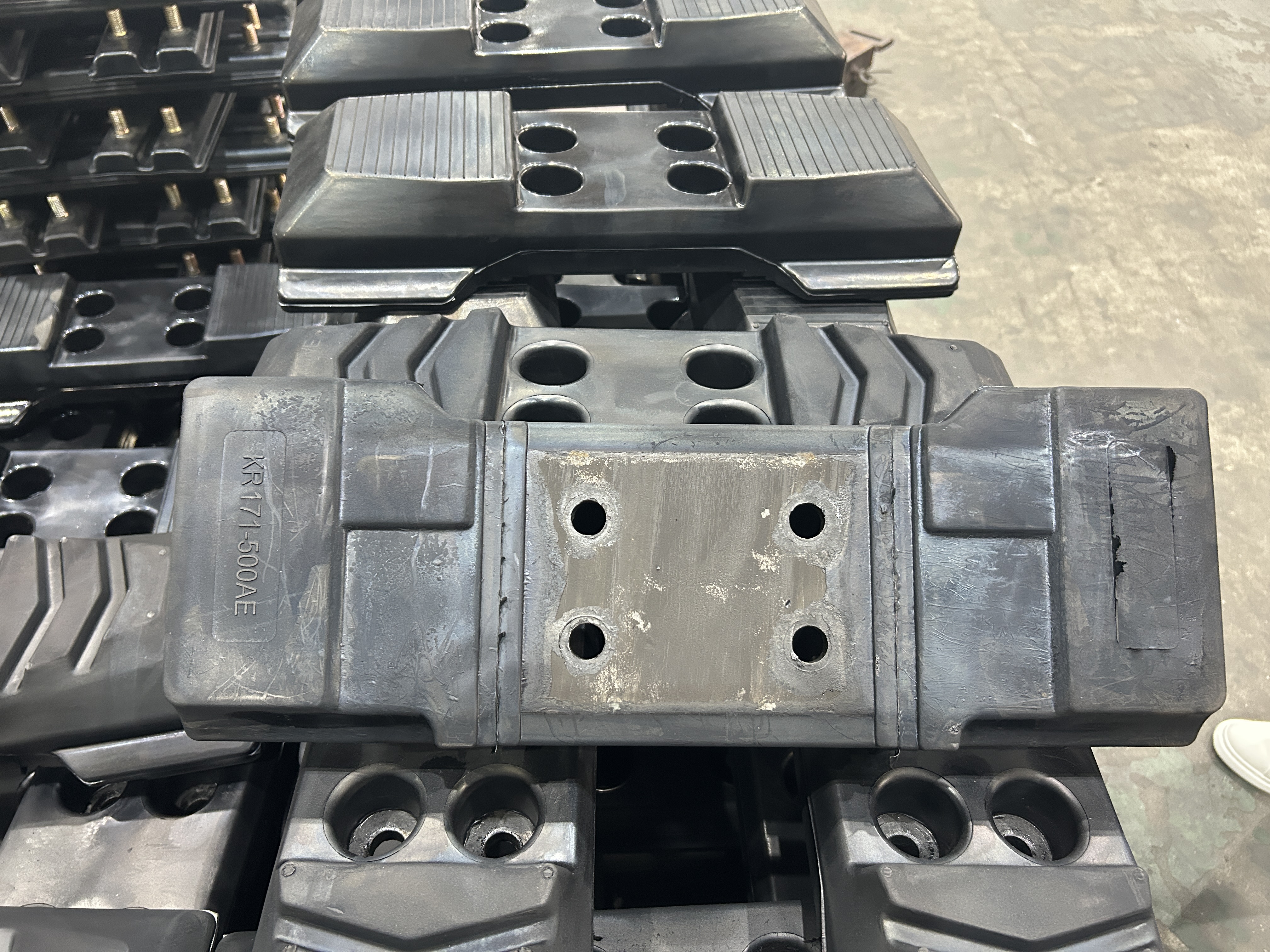
I always emphasize the importance of compatibility. I ensure the track pads are designed for your specific excavator model to prevent installation issues and ensure a secure fit. I check the manufacturer’s detailed specifications, including dimensions and supported models. I also measure my excavator’s steel tracks and compare them with product details. If I have any uncertainty about compatibility, I consult the manufacturer or supplier. I confirm rubber tracks are designed for your specific make and model, considering variations in weight, undercarriage dimensions, and load capacity. Incorrect track width can lead to premature wear and inefficient operation. I also consider the tread pattern. The pattern affects traction and surface disturbance. Straight-bar patterns suit soft terrain, multi-bar/block patterns are for paved surfaces, and zig-zag patterns offer versatility. I also evaluate the rubber compound quality. Premium compounds offer better resistance to cuts, abrasions, and heat, which is crucial for demanding environments. I also look at the track structure and internal reinforcement. Features like continuous steel cords, strong bonding, and anti-vibration layers contribute to track lifespan and smoother operation. I know excavators commonly use three main track types: clip-on track pads, bolt-on track pads, and chain-on track pads. Clip-on pads attach quickly to steel tracks without extra hardware, suitable for temporary use or frequent surface changes. Bolt-on pads secure with bolts to the track shoe, offering a durable solution for consistent use on surfaces needing protection. Chain-on track pads integrate directly into the track chain, providing a robust option for heavy-duty applications requiring high durability and stability.
Budget and Installation Considerations
I recognize that budget and installation considerations play a significant role in the decision-making process. Clip-on pads generally have a lower initial cost and faster installation, which can be attractive for projects with tight budgets or time constraints. For example, I have seen clip-on type rubber pads for excavators priced between $8 and $20 per pad, with some listed as negotiable for larger orders. However, I also factor in the long-term costs. While bolt-on pads might have a higher upfront cost and more complex installation, their superior durability often translates to lower replacement frequency and reduced labor costs over the project’s lifespan. I always weigh the initial outlay against the total cost of ownership.
Durability and Security Requirements
I prioritize durability and security based on the demands of the job. For applications involving heavy loads, abrasive surfaces, or prolonged use, I find that bolt-on pads offer the necessary durability and secure attachment. Their robust design minimizes the risk of detachment and wear, ensuring consistent performance. Conversely, for lighter tasks or situations where quick changes are essential, clip-on pads provide adequate security and sufficient durability. I always assess the potential for impact, abrasion, and the need for a steadfast connection to determine the appropriate level of durability and security required.
Making the Right Choice for Your Excavator Rubber Pads
I understand that choosing the correct excavator rubber pads is a critical decision. It directly impacts your project’s efficiency, cost, and overall success. My goal is to help you navigate these choices effectively.
When Clip-on Pads are Ideal
I often recommend clip-on pads for specific operational scenarios where flexibility and quick changes are paramount. I find these pads are optimal for use as an interim vehicle cover. This means you can quickly protect surfaces when moving your excavator between different work zones. They are also ideal when operators frequently need to switch between rubber and steel pads. This flexibility saves significant time on job sites.
I also see clip-on style rubber pads as best suited for short-term projects. Installation time is a primary concern in these situations. They offer an easy on-and-off solution. This is particularly useful when existing triple grousers lack pre-drilled bolt holes for bolt-in pads. I find clip-on track pads are especially beneficial for projects requiring temporary use. They also serve contractors who frequently change between different work surfaces. Their quick installation makes them perfect for these scenarios.
When Bolt-on Pads are Essential
I consider bolt-on pads essential when projects demand maximum stability, durability, and a secure connection. These pads are built for the long haul and heavy-duty work. I find they provide the robust performance needed for demanding applications.
| Pad Type | Application |
|---|---|
| Bolt-On | Suitable for a wide range of heavy equipment (asphalt milling machines, excavators, bulldozers, pavers) requiring extra stability and a solid connection. |
I always advise clients to choose bolt-on rubber track pads for equipment that will consistently operate on sensitive surfaces under heavy loads. Their secure attachment minimizes the risk of detachment. This ensures continuous surface protection and operational safety.
Consulting Local Excavator Rubber Pads Suppliers
I always emphasize the value of consulting local suppliers for your excavator rubber pads. Their expertise can be invaluable. Reputable suppliers offer a range of support and services that can significantly benefit your project.
For instance, I have seen companies like BLS Enterprises employ engineers and consultants with decades of experience. They design, sell, and use machine undercarriage parts. This level of expertise ensures you get the right advice. They also prioritize customer care. Their teams are friendly and knowledgeable. They maintain clear communication and treat customers with utmost courtesy and respect.
I also appreciate suppliers who offer quick order processing. Most orders are processed and shipped within 24 hours. This minimizes downtime for your operations. A hassle-free warranty is also a significant benefit. A warranty is often automatically included with purchases, requiring no registration. Some products, like BLS HIGHTOP TUFPADS track pads, are guaranteed for 2,000 hours. They even offer prorated credit for customers who experience less.
Furthermore, I look for aggressive pricing and free quotes. This helps manage project budgets effectively. A broad selection and inventory are also crucial. Suppliers like BLS Enterprises maintain an enormous inventory of track pads, rubber tracks, and other undercarriage parts. They stock options for popular brands, including OEM and aftermarket choices. They provide industry-leading products. These products are high-quality, cost-effective, and built to perform and last longer.
I also know that companies like Kitsap Tractor & Equipment offer experienced salespeople. They assist customers in obtaining necessary products. This ensures projects remain on schedule and within budget. They serve a wide geographical area, including Washington, Oregon, California, and Alaska. Local suppliers often provide personalized service and quick access to parts. This makes them a valuable partner for any project.
I find the optimal choice for Excavator Rubber Pads depends on a thorough assessment of your project’s specific needs. I consider the terrain, duration of use, and required level of surface protection. Prioritizing these factors ensures I select the most effective and economical solution for your excavator’s operational demands.
FAQ
How long do excavator rubber pads typically last?
I find lifespan varies. Clip-on pads suit short-term use. Bolt-on pads offer superior durability for long-term projects. Proper maintenance extends their life.
Do rubber pads affect excavator speed?
I observe rubber pads can slightly reduce top speed. They add weight. However, they improve traction. This allows for more efficient movement on various surfaces.
Can excavator rubber pads be recycled?
I know many manufacturers offer recycling programs. They reclaim worn rubber pads. This reduces environmental impact. I always recommend checking with your supplier.

Post time: Nov-25-2025