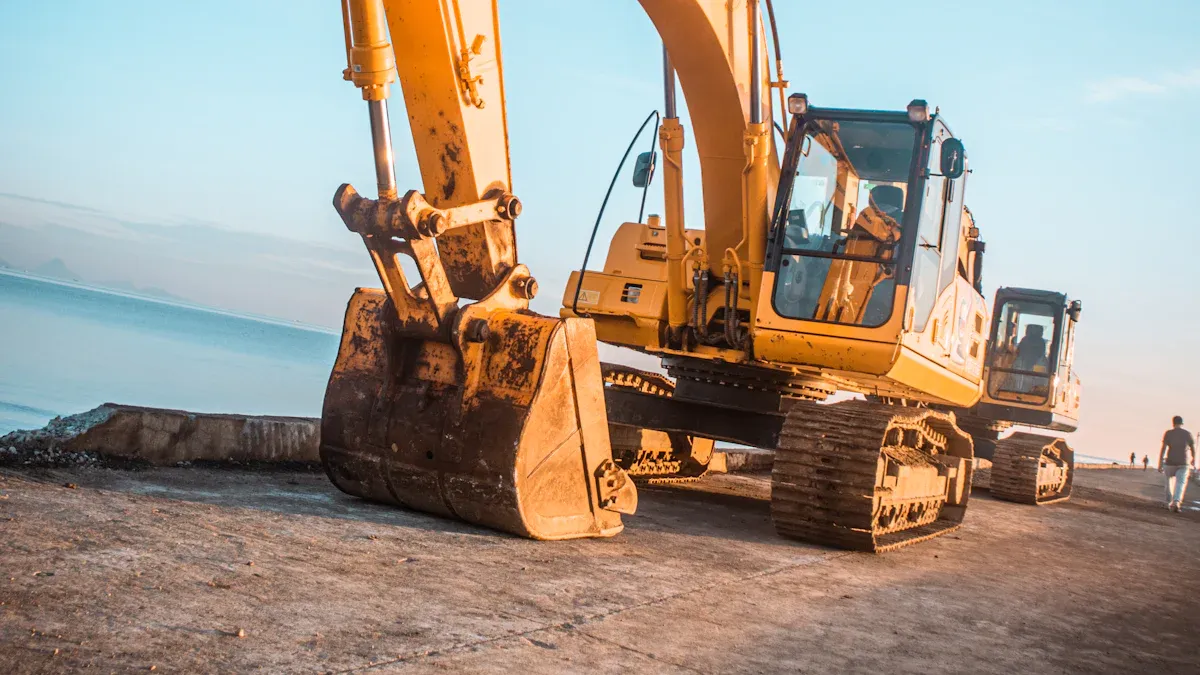
I want to show you how we create excavator rubber track pads. It’s a multi-stage manufacturing process. We transform raw rubber and steel into durable excavator rubber pads. These rubber pads for excavators must handle harsh conditions, providing great traction and protection for your machines.
Key Takeaways
- Making excavator rubber track pads involves many steps. It starts with good rubber and strong steel. This makes the pads tough.
- Pads get their shape in molds. Then, heat makes them very strong. This process is called vulcanization.
- Every pad is checked for quality. This ensures they fit well and work perfectly on your excavator.
Crafting the Foundation for Excavator Rubber Track Pads
Sourcing Quality Rubber Compounds
First, we start with the very best materials. I carefully select high-quality rubber compounds. These aren’t just any rubber; they need specific properties. We look for durability, flexibility, and resistance to things like oil and extreme temperatures. Getting this right is super important. It sets the stage for how well your excavator rubber track pads will perform later on.
Steel Core Reinforcement for Excavator Rubber Track Pads
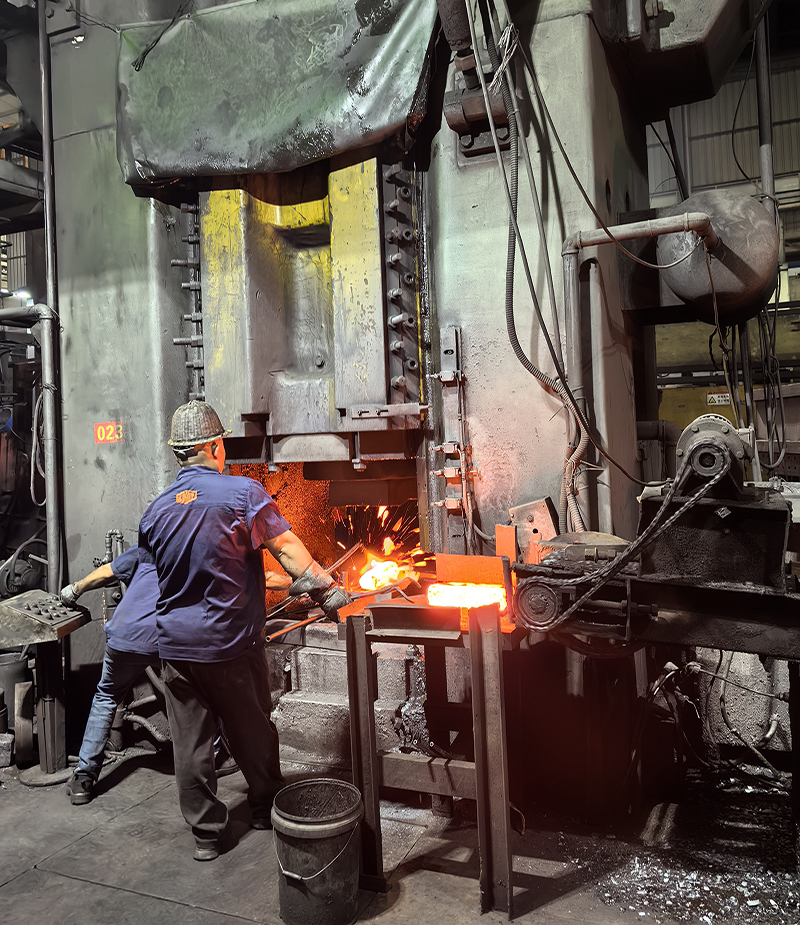
Next, we add strength with steel. Inside each pad, we embed a robust steel core. This steel reinforcement is crucial. It prevents the pads from stretching too much and gives them incredible structural integrity. Think of it as the backbone of the pad. It helps the pads maintain their shape and withstand the heavy forces of an excavator.
Additives and Blending for Optimal Performance
After that, we mix in special additives. I blend these carefully with the rubber compounds. These additives do amazing things! They boost the rubber’s resistance to abrasion, UV light, and heat. This blending process is precise. It ensures the final material can handle the toughest job site conditions. We want your pads to last a long time and perform perfectly, no matter what.
Shaping and Curing Excavator Rubber Track Pads
Precision Molding Techniques
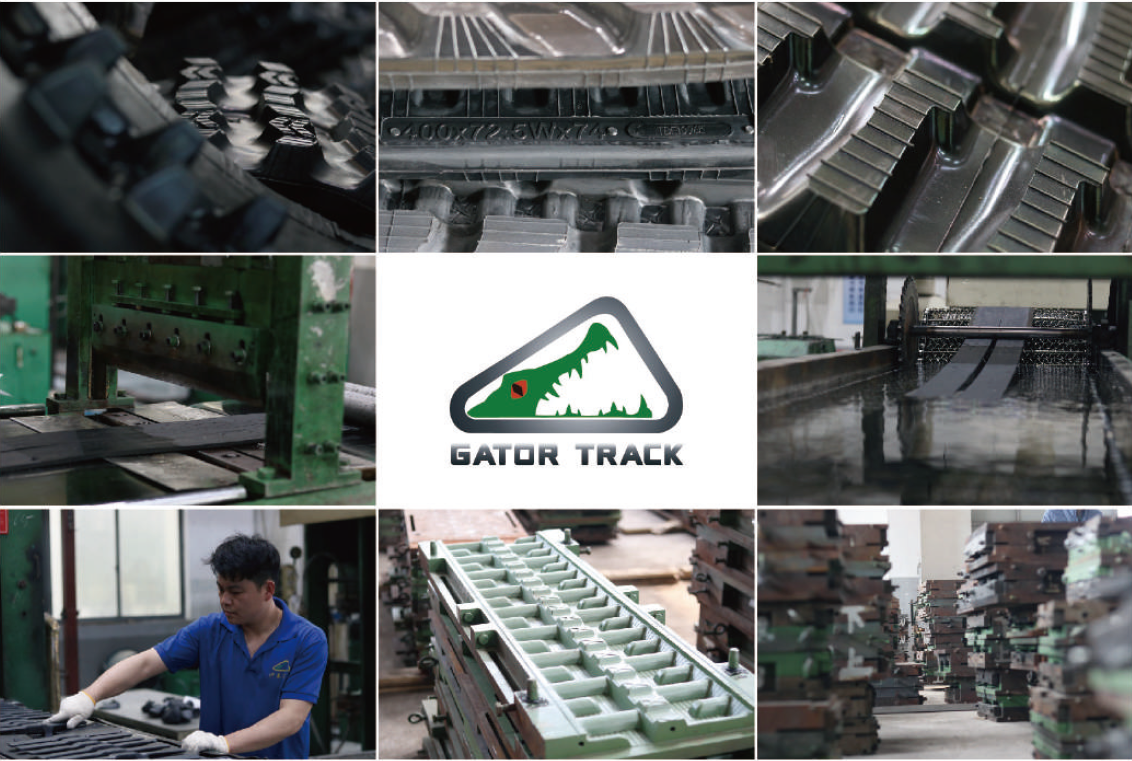
Now, we get to the exciting part: giving the pads their final shape. I take the specially blended rubber and the strong steel core. Then, I carefully place them into precision molds. These molds are super important. They are custom-made to create the exact size and design for each excavator rubber track pad. I use powerful hydraulic presses to apply immense pressure. This pressure forces the rubber to fill every tiny space in the mold. It also bonds the rubber firmly around the steel core. This step needs incredible accuracy. It ensures each pad comes out perfectly formed and ready for the next stage.
The Curing Process (Vulcanization)
After molding, the pads are still a bit soft. They need to become tough and durable. This is where the curing process, also known as vulcanization, comes in. I move the molded pads into large, heated chambers. Here, I apply specific temperatures and pressures for a set amount of time. This heat and pressure cause a chemical reaction within the rubber. It changes the rubber’s structure. It transforms it from a soft, pliable material into a strong, elastic, and highly durable component. This process makes the pads resistant to wear, heat, and chemicals. It’s what gives them their long-lasting performance on your excavator.
Tip: Vulcanization is like baking a cake! You mix the ingredients, put them in a mold, and then bake them. The heat changes the batter into a solid, delicious cake. For our pads, it changes soft rubber into super-tough rubber!
Cooling and Demolding
Once the vulcanization is complete, I carefully remove the molds from the heated chambers. The pads are still very hot at this point. I let them cool down slowly and naturally. This controlled cooling prevents any warping or internal stresses from forming in the newly cured rubber. After they have cooled to a safe temperature, I carefully open the molds. Then, I gently remove the newly formed excavator rubber track pads. This demolding step requires a delicate touch. It ensures the pads retain their perfect shape and finish without any damage. Now, they are ready for the final touches!
Finishing and Quality Assurance for Excavator Rubber Pads
Trimming and Finishing
After the pads cool down, they are almost ready. But first, I need to give them a perfect finish. Sometimes, a little extra rubber, called flash, might be around the edges from the molding process. I carefully trim this excess rubber away. This step makes sure each pad has clean, smooth edges. It also guarantees they will fit perfectly onto your excavator’s tracks. I also inspect each pad closely for any small imperfections. If I find any, I smooth them out. This attention to detail ensures every pad looks great and performs even better.
Attachment Mechanisms
Now, we need to make sure these tough pads can actually connect to your excavator. There are different ways we design the pads to attach. I make sure each pad has the right mechanism for its intended use.
Here are the common types I work with:
- Bolt-on type: These pads have holes where you can bolt them directly onto the steel track shoes. They offer a very secure fit.
- Clip-on type: These are super easy to install. They clip right over your existing steel track shoes. This makes changing them quick and simple.
- Chain-on type: For these, the rubber pad is molded directly onto a steel plate. This plate then bolts onto the track chain itself.
- Special rubber pads: Sometimes, a job needs something unique. I also create custom pads for specific machines or very particular ground conditions.
Choosing the right attachment mechanism is important. It ensures the excavator rubber track pads stay firmly in place, no matter how tough the job gets.
Rigorous Quality Control
My final step is super important: quality control. I don’t let any pad leave my facility without a thorough check. I put every single pad through a series of rigorous tests and inspections.
First, I check the dimensions. I use precise tools to make sure each pad is the exact size and shape it should be. Then, I inspect the rubber for any defects, like bubbles or cracks. I also check the bond between the rubber and the steel core. It must be strong and secure. I even perform hardness tests on the rubber. This ensures it meets the exact specifications for durability and performance. My goal is simple: I want to make sure every single excavator rubber track pad I make is perfect. This guarantees they will provide the best traction, protection, and lifespan for your machinery.
So, you see, making excavator pads is a really detailed process. Every single step matters, from picking the best materials to the final quality checks. I make sure each pad is tough and works great. This whole journey shows the skill and hard work I put into every single pad. It guarantees your machine always has the grip and protection it needs.
FAQ
How often should I replace my excavator rubber track pads?
I recommend checking your pads regularly. Replace them when you see significant wear, cracking, or if they start losing grip. It really depends on how much you use them and the conditions.
Can I install excavator rubber track pads myself?
Yes, you often can! Many of my pads, especially clip-on types, are designed for easy installation. I always provide clear instructions to help you.
What’s the difference between bolt-on and clip-on pads?
Bolt-on pads attach directly to your steel tracks with bolts. Clip-on pads, which I also make, simply clip over your existing steel track shoes. Clip-ons are quicker to change.

Post time: Nov-04-2025