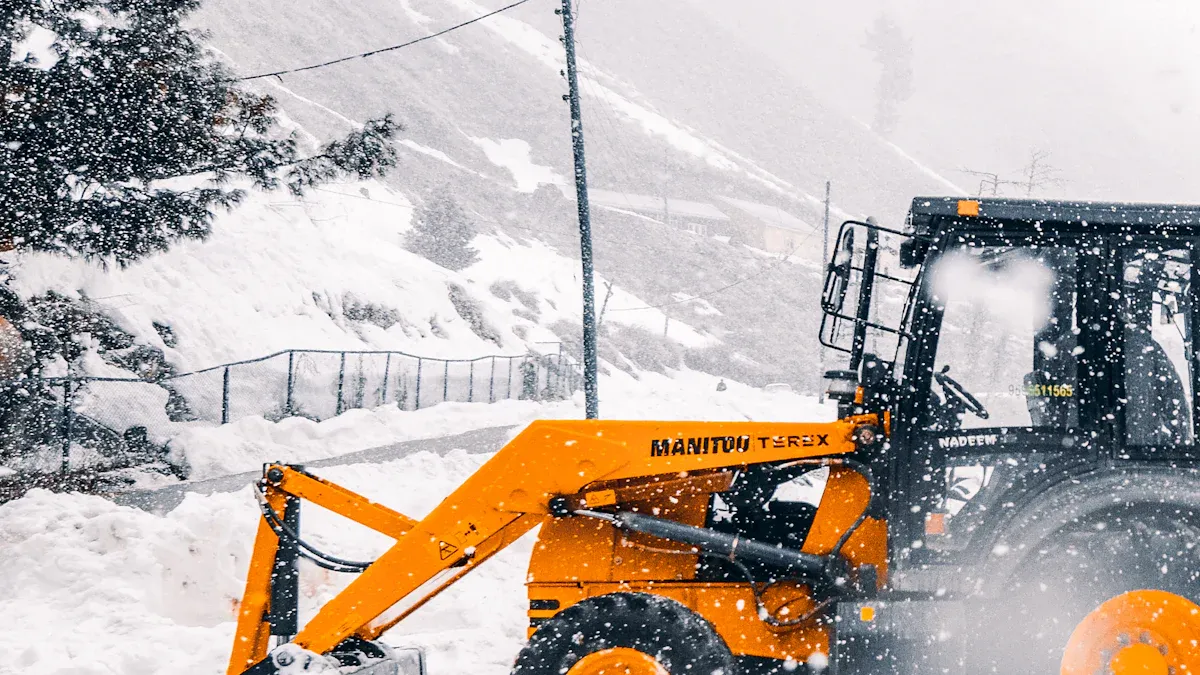
Choosing the right tracks for skid steer loaders can make a world of difference in how efficiently they perform. Did you know that selecting proper skid steer tracks can boost productivity by up to 25%? Factors like track width, tread patterns, and terrain compatibility play a huge role. For instance, skid steers equipped with lateral tread patterns reduce soil compaction by 15% and complete landscaping work 20% faster in urban areas. High-quality tracks not only enhance performance but also save money by lowering fuel consumption and minimizing wear. Whether it’s muddy, snowy, or uneven terrain, well-engineered tracks ensure your machine delivers every time.
Key Takeaways
- Picking the right skid steer tracks can increase work speed by 25%. Look at track width and tread designs for best results.
- Taking care of tracks with checks and cleaning makes them last longer and avoids expensive fixes.
- Buying good-quality tracks costs more at first but saves money later with better strength and less time wasted.
Types of Tracks For Skid Steer loaders and Their Benefits
Rubber Tracks for Versatility and Traction
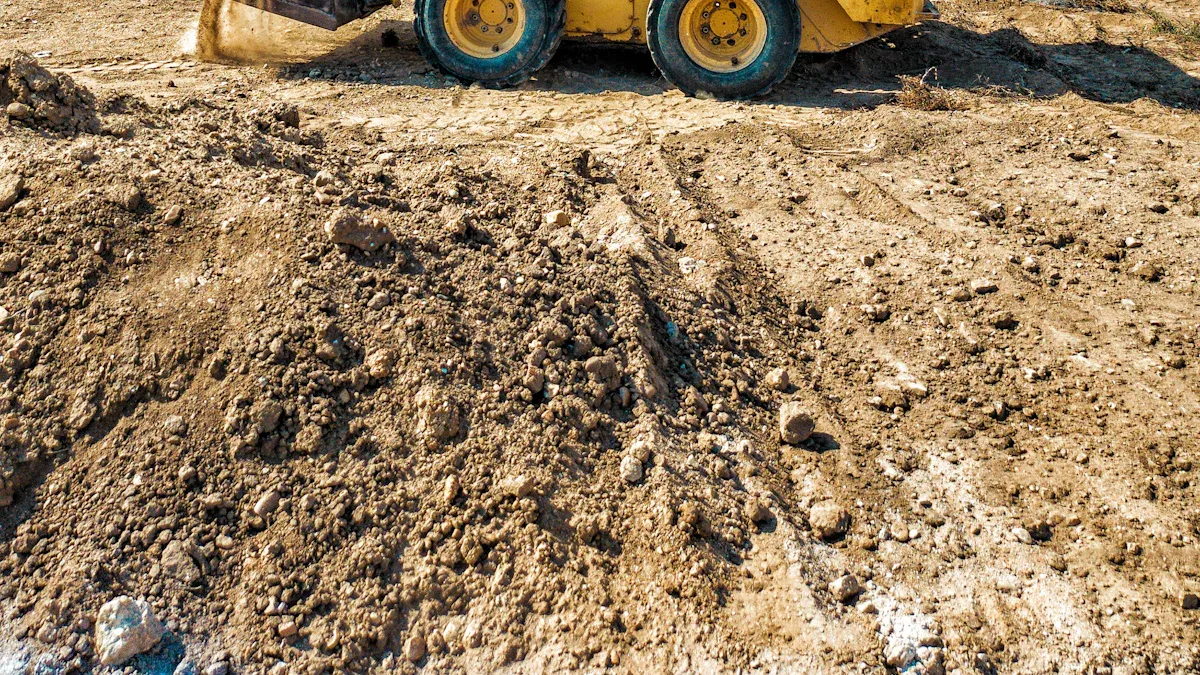
Rubber tracks are a popular choice for skid steer loaders due to their versatility and ability to handle various terrains. These tracks excel in wet conditions, offering superior traction that reduces tire spin. Operators often prefer rubber tracks for their ability to distribute the machine’s weight evenly, which minimizes ground pressure and prevents surface damage.
Field tests have shown that rubber tracks outperform traditional tires on rocky and uneven terrains. For example:
- They provide better stability on steep slopes compared to steel tracks.
- They enable access to areas that are otherwise difficult to navigate.
- They maintain operational efficiency even in adverse weather conditions.
High-performance rubber tracks use advanced rubber compounds that combine natural and synthetic materials. This enhances elasticity, tear resistance, and abrasion protection. Additionally, internal steel core technology strengthens the tracks while maintaining flexibility. These features make rubber tracks an excellent choice for operators seeking all-weather adaptability and reliable performance.
Steel Tracks for Heavy-Duty Applications
When it comes to heavy-duty applications, steel tracks are the go-to option. These tracks are built to withstand extreme conditions, such as rocky or abrasive terrains, where durability is critical. Steel tracks provide unmatched strength and longevity, making them ideal for construction sites and demolition projects.
Unlike rubber tracks, steel tracks are less prone to wear and tear in harsh environments. Their robust design ensures they can handle heavy loads without compromising performance. Operators working in industries that demand maximum durability often rely on steel tracks to get the job done efficiently.
All-Terrain Tracks for Challenging Environments
All-terrain tracks are designed to tackle the most challenging environments. Whether it’s muddy fields, sandy dunes, or uneven forest trails, these tracks ensure your skid steer loader performs at its best. They combine the benefits of both rubber and steel tracks, offering a balance of durability and flexibility.
Statistical comparisons highlight the effectiveness of all-terrain tracks. For instance:
| Method | MCC Score | Resolution | Notes |
|---|---|---|---|
| ForestTrav | 0.62 | 0.1 m | Superior performance in traversability |
| Closest Competitor | 0.41 | 0.1 m | Lower performance in discriminating terrain |
These tracks are particularly useful for operators who need to switch between different terrains frequently. Their adaptability reduces downtime and enhances productivity, making them a valuable investment for diverse job sites.
Specialty Tracks for Winter and Slippery Conditions
Winter and slippery conditions require specialized tracks to ensure safety and efficiency. Specialty tracks are designed with unique tread patterns that provide maximum grip on icy or snowy surfaces. These tracks prevent slipping and improve stability, allowing operators to work confidently in challenging weather.
For instance, rubber tracks with enhanced traction features perform exceptionally well in winter. They reduce the likelihood of bouncing or sliding on slopes, ensuring smooth maneuvering. Operators in regions with harsh winters often choose specialty tracks to maintain productivity year-round.
By selecting the right type of tracks for skid steer loaders, operators can optimize performance, reduce wear, and extend the lifespan of their equipment. Each track type offers unique benefits tailored to specific needs, ensuring that every job is completed efficiently and effectively.
Maintenance Tips for Tracks For Skid Loader
Inspecting Tracks for Wear and Tear
Regular inspections are the first step in maintaining skid steer tracks. Operators should check for visible signs of wear, such as cracks, cuts, or uneven tread patterns. Damaged tracks can reduce performance and increase the risk of breakdowns. Daily inspections also help identify issues like worn sprockets or loose track tension before they escalate.
Tip: Keep a maintenance log to track inspections and repairs. This helps identify recurring issues and ensures timely replacements.
Adjusting Track Tension for Optimal Performance
Proper track tension is crucial for smooth operation. Tracks that are too tight can wear out faster and reduce the machine’s horsepower. On the other hand, loose tracks may derail during use. Experts recommend maintaining a track sag of 1/2 inch to 2 inches.
| Measurement Type | Recommended Range |
|---|---|
| Track Sag | 1/2 inch to 2 inches |
| Adjustment Frequency | After 30-50 hours of use |
To adjust tension, operators can use a grease gun and a crescent wrench. Regular checks ensure the tracks remain in optimal condition.
Cleaning Tracks to Prevent Damage
Cleaning tracks daily prevents debris buildup, which can cause premature wear. Operators should remove large debris and wash the tracks thoroughly after each use. This practice not only extends track life but also makes it easier to spot hidden damage.
A landscaping company reported a 75% reduction in cleanup time by maintaining their equipment properly.
Replacing Worn Components to Extend Lifespan
Skid steer tracks typically last between 500 and 1,500 hours, depending on usage and maintenance. Operators should replace tracks when they show signs of excessive wear, such as unsafe tread depth or damaged sprockets. Replacing worn components promptly prevents further damage and ensures safety.
Note: Neglecting replacements can lead to costly repairs, with undercarriage roller and idler replacements exceeding $4,000 under heavy use.
Choosing the Best Tracks For Skid Steer Based on Needs
Matching Tracks to Terrain and Job Requirements
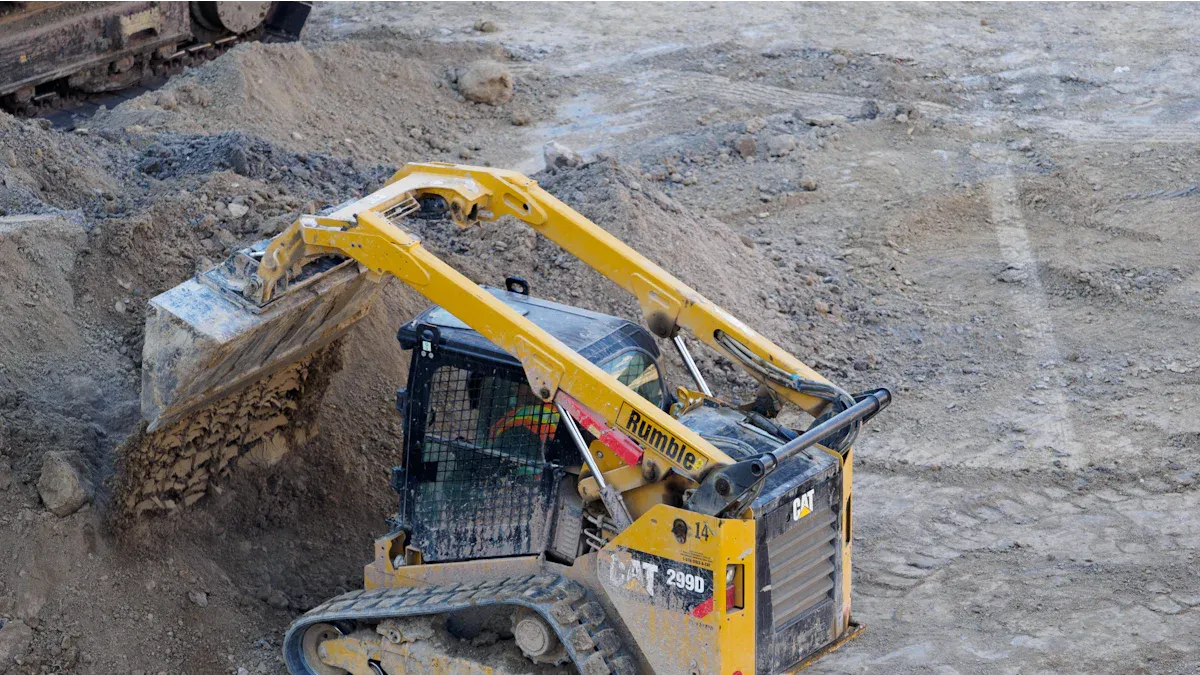
Selecting the right tracks for a skid steer loader starts with understanding the terrain and job requirements. Different environments demand specific track features to ensure optimal performance. For example:
- Compact track loaders (CTLs) excel in loose, wet, or muddy conditions, making them ideal for landscaping or agricultural tasks.
- Skid steers with tracks perform better on paved or hard surfaces, such as construction sites or urban areas.
- Tracks designed for snowy or sandy terrains provide better flotation and reduce the risk of getting stuck.
Operators should evaluate the geological conditions of their job sites. For instance, CTLs are more effective in wet or sandy areas, while skid steers with standard tracks are cost-effective for rocky terrains. Matching the right tracks to the job not only improves efficiency but also minimizes wear and tear on the equipment.
Considering Load Capacity and Machine Compatibility
Every skid steer loader has specific load capacity and compatibility requirements, and the tracks must align with these specifications. Overloading or using incompatible tracks can lead to premature wear or even equipment failure.
Manufacturers often provide detailed guidelines to help operators choose the best tracks. These guidelines include critical factors like material quality, tensile strength, and size specifications. Here’s a quick reference:
| Feature | Description |
|---|---|
| Material Quality | High-quality, reinforced tracks ensure operational safety and efficiency in rough conditions. |
| Rubber Compounds | Tracks made from synthetic rubber compounds like EPDM or SBR offer excellent wear and weather resistance. |
| Tensile Strength | High tensile strength is crucial for heavy-duty applications to withstand constant pressure. |
| Abrasion Resistance | Tracks with high abrasion resistance last longer on rough terrains like pavement and gravel. |
| Heat Resistance | Quality rubber withstands heat from friction and sunlight, crucial for prolonged use on hot surfaces. |
| Track Reinforcement | Reinforcement features like steel cords and Kevlar enhance durability and stability under heavy loads. |
| Size Specifications | Accurate measurements of width, pitch, and number of links are critical for compatibility with skid steers. |
By following these specifications, operators can ensure their tracks are both safe and efficient for their machines.
Balancing Cost with Long-Term Durability
Cost is always a factor when choosing skid steer rubber tracks, but it’s important to consider the long-term benefits of premium options. While premium tracks may have a higher upfront cost, they often deliver better value over time. Here’s why:
- Initial Investment: Premium tracks cost more than standard options.
- Expected Service Life: Premium tracks last 1,000-1,500 hours, compared to 500-800 hours for standard tracks.
- Maintenance Requirements: Premium tracks require less maintenance, reducing long-term expenses.
- Productivity Impact: High-performance tracks improve work output and efficiency.
- Downtime Costs: Fewer replacements and reduced downtime save money in the long run.
Investing in durable tracks can significantly lower the total cost of ownership. Operators benefit from fewer replacements, lower labor costs, and improved productivity, making premium tracks a smart choice for heavy use.
Consulting Manufacturer Guidelines for Best Fit
Manufacturer guidelines are an invaluable resource when selecting tracks for skid steer loaders. These documents provide technical details that ensure the tracks meet the machine’s requirements. Experts also emphasize the importance of consulting these guidelines to avoid compatibility issues.
Field data supports this approach:
- Rubber-tracked loaders experience less downtime in bad weather, increasing operational hours.
- Compact loaders with tracks are used two to three times more than those with tires, highlighting their efficiency.
- Tracks with features like steel reinforcement and abrasion resistance perform better on uneven surfaces, reducing damage to the terrain.
Operators should always verify the track’s width, pitch, and number of links to ensure a perfect fit. Following these guidelines not only enhances performance but also extends the lifespan of the tracks.
Choosing the right skid steer tracks boosts efficiency and extends equipment life. Regular maintenance prevents costly repairs and ensures reliability. For example:
| Benefit | Description |
|---|---|
| Lengthened lifespan of assets | Preventive care reduces wear and saves money. |
| Cost of unplanned maintenance | 3-9 times higher than planned upkeep. |
| Companies reporting increased lifespan | 78% see improved durability with regular maintenance. |
Investing in durable, tailored tracks ensures better performance and long-term savings.
Contact Us:
Email: sales@gatortrack.com
WeChat: 15657852500
LinkedIn: Changzhou Hutai Rubber Track Co., Ltd.
FAQ
What are the signs that skid steer tracks need replacement?
Look for cracks, uneven tread wear, or exposed steel cords. Tracks that frequently derail or lose traction also indicate the need for replacement.
How often should skid loader tracks be cleaned?
Operators should clean tracks daily, especially after working in muddy or debris-filled environments. Regular cleaning prevents buildup and extends track life.
Can rubber tracks handle heavy loads like steel tracks?
Rubber tracks can handle moderate to heavy loads but are less durable than steel tracks in extreme conditions. Steel tracks are better for heavy-duty applications.
Tip: Always consult the manufacturer’s guidelines to ensure the tracks match your machine’s load capacity and terrain requirements.
Post time: May-26-2025